

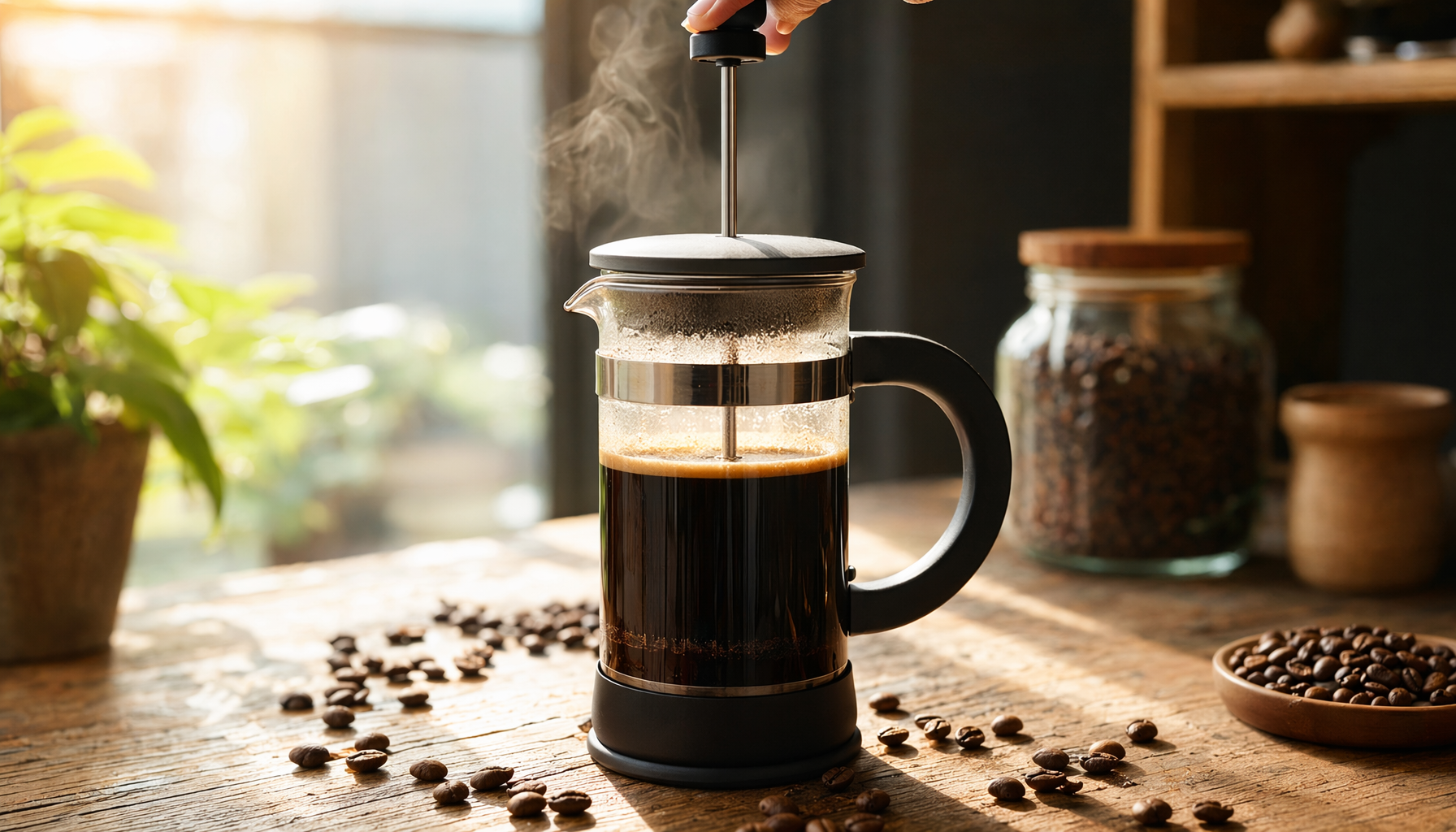
TL;DR — Grind coarse like sea salt, use a 1:15 coffee-to-water ratio, steep four minutes at 200°F, and press slowly. Decant immediately after pressing so the grounds stop extracting. Skip those four moves and you get the bitter, gritty cup most people associate with French press, which is exactly why most home brewers give up on the method after a month. This 2026 walkthrough covers how to use a French press the way it was actually designed to be used.

The Best Deals This Week*
-
Large-Batch Coffee Brewing
$33.24
($34.99)Save $1.75 -
French Press Coffee Filter Replacement for Easier
$7.49
($7.99)Save $0.50
*Deals are selected by our commerce team
Deeper Dive: Our Top Picks
Our Top Picks
QUQIYSO
Large-Batch Coffee Brewing: QUQIYSO 51oz French Press Coffee Maker
The QUQIYSO 51oz French press brews coffee, tea, cold brew, and milk-based drinks while its dual filter helps reduce coffee grounds. It suits households, hosts, and coffee drinkers who want a large reusable brewer without paper filters.
Pros and Cons
Pros
- Large 51oz capacity supports several cups from one brewing cycle.
- Dual-stage filtering is designed to reduce both coarse and fine grounds.
- Multiple drink options make it useful beyond standard coffee preparation.
- Reusable stainless steel filtering helps reduce ongoing paper-filter purchases.
Cons
- The large capacity may be more than a single coffee drinker needs.
- The glass beaker requires careful handling because it can break if dropped.
Boao
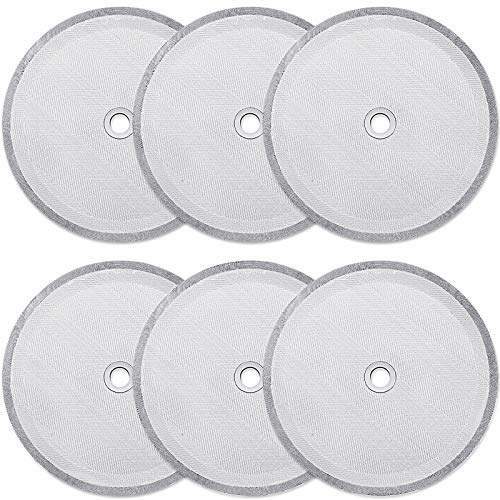
French Press Coffee Filter Replacement for Easier Brewing: Boao 6-Piece Stainless Steel Mesh Screens
Boao replacement screens filter coffee grounds and loose tea while stainless steel construction supports repeated use and quick cleaning. Buy this six-piece set if you need replacements for most 8-cup French presses and can confirm the approximately 4-inch diameter fits.
Pros and Cons
Pros
- The six-piece quantity provides convenient replacements for daily coffee or tea preparation.
- Stainless steel is durable, easy to clean, and not prone to rusting.
- The mesh design filters coffee grounds and loose tea effectively.
- The screens are suitable for most 8-cup French press designs.
Cons
- The approximately 4-inch diameter may not fit every French press, so buyers should check measurements first.
- Compatibility is described for most 8-cup designs rather than all coffee presses.

Kitchen Travel Communication: French Phrases for Survival in France
This beginner-focused French phrase book supports everyday communication in France with clear English pronunciation, but it does not provide kitchen guidance or cooking features. Travelers and beginners should buy it for practical daily French phrases rather than kitchen use.
Pros and Cons
Pros
- The title clearly targets essential French for survival situations in France.
- Clear English pronunciation is useful for beginners who cannot read French confidently.
- Its travel and daily-conversation focus keeps the subject practical.
- The listed rating is 4.7 out of 5.
Cons
- The product data does not include page count, format, dimensions, or other specifications.
- It is not designed for cooking, kitchen organization, food preparation, or culinary reference.

AROVFAM
Not a Kitchen Product: AROVFAM B0CTPJVCG6 24-Piece White French Tip Press-On Nails
This product is designed for quick at-home manicures, not kitchen use, and its biggest advantage is a five-minute application process. Buy it if you want short, glossy nude nails with white French tips, adhesive stickers, a file, and a wooden stick included.
Pros and Cons
Pros
- The set includes 24 nails, 24 jelly glue stickers, a mini nail file, and a wooden stick.
- The five-minute application process suits users who want a quick manicure at home.
- Short, medium-short sizing is designed for everyday comfort and movement.
- The simple French tip design works for users seeking an understated manicure.
Cons
- This product is unrelated to kitchen use and should not be purchased for food preparation or kitchen organization.
- The product data does not provide nail dimensions, weight, or wear duration.

Puyokinm
At-Home French Tip Manicure Kit: Puyokinm 216-Piece Medium Almond Press-On Nails
The Puyokinm kit creates a glossy French-tip manicure in 10 minutes or less without polish or drying time. It suits shoppers wanting salon-style almond nails at home with 196 tips, 12 sizes, adhesive tabs, files, and wooden sticks.
Pros and Cons
Pros
- The 12 numbered sizes make it easier to match individual fingers and remember preferred sizes.
- The almond shape, glossy finish, and sheer French designs create a polished look without custom nail art.
- The kit includes application accessories, so separate files and cuticle sticks are not required.
- Flexible soft gel tips with thinner cuticles are designed for a more seamless, natural-looking fit.
Cons
- The listed contents include adhesive tabs but do not specify liquid nail glue, so buyers seeking longer wear may need to purchase glue separately.
- The medium almond shape and available sizes may still require filing for unusually wide, narrow, or curved nail beds.
Editors' Picks
QUQIYSO Large-Batch Coffee Brewing: QUQIYSO 51oz French Press Coffee Maker
QUQIYSO
Large-Batch Coffee Brewing: QUQIYSO 51oz French Press Coffee Maker
The QUQIYSO 51oz French press brews coffee, tea, cold brew, and milk-based drinks while its dual filter helps reduce coffee grounds. It suits households, hosts, and coffee drinkers who want a large reusable brewer without paper filters.
$33.24 at AmazonEditors' Favorite
Color: New Style Sliver Size: 51oz Dimensions: 9.8 x 6.6 x 7.5 Inches Weight: 2.2 pounds Product Group: Kitchen
Shop NowBoao French Press Coffee Filter Replacement for Easier Brewing: Boao 6-Piece Stainless Steel Mesh Screens
Boao
French Press Coffee Filter Replacement for Easier Brewing: Boao 6-Piece Stainless Steel Mesh Screens
Boao replacement screens filter coffee grounds and loose tea while stainless steel construction supports repeated use and quick cleaning. Buy this six-piece set if you need replacements for most 8-cup French presses and can confirm the approximately 4-inch diameter fits.
$7.49 at AmazonGreat Value
Size: 4 inches Weight: 0.07 pounds Product Group: Kitchen Binding: Kitchen
Shop NowKitchen Travel Communication: French Phrases for Survival in France
Kitchen Travel Communication: French Phrases for Survival in France
This beginner-focused French phrase book supports everyday communication in France with clear English pronunciation, but it does not provide kitchen guidance or cooking features. Travelers and beginners should buy it for practical daily French phrases rather than kitchen use.
$2.99 at AmazonFormats: Kindle eBook Product Group: Digital Ebook Purchas Binding: Kindle Edition
Shop NowAROVFAM Not a Kitchen Product: AROVFAM B0CTPJVCG6 24-Piece White French Tip Press-On Nails
AROVFAM
Not a Kitchen Product: AROVFAM B0CTPJVCG6 24-Piece White French Tip Press-On Nails
This product is designed for quick at-home manicures, not kitchen use, and its biggest advantage is a five-minute application process. Buy it if you want short, glossy nude nails with white French tips, adhesive stickers, a file, and a wooden stick included.
$5.99 at AmazonColor: White French Tips Size: Small Product Group: Beauty
Shop NowPuyokinm At-Home French Tip Manicure Kit: Puyokinm 216-Piece Medium Almond Press-On Nails
Puyokinm
At-Home French Tip Manicure Kit: Puyokinm 216-Piece Medium Almond Press-On Nails
The Puyokinm kit creates a glossy French-tip manicure in 10 minutes or less without polish or drying time. It suits shoppers wanting salon-style almond nails at home with 196 tips, 12 sizes, adhesive tabs, files, and wooden sticks.
$9.99 at AmazonColor: Almond 9 Color French Tips Size: Medium Product Group: Beauty
Shop NowAbout These Recommendations
The technique above is the point of this guide; the products are here because they help. We have not tested them ourselves — we did not buy or use this gear. The recommendations come from comparing specifications and materials against the patterns in verified owner reviews, so treat them as a shortlist worth researching rather than a verdict from our own kitchen.
Availability and prices change often, so check the current listing before buying. We earn a commission on purchases made through links on this page, which never affects what we recommend.
The Short Answer
To use a French press well, heat water to 200°F. Weigh 30 grams of coarse-ground coffee for a 32oz press, pour 60 grams of water to bloom for 30 seconds, then top up to 450 grams total. Stir gently, cap with the plunger pulled up, and steep for four minutes. Press the plunger down slowly over 20 seconds, then pour every drop into a separate carafe so the brew stops extracting. That’s the whole technique, and once you’ve got a best french press with a tight mesh and a quality burr grinder, you can use a French press without thinking about it. Most flavor problems trace back to one of these four numbers being off.
What Makes French Press Different
French press is full-immersion brewing. The grounds sit submerged in hot water for the entire steep, which is unlike drip or pour-over where water passes through and leaves. Immersion gives the coffee a longer, gentler contact time, so you pull out heavier flavor compounds without the sharp acidity that pour-over can amplify.
When you use a French press, you commit to that immersion approach for the full brew. The other defining feature is the metal mesh filter. Paper filters used in drip machines and pour-over cones trap fine particles and absorb the oils that come off coffee beans during brewing. Those oils carry a huge chunk of what we taste as body, mouthfeel, and chocolatey richness. A French press skips the paper entirely. The mesh catches the bulk of the grounds but lets the oils and a small amount of micro-fines pass through into your cup. That’s why a well-made French press tastes thicker, almost creamy compared to a paper-filtered brew of the same beans.
The trade-off is twofold. Those micro-fines settle at the bottom of your cup as sediment, and the unfiltered oils contain diterpenes that some studies link to slightly raised LDL cholesterol if you drink several cups a day. Neither is a dealbreaker, but they’re real.
Most readers’ first French press tasted bad for a predictable reason. They used pre-ground supermarket coffee meant for drip machines, which is way too fine, then either left the grounds steeping in the press for 20 minutes or pressed down hard and fast. Bitter, muddy, gritty. Fix the grind and the timing, and the same press makes a wildly different cup.
The Grind Size Question
Coarse grind is non-negotiable. Think sea salt or breadcrumbs, not table sugar. The grounds should feel chunky between your fingers and you should be able to see distinct particles, not a powdery mass.
Why does this matter so much? Two reasons. First, extraction rate. Finer grounds expose more surface area, so they release flavor compounds faster. In a four-minute steep, fine grounds over-extract and dump bitter, astringent tannins into the brew. Coarse grounds extract more slowly and stop at the sweet spot. Second, filtration. The French press mesh has gaps big enough to let small particles slip through. Fine grounds turn your cup into mud at the bottom, and they keep extracting in your cup, which is why a “fine grind” French press tastes worse the longer it sits.
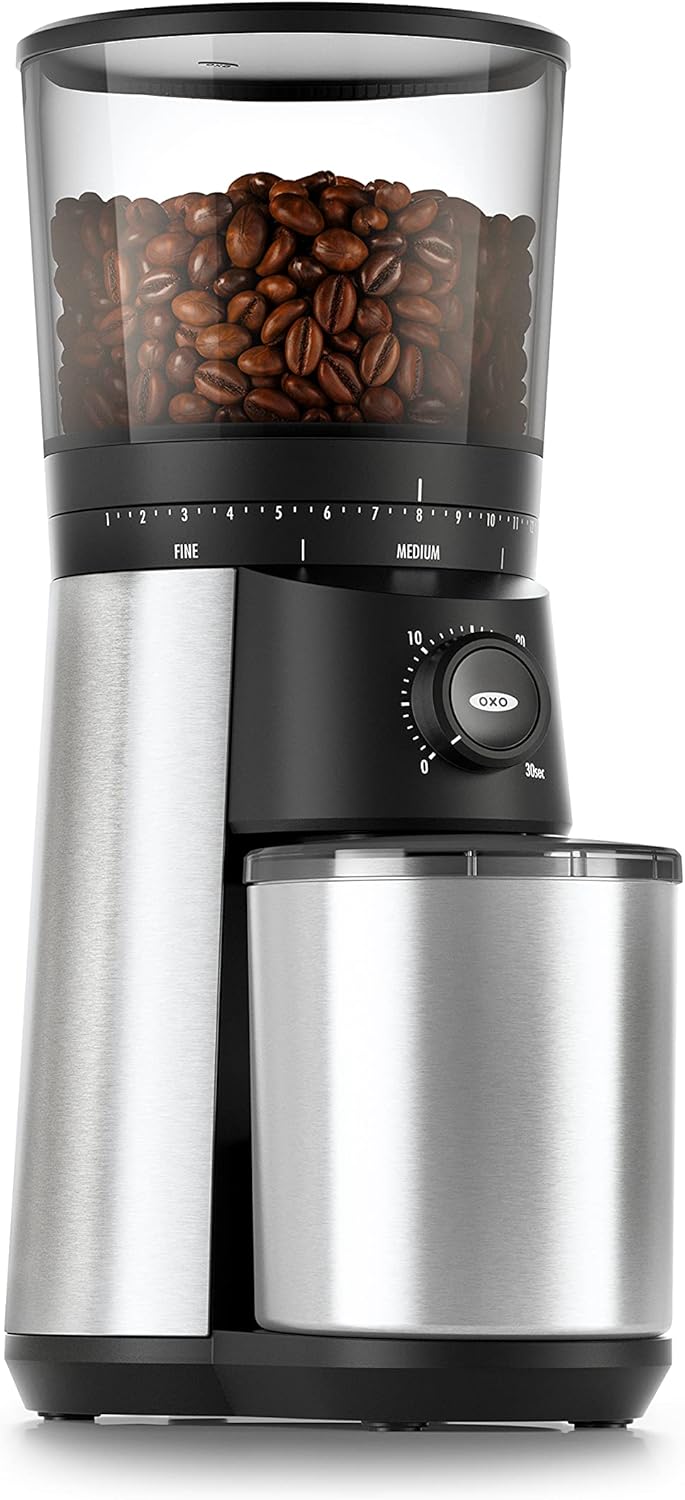
Grinder type matters almost as much as setting. Blade grinders chop unevenly. You get a mix of coarse chunks and fine dust in the same batch, which means part of your brew over-extracts while another part under-extracts. A burr grinder crushes beans between two abrasive surfaces at a controlled gap, producing consistent particle size. The difference in cup quality between a $20 blade grinder and a $150 burr grinder is bigger than the difference between cheap and expensive beans, and the best coffee grinder for French press is the single highest-leverage upgrade you can make. If you’re stuck with a blade grinder, pulse it in short bursts and shake the chamber between pulses to spread the unevenness around.
The Step-by-Step Brew
Step 1: Heat Water to 200°F
Boiling water is 212°F at sea level, which is too hot. It scorches the grounds, pulls out bitter compounds, and gives the brew a burnt edge. The target is 200°F, which is roughly 30 seconds off the boil with the kettle lid open. If you have a temperature-controlled kettle, use it. Otherwise, boil and wait. While the water rests, rinse the empty French press with hot tap water to preheat the carafe so it doesn’t steal heat from your brew.
Step 2: Add Coffee at 1:15 Ratio
Weigh your coffee and water. Eyeballing scoops is the second most common reason home brews taste off, after grind size. The reliable ratio is 1:15 by weight, which means 30 grams of coffee for 450 grams of water (a standard 32oz press at the typical 80-percent fill). For a smaller 17oz press, scale to 18 grams coffee and 270 grams water. Drop the grounds into the empty preheated carafe and give the press a gentle shake to level them out.
Step 3: Bloom 30 Seconds
Pour just enough water to saturate the grounds, roughly twice their weight, so 60 grams of water for 30 grams of coffee. Set a timer for 30 seconds. You’ll see the surface puff up and release CO2 trapped in the beans from roasting. This is the bloom, and skipping it leaves trapped gas in your grounds that blocks water from reaching parts of the coffee, which means uneven extraction. Stir the bloom gently with a spoon to break up any dry clumps.
Step 4: Steep 4 Minutes
Pour the rest of the water in a steady stream until you hit your target weight. The grounds will rise to the surface and form a crust. Place the plunger lid on top with the plunger pulled all the way up. This traps heat and slows convection without pressing the grounds. Start the timer for four minutes. At the three-minute mark, gently break the crust with a spoon and skim off any foam and floating grounds that don’t sink. This step is optional but produces a cleaner cup.
Step 5: Slow Press and Decant
Push the plunger down slowly. Aim for a steady 20-second descent rather than a single firm push. Fast pressing forces fine particles through the mesh and into your cup, and it can also shoot hot water out the spout. Once the plunger reaches the bottom, immediately pour all the coffee into a separate carafe, mug, or thermos. Leaving the brew sitting on the grounds means continued extraction, which turns even a perfect four-minute steep into a bitter ten-minute steep by the time you finish your first cup.
Adjusting for Stronger or Weaker Coffee
The 1:15 ratio is a starting point, not a law. If you want a stronger cup when you use a French press, move toward 1:13 (about 35 grams coffee per 450 grams water). For weaker, try 1:17. Changing the ratio shifts strength without changing the extraction balance, which is usually what people actually want when they say “make it stronger.” Cranking the steep time up to six minutes doesn’t make coffee stronger so much as more bitter, because you’re extracting more of the unwanted late-stage compounds rather than more of the good ones.
If your cup tastes weak and watery at the standard ratio, the fix is almost never longer steeping. Check that your grind is genuinely coarse and not just labeled coarse on a grinder that’s badly calibrated. Try going one click finer, not two, and keep the time at four minutes. If your cup tastes harsh and bitter, go one click coarser before touching anything else.
Decanting matters more than most guides admit. Coffee that sits on the grounds keeps extracting, and the curve goes from balanced to bitter inside two minutes. If you can’t pour everything immediately, transfer the brew to a thermos or a clean carafe right after pressing. A French press is a brewing vessel, not a serving vessel. Treat it as something you empty within 60 seconds of pressing and your cup quality jumps without changing a single other variable.
Common Mistakes
Grinding too fine. Drip-grind coffee from the grocery store is the wrong tool for this job. Fine grounds over-extract during a four-minute immersion steep, slip through the mesh as sludge, and keep extracting in your cup. The cup tastes bitter, astringent, and muddy. If your grinder won’t go coarse enough, that’s your sign to upgrade. No timing or temperature trick rescues a too-fine grind.
Water too hot. Pouring straight off the boil at 212°F scorches the coffee and pulls bitter compounds early. You’ll notice it as a burnt, ashy aftertaste that lingers even with good beans. Wait 30 to 45 seconds after the kettle clicks off, or use a thermometer to hit 200°F. The window from 195°F to 205°F is forgiving, but above 205°F you’re cooking the brew rather than steeping it.
Leaving coffee in the press after brewing. Even with the plunger pressed all the way down, the brew is still in contact with grounds and micro-fines that continue extracting. A cup poured five minutes after pressing tastes noticeably more bitter than the first one. Decant the entire batch into a separate vessel right after the press. This single change fixes more “my French press tastes off” complaints than any other adjustment.
Pressing too fast. Slamming the plunger down agitates the grounds, forces fines through the filter gaps, and can blow hot brew up around the lid. A slow, even press over 15 to 20 seconds keeps fines settled and gives you a cleaner cup. If you feel real resistance, your grind is too fine; back off and let the plunger rest for a few seconds rather than forcing it.
Using stale beans or pre-ground coffee. Coffee oxidizes fast once it’s been ground. Pre-ground coffee that’s been on a shelf for weeks has lost most of its aromatic compounds, so the cup tastes flat and stale no matter how perfect your technique. Buy whole beans roasted within the last three weeks and grind right before brewing. The smell of fresh grounds vs. stale ones is so obvious you’ll wonder how you missed it.
Related Questions
Why does my French press coffee taste bitter?
Most often it’s grind size or time. Too-fine grounds over-extract during the four-minute steep, which drags out bitter tannins. Coarsen the grind a click or two before changing anything else. The next likely cause is water temperature above 205°F, which scorches the coffee. If both are right, check that you’re decanting immediately after pressing rather than leaving the brew sitting on the grounds.
What grind size should I use?
Coarse, like sea salt or breadcrumbs. Distinct chunks you can see, not a powdery texture. A burr grinder on a coarse setting nails this consistently; blade grinders give uneven particle size that’s hard to dial in. If you’re buying pre-ground, look for bags specifically labeled “coarse” or “French press” rather than the default drip grind.
How long can coffee sit in a French press?
About 60 seconds after pressing before quality drops noticeably. The plunger doesn’t seal off the grounds from the brew, so extraction continues even after you’ve pushed down. By minute five post-press, the cup is meaningfully more bitter. Decant everything into a separate carafe or thermos right after pressing.
Can I use a French press for cold brew?
Yes, you can use a French press for cold brew, and it works well. Use a coarser grind than for hot brew (think gravel), a stronger ratio of about 1:8 coffee-to-water, and steep in the fridge for 12 to 18 hours instead of four minutes. Press slowly and decant. The result is a concentrate you can dilute with water or milk over ice.
How much coffee for a 32oz press?
30 grams of coffee for 450 grams of water, which is the standard 80-percent fill for a 32oz press. That’s roughly six tablespoons by volume, though weighing is more reliable. Scale proportionally for smaller presses: 18 grams coffee for a 17oz press, 12 grams for a 12oz.
Related buying guides: best coffee maker with grinder, best grind and brew coffee maker and best cold brew coffee maker.
Recommended Tools
To use a French press the way this guide describes, you need three pieces of gear. A well-built French press, a burr grinder, and a kettle that holds 200°F water are the three things that matter, in that order of impact. The press itself needs a tight-fitting mesh and double-wall insulation if you brew slowly. The grinder is the highest-leverage purchase because it controls particle consistency, which controls extraction. Skip the bundled accessories and put your money into these three categories.





Write Your Review
No reviews yet. Be the first to share your experience!