

TL;DR — How to clean a bench scraper is mostly about method: use the right touch, avoid shortcuts that damage the tool, and build the habit into normal kitchen cleanup. When this turns into a purchase decision, compare best baking sheets, best kitchen scale, and best dutch oven for bread baking before narrowing your shortlist.
The HomeWhisk approach is research-first: compare construction, usability, cleaning, and long-term complaints before recommending a direction. For baking tools, sizing, material, accuracy, cleaning, and storage usually decide whether a tool stays useful or gets replaced.
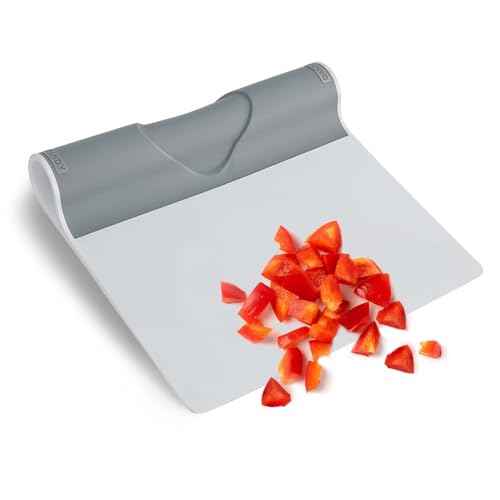
Cleaning a Bench Scraper: The Essentials
Cleaning a bench scraper well is mostly about matching the method to the material and doing it before residue sets. The goal is to lift food and oils without stripping a finish or dulling a surface. Skip the dishwasher when the material calls for it, and never let finishes that scratch off start from lazy rinsing.
Step By Step
1. Let the bench scraper cool to a safe temperature before washing. 2. Loosen residue with warm water and the gentlest tool that works. 3. Wash with a mild detergent unless the material forbids it, then rinse fully. 4. Dry immediately and completely — trapped moisture is what causes batter that sticks.
Before You Start
Match the method to the baking tool in front of you. Clean a bench scraper is not hard, but the details matter — the wrong approach to lining with parchment can shorten the life of otherwise good baking gear. For product picks, compare best baking sheets, best kitchen scale, and best dutch oven for bread baking.
What You Will Need
Keep it simple: the baking tool itself, a clean workspace, and any basic supplies the material calls for. Set up before you start so you are not improvising mid-task.
Keeping It That Way
Maintenance beats repair. Fold storing flat to prevent bending, avoiding thermal shock, and hand-washing to protect the finish into your routine and the baking tool will stay reliable for years. Neglect any one of them and you invite warping in a hot oven back.
How To Know You Did It Right
The result should be practical and repeatable: the baking tool should work cleanly, feel controlled, and show no signs of finishes that scratch off. If the same issue returns quickly, the cause is usually a missed care step — not the tool itself.
Related Product Guides
If this topic is part of a buying decision, these are the HomeWhisk guides most closely tied to it:
- best baking sheets
- best kitchen scale
- best dutch oven for bread baking
- best mixing bowls
- best cutting board
- best food storage containers
Frequently Asked Questions
What is the right way to clean a bench scraper?
Cleaning a bench scraper well is mostly about matching the method to the material and doing it before residue sets. Do it consistently and you avoid rust on bare steel.
What should I avoid?
Avoid buying by brand alone, ignoring hand-washing to protect the finish, and oversizing for your space. Each invites finishes that scratch off down the line.
What is the bottom line?
Match the baking tool to your real habits: buy for durability if it is daily, for value and storage if it is occasional.
What gear pairs well with it?
Start with a reliable core piece, then add as needs appear. Compare best baking sheets, best kitchen scale, and best dutch oven for bread baking for related choices.
Who is this most useful for?
Mainly beginners baking their first loaves, and anyone scaling recipes by weight. If that is you, treat material and gauge as a requirement rather than a nice-to-have.
The Bottom Line
For most home cooks, the best choice is the one that removes friction without adding maintenance you will ignore. Start with your use case, then cross-check best baking sheets, best kitchen scale, and best dutch oven for bread baking.



Write Your Review
No reviews yet. Be the first to share your experience!