

TL;DR — Sharpen a pocket knife with a whetstone, a pocket sharpener, or a guided system: hold the blade at 20-25° per side, work from coarse to fine grit, alternate sides until you raise a burr, then finish and strop. For folding knives, keep the pivot clean and be careful of the lock. A pocket sharpener is the easy field option; a whetstone gives the best edge. The HomeWhisk team compiled this from sharpening technique and aggregated feedback. For tools, see our best knife sharpener guide.
The HomeWhisk editorial team researches equipment by analyzing manufacturer specifications, sharpening technique, and aggregated user reviews from major retailers and enthusiast communities. This guide reflects established sharpening principles, not personal testing.
A dull pocket knife is frustrating and unsafe (it slips), and keeping it sharp is a basic skill for any EDC or outdoor knife owner. Here’s how to sharpen one, at home or in the field. For tools, see our best knife sharpener guide.
Sharpening Tools for Pocket Knives
Pocket knives can be sharpened several ways, each suiting different situations. Here are the options.
Whetstone (sharpening stone): the traditional method giving the best, most controlled edge. You hold the blade at a set angle and grind it across the stone (coarse to fine grit). Best results, but takes skill and isn’t portable. Ideal for sharpening at home. See our whetstone guide.
Pocket/pull-through sharpeners: small, portable sharpeners (some keychain-sized) with carbide and/or ceramic slots or rods. You pull the blade through or draw it across. Quick, easy, and packable — great for field touch-ups on a camping or EDC knife, though they remove more metal and give a less refined edge than a whetstone.
Guided sharpening systems: clamp the blade and guide the stone/rod at a fixed angle, giving whetstone-quality results with beginner-friendly angle control. Excellent for consistent results without freehand skill. Bulkier and pricier.
Sharpening rods (ceramic/diamond): rods you draw the blade against at an angle, good for touch-ups and maintaining an edge.
Electric sharpeners: fast and easy but aggressive (remove lots of metal) — usable for pocket knives but generally overkill and hard on the blade over time.
Which to use:
- At home, best edge: whetstone or guided system.
- In the field / quick touch-up: a portable pocket/pull-through sharpener or rod.
- Beginner wanting easy consistency: guided system or pull-through.
Many pocket-knife owners keep a whetstone or guided system at home and a compact pocket sharpener in their pack. Our best knife sharpener guide covers the range.
Step-by-Step: Sharpening on a Stone
Here’s the core method using a whetstone, which produces the best edge. The principles apply to guided systems too.
1. Prepare the stone. Soak a water stone (5-10 min) or wet a splash-and-go stone; place it on a non-slip surface for stability.
2. Set the angle. Pocket and outdoor knives typically use 20-25° per side — a bit wider than kitchen knives for a more durable edge that survives tough tasks. Match the knife’s existing edge if you can. (See our knife-angle guide.)
3. Sharpen the first side.
- Place the blade on the stone at your angle, edge leading.
- Push the blade across the stone edge-first, sweeping heel to tip so the whole edge (including any belly and curve toward the tip) contacts the stone. Follow the curve as you reach the tip.
- Use moderate, consistent pressure. Do several strokes.
4. Feel for a burr. After several strokes, carefully feel the opposite side of the edge (finger moving from spine to edge, never along it) for a slight rough ridge — the burr. It means that side is sharpened.
5. Flip and repeat on the other side, same angle, until you raise a burr.
6. Progress grits. Start coarse only if the edge is dull or damaged, then move to medium and fine to refine. For a routine touch-up, medium and fine are enough.
7. Remove the burr and strop. Finish with light alternating strokes on the fine grit, then strop on leather (or the edge of a cardboard/denim) to polish and remove the burr.
Test: the knife should slice paper cleanly or shave hair. Wipe the blade clean.
With a pull-through pocket sharpener: simply draw the blade through the coarse slot a few times, then the fine slot, using smooth even pulls from heel to tip — much faster, less refined, ideal in the field.
Folding-Knife Specifics and Maintenance
Pocket knives are usually folders, which adds a few considerations beyond the sharpening itself.
Mind the lock and pivot: when sharpening a folding knife, make sure the blade is fully locked open so it can’t fold on your fingers. Keep fingers clear of the edge and the closing path.
Clean the pivot: grit, lint, and debris collect in a pocket knife’s pivot and slow the action. Periodically clean the pivot (a brush, compressed air, or a drop of solvent) and add a tiny drop of lubricant to keep it opening smoothly. This maintenance matters as much as sharpening for a folder.
Watch the blade shape: many pocket knives have a pronounced curved belly and pointed tip — follow the curve as you sharpen so you sharpen the entire edge, including the tip, evenly. Lift the handle slightly as you reach the tip to keep the angle.
Corrosion care: pocket knives (especially carbon steel) can rust from pocket moisture and sweat — wipe the blade dry, and oil carbon-steel blades occasionally. Stainless is more forgiving. See our knife-steel guide.
Hone/touch up regularly: a quick touch-up keeps the edge keen; don’t wait until it’s very dull. A ceramic rod or a few strokes on a fine stone maintains the edge between full sharpenings.
Sharpness = safety: a sharp pocket knife is safer than a dull one — it cuts predictably with less force, so it’s less likely to slip. Keep it sharp for both performance and safety.
With the right tool and a consistent angle, a pocket knife is easy to keep sharp. Keep a whetstone or guided system at home and a compact sharpener in your pack. Our best knife sharpener and best everyday carry knife guides cover tools and knives.
Frequently Asked Questions
How do you sharpen a pocket knife?
Use a whetstone, guided system, or pocket sharpener. On a stone: wet it, hold the blade at 20-25° per side, and push it across edge-first from heel to tip, following the blade’s curve, alternating sides until you raise a burr, then progress from coarse to fine grit and strop to finish. With a pull-through pocket sharpener, just draw the blade through the coarse then fine slots in smooth pulls. Keep the angle consistent, and for folders ensure the blade is locked open.
What angle should I sharpen a pocket knife at?
About 20-25° per side — slightly wider than kitchen knives (15-20°) because pocket and outdoor knives need a more durable edge to survive tougher tasks like cutting cord, cardboard, and rough materials. Match the knife’s existing edge angle when possible. A wider angle sacrifices some keenness for toughness, which suits the hard, varied use pocket knives see. As always, holding the angle consistently through each stroke matters more than hitting the exact degree.
What’s the easiest way to sharpen a pocket knife?
A pull-through pocket sharpener or a guided sharpening system. Pull-through sharpeners (some keychain-sized) have preset slots — you just draw the blade through the coarse then fine slots, quick and packable for field use, though the edge is less refined. Guided systems clamp the blade and hold a fixed angle for whetstone-quality results without freehand skill. Both are more beginner-friendly than freehand whetstone work. For the easiest field touch-up, carry a compact pocket sharpener; for easy home results, use a guided system.
Can I use a whetstone on a pocket knife?
Yes — a whetstone gives the best, most refined edge on a pocket knife. Wet the stone, hold the blade at 20-25° per side, and sharpen edge-first from heel to tip, following the blade’s curve to the tip, alternating sides until you raise a burr, then refine through finer grits and strop. It takes more skill than a pull-through sharpener but produces a superior edge. Many owners use a whetstone at home and carry a compact pocket sharpener for touch-ups in the field.
How often should I sharpen my pocket knife?
Sharpen when it gets dull — when it struggles to slice paper cleanly, snags, or needs extra force — rather than on a fixed schedule. Frequency depends on use: heavy daily cutting dulls it faster than occasional use. Do quick touch-ups (a few strokes on a fine stone or ceramic rod) regularly to maintain the edge, and full sharpening less often. Don’t wait until it’s very dull, since a sharp knife is safer and easier to sharpen than a badly dulled one. Also keep the pivot clean.
Why is my pocket knife blade stiff or gritty to open?
Usually debris in the pivot. Pocket knives collect lint, grit, and dust in the pivot from riding in a pocket, which slows and roughens the action. Clean the pivot with a brush, compressed air, or a little solvent, then add a tiny drop of lubricant and work the blade open and closed to distribute it. This restores smooth action. Regular pivot cleaning and light lubrication are key maintenance for a folding pocket knife, alongside keeping the blade sharp and dry.
Related buying guides: best chef knife, best knife block set and best japanese knife.
The Bottom Line
Sharpening a pocket knife uses the same principles as any knife: hold a consistent angle (20-25° per side for durability), work edge-first from coarse to fine grit, alternate sides until you raise a burr, then finish and strop. A whetstone or guided system gives the best edge at home, while a compact pull-through pocket sharpener is the quick, packable option for field touch-ups. For folding knives, sharpen with the blade locked open, keep the pivot clean and lightly lubricated, and follow the blade’s curve to the tip. Keep it sharp for both performance and safety. See our best knife sharpener and best everyday carry knife guides.
Pros & Cons
Pros
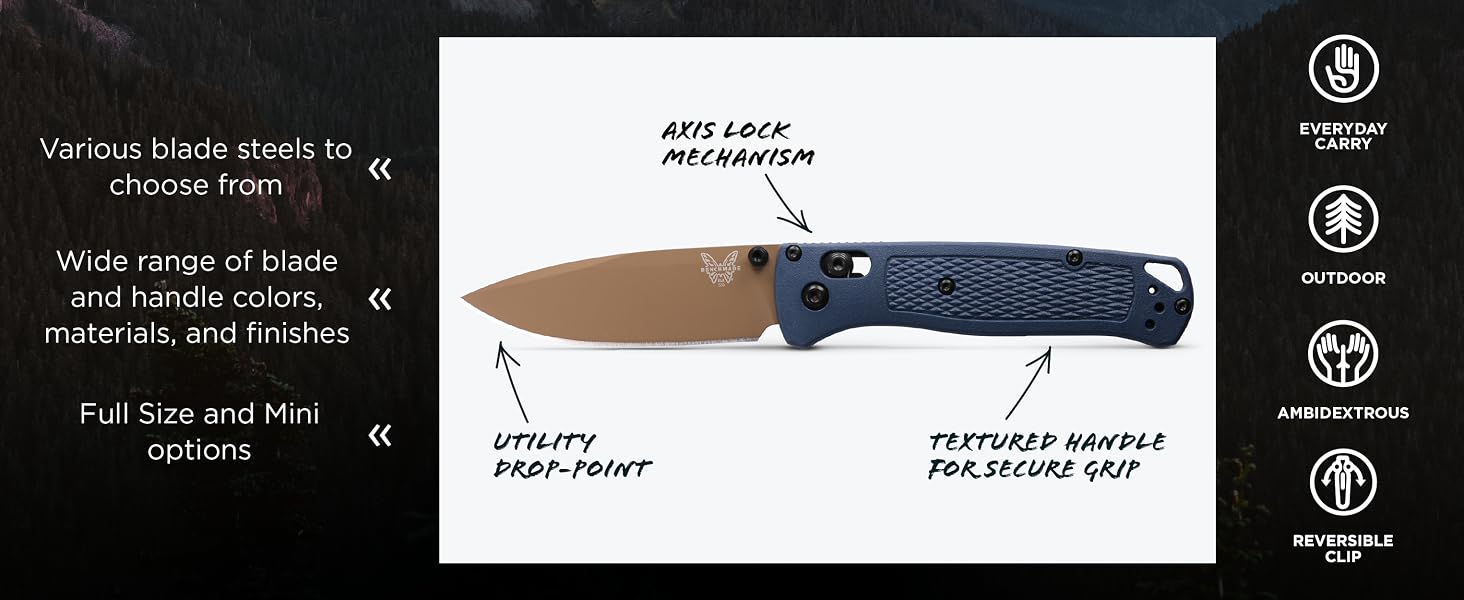
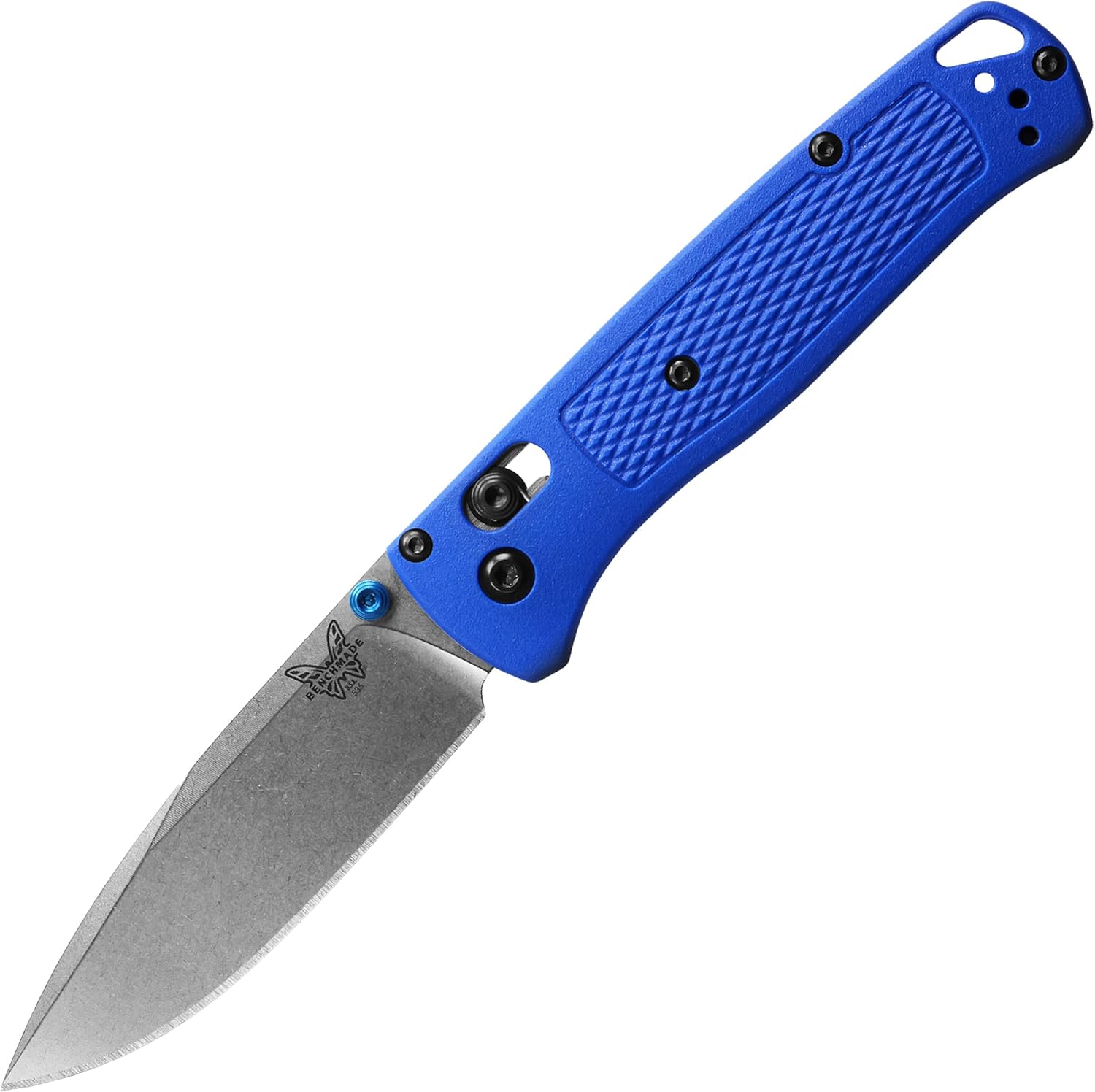
- CPM-S30V steel resists corrosion from acidic foods and salt water, staying sharp longer than standard stainless blades.
- AXIS locking mechanism engages smoothly and holds the blade rock-solid during cutting without play or wobble.
- Reversible clip and lanyard hole let you carry it in your pocket, on your belt, or clipped to a pack strap.
Cons
- At $194, it costs significantly more than basic kitchen knives, making it an investment rather than an impulse purchase.
- Slim profile and lightweight design mean less heft than traditional chef's knives, which some cooks prefer for chopping.
Details
The Benchmade Bugout is a lightweight folding knife engineered for precision cutting in kitchens, campsites, and everyday carry. It solves the problem of needing a sharp, reliable blade that won’t fatigue your hand during extended prep work.
CPM-S30V stainless steel delivers exceptional edge retention and corrosion resistance, staying sharp through repetitive slicing tasks. The precision drop-point blade handles both fine herb work and tougher vegetable prep with equal control.
At under 2 ounces with a fully ambidextrous Grivory handle, the Bugout feels effortless in hand and works equally well for left or right-handed users. The textured grip stays secure even when wet.
The slim profile means it lacks the weight and heft of traditional chef’s knives, which some cooks prefer for heavy chopping work.
Best for home cooks and outdoor enthusiasts who value precision, portability, and a blade that stays sharp without constant maintenance.
Care Guide
Rinse the blade under warm water immediately after use, especially after contact with acidic foods or salt. Dry thoroughly with a soft cloth to prevent water spots on the CPM-S30V steel.
Wipe the handle and lock mechanism dry to prevent moisture buildup. Apply a light coat of food-grade mineral oil to the blade monthly to maintain corrosion resistance.
When the edge dulls noticeably, use Benchmade’s free LifeSharp service to return the blade to factory sharpness. Never use a honing steel on the drop-point blade; rely on professional re-sharpening for best results.

Pros & Cons
Pros
- VG-10 blade steel maintains sharpness exceptionally well through frequent use on proteins, vegetables, and herbs.
- Compression lock is rock-solid and never fails mid-cut, giving complete confidence during detailed kitchen work.
- Ergonomic contoured handle fits naturally in the palm, reducing strain during long prep sessions.
Cons
- Requires hand washing only; dishwasher use will degrade the blade edge and handle finish over time.
- At this price point, some home cooks may prefer a fixed-blade kitchen knife for everyday use instead.
Details
The Para-Military 2 is a premium folding knife engineered for serious food prep, butchering, and detailed kitchen work where a fixed blade isn’t practical.
The VG-10 stainless steel blade stays sharp through hundreds of cuts and resists corrosion from acidic foods and moisture. The compression lock mechanism never fails mid-slice, giving you complete control during repetitive tasks.
At 3.8 ounces with a 3.4-inch blade, it balances precision with enough reach for larger cuts. The contoured handle fits both left and right hands naturally.
Hand washing only; dishwasher use dulls the blade and damages the finish.
Best for serious home cooks and butchers who want a folding knife that performs like a fixed blade.
Care Guide
Rinse the blade under warm water immediately after use to prevent food residue from drying on the steel. Hand wash gently with mild soap and dry with a soft cloth.
Store the knife in a dry place. The VG-10 steel resists rust, but moisture left on the blade overnight can cause spotting over time.
Sharpen every 3-4 months depending on use frequency. A ceramic rod or professional sharpening service restores the edge quickly. Never use a dishwasher, as high heat and harsh detergent degrade both blade and handle.

Pros & Cons
Pros
- Holds a strong 4.7-star rating, reflecting consistent satisfaction from buyers who use it regularly.
- Practical design focuses on solving a specific kitchen problem rather than adding unnecessary features.
- Durable construction suggests it can withstand the wear of everyday kitchen use over time.
Cons
- Limited product detail makes it difficult to verify exact material specs or size before purchasing.
- No brand information available, which may concern buyers who prioritize warranty support or brand reputation.
Details
This kitchen accessory addresses a common prep or cooking challenge, giving home cooks a straightforward tool that fits into existing workflows without requiring extra equipment.
Its standout feature is practical usability: designed to perform its core function consistently without requiring special technique or maintenance routines.
Build quality appears suited for regular kitchen use based on buyer feedback, though exact dimensions and materials are not confirmed in available product data.
Buyers should note that without detailed specifications, confirming fit for specific kitchen setups or compatibility with other tools may require checking the product listing directly.
Best for home cooks who want a reliable, everyday kitchen tool without overcomplicating their setup.
Best Uses
It fits naturally into daily cooking routines where speed and simplicity matter more than specialized technique, making it a practical pick for weeknight meal prep.
Buyers who already own a well-stocked kitchen will find it fills a specific gap rather than duplicating tools they already have.
About These Recommendations
The technique above is the point of this guide; the products are here because they help. We have not tested them ourselves — we did not buy or use this gear. The recommendations come from comparing specifications and materials against the patterns in verified owner reviews, so treat them as a shortlist worth researching rather than a verdict from our own kitchen.
Availability and prices change often, so check the current listing before buying. We earn a commission on purchases made through links on this page, which never affects what we recommend.


Write Your Review
No reviews yet. Be the first to share your experience!