

TL;DR — When people ask about wirecutter hand mixer, they are usually trying to make a buying or care decision without wasting money. This guide keeps the focus on what changes day-to-day use. When this turns into a purchase decision, compare best air fryer, best blender, and best instant pot before narrowing your shortlist.
The HomeWhisk approach is research-first: compare construction, usability, cleaning, and long-term complaints before recommending a direction. For appliance topics, we pay close attention to capacity, controls, cleanup, storage, reliability complaints, and whether the machine saves enough effort to justify the space.

Save $9.75
Pros & Cons
Pros
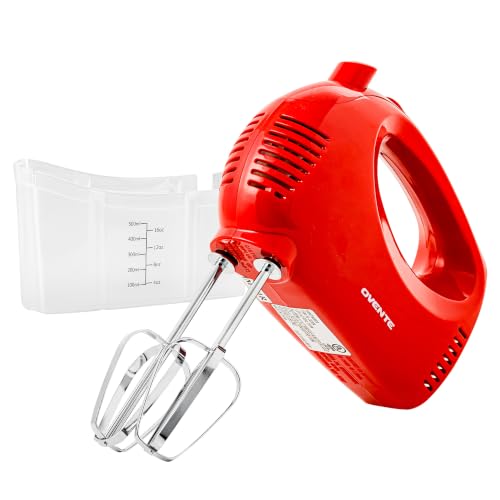
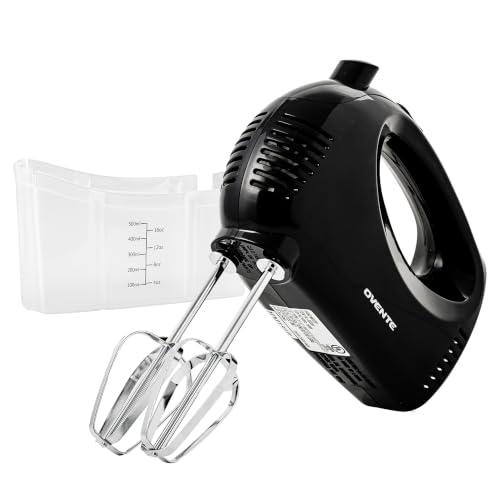
- Storage case actually works and snaps securely onto the mixer body, solving the common problem of misplaced beaters.
- Bowl Rest feature stops the mixer from tipping into the bowl or dripping onto counters when you pause.
- Six speed settings cover the full range from folding ingredients to whipping stiff peaks without splatter.
Cons
- The 250-watt motor struggles with very thick dough like bagels or dense bread, requiring a more powerful model for heavy mixing.
- The cord is not retractable, so you need to wrap it manually before snapping on the storage case.
Details
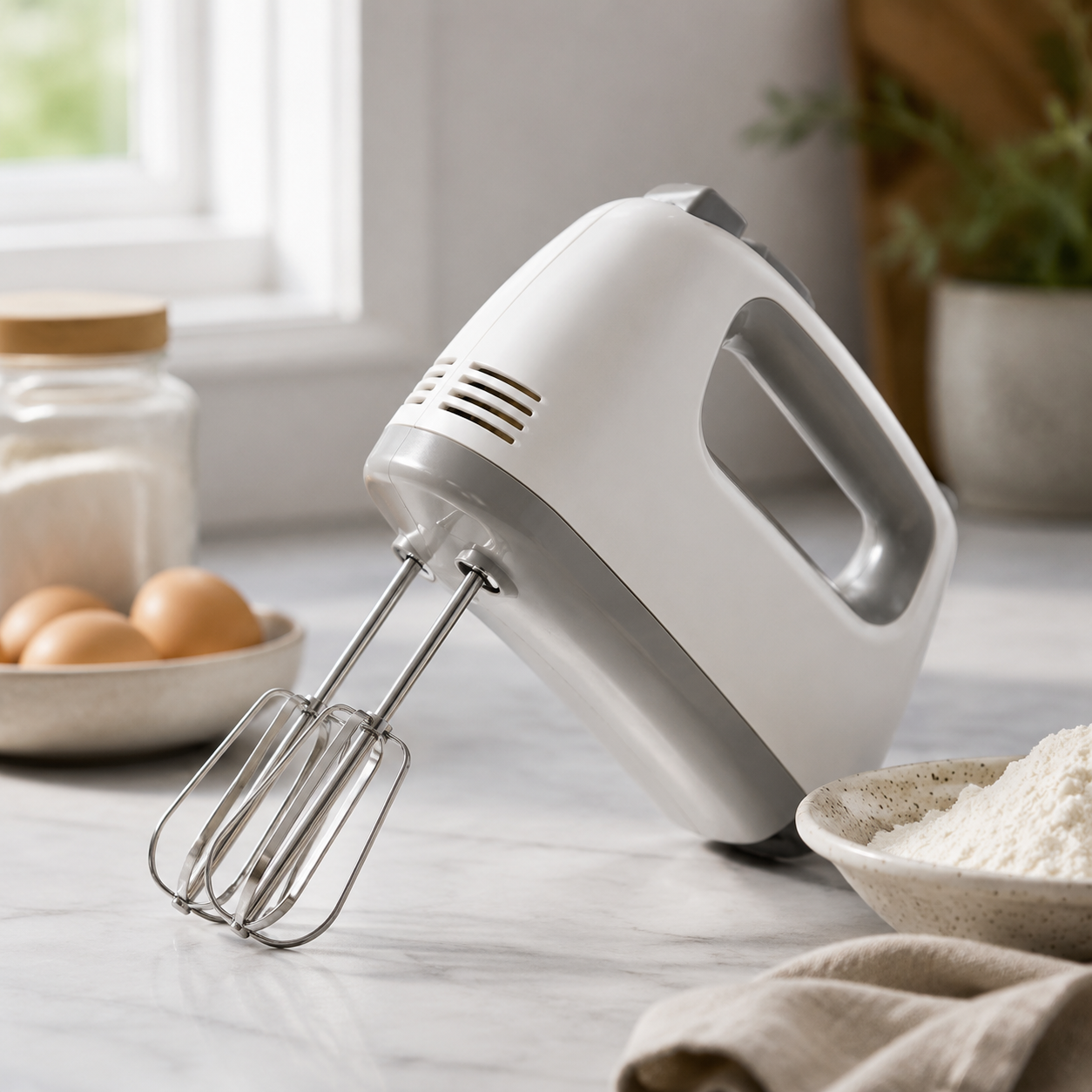
This is a corded electric hand mixer designed to replace whisking and stirring by hand for everyday baking and dessert prep.
The 250-watt motor delivers enough torque for standard recipes like brownies, cupcakes, mashed potatoes, and whipped cream. The QuickBurst button adds an instant power surge at any of the six speeds when you hit thick spots in batter or need faster whipping.
The mixer weighs just over two pounds with a molded plastic body in white. The snap-on storage case is hard plastic that clicks onto the mixer handle and holds two chrome-plated beaters, one whisk, and the wrapped power cord.
The motor will slow down or stall in very dense dough like pizza crust or homemade pasta, which require a stand mixer or higher-wattage hand model.
Best for home bakers who make cakes, cookies, and frostings regularly and need organized storage that fits in a cabinet or drawer.
How to Use
Attach the beaters or whisk by pushing them into the slots on the mixer bottom until they click. Start on speed 1 with beaters submerged in your ingredients to prevent splatter, then increase speed as the mixture thickens.
Use the Bowl Rest by hooking the mixer head over the bowl edge when you need to add flour, eggs, or other ingredients. The rubber foot stabilizes the mixer and points beaters down into the bowl so drips stay contained.
Press the speed dial inward after mixing to eject the attachments without touching them. Rinse beaters and whisk immediately or place them in the dishwasher, then snap the storage case onto the mixer body once everything is dry.


Why It Matters
You feel motor or heating-element power, capacity and footprint, and cleaning access in the results far more than the price tag suggests. That is why two appliances that look alike can feel completely different in use — one saves time, the other quietly adds friction to every task. If you are shopping, our best air fryer and best blender guides are the fastest way in.
What To Look For
Hold a appliance to a short checklist: fit, control, cleanup, and durability. Those are the variables that decide whether it earns a spot in your kitchen or ends up unused. Ignore cosmetic upgrades until the fundamentals check out.
Common Misconceptions
The biggest myth is that the most expensive appliance is automatically the best for you. In reality, the right choice depends on noise level, and digital versus dial controls — plus your own habits. Another trap is buying by brand alone — the same maker sells both excellent and forgettable lines.
How To Get It Right
Think through the whole workflow: checking the seals and gaskets, letting the motor rest between heavy loads, and descaling water-based units. A appliance that fits your routine and cleanup habits beats a technically superior one you fight with. We cover specific models in best air fryer, best blender, and best instant pot.
When It Is Worth Paying More
Spending up pays off when you use the appliance often enough to notice better less frustration during prep every week. If it only comes out occasionally, a mid-range pick is the smarter call. Match the money to frequency of use, not marketing.
Who Benefits Most
This matters most for busy weeknight cooks, and small-kitchen owners. If that is you, treat speed under load, and preset controls as non-negotiable. Casual users can relax the requirements and prioritize price and storage instead.
Related Product Guides
If this topic is part of a buying decision, these are the HomeWhisk guides most closely tied to it:
Frequently Asked Questions
How do I keep it in good shape?
Build cleaning removable parts by hand, and letting the motor rest between heavy loads into normal cleanup. Light, consistent care prevents uneven cooking or heating far better than occasional deep effort.
What gear pairs well with it?
Start with a reliable core piece, then add as needs appear. Compare best air fryer, best blender, and best instant pot for related choices.
Who is this most useful for?
Mainly busy weeknight cooks, and families cooking in volume. If that is you, treat digital versus dial controls as a requirement rather than a nice-to-have.
What matters most for wirecutter hand mixer?
Focus on cleaning access, preset controls, and capacity and footprint first. Those decide real performance; the rest is secondary. Compare best air fryer and best blender for options that get the basics right.
What is the bottom line?
Match the appliance to your real habits: buy for durability if it is daily, for value and storage if it is occasional.
The Bottom Line
For most home cooks, the best choice is the one that removes friction without adding maintenance you will ignore. Start with your use case, then cross-check best air fryer, best blender, and best instant pot.





Write Your Review
No reviews yet. Be the first to share your experience!