

TL;DR — Your espresso machine is rusting because iron-bearing metal is sitting in contact with water and oxygen, usually in a drip tray, portafilter, boiler, or group head that never fully dries. The usual culprits are standing water, hard or chlorinated tap water that pits stainless steel, worn chrome plating that exposes the brass or steel underneath, and leftover cleaning chemicals. Most surface rust wipes off and is preventable by emptying, drying, and using filtered (not distilled) water. Internal boiler rust is more serious. For gear that pairs with your machine, see our best coffee grinder guide.
The HomeWhisk editorial team researches kitchen equipment by analyzing manufacturer specifications, material behavior, and aggregated user reviews from major retailers and coffee communities like Reddit r/espresso and r/coffee. What follows is based on how these metals actually corrode, not on brand marketing.
Rust on an espresso machine alarms people because it touches the water that goes into their cup. The good news is that most of what owners call “rust” is either harmless surface oxidation, mineral scale mistaken for rust, or a cosmetic plating problem, not a failing boiler. Understanding which one you have tells you whether to reach for a cloth or a repair technician. For picks across brew styles, see our best coffee maker with grinder and best coffee and espresso maker combo guides.
First, Is It Actually Rust?
Before you panic, identify what you are looking at, because three different problems look similar.
Rust is reddish-brown or orange, flakes or streaks, and only forms on iron-bearing metals (carbon steel, low-grade stainless, or chrome-plated steel). It stains and can spread.
Limescale is the most common false alarm. It is white, chalky, or sometimes greenish, and it builds up wherever hot water evaporates: the group head, boiler, and steam wand. Scale is mineral deposit from hard water, not corrosion, and it descales away with citric or a dedicated descaler.
Brass or copper oxidation shows up as green or blue-green crust (verdigris) around fittings and inside the boiler. That is the copper and brass reacting, not steel rusting, and small amounts are normal in the wet interior of any machine.
If the deposit is orange and magnetic-metal-adjacent, it is rust. If it is white and chalky, descale and stop worrying. Getting this right saves you from replacing parts that are fine.
Standing Water: The Number One Cause
Corrosion needs three things together: metal, water, and oxygen. Remove any one and rust stops. On an espresso machine, the easiest one to remove is standing water.
The drip tray is the classic offender. It collects spent water, sits full for days, and if it is chrome-plated steel rather than solid stainless, it rusts from the bottom up. The portafilter and basket are next: many baskets are stamped from thin steel that is not fully stainless, and leaving a wet puck in the portafilter overnight invites orange spotting. Inside the group head, water trapped against the shower screen and dispersion block does the same thing.
The fix is routine, not expensive. Empty and dry the drip tray daily. Knock out the puck, rinse the portafilter, and leave it out to air-dry rather than clamped in the warm group. Wipe the group head and steam wand after each session. A machine that dries out between uses simply does not have the standing water rust needs. This habit matters as much on a budget machine as on a premium one; see our best espresso machine under 200 guide for models where good maintenance stretches a modest build.
Your Water Is Doing the Damage
Water chemistry is the hidden driver behind most espresso machine corrosion, and it works in two opposite directions.
Hard, chlorinated tap water is aggressive toward stainless steel. Chloride ions (from chlorine treatment and from softened water that uses sodium chloride) attack the passive oxide layer that makes stainless steel “stainless,” causing tiny pinholes called pitting corrosion. Once pitting starts, it concentrates and spreads. This is why machines in hard-water regions show rust spots that identical machines elsewhere never develop.
Distilled and reverse-osmosis water is the opposite problem. Water that is too pure is “hungry” and leaches metals, and it can also confuse the machine’s fill sensors, but on the corrosion front, ultra-soft water is more aggressive toward brass and copper fittings than properly mineralized water.
The sweet spot is filtered water with moderate mineral content. A basic carbon filter removes the chlorine that drives chloride pitting, while leaving enough minerals to avoid the hungry-water problem. Many enthusiasts target roughly 50 to 100 parts per million of total dissolved solids. If you use bottled or remineralized water, avoid anything labeled “spring” and high in bicarbonate, which scales fast. Good water is the single biggest lever for stopping rust before it starts. If a built-in grinder-brewer is on your list, our best grind and brew coffee maker guide notes which handle filtration.
Worn Chrome Plating and Cheap Metal
Sometimes the rust is a materials problem baked into the machine.
Many portafilters, group heads, and decorative surfaces are chrome-plated brass. The brass core is corrosion-resistant, but the bright chrome is a thin electroplated layer. When it chips or wears through, usually from abrasive cleaning or tapping the portafilter hard on a knock box, the exposed base metal tarnishes and can look rusty even though brass does not truly rust. On lower-cost machines, plating is applied over steel rather than brass, and there the exposed steel genuinely rusts.
Baskets and screens are another weak point. Budget filter baskets are sometimes made from steel grades that are not fully corrosion-proof, so they develop orange freckles that no amount of drying prevents. Upgrading to a known stainless (304 or, better against chloride, 316) precision basket solves it permanently and improves extraction as a bonus.
The lesson for buyers: solid stainless and quality plating over brass resist corrosion far better than plating over cheap steel. It is worth checking construction before buying, the same way you would compare a best cold brew coffee maker on materials rather than looks.
Leftover Cleaning Chemicals and Boiler Rust
Two more causes deserve attention because they are easy to overlook.
Backflush detergent residue. Espresso machine cleaners are alkaline and effective, but if you backflush and do not rinse thoroughly, residue sits in the group and can corrode gaskets, screens, and metal over time. Always run several clean-water backflush cycles after using detergent, and never leave cleaning solution soaking in the portafilter longer than the label allows.
Internal boiler rust. This is the serious one. Most quality boilers are brass, copper, or stainless and resist rust for years, but some budget machines use plated or lower-grade steel boilers that corrode internally, especially if the machine sits unused with water inside for long periods. Signs include orange-tinted water on the first pull after storage, or rust flakes in the drip tray with no external source. Internal boiler corrosion is usually a repair or replace decision rather than a wipe-down, because you cannot reach it and you do not want rust particles in your water. If your machine is inexpensive and the boiler is rusting through, replacement often makes more sense than repair; compare current options in our best espresso machine under 200 and best coffee and espresso maker combo guides.
Saving a Rusty Machine (Including Lever Bases)
If the rust is surface-level, you can usually recover the part.
For chrome and stainless surfaces, a mild abrasive cream such as a barkeeper-style oxalic acid powder lifts orange staining without gouging. Work gently with a soft cloth, rinse completely, and dry. For heavier surface rust on trays and hardware, a citric acid soak (a few tablespoons per liter of warm water) dissolves rust and scale together; soak, scrub with a nylon brush, rinse, and dry fully.
Vintage lever machines raise a specific case: their heavy chrome-plated bases and drip trays sit in a wet environment and rust at the seams. Owners restoring them typically disassemble the base, treat surface rust with oxalic or citric acid, and, where plating has failed badly, either re-plate or convert to a stainless replacement tray. The key after any rust removal is to fix the cause, better drying and better water, or the rust simply returns.
Frequently Asked Questions
Is it safe to drink coffee from a machine with a little rust?
A small amount of surface rust on an external part like the drip tray is a cosmetic and hygiene issue, not an acute danger, but you should clean it off promptly. Rust that appears inside the water path, such as orange-tinted water or flakes coming through the group head, is different: you do not want to ingest corrosion particles or run water through a degrading boiler. Clean external rust, and investigate any rust in the water itself before brewing again.
How do I tell rust apart from limescale?
Color and location are the giveaways. Rust is orange or reddish-brown, streaks or flakes, and forms on iron-bearing metal. Limescale is white or chalky (sometimes greenish), and builds up where hot water evaporates, such as the boiler, group, and steam wand. Rust needs rust removers or acid; scale needs descaling. If a deposit wipes to a white powder, it is scale. If it stains orange and stays, it is rust.
Will filtered water stop my espresso machine from rusting?
It helps significantly, because filtering removes the chlorine that drives chloride pitting in stainless steel and reduces the minerals that cause scale. But filtration is not a cure-all: you still need to empty and dry standing water, because even pure water plus oxygen will corrode exposed steel over time. Aim for filtered water with moderate mineral content rather than distilled or reverse-osmosis water, which can be aggressive toward brass fittings.
Can I use vinegar to remove rust from my machine?
Vinegar can dissolve light rust and scale, but it is a weak, slow acid and its residue is hard to rinse fully from an espresso machine’s internals, where it can attack gaskets and seals. Citric acid or a purpose-made descaler is gentler on the machine and easier to flush out. For external rusty parts you can safely soak in vinegar, but always rinse thoroughly and dry, and never leave vinegar sitting in the boiler.
Why does my portafilter rust but the rest of the machine does not?
The portafilter and its basket take the most abuse: they sit wet with a spent puck, get tapped hard on knock boxes (wearing plating), and are often made from thinner or lower-grade steel than the machine body. That combination of trapped moisture and cheaper metal is ideal for rust. Drying the portafilter after each use and upgrading to a solid stainless precision basket usually eliminates the problem entirely.
Does leaving water in the tank cause rust?
Yes, indirectly. A full tank keeps the internal water path wet during long idle periods, and standing water plus oxygen corrodes any steel components, including lower-grade boilers and fittings. If you will not use the machine for a week or more, it is better to run the boiler dry per the manufacturer’s instructions, empty the tank, and let things dry out. For daily users, keeping the water fresh and filtered matters more than keeping the tank full.
The Bottom Line
Espresso machines rust for mechanical, chemical reasons, not because they are defective: metal plus standing water plus oxygen equals corrosion, accelerated by chloride-heavy tap water and cheap plating over steel. The fix is mostly free. Empty and dry the drip tray and portafilter, wipe the group and wand, run filtered water with moderate minerals, rinse cleaning chemicals fully, and never store the machine wet for weeks. Surface rust on trays and hardware cleans up with oxalic or citric acid, and upgrading to solid stainless baskets ends the portafilter problem. The only rust worth real worry is internal boiler corrosion, which usually means repair or replacement. If you are shopping, weigh build materials as heavily as features, and see our best coffee grinder, best coffee maker with grinder, and best espresso machine under 200 guides.
Independently published Espresso Recipe Book for Beginners: Barista-Tested, Step-by-Step Drinks with Clear Ratios, Simple Ingredients, and Practical Fixes That Work with Any Machine

Independently published
Espresso Recipe Book for Beginners: Barista-Tested, Step-by-Step Drinks with Clear Ratios, Simple Ingredients, and Practical Fixes That Work with Any Machine
$18.99 at AmazonEditors' Favorite
Dimensions: 8.5 x 0.24 x 11 inches Product Group: Book Binding: Paperback
Shop NowEspresso Machine Repair Made Simple: A Step-by-Step DIY Guide to Troubleshooting and Maintenance Without Calling a Technician

Espresso Machine Repair Made Simple: A Step-by-Step DIY Guide to Troubleshooting and Maintenance Without Calling a Technician
$4.99 at AmazonGreat Value
Formats: Kindle eBook Product Group: Digital Ebook Purchas Binding: Kindle Edition
Shop NowThe Best Espresso Machine: Take Look www.es7a.com What is The Best Espresso Machine for me?

The Best Espresso Machine: Take Look www.es7a.com What is The Best Espresso Machine for me?
$1.00 at AmazonFormats: Kindle eBook Product Group: Digital Ebook Purchas Binding: Kindle Edition
Shop NowLearn to repair Espresso coffee machines: Practical guide with essential knowledge
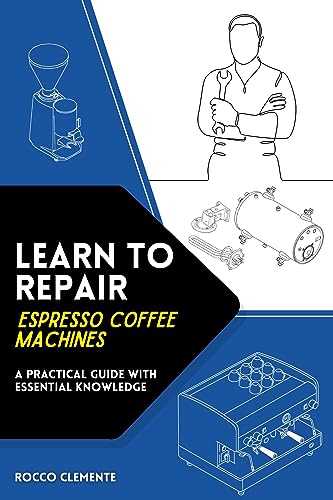
Learn to repair Espresso coffee machines: Practical guide with essential knowledge
$5.99 at AmazonFormats: Kindle eBook Product Group: Digital Ebook Purchas Binding: Kindle Edition
Shop NowIndependently published Casabrews CM5418 ESPRESSO MACHINE Cookbook for beginners: Master Café-Quality Espresso, Latte Art, and Coffee Hacks to Brew, Steam, and Create Like a Professional at Home

Independently published
Casabrews CM5418 ESPRESSO MACHINE Cookbook for beginners: Master Café-Quality Espresso, Latte Art, and Coffee Hacks to Brew, Steam, and Create Like a Professional at Home
$16.99 at AmazonDimensions: 8.5 x 0.41 x 11 inches Product Group: Book Binding: Paperback
Shop Now




Write Your Review
No reviews yet. Be the first to share your experience!