

TL;DR — When choosing an espresso machine, the features that actually matter are the boiler system (single boiler, heat exchanger, or dual boiler), whether it’s pump-driven at the crucial 9 bars of brew pressure, temperature stability (PID control), the portafilter size (a full 58mm is the semi-pro standard), and steam power for milk. Just as important: the machine is only half the setup — a quality burr grinder often matters more than the machine itself. Match the machine to how involved you want to be, from fully automatic to manual lever. For grinders and pairings, start with our best coffee grinder guide.
The HomeWhisk editorial team researches kitchen equipment by analyzing manufacturer specifications, brewing mechanics, and aggregated user reviews from major retailers and communities like Reddit r/espresso and r/Coffee. Espresso machines are one of the highest-stakes kitchen purchases because a bad match wastes both money and beans. This guide breaks down what the specs actually mean and which ones change your cup. For picks that pair with a machine, see our best coffee grinder and best espresso machine under 200 guides.
Machine Types: Manual, Semi-Automatic, Automatic, and Super-Automatic
The first fork in the road is how much of the process you want to control.
- Manual / lever machines use a physical lever to force water through the coffee. You control pressure and flow directly. They offer the most control and a beautiful ritual, but the steepest learning curve.
- Semi-automatic is the enthusiast default: an electric pump handles pressure, but you control grind, dose, tamp, and shot timing (start and stop). This is where most serious home espresso lives because it balances control with consistency.
- Automatic machines add programmed shot volumes — the machine stops the pour for you — but you still prep the puck.
- Super-automatic (bean-to-cup) machines grind, dose, tamp, brew, and often froth milk at the touch of a button. They trade control and peak quality for convenience and are ideal for households that want good espresso with no fuss.
There’s no single “best” type — it depends on whether you find the process rewarding or tedious. A super-automatic that gets used daily beats a manual lever that intimidates you into drip coffee. If you want the all-in-one convenience of grinding built in, our best coffee maker with grinder and best grind and brew coffee maker guides cover integrated options.
Boilers and Heating Systems: Why This Drives the Price
The heating system is the single biggest factor in both price and performance, because espresso and milk steaming need different temperatures at the same time.
- Single boiler machines have one boiler that heats to brew temperature (around 200°F / 93°C), then switches to a higher temperature for steaming. You brew, wait for it to heat up, then steam. Fine for straight espresso or the occasional milk drink; frustrating if you make lattes daily.
- Heat exchanger (HX) machines run a single boiler at steam temperature and pass fresh water through a heat-exchange tube so it arrives at brew temperature. This lets you brew and steam simultaneously — a big quality-of-life upgrade.
- Dual boiler machines have separate boilers for brewing and steaming, each held at its ideal temperature. This is the most stable and capable setup, and the most expensive.
For someone who mostly drinks straight espresso or one milk drink at a time, a single boiler is genuinely enough. For milk-drink households, a heat exchanger or dual boiler pays for itself in convenience.
Pressure and Temperature Stability: The Details That Make or Break a Shot
Two specs separate espresso that tastes like a café from espresso that tastes flat.
Pressure. Proper espresso is extracted at about 9 bars of pressure at the puck. You’ll see machines advertise “15 bar” or “20 bar” pumps — that’s the pump’s maximum, not the brew pressure, and higher is not better. What matters is that the machine can deliver a stable ~9 bars during extraction. Very cheap machines sometimes rely on pressurized portafilters (a dual-wall basket that artificially creates crema); these forgive bad grinding but cap your quality ceiling. Non-pressurized (single-wall) baskets reward a good grind with better espresso.
Temperature stability. Espresso is sensitive to a few degrees of temperature swing, which shifts a shot from sour to balanced to bitter. A PID controller electronically holds the brew temperature to within a degree or two, versus older thermostats that let it drift. A PID is one of the most worthwhile features to look for, especially if you want repeatable results. For a lower-cost entry point that still brews real espresso, see our best espresso machine under 200 guide.
Portafilter, Group Head, and Build Quality
The hardware you actually touch matters more than marketing suggests.
The portafilter is the handled basket that holds the coffee. A 58mm portafilter is the commercial and semi-pro standard; larger, heavier portafilters retain heat better and give a more stable, professional feel, and they’re compatible with a huge range of aftermarket baskets and accessories. Smaller 51mm or 54mm portafilters are common on compact machines and work fine but limit accessories.
Look also at the group head — a brass or metal group head (especially an E61 group, a classic thermosiphon design) holds temperature far better than a plastic or thin aluminum one. Build materials matter for longevity: stainless steel housings, metal internals, and brass boilers outlast plastic-heavy budget machines. Heavier is usually a good sign here. And check for a 3-way solenoid valve, which releases pressure after the shot so the puck comes out dry and knocks cleanly instead of spraying.
The Grinder: The Half of Espresso Everyone Forgets
This is the single most important thing to understand before buying an espresso machine: the grinder matters as much as, or more than, the machine.
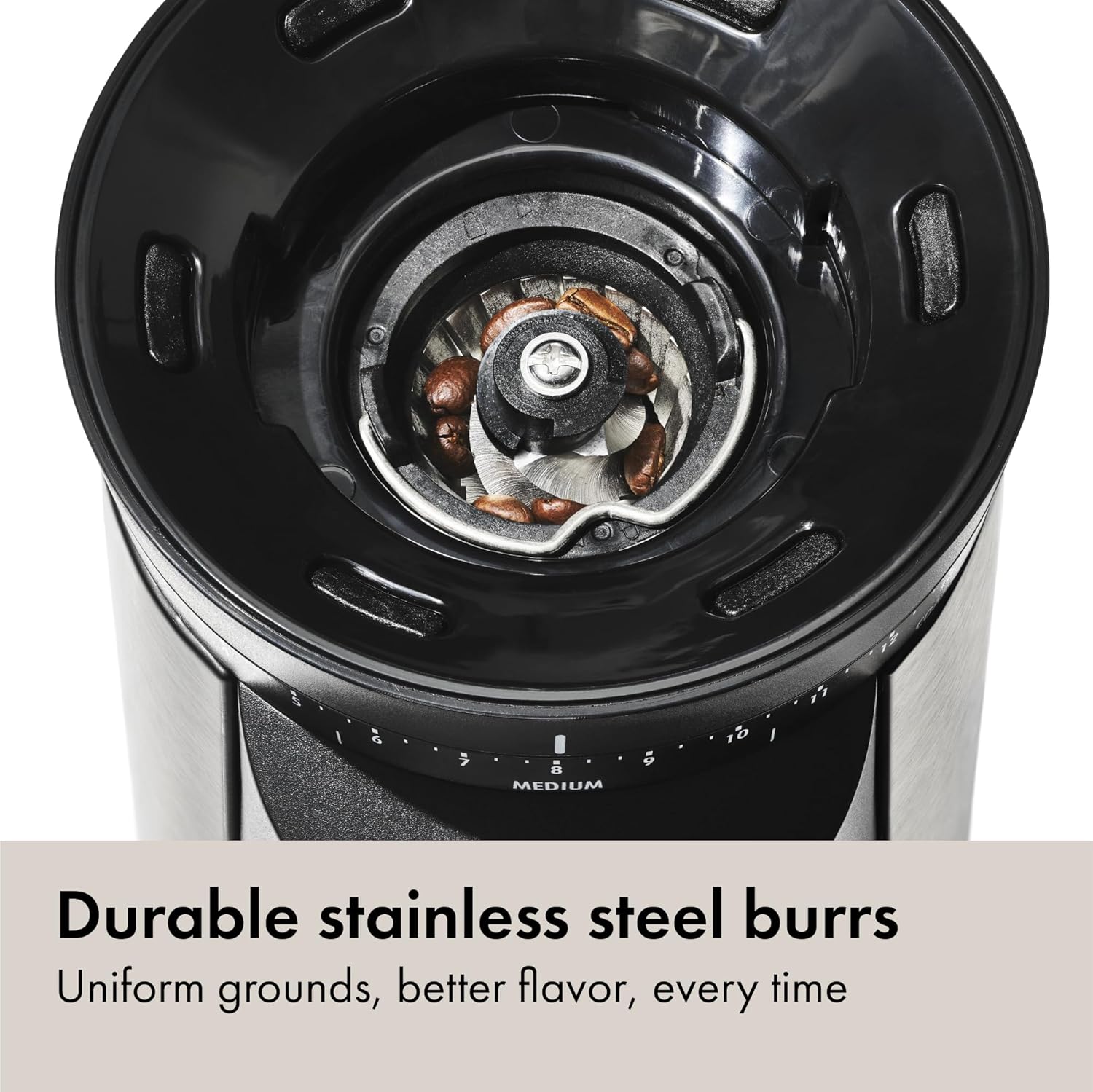
Espresso demands an extremely fine, uniform, and precisely adjustable grind to build the resistance needed for a proper shot. A blade grinder physically cannot produce this — it makes uneven grounds that channel and pull sour, bitter, or watery shots no matter how good the machine is. Even pre-ground espresso goes stale fast and can’t be dialed in to your specific machine. Experienced buyers routinely advise spending a large share of the budget on a dedicated espresso burr grinder with stepless or micro-stepped adjustment, so you can fine-tune grind size in tiny increments.
If you’re building a setup from scratch, budget for a real grinder alongside the machine rather than as an afterthought — a modest machine with a great grinder beats an expensive machine fed badly ground coffee. Our best coffee grinder guide covers espresso-capable grinders, and if you’d rather have grinding built in, see our best coffee and espresso maker combo guide.
Milk Steaming, Water, and Maintenance
If you drink lattes, cappuccinos, or flat whites, the steam wand matters. A proper steam wand (rather than an automatic panarello frother) lets you texture microfoam by controlling the wand’s position and steam power. More powerful steam boilers texture milk faster and hold up better for multiple drinks.
Two practical factors round out the decision. Water quality has an outsized effect — hard water scales up boilers and can ruin a machine over time, so filtered or remineralized water and periodic descaling are essential. And maintenance is real: backflushing the group, cleaning the portafilter, replacing gaskets, and descaling are part of ownership. Machines with removable, dishwasher-friendly parts and easy access to the group are far more pleasant to live with. If you want lower-maintenance coffee for daily volume alongside your espresso, our best cold brew coffee maker guide covers a set-and-forget option.
Frequently Asked Questions
What should a beginner look for in a first espresso machine?
Beginners should prioritize temperature stability (a PID helps), a non-pressurized portafilter so there’s room to improve, and a machine that isn’t so complex it’s discouraging. A single-boiler semi-automatic in the entry tier is a common starting point — it teaches the fundamentals without overwhelming you. Crucially, pair it with a real burr grinder rather than pre-ground coffee, since grind quality limits everything downstream. See our best espresso machine under 200 and best coffee grinder guides for beginner-friendly pairings that won’t cap your progress early.
How many bars of pressure do I actually need?
About nine bars at the coffee puck is the target for proper espresso extraction. Machines advertised as “15 bar,” “19 bar,” or “20 bar” are quoting the pump’s maximum capability, not the brew pressure, and a higher number is not better — the machine regulates down to roughly nine bars during the shot. What matters is stable, consistent pressure, not a big headline figure. Treat very high bar ratings as marketing rather than a quality indicator, and focus instead on temperature control and build quality.
Is a built-in grinder worth it, or should I buy separately?
A separate dedicated grinder almost always gives better espresso and more control, because standalone espresso grinders offer finer, more precise adjustment than most built-in units. That said, bean-to-cup and combo machines with integrated grinders win on convenience and counter space, which is why many households prefer them. If peak quality and dialing-in are your goals, buy the grinder separately; if simplicity matters most, an integrated machine is reasonable. See our best coffee maker with grinder and best coffee and espresso maker combo guides.
What’s the difference between single boiler, heat exchanger, and dual boiler?
A single boiler heats for brewing, then switches to a higher temperature for steaming, so you can’t do both at once. A heat exchanger runs one boiler at steam temperature and passes fresh water through a tube to reach brew temperature, letting you brew and steam simultaneously. A dual boiler has two separate boilers, each held at its ideal temperature, for the most stability and capability. Single boilers suit straight-espresso drinkers; heat exchangers and dual boilers suit anyone making milk drinks regularly.
Do I need a PID controller?
A PID isn’t strictly required, but it’s one of the most worthwhile features for repeatable espresso. It electronically holds the brew temperature within a degree or two, whereas older thermostat-only machines let the temperature drift, which can swing a shot from sour to bitter between pulls. If you care about consistency and dialing in a recipe, a PID makes that far easier. Many entry and mid-range machines now include one, so it’s increasingly easy to find without a big premium.
How much maintenance does an espresso machine need?
More than most people expect. Daily upkeep includes wiping the steam wand and rinsing the group and portafilter. Weekly, you backflush machines that support it and clean the baskets. Periodically you descale to remove mineral scale — how often depends on your water hardness, which is why filtered or remineralized water is strongly recommended. Gaskets and shower screens wear out and need occasional replacement. Machines with accessible parts and removable trays are much easier to maintain over years of use.
The Bottom Line
Choosing an espresso machine comes down to a few real specs and one big mindset shift. Decide how hands-on you want to be (semi-automatic for control, super-automatic for convenience), then look for stable ~9-bar pressure, a PID for temperature control, a metal group head and ideally a 58mm portafilter, and a boiler system that matches your milk habits. Above all, remember that the grinder is half the equation — a great grinder with a modest machine beats the reverse. Buy filtered water and commit to basic maintenance, and a good machine will serve you for years. For grinders, pairings, and budget-friendly starting points, see our best coffee grinder, best espresso machine under 200, and best coffee and espresso maker combo guides.

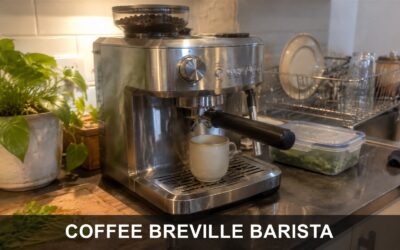
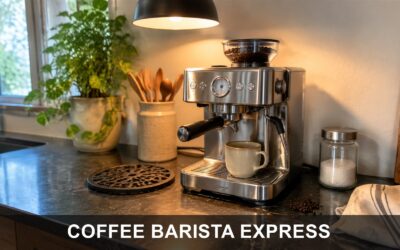
Breville Barista Express Espresso Machine with Built-In Grinder
This semi-automatic espresso machine grinds fresh beans directly into the portafilter and extracts espresso with precise temperature control, delivering café-quality shots at home in under a minute. Buy it if you want to skip the espresso shop and master microfoam milk texturing without a steep learning curve.
Pros and Cons
Pros
- Built-in grinder eliminates separate equipment and delivers freshly ground coffee directly into the portafilter for optimal flavor.
- Digital temperature control (PID) with thermocoil heating ensures consistent water temperature for reliable espresso extraction across every shot.
- Comprehensive accessory kit includes milk jug, tamper, cleaning tools, and filter baskets, so you can start pulling shots immediately.
Cons
- Manual tamping and milk steaming require practice to master; beginners may need several attempts to dial in proper technique.
- 54mm portafilter is proprietary to Breville, limiting compatibility with third-party baskets and accessories compared to standard 58mm machines.

CASABREWS
3700 20-Bar Espresso Machine with Steam Frother for Home
This semi-automatic espresso maker delivers café-quality shots with 20-bar Italian pressure and a powerful steam wand for microfoam milk in under 40 seconds of warm-up. Buy it if you want barista-level lattes and cappuccinos at home without the learning curve or counter clutter.
Pros and Cons
Pros
- Fast 40-second brew warm-up and quick steam function mean you're drinking espresso in minutes, not waiting 10+ minutes like older machines.
- Customizable single or double shot volume lets you program your exact preferred strength and save it for repeat brews.
- Removable drip tray and detachable water tank make daily cleaning and refilling genuinely quick—no disassembly needed.
Cons
- Single boiler design means you must wait between brewing espresso and steaming milk, limiting back-to-back drink production.
- Requires medium-dark roast pre-ground coffee and proper tamping technique; inconsistent prep will result in weak or over-extracted shots.

Breville
Home Espresso Machine with Built-In Grinder: Breville Barista Express BES870BTR Black Truffle
The Breville Barista Express combines a precision conical burr grinder and PID temperature control to pull cafe-quality espresso shots in under a minute, straight from whole beans. It suits the home barista who wants hands-on control over grind size, extraction, and milk texturing without buying separate equipment.
Pros and Cons
Pros
- The integrated burr grinder eliminates the need for a separate grinder, saving counter space and reducing the time from beans to cup.
- PID temperature control is a feature typically found on machines costing significantly more, delivering consistent extraction shot after shot.
- The manual steam wand rewards practice with genuine microfoam, which automated frothers cannot replicate for latte art or flat whites.
- The included accessory kit is comprehensive enough that most buyers can start pulling espresso immediately after unboxing.
Cons
- At 1600 watts with a single boiler, you must wait for the machine to switch between brewing and steaming, which slows down multi-drink orders.
- The grind and dose settings take several shots to dial in per new bag of beans, requiring patience from less experienced users.
The Best Deals This Week*
-
Breville Barista Express Espresso Machine
$499.95
($692.99)Save $193.04 -
Home Espresso Machine with Built-In Grinder
$499.95
($699.95)Save $200.00
*Deals are selected by our commerce team
Breville Barista Express Espresso Machine with Built-In Grinder
Breville Barista Express Espresso Machine with Built-In Grinder
This semi-automatic espresso machine grinds fresh beans directly into the portafilter and extracts espresso with precise temperature control, delivering café-quality shots at home in under a minute. Buy it if you want to skip the espresso shop and master microfoam milk texturing without a steep learning curve.
$499.95 at AmazonEditors' Favorite
Other Special Features of the Product: Manual Coffee Maker Type: Espresso Machine Specific Uses For Product: Espresso Operation Mode: Manual Wattage: 1600 watts Voltage: 120.0 Human Interface Input: Dial Coffee Input Type: whole_beans Smart Home Compatibility: Not Smart Home Compatible Power Source: AC adapter Filter Type: Reusable Capacity: 1 Cups Item Dimensions D x W x H: 13.8"D x 12.5"W x 15.9"H Item Weight: 22.09 Pounds Number of Items: 1 Unit Count: 1.0 Count Material: Stainless Steel Exterior Finish: Stainless Steel Is the item dishwasher safe?: No Brand Name: Breville Included Components: Coffee Scoop, Filter, Integrated Tamper, Razor Dose Trimming Tool Model Name: Barista Express Model Number: BES870XL Global Trade Identification Number: 00021614055514 Manufacturer: Breville Warranty Description: 1 Year Limited Product Warranty UPC: 021614055514 Part Number: BES870XL Item Type Name: Espresso Machine Best Sellers Rank: #9,129 in Home & Kitchen (See Top 100 in Home & Kitchen) #2 in Semi-Automatic Espresso Machines ASIN: B00CH9QWOU Customer Reviews: 4.5 4.5 out of 5 stars (27,474) 4.5 out of 5 stars Color: Brushed Stainless Steel Style: Espresso Machine Brand: Breville Product Dimensions: 13.8"D x 12.5"W x 15.9"H Special Feature: Manual
Shop NowCASABREWS 3700 20-Bar Espresso Machine with Steam Frother for Home
CASABREWS
3700 20-Bar Espresso Machine with Steam Frother for Home
This semi-automatic espresso maker delivers café-quality shots with 20-bar Italian pressure and a powerful steam wand for microfoam milk in under 40 seconds of warm-up. Buy it if you want barista-level lattes and cappuccinos at home without the learning curve or counter clutter.
$109.99 at AmazonGreat Value
Other Special Features of the Product: 20-Bar Professional Pump Espresso Machine, Cafetera Expreso y Capuchino, Powerful Milk Frothing System, Compact Espresso Machine With Milk Frother Steam Wand, Equiped With One Cup and Two Cup Brewing Filter, Expresso Maker for Home or Office, Latte Machine, Latte Maker, Brushed Stainless Steel Coffee Machine, Cappuccino Machine, Cappuccino Maker, Espresso Machine With Milk Frother Steam Wand Coffee Maker Type: Espresso Machine Specific Uses For Product: Expresso Coffee Machines With Steamer, Espresso Maker, Cappuccino Machine, Latte Machine, Expresso Machine Mith Steamer, Cafeteras Electricas Expresso, Expresso Eachine, Espresso Machine With Milk Frother, Espresso Machine & CoffeemakerCombos Recommended Uses For Product: Always Clean the Milk Steam Wand, Cappuccino Maker, Latte Maker, Espresso Machine for Home or Office, Making Cappuccinos Lattes Macchiatos at Home, Everyday Coffee Brewing, Home Barista Setup, Coffee Station Essentials, Espresso Maker for Beginners or Coffee Enthusiasts, Gift for Coffee Lovers, Coffee Gift for Women, Coffee Gift for Men, Coffee Present for Couples, Holiday Coffee Gift Ideas, Gift for Him, Gift for Her, Christmas Gift Idea, Coffee Gift for Family, Birthday Coffee Gift, Housewarming Gift, Best Friend Gift, Anniversary Gift for Coffee Fans, Coffee Gift for Mom or Dad, Coffee Lover Gift for Students, Coffee Gift for Grandparents, Make Espresso, Cappuccinos, Lattes, Macchiatos at Home or Office, Use Cold Whole Milk to Make Milk Foam Operation Mode: Semi-Automatic Wattage: 1350 watts Voltage: 120 Volts Human Interface Input: Buttons Output Pressure: 20 Bars Coffee Input Type: Ground Smart Home Compatibility: Not Smart Home Compatible Filter Type: Stainless Steel One Cup Filter & Stainless Steel Two Cup Filter & Double Shots Portafilter Color: A-Silver Style: Without Pressure Gauge Material: Stainless Steel Exterior Finish: Brushed Stainless Steel Is the item dishwasher safe?: No Brand Name: CASABREWS Included Components: 1*Instruction Manual, 1*Espresso Machine with Steam Wand for Milk Frothing, 1*43.9 oz Removable Water Tank, 1*51mm One Cup Filter, 1*51mm Two Cup Filter, 1*51mm Portafilter, 1*Tamper with Spoon Model Name: 3700 ESSENTIAL Model Number: 3700 ESSENTIAL Customer Package Type: High Quality Carton Item Type Name: Espresso Machine Best Sellers Rank: #13,848 in Home & Kitchen (See Top 100 in Home & Kitchen) #4 in Semi-Automatic Espresso Machines ASIN: B0BRSP8YT6 Customer Reviews: 4.3 4.3 out of 5 stars (3,441) 4.3 out of 5 stars Capacity: 43.9 Fluid Ounces Item Dimensions D x W x H: 12.6"D x 5.7"W x 12.5"H Item Weight: 8.1 Pounds Number of Items: 1 Unit Count: 1.0 Count Brand: CASABREWS Product Dimensions: 12.6"D x 5.7"W x 12.5"H Special Feature: 20-Bar Professional Pump Espresso Machine, Cafetera Expreso y Capuchino, Powerful Milk Frothing System, Compact Espresso Machine With Milk Frother Steam Wand, Equiped With One Cup and Two Cup Brewing Filter, Expresso Maker for Home or Office, Latte Machine, Latte Maker, Brushed Stainless Steel Coffee Machine, Cappuccino Machine, Cappuccino Maker, Espresso Machine With Milk Frother Steam Wand20-Bar Professional Pump Espresso Machine, Cafetera Expreso y Capuchino, Powerful Milk Frothing System, Compact Espresso Machine With Milk Frother Steam Wan… See more
Shop NowEUHOMY Automatic Espresso Machine with Built-in Grinder and Milk Frother

Color: Black Size: Large Dimensions: 17.36 x 7.32 x 13.11 Inches Weight: 19.18 pounds Product Group: Kitchen Binding: Kitchen
Shop NowBreville Home Espresso Machine with Built-In Grinder: Breville Barista Express BES870BTR Black Truffle
Breville
Home Espresso Machine with Built-In Grinder: Breville Barista Express BES870BTR Black Truffle
The Breville Barista Express combines a precision conical burr grinder and PID temperature control to pull cafe-quality espresso shots in under a minute, straight from whole beans. It suits the home barista who wants hands-on control over grind size, extraction, and milk texturing without buying separate equipment.
$499.95 at AmazonColor: Black Truffle Size: 2 Dimensions: 13.81 x 12.53 x 15.9 inches Weight: 22.09 pounds Product Group: Kitchen Binding: Kitchen
Shop NowKANSHENDH-US Sliding mat for Breville Espresso Machine870XL,Glide Smoothly Under Cabinet

KANSHENDH-US
Sliding mat for Breville Espresso Machine870XL,Glide Smoothly Under Cabinet
$13.99 at AmazonColor: Black Size: 14 in*13 in Dimensions: 14 x 13 x 0.16 inches Product Group: Kitchen
Shop Now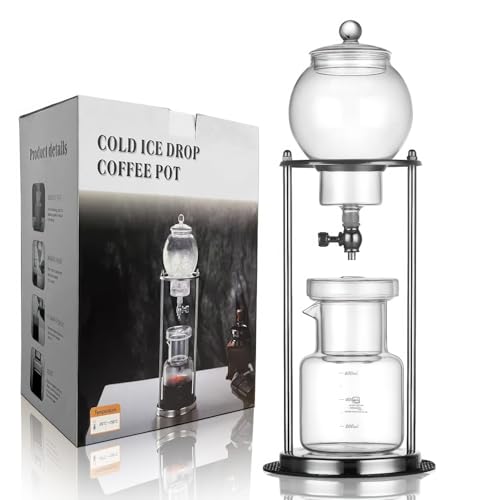


Write Your Review
No reviews yet. Be the first to share your experience!