

TL;DR — There is no truly 100% plastic-free electric espresso machine, but manual lever machines get closest: the Cafelat Robot, Flair 58, and La Pavoni Europiccola keep hot water and coffee in contact with only stainless steel, aluminum, brass, and food-grade silicone. Among pump machines, look for a stainless or brass boiler, a metal portafilter, and PTFE-lined (not raw soft-plastic) water tubing. If your goal is avoiding plastic in the brew path entirely, a stovetop moka pot or a manual lever is the honest answer. For picks, start with our best espresso machine under 200 guide.
The HomeWhisk editorial team researches kitchen equipment by analyzing manufacturer specifications, mechanism design, and aggregated user reviews from major retailers and communities like Reddit r/espresso and r/coffee. Our goal here is to cut through marketing and explain what “plastic-free” can and cannot mean inside a machine that pushes near-boiling water through coffee at pressure.
Searches for a “plastic-free espresso machine” almost always come from one worry: hot water and steam touching plastic and carrying something into the cup. That is a reasonable concern, but it needs a precise answer, because nearly every espresso machine on the market contains some plastic somewhere. The useful question is not “is it plastic-free?” but “does plastic touch the hot water and coffee on their way to my cup?” This guide walks through what is actually inside these machines, which materials matter, and which designs genuinely minimize plastic in the brew path.
Why Almost No Espresso Machine Is Truly Plastic-Free
Espresso is defined by pressure: roughly 9 bars of it, forcing water near 93°C (200°F) through a compacted puck of ground coffee. Building a machine that does this cheaply and safely almost always involves some polymer parts. Water tanks are usually molded plastic. Vibratory pumps sit in plastic housings. Flow lines are frequently PTFE (Teflon) tubing. Steam wand tips, drip trays, and control knobs are often plastic too.
The important distinction is contact versus presence. A plastic drip tray or outer shell never touches your coffee. What matters is the wetted path — every surface the hot water crosses from the tank to the cup. A machine can be full of external plastic and still keep the brew path all-metal, or it can look premium and route hot water through soft plastic tubing. When people ask for a best espresso machine under 200 that is “plastic-free,” they usually mean the second thing: keep polymers out of the hot, pressurized path.
What Is Actually Inside a Standard Pump Machine
Open up a typical entry-level pump espresso machine and you will find a cold-water tank (plastic), a vibratory pump, a thermoblock or small boiler, and tubing that connects them. On budget machines the boiler is often aluminum or a thermoblock, and the tubing carrying hot water to the group can be silicone or soft plastic.
The part buyers worry about most is PTFE tubing. PTFE (polytetrafluoroethylene, the same family as nonstick coatings) is used because it is chemically inert, tolerates heat well, and resists scale buildup. It is stable at espresso temperatures; the degradation concerns you read about apply to PTFE heated past roughly 260°C (500°F), far above brew water. The genuine downsides are different: PTFE lines can trap old water, and over time scale can narrow them. Regular descaling matters here regardless of material. If avoiding fluoropolymers entirely is your priority, you want a machine that routes hot water through stainless steel or copper lines instead — which generally means stepping up to a prosumer machine or going manual.
How an All-Metal Machine Looks Inside
Traditional Italian-style machines built around an E61 group head and a brass or copper boiler keep far more of the hot path in metal. Copper boilers, brass group heads, and stainless or copper hot-water lines carry water to the puck without soft plastic in between. Brass does contain a small amount of lead in some alloys, which is why quality machines use low-lead or lead-free brass and why a break-in flush on a new machine is sensible.
These machines are heavier, hold temperature better, and are more repairable — but they cost considerably more than a basic pump model. If you want the metal-boiler experience without prosumer pricing, a Gaggia Classic style machine with a brass-lined group and a metal portafilter is a common recommendation, though its tank and some fittings remain plastic. For all-in-one convenience shoppers who still want a grinder, our best coffee maker with grinder and best grind and brew coffee maker guides cover machines where the same trade-offs apply.
Lever Machines: The Closest Thing to Plastic-Free
If your goal is genuinely minimizing plastic in the brew path, manual lever machines are the honest answer, because they remove the pump and much of the tubing entirely. You create pressure with your arm.
- Cafelat Robot — an aluminum-bodied lever press with stainless steel dual pistons and a stainless portafilter. Water goes into a metal chamber and is pressed straight through the puck; there is no pump, no boiler, and no plastic in the hot path. It is one of the cleanest brew paths available.
- Flair 58 / Flair Pro — a lever press with a stainless steel brew cylinder and portafilter. Some outer parts and the base are plastic, but the water contacts stainless steel and silicone.
- La Pavoni Europiccola — a classic manual lever with a brass and chrome boiler and group. Its wetted path is brass, copper, and steel; the plastic is mostly the base and knobs.
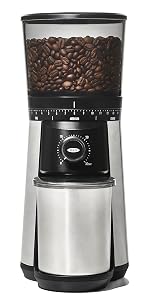
The trade-off is real: lever machines demand technique, a separate kettle for hot water on some models, and patience. But they deliver espresso with essentially no plastic touching the coffee, which no pump machine at the same price can claim. A quality grinder matters even more here, so pair one with a pick from our best coffee grinder guide.
The Moka Pot and Other Low-Plastic Routes
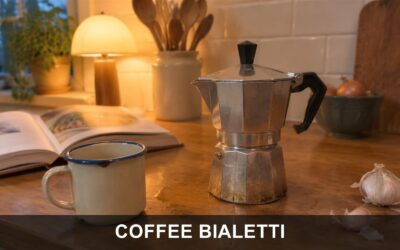
If you want strong, espresso-style coffee with zero plastic in the brew path on a low budget, the Bialetti Moka Express is hard to beat. It is aluminum (stainless versions exist), uses a silicone or rubber gasket, and brews by pushing steam-pressurized water up through grounds. It is not true 9-bar espresso — moka pressure is closer to 1.5 bars — but for a plastic-averse buyer it is the simplest all-metal option that exists.
For cold coffee lovers, an all-glass-and-steel cold brew rig avoids plastic too; see our best cold brew coffee maker guide. And if you want espresso plus regular coffee from one appliance, understand that combo machines almost always reintroduce plastic tanks and tubing — our best coffee and espresso maker combo guide lays out those compromises. Whatever you choose, the biggest wins for a low-plastic setup are the same: a metal portafilter, a metal or silicone brew-basket gasket, and diligent descaling.
What to Actually Avoid
Not all plastic is equal, and chasing “zero plastic anywhere” leads people to overpay for the wrong things. Focus on the hot, wetted path and on quality:
- Avoid machines where hot water visibly routes through soft, cheap plastic tubing, and machines with plastic brew baskets or plastic pressurized portafilters — a solid stainless steel portafilter and basket is a cheap, high-impact upgrade.
- Do not stress about a plastic water tank, drip tray, or outer shell; cold water sitting briefly in a food-grade tank is a minor exposure compared with the hot brew path.
- Do descale regularly — scale buildup, not material, is the more common real-world problem, and it affects every machine type.
Frequently Asked Questions
Is there a 100% plastic-free espresso machine?
Not in the electric, pump-driven category — every practical machine uses some plastic in the tank, housing, or fittings. The closest you can get is a manual lever like the Cafelat Robot or a stovetop moka pot, where the hot water contacts only aluminum, stainless steel, brass, and silicone. If a brand claims “100% plastic-free,” check the water tank and the brew-path tubing specifically, because those are usually where hidden polymers remain. For realistic options, see our best espresso machine under 200 guide.
Is a plastic-free espresso machine with a grinder possible?
Mostly no in the strict sense. Built-in grinders add plastic hoppers, chutes, and bean containers, and grind-and-brew designs reintroduce plastic tanks and tubing. A cleaner approach is to pair a low-plastic brewer (a lever or metal-boiler machine) with a separate metal-burr grinder. If you still want an all-in-one, compare the trade-offs in our best coffee maker with grinder and best grind and brew coffee maker guides, and prioritize a metal portafilter and brew basket.
Is PTFE tubing in an espresso machine safe?
At espresso temperatures, yes. PTFE is chemically inert and stable well above brewing heat; the safety warnings you see apply to PTFE overheated past about 260°C (500°F), which does not happen in the water lines of a normal machine. The practical concerns are old water sitting in the lines and scale narrowing them over time, both solved by flushing and descaling. If you want to avoid fluoropolymers entirely, choose a machine with stainless steel or copper hot-water lines, typically a prosumer or lever model.
What do Reddit espresso owners recommend for low plastic?
Aggregated community discussion consistently points to two directions: manual lever presses (the Cafelat Robot and Flair come up most for a clean stainless brew path) and traditional E61 / brass-boiler machines for those who want an electric pump but all-metal hot lines. Owners also emphasize swapping any pressurized plastic portafilter for a solid stainless one and descaling on schedule. The recurring theme is to judge the wetted path, not the outer shell.
Is a moka pot a good plastic-free espresso alternative?
For a plastic-averse budget buyer, yes. The Bialetti Moka Express brews strong, concentrated coffee with only aluminum (or stainless) and a silicone gasket in contact with water. It is not true espresso — moka pressure is far lower than 9 bars, so you will not get thick crema — but the brew path is genuinely simple and metal. It is the easiest, cheapest way to get espresso-style coffee without plastic touching your brew.
Does a plastic water tank contaminate the coffee?
It is the lowest-risk plastic in the machine. The tank holds cold water briefly before it is drawn into the boiler, so exposure is minimal compared with plastic in the hot, pressurized path. Food-grade tanks are designed for this. If it still bothers you, some machines accept direct plumbing, or you can refill frequently with fresh water rather than letting water sit for days. Focus your attention on the brew-path materials instead, where heat and pressure actually matter.
The Bottom Line
A perfectly plastic-free electric espresso machine does not really exist, but you can get very close by ignoring the marketing and reading the wetted path. Manual lever machines like the Cafelat Robot, Flair, and La Pavoni keep hot water in stainless steel, aluminum, and brass; a stovetop moka pot does the same on a budget; and traditional brass-boiler pump machines minimize plastic on the electric side. If you buy a standard pump machine, the highest-impact moves are a solid stainless portafilter and basket, tolerance of a cold plastic tank, and regular descaling. Match the choice to how much manual effort you will accept, then pair it with a good grinder. For picks, see our best espresso machine under 200, best coffee maker with grinder, and best coffee grinder guides.
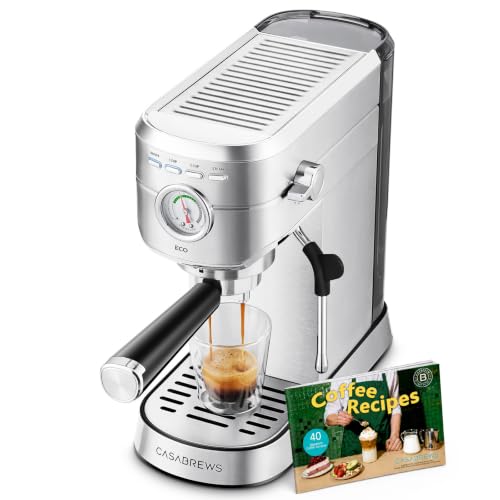
CASABREWS
PFAS-Free Home Espresso and Latte Brewing: CASABREWS Semi-Automatic 20 BAR Espresso Machine with Steam Wand
This semi-automatic machine pulls 20 BAR espresso shots and steams milk through a dedicated wand, with a fully PFAS-free water path and aluminum portafilter so no plastic contacts your coffee. It suits home and office drinkers who want cafe-style lattes and cappuccinos without a bulky footprint or plastic-tainted flavor.
Pros and Cons
Pros
- Aluminum portafilter and PFAS-free water path deliver better heat stability and cleaner-tasting espresso than plastic-lined competitors.
- The pressure gauge turns a semi-automatic machine into a learning tool for beginners dialing in grind size.
- Steam wand and brew group in one compact unit replace a separate frother on the counter.
- Removable 34oz tank makes daily refilling and cleaning straightforward.
Cons
- You cannot brew straight after steaming milk, the machine needs a cool-down cycle or it trips Over-Heating Protection Mode with flashing cup lights.
- As a semi-automatic, it requires your own grinder and tamping technique to get consistent results.

UDI
At-Home Espresso, Lattes and Cappuccinos: UDI 20 Bar 9-in-1 Espresso Machine
The UDI 20 Bar Espresso Machine prepares espresso, coffee, Americano, iced espresso, cappuccino and latte drinks with one-touch presets, while its automatic frothing system simplifies milk drinks. It suits home users and coffee lovers who want varied drinks with minimal manual adjustment and built-in self-cleaning.
Pros and Cons
Pros
- The nine-in-one preset menu covers a broad range of common hot and iced coffee drinks.
- Automatic milk frothing makes cappuccinos and lattes more approachable for home users.
- A 20-bar pump is designed to produce espresso with rich extraction and golden crema.
- The compact structure is intended to fit on a kitchen countertop.
Cons
- The product data does not specify the machine's materials, dimensions or weight, which makes countertop planning harder.
- Users who want highly customized milk texture may need to switch from automatic frothing to manual mode.
The Best Deals This Week*
-
PFAS-Free Home Espresso and Latte Brewing
$113.99
($159.99)Save $46.00 -
ecozy 4-in-1 Espresso Machine
$159.99
($199.99)Save $40.00
*Deals are selected by our commerce team
CASABREWS PFAS-Free Home Espresso and Latte Brewing: CASABREWS Semi-Automatic 20 BAR Espresso Machine with Steam Wand
CASABREWS
PFAS-Free Home Espresso and Latte Brewing: CASABREWS Semi-Automatic 20 BAR Espresso Machine with Steam Wand
This semi-automatic machine pulls 20 BAR espresso shots and steams milk through a dedicated wand, with a fully PFAS-free water path and aluminum portafilter so no plastic contacts your coffee. It suits home and office drinkers who want cafe-style lattes and cappuccinos without a bulky footprint or plastic-tainted flavor.
$113.99 at AmazonEditors' Favorite
Color: Silver Size: Small Dimensions: 12.28 x 5.9 x 11.97 inches Weight: 8.59 pounds Product Group: Kitchen Binding: Kitchen
Shop NowChefman Coffee Maker Espresso Machine Combo, 8-in-1 Coffee Station with Automatic Milk Frother for Lattes, Cappuccinos, Macchiatos, 20-Bar Pump, 12-Cup Carafe & 3L Water Tank - Black

Chefman
Coffee Maker Espresso Machine Combo, 8-in-1 Coffee Station with Automatic Milk Frother for Lattes, Cappuccinos, Macchiatos, 20-Bar Pump, 12-Cup Carafe & 3L Water Tank - Black
$299.00 at AmazonGreat Value
Color: Stainless Steel Size: 13" x 12" x 14" Dimensions: 11.81 x 13.19 x 13.98 inches Product Group: Kitchen Binding: Kitchen
Shop NowElectactic (2026 Upgrade) Espresso Machine with Grinder, Expresso Machines for Home, 20 Bar Expresso Coffee Machines with Milk Frother & Tamping Tools,Espresso Maker with Grinder for Lattes, Cappuccinos

Electactic
(2026 Upgrade) Espresso Machine with Grinder, Expresso Machines for Home, 20 Bar Expresso Coffee Machines with Milk Frother & Tamping Tools,Espresso Maker with Grinder for Lattes, Cappuccinos
$249.89 at AmazonColor: Satin Black Size: Medium Dimensions: 11.5 x 13.03 x 16.1 inches Weight: 18.04 Pounds Product Group: Kitchen Binding: Kitchen
Shop NowUDI At-Home Espresso, Lattes and Cappuccinos: UDI 20 Bar 9-in-1 Espresso Machine
UDI
At-Home Espresso, Lattes and Cappuccinos: UDI 20 Bar 9-in-1 Espresso Machine
The UDI 20 Bar Espresso Machine prepares espresso, coffee, Americano, iced espresso, cappuccino and latte drinks with one-touch presets, while its automatic frothing system simplifies milk drinks. It suits home users and coffee lovers who want varied drinks with minimal manual adjustment and built-in self-cleaning.
Check PriceColor: Black Size: Compact Dimensions: 12.0078740035 x 14.960629906 x 9.2519684945 inches Product Group: Kitchen
Shop Nowecozy 4-in-1 Espresso Machine, Drip Coffee & 30s Cold Brew

Color: Stainless Steel Size: Medium Dimensions: 11.7 x 8.7 x 12.2 inches Weight: 9.92 Pounds Product Group: Kitchen
Shop Now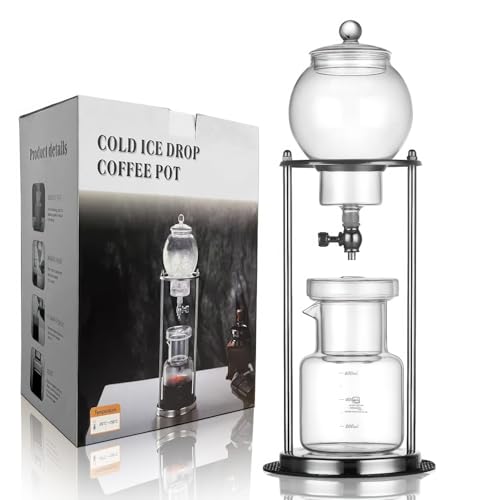


Write Your Review
No reviews yet. Be the first to share your experience!