

TL;DR — “Ceramic espresso machine” is a loose term that almost never means a machine built from ceramic. In practice it points to one of three things: ceramic espresso cups and dosing cups (the most common meaning), ceramic grinder burrs used in some bean-to-cup and grind-and-brew machines, or ceramic flow-control valves inside a machine. Ceramic is used because fired, glazed ceramic is inert, heat-retaining, and wear-resistant. If you’re shopping ceramic espresso cups, focus on wall thickness, glaze quality, and whether it’s food-safe. For grinder picks, see our best coffee grinder guide.
The HomeWhisk editorial team researches kitchen equipment by analyzing manufacturer specifications, material properties, and aggregated user reviews from major retailers and communities like Reddit r/espresso. This guide unpacks what people actually mean when they search for a “ceramic espresso machine,” because the phrase covers several very different products.
The term gets typed into search bars by people who have seen “ceramic” attached to espresso gear and want to know what it signifies and whether it matters. Since no meaningful espresso machine is made entirely of ceramic, the honest answer is to explain each real use of ceramic in the espresso world and help you decide which one you’re actually looking for.
Meaning One: Ceramic Espresso Cups
By far the most common thing “ceramic espresso” refers to is the cup — the small demitasse that holds a single or double shot. Ceramic is the traditional espresso-cup material for concrete physical reasons:
- Heat retention. Ceramic walls hold warmth, and because espresso is a tiny volume (roughly 25 to 60 ml) that cools fast, a warm ceramic cup keeps the shot at drinking temperature longer than glass or metal.
- Neutral taste. Fired, glazed ceramic is inert and won’t add metallic or plastic notes to a delicate shot.
- Feel and crema. A rounded interior helps the crema (the reddish-brown foam on top) settle evenly, and the weight of a good cup feels substantial in the hand.
Good ceramic espresso cups are typically preheated with a hot-water rinse before pulling a shot, so the espresso doesn’t lose several degrees to cold cup walls the instant it lands. Whether you buy a machine from our best espresso machine under 200 guide or a best coffee and espresso maker combo, the serving cup is part of the experience.
Ceramic vs Porcelain vs Stoneware Cups
These terms get used interchangeably, but they describe different clay bodies fired at different temperatures, and the difference is real:
- Porcelain is fired hottest (around 1,200 to 1,400 C), making it dense, non-porous, thin, and strong, with a refined white finish. Many classic Italian espresso cups are porcelain.
- Stoneware is fired slightly lower, is thicker and more rustic, and retains heat through sheer mass. It’s the typical body for handmade, artisan espresso cups.
- Earthenware is fired lowest, is more porous, and needs a good glaze to be watertight and durable; it’s less common for quality espresso cups.
For espresso specifically, wall thickness and preheating matter more than the exact clay. A thick stoneware cup and a preheated porcelain cup both keep a shot warm; a cold, thin cup of any material does not. If you like double shots or milk drinks, check the volume: a cappuccino needs a larger cup than a straight espresso.
Meaning Two: Ceramic Grinder Burrs
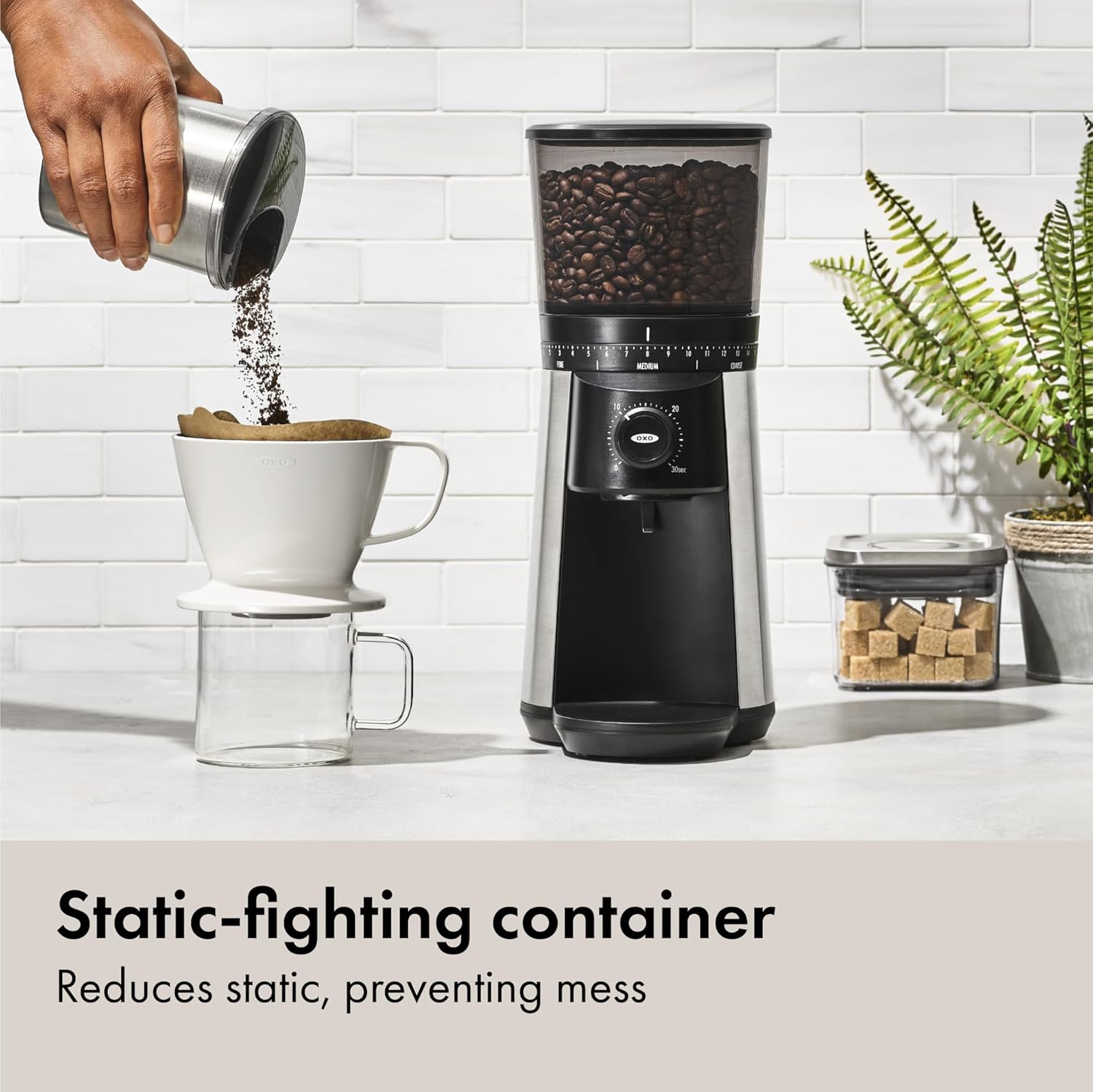
If your search led you toward machines rather than cups, “ceramic” most likely describes the grinder burrs in a bean-to-cup or best coffee maker with grinder model. Burrs are the two abrasive surfaces that crush beans to a uniform size, and they come in two materials:
- Ceramic burrs are hard, corrosion-proof, and stay cooler during grinding, which some argue preserves aromatics. They hold their edge a long time but are brittle and can chip if a stone or very hard debris passes through.
- Steel burrs are tougher and easy to machine to sharp, precise geometry, but transfer more heat and eventually dull.
Both are food-safe. For espresso, what matters far more than burr material is that the grinder can reach a fine, consistent, adjustable grind, since espresso lives or dies on grind precision. A dedicated grinder from our best coffee grinder guide almost always outperforms the grinder built into an all-in-one machine.
Meaning Three: Ceramic Valves and Components Inside the Machine
The third real use of ceramic is internal: ceramic flow-control discs and valves. This is the same technology found in high-end faucet cartridges. Two polished ceramic discs slide against each other to open and close water flow, and because ceramic is extremely hard and corrosion-resistant, these valves resist wear and scale far better than rubber or plastic equivalents.
Some machines also use ceramic-coated boilers or heating surfaces for corrosion resistance. In all these cases, ceramic is a durability and reliability upgrade on components that see hot water and mineral scale, not a gimmick. It’s a genuine mark of quality when you find it on the spec sheet.
What to Look For When Buying “Ceramic” Espresso Gear
Because the phrase is ambiguous, decide first which product you want, then judge it on the right criteria:
- For cups: food-safe, lead-free glaze; wall thickness that holds heat; the right volume for your drink (espresso vs cappuccino); microwave and dishwasher ratings if you care; and a shape that supports crema.
- For a grinder or machine with ceramic burrs: grind adjustment range and consistency first, burr material second; both ceramic and steel work well.
- For a machine with ceramic valves: treat it as a positive durability signal, and prioritize the rest of the wetted path (stainless or brass boiler, silicone seals).
If your real goal is simply better coffee rather than a specific material, a solid best grind and brew coffee maker or a best cold brew coffee maker may serve you better than chasing the word “ceramic.” Match the purchase to how you actually drink.
Frequently Asked Questions
Is there really such a thing as a ceramic espresso machine?
Not in the sense of a machine made of ceramic — the pressure, heat, and plumbing require metal. “Ceramic espresso machine” is a loose phrase that usually means one of three things: ceramic espresso cups, ceramic grinder burrs inside a bean-to-cup or grind-and-brew machine, or ceramic flow-control valves within a machine. Each is a legitimate use of ceramic for its inertness, heat behavior, or wear resistance. Identify which one you’re shopping for, then judge it on the criteria that fit that specific component.
What makes a ceramic espresso cup good for daily use?
A good daily ceramic espresso cup has a food-safe, lead-free glaze, walls thick enough to retain heat, and a volume matched to your drink. Because espresso is a small, fast-cooling pour, heat retention is the key functional trait, and preheating the cup with a hot-water rinse makes a noticeable difference. A rounded interior helps the crema settle. Durability matters for everyday handling, so look for a well-fired body and a smooth, intact glaze without crazing or chips.
Are ceramic espresso cups better than porcelain ones?
Both are fired, glazed ceramics and both work well; the difference is subtle. Porcelain is fired hotter, so it’s denser, thinner, stronger, and has a refined feel, which is why many classic Italian cups are porcelain. Stoneware-style ceramic is thicker and more rustic and retains heat through mass. For the shot itself, a preheated cup of either material keeps espresso warm, while a cold, thin cup of any type lets it cool fast. Choose based on feel, weight, and style.
Do ceramic grinder burrs make better espresso?
Not inherently. Ceramic burrs stay cooler and resist corrosion and wear, and some users feel that preserves aroma, but steel burrs are tougher and easy to machine precisely. Both are food-safe and both can produce excellent espresso. What actually determines espresso quality is whether the grinder reaches a fine, uniform, finely adjustable grind, since espresso is extremely sensitive to grind size. Prioritize grind consistency and adjustment range over burr material; our best coffee grinder guide covers strong options in both.
Why do some machines advertise ceramic valves?
Ceramic flow-control valves use two hard, polished ceramic discs that slide against each other to regulate water, the same design used in premium faucets. Ceramic is extremely wear- and corrosion-resistant, so these valves handle hot water and mineral scale far better than rubber or plastic parts, lasting longer with less maintenance. When a machine lists ceramic valves, treat it as a positive durability signal. Still evaluate the rest of the wetted path, such as the boiler material and gaskets, for the full picture.
Should I choose espresso gear based on ceramic?
Only if it maps to a real need. Ceramic cups are worth buying for heat retention and neutral taste; ceramic burrs and valves are quality signals but not reasons to buy on their own. Decide what you actually want, a serving cup, a grinder, or a full machine, and judge each on the criteria that matter for it. If your true goal is simply better coffee, grind consistency, fresh beans, and the right brew method will move the cup quality far more than the word ceramic.
The Bottom Line
A “ceramic espresso machine” is really a catch-all phrase, and knowing which product it points to is the whole answer. Most often it means ceramic espresso cups, prized for holding heat on a small, fast-cooling shot; sometimes it means ceramic grinder burrs, which are cool-running and durable but no better than good steel for the cup; and occasionally it means ceramic flow valves, a genuine internal durability upgrade. Decide which one you’re after, judge it on the right criteria, and don’t let a single material dictate the purchase. For the components that most affect your coffee, see our best coffee grinder, best espresso machine under 200, and best coffee maker with grinder guides.
The Best Deals This Week*
-
YHOJOY Espresso Cup, Ceramic Espresso Shot Cup
$13.24
($13.99)Save $0.75 -
YHOJOY Espresso Cup Ceramic, Espresso Accessories
$15.19
($16.99)Save $1.80 -
Folk Ceramics Leonard Ceramic Espresso Cups
$19.95
($24.95)Save $5.00
*Deals are selected by our commerce team
YHOJOY Espresso Cup, Ceramic Espresso Shot Cup with Dual Spouts, 3 OZ

Editors' Favorite
Color: C-Pale Blue Size: 3 oz Product Group: Kitchen Binding: Kitchen
Shop NowYHOJOY Espresso Cups, Ceramic Espresso Shot Cup with Handle, 6 OZ/ 200ML

Great Value
Color: B-White Size: 200 ml Weight: 0.6393405598 Pounds Product Group: Kitchen Binding: Kitchen
Shop NowYHOJOY Espresso Cup Ceramic, Espresso Accessories, Espresso Measuring Cup

Color: B-Light Green Size: 200 ml Weight: 0.72973008722 Pounds Product Group: Kitchen Binding: Kitchen
Shop NowFolk Ceramics Leonard Ceramic Espresso Cups, Matte Black, 3oz, Set of 2

Color: Matte Black Size: 3 Ounces Dimensions: 2.7 x 2.7 x 2 inches Weight: 0.2 Pounds Product Group: Kitchen Binding: Unknown Binding
Shop NowBacimi Bacimi® Espresso Cups & Saucers Set of 4 – 3 oz Thick Porcelain Coffee Cups - Barista Style Set - Classic Italian Design - Ceramic Cups for Espresso, Macchiato, Doppio – Dishwasher & Microwave Safe

Bacimi
Bacimi® Espresso Cups & Saucers Set of 4 – 3 oz Thick Porcelain Coffee Cups - Barista Style Set - Classic Italian Design - Ceramic Cups for Espresso, Macchiato, Doppio – Dishwasher & Microwave Safe
$29.95 at AmazonColor: White Size: Small Dimensions: 4.64 x 4.64 x 2.48 inches Weight: 3 pounds Product Group: BISS Binding: Kitchen
Shop Now





Write Your Review
No reviews yet. Be the first to share your experience!