

TL;DR — How to fix a vacuum sealer is not complicated, but it does reward a little patience and the right sequence. Use this as the practical background, then check best vacuum sealer, best air fryer, and best blender for specific product options.
We treated this as an editor’s note for home cooks: what matters, what is optional, and which related product guides are worth checking before you buy. For appliance topics, we pay close attention to capacity, controls, cleanup, storage, reliability complaints, and whether the machine saves enough effort to justify the space.

Pros & Cons
Pros
- Direct-fit replacement for the Geryon E2900 and E2901 gasket channel, so installation is a lift-out and press-in job.
- Multi-pack means spares stay in the drawer for the next time suction fades.
- Food-grade foam is rated for direct food contact, unlike generic weatherstrip foam.
Cons
- Compatibility is locked to the Geryon E2900 and E2901 series, so other sealer brands and models will not fit.
- Foam is a wear item by nature and will compress again with heavy use, especially after sealing greasy or wet foods.
Details
A six-pack of replacement foam sealing gaskets for Geryon E2900 and E2901 vacuum sealers. When the original strip flattens or deforms, the lid leaks air and bags seal half inflated.
Fresh foam restores a complete vacuum pull, so marinades, sous vide portions and freezer meats compress tight instead of the pump stalling mid cycle.
Made from food-grade foam rated for direct food contact, with compression resistance that keeps its shape under repeated lid clamping rather than crushing flat within weeks.
Fitment is limited to the E2900 and E2901 series, so owners of other Geryon or non-Geryon sealers should measure their gasket channel first.
Best for Geryon E2900 and E2901 owners who batch seal often and want spares on hand before the machine quits holding vacuum.
How to Use
Unplug the sealer and lift the old foam strip out of its channel, then wipe away crumbs, grease and dried liquid so the new gasket seats flat.
Press the replacement in from one corner and work around without stretching it, then close the lid and run one empty cycle to confirm the pump holds vacuum.
Wipe the gasket after sealing wet foods like brisket or fish, and swap in a fresh piece once pump cycles start running noticeably longer.

Save $8.12
Pros & Cons
Pros
- Complete kit ships with the sealer, 30 bags, 4 jar lids, and charging cable, so it works straight out of the box.
- Mason jar sealing is included, which most handheld sealers leave out or sell separately.
- Bags are rated for sous vide and freezer use, covering both low-temperature cooking and long-term storage.
- Lightweight cordless body is easier to handle than a countertop sealer for a few bags at a time.
Cons
- Zipper-and-valve bags do not pull as deep a vacuum as a heat-sealed countertop machine, so very long freezer storage favors a full-size unit.
- The sealer only works with valve-equipped bags and the supplied jar lids, so refills mean buying compatible bags rather than any freezer bag.
Details
A cordless handheld vacuum pump that removes air from valved zipper bags and Mason jars, solving freezer burn, stale pantry goods, and leftovers that spoil before they get eaten.
One-button sealing handles a portion of steak or a bag of shredded chicken in seconds, and the jar lids keep coffee beans and nuts from going flat between uses.
Bags are BPA-free food-grade with double zippers and reinforced valves in 8×10 and 10×11 inch sizes; the pump is light enough to hold in one hand and charges over USB.
Valve-sealed bags hold less vacuum than heat-sealed bags, so plan on months rather than a year for frozen meat.
Best for meal preppers and small households who want vacuum sealing without giving up counter space.
How to Use
Charge the unit over USB before first use. Fill a bag, leave a few inches of headroom, and press the double zipper closed along its full length.
Set the pump over the bag valve, hold it flat, and press the button until the plastic tightens around the food. Check the seal by pressing the bag; it should stay firm.
For jars, seat a lid on a standard Mason jar, pump through the valve, then lift the valve tab to release the seal when you need access.

Pros & Cons
Pros
- Compatible across FoodSaver, VacMaster, Weston, Cabelas, Rival, Seal-A-Meal and Ziploc sealers, so it fits whatever machine is on the counter.
- Extra length and width mean you cut to fit rather than settle for a strip that falls short of the element.
- Food contact approved and heat rated well beyond normal sealing temperatures.
- Backed by a 60 day money back guarantee if it does not solve the sealing problem.
Cons
- You have to trim each strip and press it down bubble-free, so a rushed application can leave wrinkles that affect the seal.
- This only replaces the heating element cover, so seal failures caused by a worn gasket or weak pump will not be fixed.
Details
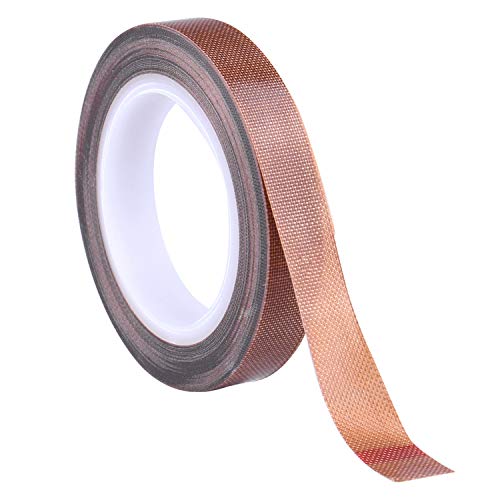
A three pack of Teflon heat tape strips that cover the sealing bar element on a vacuum sealer. When the original tape wears through, bags stop fusing and seals fail.
Each strip runs 18 inches long by 0.5 inches wide, longer and wider than most sealer bars, so you trim to length and still get full element coverage.
The Teflon film is approved for direct food contact and rated from minus 100 to 500F, which covers repeated sealing cycles during bulk freezing or sous vide prep.
It addresses one failure point only. If your machine loses suction or the vacuum chamber gasket has hardened, new tape will not solve that.
Best for owners of an aging FoodSaver, Weston, Cabelas or Seal-A-Meal who want a cheap fix before replacing the machine.
Best Uses
Use it when seals come out partial, spotty or peel apart in the freezer, and the old tape looks brown, scorched or shredded along the bar.
Unplug the sealer, peel off the old strip, wipe the bar clean, then lay a trimmed piece flat and smooth out bubbles before the first test seal.
Keep the spare strips with your bag rolls. Heavy users sealing wet meat or doing large game and garden batches will wear tape faster.
Maintaining a Vacuum Sealer: The Essentials
Keeping a vacuum sealer in good working order comes down to catching small problems before they become permanent. Most issues — gaskets that stop sealing, and uneven cooking or heating — are reversible early and costly once ignored, so routine attention beats a rescue job.
Step By Step
1. Inspect the vacuum sealer for early signs of uneven cooking or heating. 2. Address the root cause, not just the symptom — usually a lapse in descaling water-based units. 3. Restore the working surface or mechanism with the gentlest effective method. 4. Fold descaling water-based units into your routine so the problem does not return.
Common Mistakes To Avoid
The usual failure is treating a durable appliance as indestructible. Harsh shortcuts lead to unresponsive controls, and motors that bog down under load. Do not assume pricier gear removes the need for care, either — technique matters more than the badge. Start your shortlist with best vacuum sealer, best air fryer, and best blender before narrowing by budget.
Keeping It That Way
Maintenance beats repair. Fold descaling water-based units, checking the seals and gaskets, and cleaning removable parts by hand into your routine and the appliance will stay reliable for years. Neglect any one of them and you invite gaskets that stop sealing back.
What You Will Need
Keep it simple: the appliance itself, a clean workspace, and any basic supplies the material calls for. Set up before you start so you are not improvising mid-task.
How To Know You Did It Right
The result should be practical and repeatable: the appliance should work cleanly, feel controlled, and show no signs of trapped residue in seams. If the same issue returns quickly, the cause is usually a missed care step — not the tool itself.
Related Product Guides
If this topic is part of a buying decision, these are the HomeWhisk guides most closely tied to it:
Frequently Asked Questions
What is the right way to maintain a vacuum sealer?
Keeping a vacuum sealer in good working order comes down to catching small problems before they become permanent. Do it consistently and you avoid unresponsive controls.
Is a premium appliance worth it?
Only if you use it enough to notice better control, durability, or cleanup regularly. Occasional users are well served by a mid-range pick like those in best blender.
What should I avoid?
Avoid buying by brand alone, ignoring wiping the interior after use, and oversizing for your space. Each invites motors that bog down under load down the line.
What is the bottom line?
Match the appliance to your real habits: buy for durability if it is daily, for value and storage if it is occasional.
What matters most for vacuum sealer?
Focus on capacity and footprint, motor or heating-element power, and digital versus dial controls first. Those decide real performance; the rest is secondary. Compare best vacuum sealer and best air fryer for options that get the basics right.
The Bottom Line
A good vacuum sealer decision should feel obvious after you line up size, material, cleaning, and durability. If it is still a purchase question, the next step is best vacuum sealer, best air fryer, and best blender.





Write Your Review
No reviews yet. Be the first to share your experience!