

TL;DR — A good answer to glass kitchen storage starts with real kitchen habits, not a perfect spec sheet. Most readers need a clear way to avoid the wrong tool, not another list of features. For product picks, the closest next steps are best air fryer, best blender, and best instant pot.
Our view is based on product specs, material trade-offs, and repeated owner feedback — not one-off kitchen anecdotes or brand claims. For appliance topics, we pay close attention to capacity, controls, cleanup, storage, reliability complaints, and whether the machine saves enough effort to justify the space.
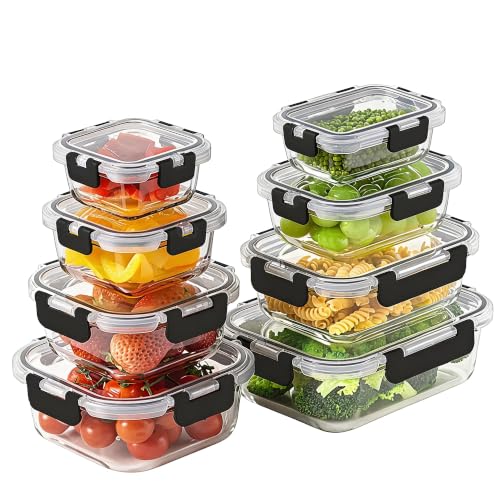

Pros & Cons
Pros
- Borosilicate glass handles a 750°F+ temperature swing, so the same dish reheats in the oven after freezing.
- Snap-lock lids with removable silicone rings stay leak-proof for commute-friendly soups and saucy lunches.
- Eight different sizes replace a mismatched drawer of plastic tubs with one cohesive system.
- BPA-free lids and non-porous glass resist tomato stains and lingering smells through repeated use.
Cons
- Lids are not oven, microwave, or dishwasher safe, so handwashing and lid removal are required for hot use.
- Prolonged dishwasher heat can deform the silicone seal strips, shortening lid life if not hand-washed.
Details
An 8-piece borosilicate glass storage set built to replace warped plastic tubs for meal prep, leftovers, and packed lunches.
The glass tolerates -4°F to 752°F, so a Sunday-prepped casserole goes from freezer to oven in the same dish.
Four-clip lids with silicone gaskets seal tightly against leaks, while clear glass walls show contents without opening.
Lids must be removed before oven or microwave use and are best hand-washed to protect the silicone seal.
Best for meal preppers and small households wanting graduated, oven-safe glass containers in one buy.
What Fits
The 150ml and 200ml sizes hold dips, dressings, baby food, or single-serve nuts. The 320ml and 370ml fit overnight oats, cut fruit, or a side salad.
Mid-range 520ml and 640ml containers hold a rice-and-protein lunch bowl or pasta portion. The 800ml square works for hearty grain bowls and family-size leftovers.
The 1040ml rectangle fits a chicken breast with two sides, sandwich halves, or a full soup serving for oven reheating.

Save $6.00
Pros & Cons
Pros
- Borosilicate construction handles sudden temperature changes that shatter standard glass containers.
- Four-latch lids create a tight seal that holds up for liquids like broth and salad dressing.
- Mixed rectangular and round shapes nest for compact fridge and cabinet storage.
- Glass stays clear after repeated dishwasher cycles and tomato-based meals.
Cons
- Lids are not oven safe and must be removed before baking, adding a step to reheat workflows.
- Silicone gasket lids should be hand-washed for longest life, despite the top-rack dishwasher rating.
Details
A 14-piece borosilicate glass set built for storing leftovers, packing lunches, and reheating prepped meals in one container.
Locking lids seal liquids without leaks, and the glass withstands temperatures up to 1076°F plus sudden freezer-to-oven transitions.
You get two 1.6-cup rectangles, two 4.5-cup rectangles, two 1.7-cup rounds, and one 4-cup round, all dishwasher safe.
Lids cannot go in the oven and seal best when hand-washed, so plan on removing them before baking.
Best for home cooks who batch-cook weekly and want one set that handles fridge, freezer, microwave, and oven duty.
What Fits
The 1.6-cup rectangles hold a single sandwich, cut fruit, or a side of rice. The 1.7-cup rounds fit soup portions, dips, or overnight oats for one.
The 4.5-cup rectangles handle family-size lasagna squares, roasted vegetables, or two adult lunch portions of pasta and protein.
The 4-cup round suits stews, chili batches, or a whole head of chopped lettuce, and stacks neatly above the smaller rounds in the fridge.

Pros & Cons
Pros
- Oven, microwave, freezer, and dishwasher safe, covering the full cook-store-reheat cycle.
- Crystal-clear lids and glass let you identify contents without opening or labeling.
- The 4.7-cup size holds a full dinner portion, soup serving, or batch of prepped grains.
- BPA-free glass construction avoids plastic taste and staining on acidic foods.
Cons
- Glass bases are noticeably heavier than plastic, which adds weight to a packed lunch bag.
- Lids need top-rack dishwasher placement and latches must be unlatched before microwaving, so there is a routine to learn.
Details
A set of three 4.7-cup glass storage containers with latching lids, built for cooks who currently move food between a baking dish, a storage tub, and a serving bowl.
The glass base is oven-safe to 450 degrees F, so a casserole bakes and then goes straight into the fridge under its own airtight lid. Vented lids allow splatter-free microwave reheating with latches open.
Six pieces total: three glass bases plus three crystal-clear lids that seal on all four sides. Square modular footprint stacks in the fridge, and the lids interchange with other Brilliance containers.
Glass adds real weight compared to plastic, and the bases can chip if knocked against a sink edge or dropped on tile.
Best for meal preppers and leftover savers who want one dish that bakes, seals, and serves.
What Fits
Each 4.7-cup container holds roughly a full single dinner portion: a chicken breast with rice and vegetables, a large soup or chili serving, or a batch of cooked grains for the week.
The depth suits saucy foods and layered dishes like lasagna portions, overnight oats, and marinating proteins. The airtight seal means dressings and broths travel upright or on their side.
Stack all three in a standard fridge shelf or freezer drawer. Lids swap with any other Brilliance container, so mixed glass and plastic sets share the same lid pool.

Pros & Cons
Pros
- Thick walls and heavy glass construction hold up to daily counter use and glass-on-glass lid contact.
- Lead-free and BPA-free glass won't leach chemicals or microplastics into dry goods.
- Made in Ohio by a US manufacturer operating since 1905.
- Matching glass lids look like intentional kitchen decor rather than mismatched storage.
Cons
- The lids sit on top rather than suction sealing, so these won't keep crackers crisp or coffee fresh the way a gasketed container will.
- Heavy glass at gallon size makes a full jar awkward to lift down from a high shelf.
Details
A set of two 1-gallon glass canisters with matching glass lids, built to get bulk flour, rice, and sugar out of bags and onto the counter in something you can see into.
The wide mouth is the functional win: a measuring cup fits inside, so you scoop instead of pour. Clear glass means no labeling and no guessing at what’s left.
Thick-walled, heavy glass that stays put during scooping. Lead-free and BPA-free, and it won’t warp, stain, or hold onto the smell of whatever it stored last.
The lids rest on the rims and don’t suction seal, so treat these as storage and display, not freshness preservation for coffee or crackers.
Best for home bakers who buy dry goods in bulk and want visible, counter-friendly canisters.
What Fits
One gallon takes a full 5-pound bag of flour with headroom, or roughly the same volume in sugar, rice, or rolled oats.
Also sized well for pasta, dried beans, whole coffee beans, cookies, candy, and pet treats. The wide mouth accommodates a standard 1-cup measure.
Skip it for anything needing a real seal: ground coffee, crackers, chips, or anything you’d otherwise vacuum-seal.
The Short Answer
The short version of glass kitchen storage: fit the appliance to your real cooking, not to a feature list. The practical takeaway is that speed under load matters more day to day than headline features. For product picks, compare best air fryer, best blender, and best instant pot.
Who Benefits Most
This matters most for gadget-minimalists who want one do-it-all unit, and families cooking in volume. If that is you, treat cleaning access, and storage bulk as non-negotiable. Casual users can relax the requirements and prioritize price and storage instead.
What To Look For
Hold a appliance to a short checklist: fit, control, cleanup, and durability. Those are the variables that decide whether it earns a spot in your kitchen or ends up unused. Ignore cosmetic upgrades until the fundamentals check out.
Why It Matters
You feel preset controls, storage bulk, and speed under load in the results far more than the price tag suggests. That is why two appliances that look alike can feel completely different in use — one saves time, the other quietly adds friction to every task. If you are shopping, our best air fryer and best blender guides are the fastest way in.
When It Is Worth Paying More
Spending up pays off when you use the appliance often enough to notice better easier cleanup every week. If it only comes out occasionally, a mid-range pick is the smarter call. Match the money to frequency of use, not marketing.
How To Get It Right
Think through the whole workflow: descaling water-based units, checking the seals and gaskets, and wiping the interior after use. A appliance that fits your routine and cleanup habits beats a technically superior one you fight with. We cover specific models in best air fryer, best blender, and best instant pot.
Related Product Guides
If this topic is part of a buying decision, these are the HomeWhisk guides most closely tied to it:
Frequently Asked Questions
What matters most for glass kitchen storage?
Focus on storage bulk, capacity and footprint, and build quality of seals first. Those decide real performance; the rest is secondary. Compare best air fryer and best blender for options that get the basics right.
What should I avoid?
Avoid buying by brand alone, ignoring not overfilling past the max line, and oversizing for your space. Each invites motors that bog down under load down the line.
How do I keep it in good shape?
Build letting the motor rest between heavy loads, and checking the seals and gaskets into normal cleanup. Light, consistent care prevents motors that bog down under load far better than occasional deep effort.
Who is this most useful for?
Mainly families cooking in volume, and small-kitchen owners. If that is you, treat capacity and footprint as a requirement rather than a nice-to-have.
Is a premium appliance worth it?
Only if you use it enough to notice better control, durability, or cleanup regularly. Occasional users are well served by a mid-range pick like those in best instant pot.
The Bottom Line
The simplest takeaway: buy for your real routine, not the most impressive feature list. Match the glass kitchen storage to your cooking frequency, cleanup habits, and storage, then use best air fryer, best blender, and best instant pot to compare actual products.




Write Your Review
No reviews yet. Be the first to share your experience!