

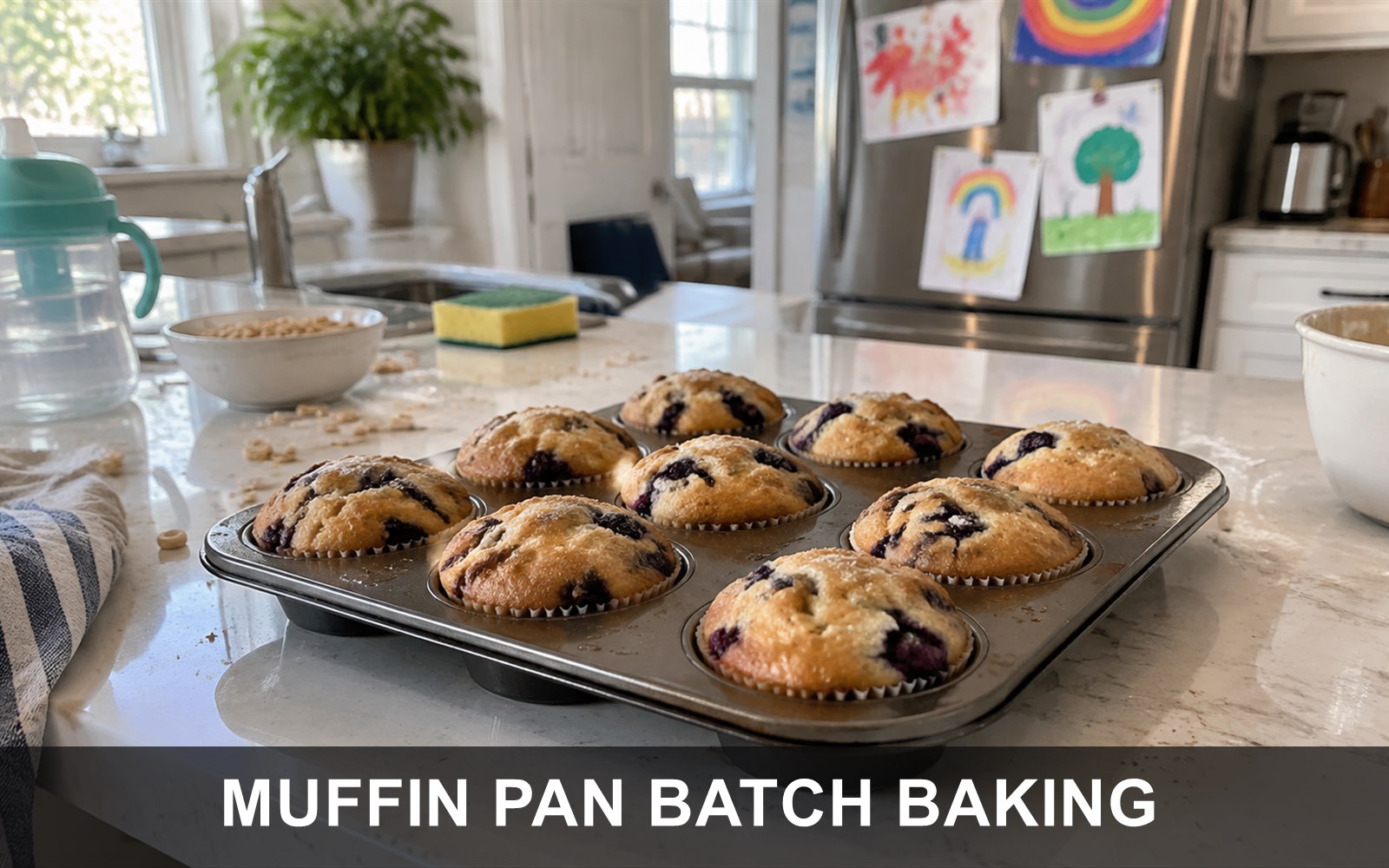
TL;DR — The best muffin pan for batch baking should match how you actually cook, how often you will use it, and how much maintenance you want. Prioritize proven construction, practical usability, easy cleaning, and long-term owner feedback over flashy feature lists. For adjacent picks, compare best baking sheet for batch baking, best baking sheets, best mixing bowls.
The HomeWhisk editorial team researches kitchen equipment by analyzing manufacturer specifications, construction details, and aggregated user reviews from major retailers and enthusiast communities. Our recommendations are based on what products actually deliver, not what brands promise.
For this guide, we reviewed muffin pan options through the lens of material, sizing, durability, cleaning, storage, accuracy, and home-baker feedback. If you are still comparing categories, see best baking sheet for batch baking, best baking sheets, best mixing bowls, best kitchen scale, best cutting board, best food storage containers for related commercial guides.
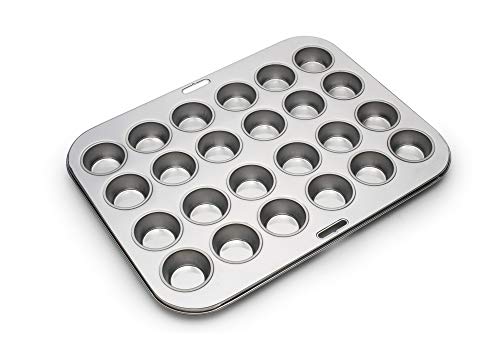
Editor’s Picks
| Category | Pick | Why |
|---|---|---|
| Best Overall | Top researched option from the list below | Strongest balance of performance, durability, and owner satisfaction |
| Best Value | Value-focused pick | Good daily usability without overpaying for cosmetic extras |
| Best for Beginners | Easiest-maintenance option | Simple to use, clean, store, and maintain |
Save $14.20


Pros & Cons
Pros
- The two-pan format covers both standard muffins and mini treats without requiring separate purchases.
- Metal-reinforced frames provide more stable handling than unsupported flexible silicone.
- BPA-free, food-grade silicone is designed to resist odors and stains for regular baking.
- Oven, freezer, and dishwasher compatibility supports flexible meal prep and easier cleanup.
Cons
- The listing does not provide the pans' weight, so portability cannot be assessed from the available specifications.
- Silicone bakeware can require careful support when filled despite the reinforced frames.
Details
This BAKE BOSS set solves the need for two muffin sizes in one purchase, combining a 12-cup regular pan with a 24-cup mini pan.
Metal-reinforced frames keep filled pans steadier, while nonstick silicone helps baked goods release without liners or spray.
Food-grade, BPA-free silicone resists odors and stains. The oven-safe pans handle temperatures up to 450°F, and their freezer-safe, dishwasher-safe design suits daily use.
The product listing does not provide a weight, and flexible silicone still benefits from careful handling when filled.
Best for families, party hosts, and meal-prep bakers who want regular and mini baking capacity.
Cooking Tips
Place each silicone pan on a sturdy baking sheet before filling to make transferring it to and from the oven easier.
Use the 12-cup pan for standard muffins and cupcakes, and the 24-cup pan for mini muffins, egg bites, or brownie cups.
Let baked goods cool briefly before releasing them from the silicone, then use the dishwasher for cleanup.

Pros & Cons
Pros
- The reinforced metal frame addresses the bending and spilling common with unsupported silicone molds.
- The standard 12-cup and mini 24-cup formats provide flexible portion sizing for family baking and snacks.
- BPA-free, odorless silicone is suitable for homemade baby food, egg bites, and other family recipes.
- Nonstick release and dishwasher compatibility make routine baking cleanup easier.
Cons
- The product data does not list the trays' exact dimensions or weight, so storage fit cannot be confirmed.
- The listing does not specify an operating temperature range, so buyers should check the manufacturer's guidance for high-heat recipes.
Details
This two-piece set solves the handling problem of floppy silicone bakeware, combining a standard 12-cup tray with a mini 24-cup tray.
Metal reinforced frames keep each pan stable while filling, carrying, and placing it in the oven, while the silicone surface supports easy food release.
Both trays use BPA-free food-grade silicone and are designed for oven, microwave, freezer, and dishwasher use. Exact weight is not provided.
The listing does not state the operating temperature range, so verify manufacturer guidance before high-heat baking.
Best for home bakers and parents making varied portions, snacks, egg bites, or homemade baby food.
Cooking Tips
Use the 12-cup tray for muffins, cupcakes, pot pies, and larger egg bites. Choose the 24-cup tray for mini quiches, toddler snacks, chocolates, or small frozen portions.
Place the silicone trays on a stable surface before filling, then use the reinforced frame to carry them to the oven without bending.
Let baked foods release naturally, then rinse the trays or place them in the dishwasher for easier cleanup.

At a Glance: Comparison Table
| Factor | Why It Matters | What to Look For |
|---|---|---|
| Build quality | Determines lifespan and reliability | Solid materials, good fit-and-finish, few recurring owner complaints |
| Daily workflow | Determines whether you actually use it | Easy setup, cleanup, storage, and repeatable results |
| Maintenance | Prevents premature replacement | Clear care requirements that match your habits |
| Size and fit | Prevents overbuying | Capacity or dimensions that fit your household and kitchen |
| Value | Keeps the purchase practical | Pay for performance, not just brand name or appearance |
How We Evaluated These Products
This guide is research-based. The HomeWhisk team reviewed product specifications, owner-review patterns, retailer listings, and community feedback to identify which muffin pan options show the strongest combination of usable performance and long-term satisfaction. We do not claim direct product testing; instead, we synthesize repeated signals across many sources.
We paid special attention to recurring complaints because they reveal what matters after the first week: warping, dulling, weak motors, awkward cleaning, unreliable controls, poor handles, storage problems, and whether a product feels worth the price after repeated use.
What Actually Matters:
Material and durability
Material and gauge drive how evenly a muffin pan bakes and how long it lasts. Heavier aluminum and steel resist the hot spots and warping that plague thin, flimsy sheets, but they take longer to come up to temperature. Match the gauge to your oven and patience: thick pans reward slow, even bakes, while lighter ones heat fast at the cost of uniformity.
Sizing and capacity
Rim design and flatness decide whether the pan stays true through hundreds of hot-to-cold cycles. A rolled or encapsulated rim adds rigidity that fights the twist and buckle you hear as a bang in a hot oven. Set the pan on a flat surface and look for a dead-flat base — a rocking or bowed pan browns unevenly and never quite recovers.
Cleaning and storage
Surface finish and release govern the daily annoyance of sticking and scrubbing. Weigh bare aluminum and steel, which brown beautifully but need greasing or liners, against nonstick and ceramic coatings that release easily but wear and dislike metal tools and high heat. The right finish depends on what you bake most and how gentle you are willing to be with it.
Accuracy and consistency
Size, storage, and oven fit are easy to overlook until the pan does not fit. Measure your oven’s usable width with room for air to circulate, and think about how the pan nests or hangs in your cabinets. For batch baking, a slightly smaller pan that fits comfortably and stores without a fight beats an oversized one that bakes poorly against the walls.
Price and practical value
Care routine and long-term value depend on how the muffin pan ages under real use. Coated pans simplify cleanup but have a finite lifespan; bare metal is nearly immortal but wants drying and the occasional scrub to stay rust-free and non-sticky. Choose the maintenance story you will actually follow, because the pan you care for correctly is the one that lasts.
Frequently Asked Questions
What is the best muffin pan for most people?
The best choice is the one that fits your actual use case, maintenance habits, and budget. Start with the options in this guide, then compare related categories like best baking sheet for batch baking and best baking sheets.
Is it worth paying more?
It is worth paying more when the upgrade improves durability, usability, or performance you will notice often. It is not worth it for cosmetic features you rarely benefit from.
What should beginners prioritize?
Beginners should prioritize easy cleaning, forgiving materials, simple controls or maintenance, and a size that fits their kitchen.
What should I avoid?
Avoid vague materials, poor owner feedback, oversized products, hard-to-clean designs, and bundles that add pieces you will not use.
How long should it last?
A well-chosen product should last years with normal care, though lifespan depends on material, maintenance, and frequency of use.
What is the buying takeaway?
Choose the product that solves the daily job cleanly and reliably. If you need broader context, compare best baking sheet for batch baking, best baking sheets, best mixing bowls, best kitchen scale before deciding.
Our Top Pick
The best muffin pan is the one that balances performance, maintenance, and value for your kitchen. Buy for real workflow first: how you cook, how often you use it, how easily it cleans, and whether it fits your storage. For most readers, comparing best baking sheet for batch baking, best baking sheets, best mixing bowls is the smartest next step.






Write Your Review
No reviews yet. Be the first to share your experience!