

TL;DR — A comparison like air fryer vs vacuum sealer only helps if it connects the difference to real kitchen use, not just specs. When this turns into a purchase decision, compare best air fryer, best vacuum sealer, and best deep fryer before narrowing your shortlist.
The HomeWhisk approach is research-first: compare construction, usability, cleaning, and long-term complaints before recommending a direction. For appliance topics, we pay close attention to capacity, controls, cleanup, storage, reliability complaints, and whether the machine saves enough effort to justify the space.


Pros & Cons
Pros
- Three seal modes (dry, moist, double) and two vacuum pressures give you control over delicate items like berries and sturdy cuts like steaks without switching machines.
- 130-watt double pump seals faster and more thoroughly than budget single-pump units, based on user reports of consistent suction across hundreds of bags.
- Includes two starter rolls (8.6-inch and 11.8-inch) and works with any brand of vacuum sealer bags, so you're not locked into proprietary refills.
Cons
- At 130 watts, it draws more power than compact sealers and may trip older kitchen circuits if used alongside high-draw appliances.
- The drip tray requires hand-washing after sealing moist foods like marinated meat, adding a cleanup step that fully sealed units avoid.
Details
The Nesco VS-12 is a countertop vacuum sealer that removes air from plastic bags to extend freezer and refrigerator life for meal-prepped portions, bulk grocery buys, and leftovers.
Its 130-watt double pump pulls air faster than single-pump models, while three seal settings (dry, moist, double) and two vacuum pressures (normal, gentle) handle everything from soup to strawberries without crushing or leaking.
The unit includes built-in roll storage, a sliding bag cutter, and a clear viewing lid, weighing enough to stay stable during sealing but compact enough to store in a pantry between uses.
The drip tray catches liquids during moist seals but requires hand-washing, and the machine draws more power than budget sealers, which may matter in older kitchens.
Best for home cooks who meal-prep weekly, buy meat in bulk, or freeze garden harvests and need consistent seals across a variety of food types.
How to Use
Plug in the sealer and choose your seal mode: dry for solid foods, moist for marinated or wet items, double for extra-strong closures on liquids or long-term freezer storage.
Select normal vacuum for firm foods like chicken breasts or vegetables, or gentle vacuum for soft items like bread, cakes, or berries that crush under full suction.
Place the open end of the bag in the vacuum channel, press the easy-lock handle down until it clicks, and the machine automatically vacuums and seals. The viewing window lets you confirm alignment before starting.
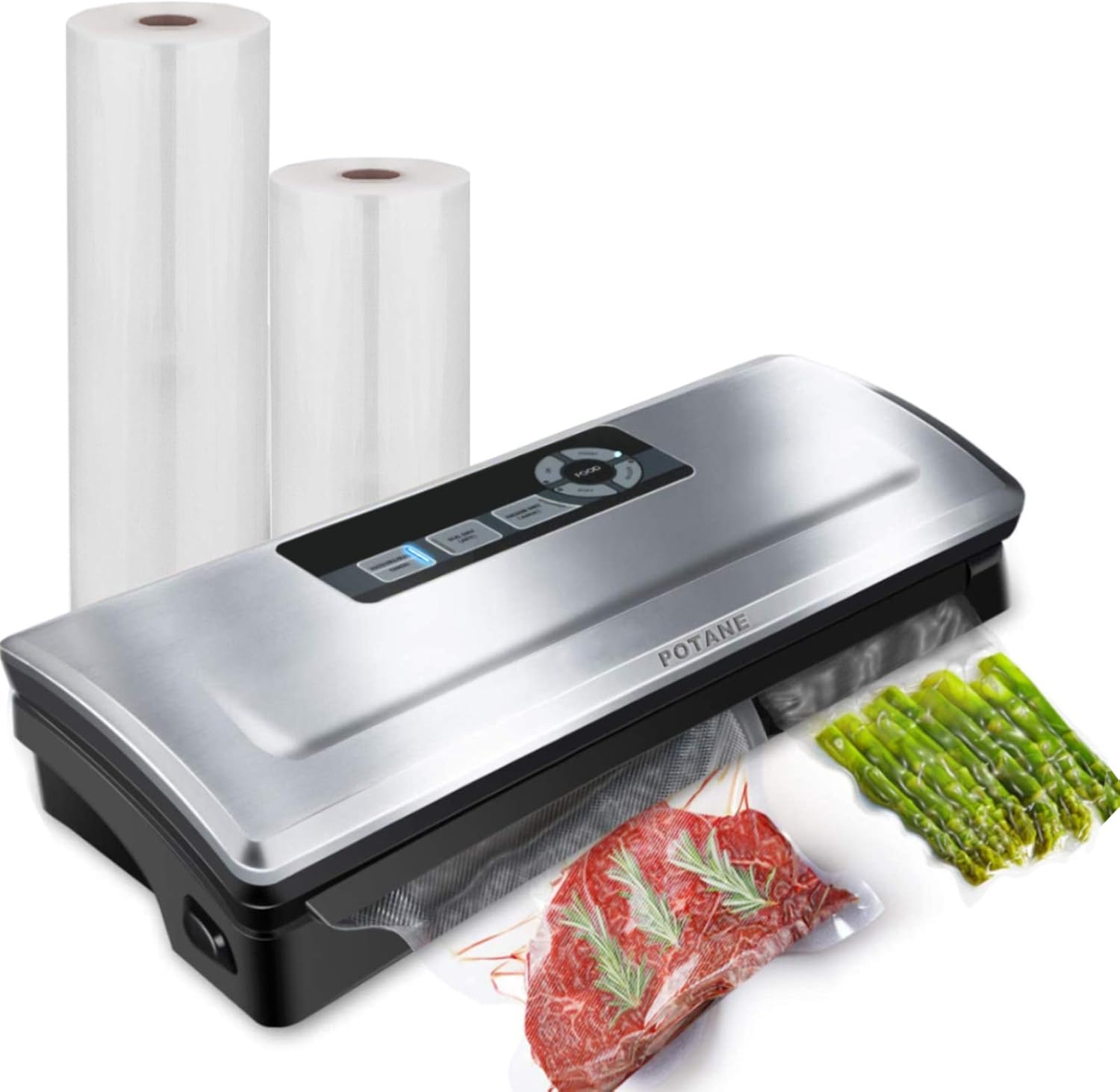
Save $37.01
Pros & Cons
Pros
- Brushless motor runs quieter and lasts longer than brush motors in competing models at this price point.
- Four dedicated food modes sense texture and moisture level to prevent over-vacuuming delicate items like pastries or soft cheeses.
- Sloped design channels liquid away from the vacuum chamber, a feature typically found only in professional-grade sealers.
Cons
- Starter kit includes limited bags; users report needing to buy additional rolls within the first month of regular use.
- The 11-inch sealing width cannot accommodate extra-wide bags for large roasts or whole fish.
Details
This countertop vacuum sealer removes air from specially designed bags to slow oxidation and bacterial growth that spoil refrigerated and frozen food.
The brushless motor generates stronger suction than brush motors, while dual heating wires create a 3mm-wide seal that resists punctures from bone shards or ice crystals. The sloped top angles liquid away from the vacuum pump when sealing marinated proteins.
The unit measures 14.5 x 5.9 x 3.1 inches and weighs 3.2 pounds. Silver ABS plastic housing wipes clean. Eight touch controls on top panel select dry, moist, soft, or delicate modes plus manual vacuum and seal functions.
The 11-inch maximum sealing width limits use to standard and wide-mouth bags; gallon-plus sizes require folding or won’t fit. Continuous sealing heats the wire, requiring 20-second cool-down intervals every 3-4 bags.
Best for households that freeze meat in bulk, preserve garden harvests, or prep grab-and-go meals in advance.
How to Use
Place food in the bag 3 inches from the open end. Insert the open end into the vacuum channel until it touches the back wall. Close the lid firmly until both sides click.
Press the mode button for your food type: Dry for grains and baked goods, Moist for raw meat and fish, Soft for bread and pastries, Delicate for berries and leafy greens. The machine automatically vacuums and seals when the correct pressure is reached.
For liquids like soup, freeze flat in the bag first, then vacuum seal the frozen block to prevent liquid from being drawn into the machine. Wipe the vacuum channel with a damp cloth after sealing wet foods.
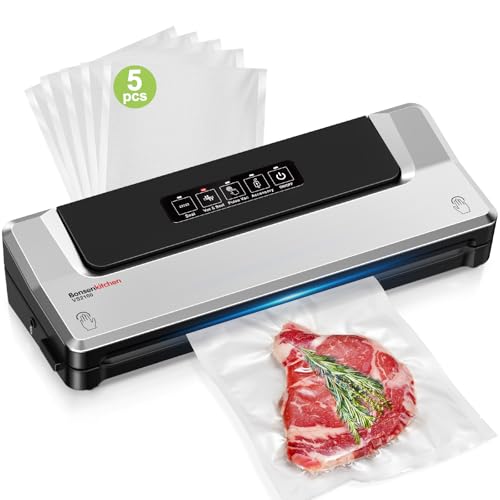
Pros & Cons
Pros
- Four operating modes provide automatic sealing, manual suction control, sealing-only, and accessory vacuuming.
- The 2.7-pound compact design is easier to move and store than a bulkier countertop sealer.
- The starter kit includes five vacuum bags, an air suction hose, two external interfaces, and tutorials.
- A three-year quality commitment provides longer coverage than the original one-year period.
Cons
- Only five vacuum bags are included, so frequent batch sealing will require additional supplies.
- The product data does not specify the included bags' dimensions or material compatibility.
Details
This compact vacuum sealer removes air and creates airtight seals to help reduce freezer burn and keep prepared food fresh longer.
Vac & Seal handles firm foods automatically, while Pulse Vac gives you more control with bread, soft foods, and foods containing soup.
The 2.7-pound body measures 15.28 by 5.71 by 3.03 inches, making drawer or cabinet storage practical for everyday kitchens.
The listing does not specify the included bags’ dimensions or material compatibility, so buyers should verify replacement bag requirements.
Best for meal preppers who need fast batch sealing, flexible suction control, and compact storage.
How to Use
Place food in a compatible vacuum bag, leave space near the opening, and select Vac & Seal for firm foods such as meat, nuts, and vegetables.
Choose Pulse Vac for soft or moist foods, stopping suction manually before selecting Seal when needed.
Use Seal alone for opened chip bags, or connect the hose and included interfaces when vacuuming compatible jars or sous vide bags.
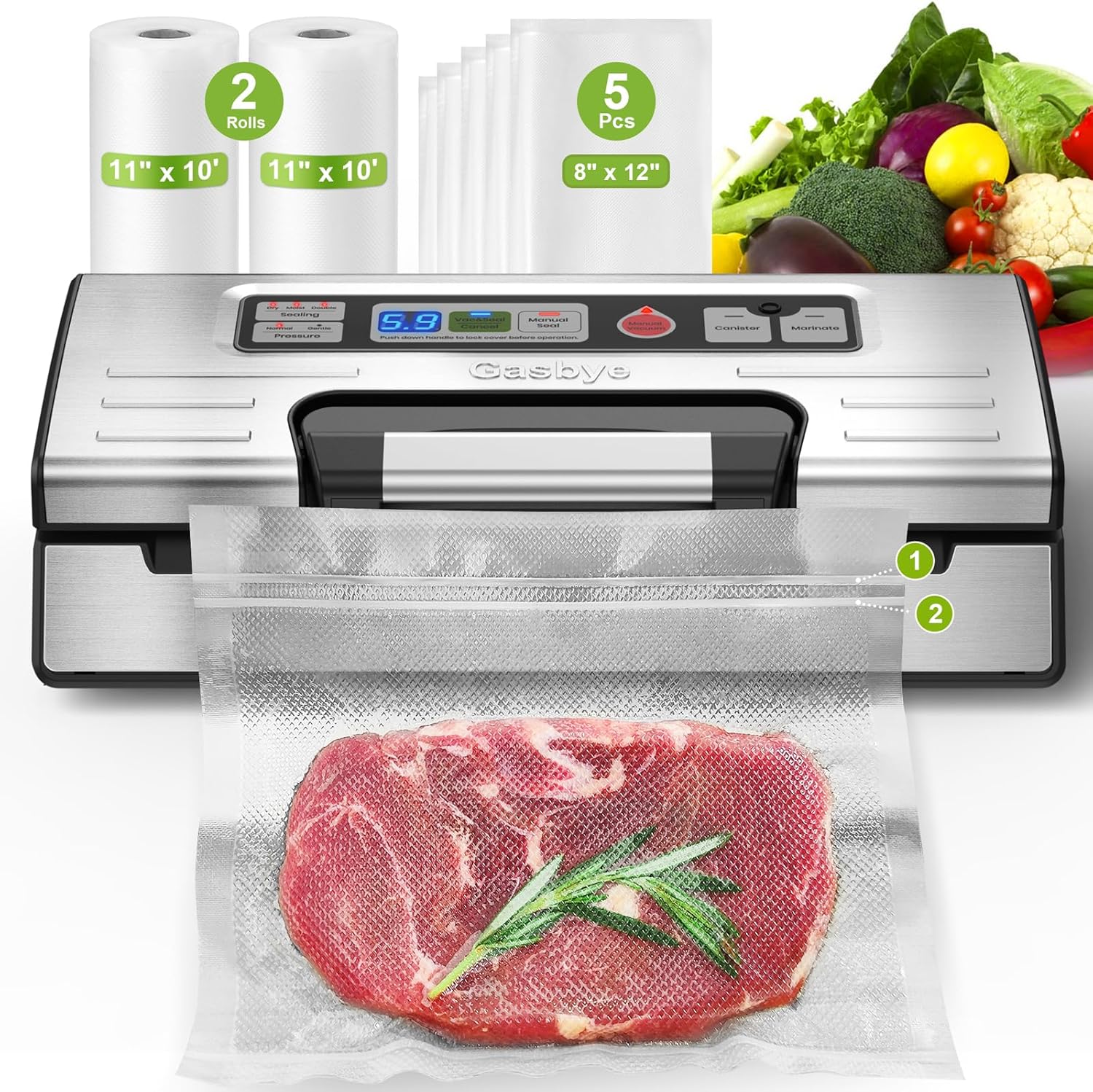
Pros & Cons
Pros
- 95kPa suction power removes air quickly and consistently, even from large bags filled with bulky items.
- Pulse mode gives manual control for sealing fragile foods or stopping suction before liquids get pulled into the machine.
- Starter kit includes 5 pre-cut bags, two 11-inch rolls, 2 replacement gaskets, and an external hose so you can start sealing immediately.
Cons
- No customer reviews yet, so real-world durability and performance over time are unverified.
- Compatible vacuum food containers sold separately, adding extra cost if you plan to seal marinated or saucy foods.
Details
The Gasbye VS5166 is a countertop vacuum sealer designed to remove air from textured bags before heat-sealing them shut. It solves the problem of freezer burn, food waste, and short shelf life by creating airtight storage for meal prep, bulk cooking, and sous vide.
The 95kPa suction motor removes air faster than lower-powered models, and pulse mode lets you stop and start suction manually to protect delicate foods or prevent liquids from being drawn out. The double heat seal uses two strips instead of one, creating a stronger bond that resists leaks during freezer storage or water-bath cooking.
The unit is made with a metal handle instead of plastic, measures compact enough for countertop use, and includes a built-in roll compartment with a sliding cutter. The 5.2-foot power cord is longer than the 3.9-foot standard on older models. A removable drip tray sits under the sealing channel to catch liquid overflow.
The machine does not include vacuum food containers, which must be purchased separately if you want to seal marinated meats or saucy dishes without pulling liquid into the unit.
Best for home cooks who freeze meals in bulk, sous vide regularly, or want a repairable machine with long warranty coverage instead of a disposable model.
How to Use
Place food in a textured vacuum bag, leaving at least 3 inches of space between the food and the open edge. Insert the open end into the sealing channel and close the lid using the metal handle until it clicks.
Press Auto Vac & Seal for automatic operation, or use Pulse mode to manually control suction in short bursts. Pulse is useful when sealing soft items like muffins or liquids like marinated steak, letting you stop before the bag contents get crushed or drawn toward the machine.
For sous vide cooking, use the double seal setting to create two heat lines instead of one. This reduces the risk of leaks during long water-bath cooks. After sealing, wipe the drip tray if any liquid collected, then store sealed bags flat in the freezer or refrigerator.
Air fryer vs Vacuum sealer: The Core Difference
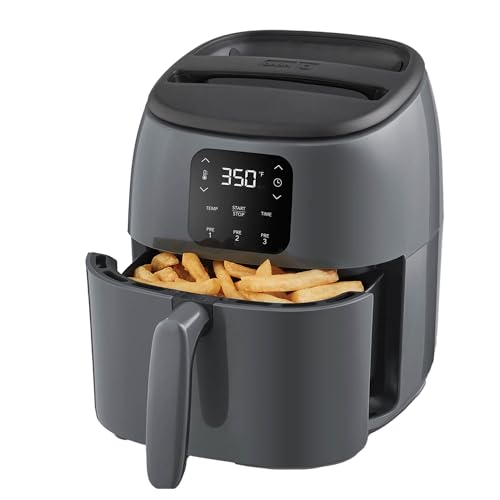
The air fryer-versus-vacuum sealer question turns on your normal cooking, not on a spec-sheet winner. One option may feel more precise, while the other is often more forgiving and versatile. For product picks, compare best air fryer, best vacuum sealer, and best deep fryer.
Head To Head
Best fit: Air fryer makes sense when its specific strengths match the work you do most; vacuum sealer is better when you want broader everyday use.
Daily effort: compare cleaning, storage, and maintenance before you compare minor feature differences.
Value: paying more only helps if the difference shows up in your normal routine.
Risk: the wrong pick usually becomes annoying later — harder cleanup, awkward handling, or a tool that sits unused.
When Air fryer Wins
Choose air fryer when its main job lines up with your normal prep. Used for the right work, it feels more purposeful than the more general option. If you are shopping, our best air fryer and best vacuum sealer guides are the fastest way in.
When Vacuum sealer Wins
Vacuum sealer makes more sense when you value versatility and simpler upkeep. If vacuum sealer covers most of your cooking without fuss, the specialized option may be overkill.
Where Each One Wins
Reach for the more specialized option when its strengths line up with the work you do most. Choose the versatile one when everyday reliability matters more than a narrow advantage. Start your shortlist with best air fryer, best vacuum sealer, and best deep fryer before narrowing by budget.
Related Product Guides
If this topic is part of a buying decision, these are the HomeWhisk guides most closely tied to it:
- best air fryer
- best vacuum sealer
- best deep fryer
- best blender
- best instant pot
- best stand mixer
- best toaster oven
Frequently Asked Questions
Should I choose air fryer or vacuum sealer?
Neither wins outright — pick air fryer for a more focused job, vacuum sealer for easier everyday versatility. Compare best air fryer and best vacuum sealer for real models.
What is the main difference between air fryer and vacuum sealer?
It comes down to build quality of seals versus convenience and cost. Match the winner to how often you cook and the lingering odors you most want to avoid.
What matters most for air fryer?
Focus on storage bulk, capacity and footprint, and cleaning access first. Those decide real performance; the rest is secondary. Compare best air fryer and best vacuum sealer for options that get the basics right.
How do I keep it in good shape?
Build checking the seals and gaskets, and cleaning removable parts by hand into normal cleanup. Light, consistent care prevents motors that bog down under load far better than occasional deep effort.
Is a premium appliance worth it?
Only if you use it enough to notice better control, durability, or cleanup regularly. Occasional users are well served by a mid-range pick like those in best deep fryer.
The Bottom Line
For most home cooks, the best choice is the one that removes friction without adding maintenance you will ignore. Start with your use case, then cross-check best air fryer, best vacuum sealer, and best deep fryer.




Write Your Review
No reviews yet. Be the first to share your experience!