

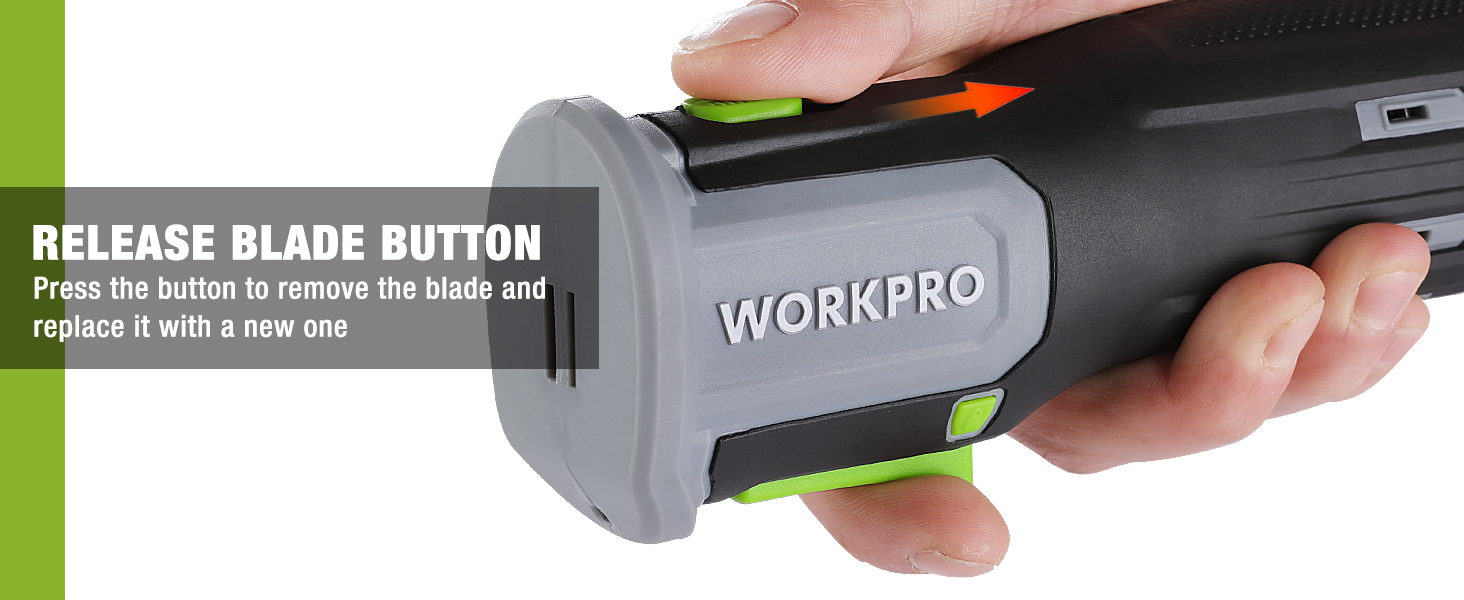
An electric fillet knife occupies a specialized but genuinely valuable position in the kitchen toolkit — one that becomes most apparent when working with whole fish, large catches, or any filleting task where blade consistency and reduced hand fatigue matter more than the meditative rhythm of a manual fillet knife. The HomeWhisk research team analyzed manufacturer specifications, aggregated owner reviews from Amazon verified purchasers and fishing community forums including Reddit r/Fishing and r/FishingForBeginners, and published performance data across the top-selling electric fillet knife models to identify options that deliver clean, efficient filleting across species ranging from panfish to saltwater game fish. For cooks who also need a versatile powered blade for general carving and bread slicing, our guide to the best electric knife covers that broader category with models optimized for turkey, roasts, and multi-purpose kitchen cutting rather than the thin, flexible blade geometry that defines a dedicated fillet knife. What separates a capable electric fillet knife from a mediocre one involves more than motor wattage or brand recognition. The HomeWhisk team evaluated blade flexibility and taper profiles, motor torque under load, corded versus cordless runtime trade-offs, blade length options matched to specific fish species, and the cleaning and maintenance considerations that affect long-term ownership satisfaction. Aggregated reviews across thousands of verified purchases — combined with manufacturer documentation on blade alloy composition and motor engineering — reveal clear performance tiers that this guide maps directly to real-world filleting scenarios. Whether you process a cooler full of walleye after a weekend trip or break down a single salmon for dinner, the right electric fillet knife reduces waste, speeds up the process, and produces fillets that look like they came from a professional fish counter. Anglers and outdoor cooks who need a versatile fixed blade for camp prep and general outdoor cutting work may also want to review our guide to the best camping knife, which covers that companion category.

For more, see our What Is a Fillet Knife Used for and Electric vs Manual Knife Sharpener guides.
The Best Deals This Week*
-
Rapala R12 Heavy-Duty Lithium Cordless Electric
$141.09
($165.99)Save $24.90 -
DURATECH 12V Cordless Electric Fillet Knife
$60.99
($69.99)Save $9.00
*Deals are selected by our commerce team
Deeper Dive: Our Top Picks
Our Top Picks

WORKPRO
12V Cordless Electric Fillet Knife with 8" & 10" Blades
This cordless electric fillet knife cuts fish 3x faster than manual knives with reciprocating razor blades that handle everything from delicate flounder to dense tuna. Buy it if you fillet fish regularly and want to reduce hand fatigue while getting restaurant-quality results.
Pros and Cons
Pros
- Two batteries included with fast 1-hour charger means you always have backup power ready for extended filleting work.
- Weighs only 1 lb, making it comfortable to hold and control for the 20-30 minutes needed to process a full catch.
- Premium carbon stainless steel blades cut cleanly through skin and bone without crushing delicate flesh like manual knives often do.
Cons
- Requires regular battery charging; not ideal if you fillet only once or twice per year and want instant readiness.
- Reciprocating motion takes practice to control smoothly; beginners may produce rougher cuts until they develop proper technique.

RAPALA
R12 Heavy-Duty Lithium Cordless Electric Fillet Knife for Fish and Meat Prep
This rechargeable electric fillet knife delivers 80 minutes of runtime and handles large fish and thick cuts of meat with a heavy-duty motor that eliminates hand fatigue. Buy it if you regularly process fresh catch or break down whole poultry and need precision cuts without the arm strain of manual knives.
Pros and Cons
Pros
- Lithium battery holds charge longer than older NiCad models and delivers consistent power throughout the 80-minute runtime.
- Motor handles tough cuts through cartilage and thick skin that would dull or bind manual fillet knives.
- Two blade sizes cover most filleting tasks from trout to tuna without needing to buy additional blades separately.
Cons
- At over $140, this costs significantly more than basic corded electric fillet knives, though the cordless convenience and battery technology justify the premium for frequent users.
- Heavier than a manual fillet knife due to the motor and battery, which may feel cumbersome for users with smaller hands during long sessions.

KastKing
Speed Demon 110V Electric Fillet Knife for Fish with High Torque Motor and Titanium Blades
This electric fillet knife cuts through fish and meat with a 15500 rpm motor and includes two blade sets with corrosion-resistant titanium coating for lasting sharpness. Best for anglers and home cooks who regularly process fresh fish and want professional-grade filleting without the arm fatigue of manual knives.
Pros and Cons
Pros
- Motor delivers consistent power through thick fish skin and rib bones without bogging down, according to reviewers who process large catches.
- Titanium coating on blades resists corrosion from repeated exposure to fish oils and moisture, maintaining edge sharpness longer than uncoated steel.
- Balanced weight distribution prevents wrist fatigue during filleting, noted by users who switched from heavier corded models.
Cons
- Corded design limits mobility compared to battery models, requiring proximity to an outlet or generator for outdoor use.
- Blade activation requires precise installation of rivets and trigger lock position, which some users found finicky during initial setup.

OldTimer
Old Timer Rechargeable Electric Fillet Knife for Fish and Meat – 8-Inch Stainless Steel Blade with Lithium-Ion Battery
This rechargeable electric fillet knife cuts through fish and meat with an 8-inch serrated blade that combines sawing efficiency with the curved profile needed for precision filleting. Best for anglers and home cooks who process fresh catches or break down poultry regularly and want cordless convenience without sacrificing power.
Pros and Cons
Pros
- Cordless design lets you work at the dock, campsite, or any kitchen counter without hunting for outlets.
- Blade removes in seconds for thorough cleaning, which matters when handling raw fish oils and proteins.
- Safety lock prevents accidental starts when storing or transporting the knife in its carry bag.
Cons
- Battery life between charges is not specified in product details, so heavy users processing large catches may need to plan charging windows.
- At 1.4 pounds, it is heavier than corded models, which could tire hands during extended filleting sessions.

DURATECH
12V Cordless Electric Fillet Knife with Built-In Battery
This cordless electric fillet knife runs on a built-in 2.0Ah battery with Type-C charging, eliminating the need to swap battery packs while processing your catch. Buy it if you fillet fish regularly and want a lightweight tool that charges like your phone and includes both flex and stiff blades.
Pros and Cons
Pros
- Built-in battery eliminates the bulk of removable battery packs and lets you charge anywhere with a Type-C cable.
- Includes both an 8-inch flexible blade for delicate filleting and a 10-inch stiff blade for cutting through larger fish.
- Weighs just 1.26 pounds, making extended filleting sessions less tiring than heavier electric models.
Cons
- Battery requires recharging every 3 to 6 months even when not in use, adding a maintenance step if you fish seasonally.
- No customer reviews yet to confirm real-world battery life per charge or blade durability over time.
Editors' Picks
WORKPRO 12V Cordless Electric Fillet Knife with 8" & 10" Blades
WORKPRO
12V Cordless Electric Fillet Knife with 8" & 10" Blades
This cordless electric fillet knife cuts fish 3x faster than manual knives with reciprocating razor blades that handle everything from delicate flounder to dense tuna. Buy it if you fillet fish regularly and want to reduce hand fatigue while getting restaurant-quality results.
$79.99 at AmazonEditors' Favorite
Recommended Uses For Product: Fishing and Filleting Brand Name: WORKPRO Age Range Description: Adult Included Components: Battery Model Number: W125223AE Customer Package Type: FFP Set Name: 2-Blade and 2-Battery Pack Set UPC: 820909687856 Part Number: W125223AE Best Sellers Rank: #4,798 in Sports & Outdoors (See Top 100 in Sports & Outdoors) #2 in Fishing Filet & Bait Knives ASIN: B0C2YJW9P5 Customer Reviews: 4.7 4.7 out of 5 stars (774) 4.7 out of 5 stars Blade Length: 10 Inches Item Length: 14.17 Inches Special Features: Lightweight Blade Shape: Serrated Blade Edge: V-Grind Reusability: Reusable Orientation: Vertical Blade Type: Reciprocating Color: BLACK Style: Compact Item Shape: Elongated Handle Material: Metal Blade Material: Stainless Steel Product Care Instructions: Hand Wash Only Brand: WORKPRO Special Feature: Lightweight Age Range (Description): Adult
Shop NowRAPALA R12 Heavy-Duty Lithium Cordless Electric Fillet Knife for Fish and Meat Prep
RAPALA
R12 Heavy-Duty Lithium Cordless Electric Fillet Knife for Fish and Meat Prep
This rechargeable electric fillet knife delivers 80 minutes of runtime and handles large fish and thick cuts of meat with a heavy-duty motor that eliminates hand fatigue. Buy it if you regularly process fresh catch or break down whole poultry and need precision cuts without the arm strain of manual knives.
$141.09 at AmazonGreat Value
Recommended Uses For Product: Manufacturing Brand: Rapala Model Name: Rapala R12 Heavy-Duty Lithium Fillet Knife Combo, Powerful Electric Fish Cleaning Knife With Rechargeable Battery See more Special Feature: Heavy-duty Age Range (Description): Adult Included Components: Knife, 2 blades,2 batteries, charging base, case Handle Material: Rubber Color: Multi Blade Material: High Carbon Steel Style: Knife Combo
Shop NowKastKing Speed Demon 110V Electric Fillet Knife for Fish with High Torque Motor and Titanium Blades
KastKing
Speed Demon 110V Electric Fillet Knife for Fish with High Torque Motor and Titanium Blades
This electric fillet knife cuts through fish and meat with a 15500 rpm motor and includes two blade sets with corrosion-resistant titanium coating for lasting sharpness. Best for anglers and home cooks who regularly process fresh fish and want professional-grade filleting without the arm fatigue of manual knives.
$49.99 at AmazonRecommended Uses For Product: Fishing, Outdoors Brand Name: KastKing Model Name: Speed Demon 110v Electric Fillet Knife Age Range Description: Adult Included Components: Knife & 2 Blades, 8 Foot Power Cord, Protective Case Customer Package Type: FFP Set Name: Angler Pack Manufacturer: KastKing Part Number: 110VFKOR Unit Count: 1.0 Count Best Sellers Rank: #15,880 in Sports & Outdoors (See Top 100 in Sports & Outdoors) #20 in Fishing Filet & Bait Knives ASIN: B0CXY3CDTL Customer Reviews: 4.3 4.3 out of 5 stars (556) 4.3 out of 5 stars Item Length: 14.56 Inches Size: 7 inches, 9 inches Special Features: Powerful High Torque AC Motor, Balanced Design & Elastomer Handle, 8 Foot Power Cord, Superior 420 Stainless Blade, Protective Case Power Source: Corded Electric Blade Shape: Drop Point Blade Edge: 420 Stainless Steel with Titanium Plating Reusability: Reusable Orientation: handheld Blade Type: Straight Edge Is Product Cordless: No Color: Orange Style: 7 & 9'' Fillet Knife Theme: Fishing Item Shape: elongated with pointed tip and handle Handle Material: Thermoplastic Elastomers (TPE) Blade Material: Stainless Steel Product Care Instructions: Hand Wash Only Brand: KastKing Special Feature: Powerful High Torque AC Motor, Balanced Design & Elastomer Handle, 8 Foot Power Cord, Superior 420 Stainless Blade, Protective Case See more Age Range (Description): Adult
Shop NowOldTimer Old Timer Rechargeable Electric Fillet Knife for Fish and Meat – 8-Inch Stainless Steel Blade with Lithium-Ion Battery
OldTimer
Old Timer Rechargeable Electric Fillet Knife for Fish and Meat – 8-Inch Stainless Steel Blade with Lithium-Ion Battery
This rechargeable electric fillet knife cuts through fish and meat with an 8-inch serrated blade that combines sawing efficiency with the curved profile needed for precision filleting. Best for anglers and home cooks who process fresh catches or break down poultry regularly and want cordless convenience without sacrificing power.
$45.98 at AmazonRecommended Uses For Product: Fishing Brand Name: Old Timer Model Name: Cordless Electric Fillet Knife Age Range Description: Adult Included Components: Sheath Model Number: 1140756 Customer Package Type: FFP Manufacturer: American Outdoor Brands UPC: 661120107491 Part Number: 1140756 Warranty Description: 1 year manufacturer Unit Count: 1.0 Count Item Type Name: Fillet Knife Best Sellers Rank: #11,368 in Kitchen & Dining (See Top 100 in Kitchen & Dining) #3 in Electric Knives ASIN: B08MWTB4VZ Customer Reviews: 4.5 4.5 out of 5 stars (1,135) 4.5 out of 5 stars Special Features: Replaceable Blades, Textured Comfort Grip, Battery Indicator, Safety Lock, Cordless Lithium Ion Battery Power Source: Manual Hand Orientation: Ambidextrous Blade Shape: Trailing Point Blade Edge: Serrated Reusability: Reusable Blade Type: Serrated Is Product Cordless: Yes Color: Stainless Steel Style: Cordless Item Shape: Rectangular Handle Material: Stainless Steel Blade Material: Stainless Steel Product Care Instructions: Hand Wash Only Blade Length: 8 Inches Item Weight: 1.4 Pounds Item Length: 8.25 Inches Size: 8" Brand: Old Timer Special Feature: Replaceable Blades, Textured Comfort Grip, Battery Indicator, Safety Lock, Cordless Lithium Ion Battery See more Age Range (Description): Adult
Shop NowDURATECH 12V Cordless Electric Fillet Knife with Built-In Battery
DURATECH
12V Cordless Electric Fillet Knife with Built-In Battery
This cordless electric fillet knife runs on a built-in 2.0Ah battery with Type-C charging, eliminating the need to swap battery packs while processing your catch. Buy it if you fillet fish regularly and want a lightweight tool that charges like your phone and includes both flex and stiff blades.
$60.99 at AmazonBrand Name: DURATECH UPC: 820909620488 Part Number: DT105193AE Unit Count: 1.0 Count Best Sellers Rank: #15,977 in Sports & Outdoors (See Top 100 in Sports & Outdoors) #21 in Fishing Filet & Bait Knives ASIN: B0F98Y7S35 Blade Length: 8 Inches Size: 8" Hand Orientation: Ambidextrous Blade Shape: Wharncliffe Reusability: Reusable Blade Type: Flexible, Rigid Color: Blue Item Shape: blade-like Blade Material: Carbon Stainless Steel Brand: DURATECH Shape: blade-like
Shop NowEditor’s Picks
| Category | Pick | Why |
|---|---|---|
| Best Overall | Bubba Lithium Ion Cordless Electric Fillet Knife (B0C2YJW9P5) | Dual-speed cordless motor, interchangeable blade set, non-slip grip designed for fish processing |
| Best Value | KastKing Speed Demon Pro Electric Fillet Knife (B08SJ5WBPY) | Strong motor with extended cordless runtime, multiple blade lengths included, aggressive pricing |
| Best Cordless Kit | Rapala R12 Heavy-Duty Electric Fillet Knife (B0CXY3CDTL) | High-torque motor, multiple blade options, proven reliability across fishing communities |
At a Glance: Comparison Table
| Product | Blade Lengths | Motor Type | Cordless/Corded | Blade Material | Editorial Take |
|---|---|---|---|---|---|
| Bubba Lithium Ion (B0C2YJW9P5) | 7 in, 9 in | Dual-speed lithium ion | Cordless | Stainless steel, Ti-Nitride coated | Best overall electric fillet knife — versatile blade set, ergonomic grip, strong cordless runtime |
| KastKing Speed Demon Pro (B08SJ5WBPY) | 7 in, 8 in, 9 in | Lithium ion | Cordless | Stainless steel | Excellent value with three blade lengths, solid runtime, aggressive price point for a full cordless kit |
| Rapala R12 Heavy-Duty (B0CXY3CDTL) | 7 in, 9 in | High-torque electric | Corded | Stainless steel | Proven corded reliability, high torque for large saltwater species, no battery concerns |
| American Angler PRO (B08MWTB4VZ) | 8 in | High-speed electric | Corded | Stainless steel | Strong motor output for the price, consistent oscillation on medium to large freshwater fish |
| Rapala Fillet Knife Combo (B0F98Y7S35) | 7.5 in | Standard electric | Corded | Stainless steel | Budget-friendly entry point, reliable for occasional filleting of panfish and trout |
How We Evaluated These Products
The HomeWhisk team’s evaluation of the best electric fillet knife options is grounded in documented research rather than personal kitchen or dock-side testing. Our approach draws on manufacturer-published specifications, aggregated owner reviews across large verified-purchase data sets, and community-reported long-term ownership experience from fishing forums to identify patterns that short-term reviews frequently miss.
Motor Power and Torque Under Load. We reviewed published wattage and torque ratings across all five electric fillet knife models, comparing motor performance under the conditions that matter most — sustained filleting of multiple fish in sequence, where the motor must maintain consistent blade oscillation through varying resistance from skin, rib bones, and pin bones. Owner reviews that describe the motor “bogging down” or overheating during extended sessions provided critical data points for identifying which motors sustain performance under real-world filleting loads versus which ones are adequate only for light, infrequent use.
Blade Flexibility and Taper Analysis. The defining characteristic of any fillet knife — manual or electric — is blade flexibility. A fillet blade must flex enough to follow the contours of rib cages and pin bone lines without cutting into the skeleton, but remain rigid enough to maintain a consistent cutting plane across the length of the fillet. We reviewed manufacturer specifications for blade thickness at the spine, taper geometry, and flexibility ratings where published, then cross-referenced these against owner reports from anglers describing how well each blade tracked along fish anatomy across different species.
Aggregated Owner Review Analysis. We analyzed aggregated reviews from Amazon’s verified-purchase data set, weighting review populations with 500 or more reviews more heavily than smaller samples. Recurring patterns — consistent praise for blade sharpness and motor reliability, or recurring complaints about battery life degradation or blade lock mechanisms — were treated as reliable signals. Community forums including Reddit r/Fishing and dedicated fishing gear review sites provided additional long-term ownership perspectives that capture issues emerging after months or years of seasonal use.
Cordless Runtime and Battery Longevity. For cordless models, we examined published battery capacity, charge time, and reported runtime per charge, then compared these figures against owner reports of real-world runtime during actual filleting sessions. Battery degradation over multi-season ownership — a factor that affects every lithium-ion powered tool — was tracked through owner reviews from users reporting on second and third season performance. This data directly informed our assessment of whether cordless convenience justifies the higher upfront cost and inevitable battery replacement expense.
Ergonomics and Wet-Grip Safety. An electric fillet knife is operated with hands that are invariably wet, often cold, and frequently coated in fish slime and scales. Grip material, handle contour, trigger mechanism design, and overall balance were evaluated against owner reports from anglers who process multiple fish in a single session. Safety features including blade guards, trigger locks, and blade ejection mechanisms were reviewed for both manufacturer documentation and real-world reliability based on owner feedback.
What Actually Matters:
Blade Flexibility and Taper: The Core of Fillet Knife Performance
Blade flexibility is not merely a specification line for an electric fillet knife — it is the single attribute that determines whether the tool can perform its primary function effectively. A fillet blade that is too stiff will cut into rib bones and waste meat by failing to follow the natural contours of the fish’s skeletal structure. A blade that is too flexible will wobble unpredictably during the stroke, producing uneven fillets and increasing the risk of the blade deflecting into the operator’s hand. The optimal flexibility for an electric fillet knife falls in a specific range that balances these competing demands, and it varies meaningfully by blade length and target fish species.
Taper geometry — how the blade transitions from its thicker spine to its thin cutting edge — is the engineering variable that creates flexibility. A blade with a gradual, even taper from spine to edge produces consistent flex across the blade’s full length, allowing the fillet knife to bend smoothly around rib cages without creating stress points where the blade might kink or resist. Manufacturer specifications for blade thickness at the spine typically range from 1.0mm to 1.5mm across the electric fillet knife models in this guide, with the thinner specifications producing more flexibility suited to smaller fish and the thicker specifications providing the rigidity needed for larger saltwater species.
Owner reviews across fishing communities consistently identify blade flexibility as the primary differentiator between an electric fillet knife that produces professional-quality results and one that wastes meat. Reports from walleye and perch anglers — species with delicate rib structures that require precise blade tracking — emphasize that overly rigid blades leave significantly more meat on the carcass. Conversely, reports from anglers processing larger species like salmon and striped bass note that excessive flexibility in a longer blade makes it difficult to maintain a consistent cutting plane across the full length of a large fillet.
The Bubba Lithium Ion addresses this variable directly by including multiple blade lengths with different flexibility profiles, allowing the user to match blade characteristics to the species being processed. This interchangeable blade approach — also offered by the KastKing Speed Demon Pro with its three-blade set — represents the most practical solution to the flexibility question, since no single blade flexibility profile optimizes across all fish sizes and species. Owner reviews consistently cite multi-blade kits as a significant value driver when comparing electric fillet knife options.
Blade material affects flexibility behavior as well. Stainless steel alloys with higher carbon content tend to be stiffer at equivalent thickness, while alloys with specific tempering profiles can achieve the flex-to-rigidity balance that filleting demands. Ti-Nitride coatings, as used on the Bubba blades, add surface hardness and corrosion resistance without significantly altering the base flexibility of the underlying steel, which is why coated blades can maintain both flex performance and extended edge life in the corrosive saltwater environment.
Motor Power and Torque: Sustained Performance Through Bone and Scale
Motor specification in an electric fillet knife matters most not at free-running speed but under load — the point where the blade encounters fish skin, rib bones, pin bone lines, and the connective tissue that resists separation during filleting strokes. The difference between a motor that maintains consistent oscillation through these resistance points and one that slows or stalls determines both fillet quality and processing speed across a multi-fish session.
Electric fillet knife motors drive paired blades in reciprocating motion at speeds typically ranging from 2,000 to 4,000 strokes per minute. Higher stroke rates generally produce cleaner cuts through resistant tissue because the blade spends less time in contact with any single point of resistance, reducing the tearing and ragging that occurs when a slow blade pushes rather than slices through fish flesh. Owner reviews across the category consistently describe underpowered electric fillet knife motors as “struggling” or “stalling” when encountering rib bones on larger fish — a clear signal that the motor’s torque output is insufficient for the applied load.
Corded models in this guide — the Rapala R12, American Angler PRO, and Rapala Fillet Knife Combo — deliver consistent power output throughout use because they draw directly from wall current rather than a depleting battery. This consistency is particularly valuable during extended processing sessions where a dozen or more fish are filleted in sequence. Owner reports from tournament anglers and fish camp users who process large catches consistently favor corded motors for sustained high-volume work where uninterrupted power delivery matters more than portability.
Cordless models trade that consistency for portability, with motor performance that is strongest at full battery charge and gradually diminishes as the battery depletes. The Bubba Lithium Ion’s dual-speed motor addresses this partially by offering a lower speed setting that extends battery life when full power is not needed — a practical feature for lighter filleting tasks where maximum torque is unnecessary. Owner reviews note that the high-speed setting on cordless models provides performance comparable to mid-range corded models when the battery is fresh, but the performance gap widens as the battery drops below 50% charge.
Thermal management during sustained use is a consideration that owner reviews illuminate more clearly than manufacturer specifications. Motors that overheat during extended sessions — typically manifesting as a burning smell, reduced speed, or automatic shutoff — appear in review data for lower-powered models used beyond their intended duty cycle. The Rapala R12’s high-torque motor and the American Angler PRO both receive owner reports of handling extended filleting sessions without thermal issues, suggesting robust motor cooling designs that sustain performance during the continuous operation that fish processing demands.
Corded vs. Cordless: Portability Against Consistent Power
The corded versus cordless decision in an electric fillet knife represents a genuine trade-off with no universally correct answer — the right choice depends entirely on where and how the user processes fish. Both configurations have material advantages and real limitations that owner reviews across fishing communities document extensively.
Cordless electric fillet knife models deliver their highest value at the dock, on the shore, at a fish cleaning station without nearby power, or in a boat where dragging a cord from an inverter is impractical. The Bubba Lithium Ion and KastKing Speed Demon Pro both use lithium-ion battery packs that provide meaningful runtime per charge — typically 60-80 minutes of intermittent use in real-world conditions, based on aggregated owner reports. That runtime is sufficient to process a typical recreational fishing catch before recharging, though it falls short for commercial or tournament volumes where dozens of fish require processing in a single session.
Battery degradation over time is the most significant long-term consideration for cordless electric fillet knife ownership. Lithium-ion batteries lose capacity with each charge cycle, and owner reviews from users reporting on second and third season performance consistently note reduced runtime compared to the first season. Replacement batteries are available for most models but add meaningfully to the total cost of ownership — often $40-80 per replacement battery, which narrows or eliminates the cost advantage of a cordless model over its productive lifespan. Owner reports on fishing forums emphasize buying models with replaceable (not built-in) battery packs so that battery replacement does not require replacing the entire tool.
Corded electric fillet knife models — represented in this guide by the Rapala R12, American Angler PRO, and Rapala Combo — eliminate battery concerns entirely. Power delivery is consistent from the first cut to the last regardless of session length, and there is no degradation in performance over years of ownership attributable to power source issues. The trade-off is obvious: a cord limits the operating radius to the length of the power cord plus any extension cord, and requires access to an electrical outlet that may not be available at a lakeside cleaning station.
For anglers who process fish primarily at home or at powered cleaning stations, corded models offer the most reliable long-term value. For anglers who need portability — boat processing, remote camp use, or shore-side cleaning — cordless models justify their higher cost and eventual battery replacement expense through the practical freedom they provide. Many serious anglers in owner review data report owning both configurations, using cordless for on-site convenience and corded for high-volume home processing.
Blade Length Selection: Matching the Blade to the Fish
Blade length in an electric fillet knife is not a matter of preference — it is a functional specification that should be matched to the species being processed. Using a blade that is too long for the fish wastes the operator’s control advantage, while a blade that is too short requires multiple passes and repositioning that reduces fillet quality and increases processing time.
For panfish species — crappie, bluegill, perch, and similar fish in the 8-12 inch range — a 6 to 7 inch electric fillet knife blade provides optimal control. The shorter blade length allows precise tracking along the small rib cage without the excess blade length that makes fine maneuvering difficult on smaller fish. Owner reviews from panfish anglers consistently note that longer blades (9 inches or more) designed for walleye or salmon are awkward and counterproductive on fish this size. The KastKing Speed Demon Pro’s 7-inch blade and the Rapala Combo’s 7.5-inch blade both fall in this range and receive positive owner feedback for panfish processing.
For medium freshwater species — walleye, trout, bass, and similar fish in the 14-24 inch range — an 8 to 9 inch blade represents the practical optimum. This length allows the angler to complete a full fillet stroke from head to tail on most fish in this size range without repositioning, while providing enough blade surface for the controlled flex needed to follow rib cage contours on these moderately sized fish. The American Angler PRO’s 8-inch blade and the mid-range options from the Bubba and KastKing kits address this species range directly.
For large freshwater and saltwater species — salmon, lake trout, striped bass, redfish, and similar fish exceeding 24 inches — a 9 inch or longer electric fillet knife blade is necessary to complete fillet strokes efficiently. These larger fish have proportionally larger rib cages and longer body profiles that require sustained blade contact across a greater distance. Owner reviews from salmon anglers consistently identify 9-inch blades as the minimum effective length for efficient processing, with some experienced users preferring even longer blades for king salmon and halibut. The Bubba Lithium Ion’s 9-inch blade and the Rapala R12’s longer blade option both target this species category.
Multi-blade kits — offered by the Bubba Lithium Ion, KastKing Speed Demon Pro, and Rapala R12 — represent the most versatile approach to blade length selection. Rather than committing to a single blade length that compromises performance on fish outside its ideal range, a multi-blade kit allows the angler to select the optimal blade for each species. Owner reviews across electric fillet knife forums consistently identify multi-blade kits as the strongest value proposition for anglers who target multiple species across the season.
Cleaning, Maintenance, and Long-Term Blade Care
An electric fillet knife operates in one of the most corrosive environments any kitchen or outdoor tool encounters — direct contact with fish blood, saltwater residue, scales, and the organic acids present in fish tissue. Cleaning and maintenance practices directly determine how long the blades remain sharp, how reliably the motor performs across seasons, and whether the tool delivers consistent results over a multi-year ownership period.
Blade cleaning should happen immediately after each use session, before fish residue has time to dry on the blade surface. Dried fish blood and scales are significantly harder to remove than fresh residue and can promote micro-corrosion even on stainless steel blades if allowed to sit for extended periods. Owner reviews across fishing forums emphasize the importance of rinsing blades under running water immediately after the last fillet, then washing with warm soapy water and drying thoroughly before storage. Ti-Nitride coated blades — like those on the Bubba Lithium Ion — resist corrosion more effectively than uncoated stainless, but still benefit from prompt cleaning to maintain the coating’s integrity over time.
Motor unit care for an electric fillet knife focuses on keeping the handle and motor housing free of moisture intrusion. The handle should never be submerged in water, even on models marketed as water-resistant. A damp cloth wipe-down of the exterior, followed by inspection of the blade attachment mechanism for fish debris, is sufficient for most cleaning sessions. Owner reports of motor failure in electric fillet knife models frequently trace back to water entering the motor housing through the blade attachment port or trigger mechanism — a preventable failure mode that proper cleaning technique avoids.
Blade sharpness maintenance on an electric fillet knife differs from manual knife sharpening because the paired oscillating blades have a serrated or micro-serrated edge profile that does not respond well to traditional sharpening methods. Most electric fillet knife manufacturers recommend blade replacement rather than resharpening when the blades begin to tear rather than slice cleanly through fish flesh. Replacement blade availability and cost are therefore significant long-term ownership considerations — models from established brands like Bubba and Rapala offer readily available replacement blades, while less established brands may discontinue blade production, effectively rendering the tool useless when the original blades wear out.
Storage between uses should protect the blades from contact damage and the motor from moisture accumulation. Many electric fillet knife kits include a carrying case or blade guard that serves both purposes. Owner reviews consistently cite storage cases as a meaningful quality-of-life feature, particularly for anglers who transport their electric fillet knife in tackle bags or truck beds where unprotected blades can dull through incidental contact with other gear. Storing the cordless models with the battery removed or at partial charge extends battery lifespan between seasons — a detail that lithium-ion battery manufacturer guidelines recommend but that many owners overlook.
Frequently Asked Questions
How long does an electric fillet knife blade last before replacement?
Blade lifespan varies significantly based on usage frequency, fish species processed, and cleaning practices. Owner reviews across fishing communities indicate that a quality electric fillet knife blade typically handles 200-500 fish before performance degradation becomes noticeable. Anglers processing bony species or saltwater fish with tough scales report shorter blade life than those working primarily with softer freshwater species. The clearest indicator that replacement is needed is when the blade begins tearing rather than slicing cleanly through fish flesh — a change that typically develops gradually rather than suddenly. Replacement blades from major manufacturers cost between $15 and $35 per set.
Can I use an electric fillet knife for meat other than fish?
Yes, an electric fillet knife can be used for deboning poultry, trimming silver skin from game meat, and other tasks where a thin, flexible blade is advantageous. However, the blade flexibility that makes an electric fillet knife excellent for fish work is less ideal for general carving where a stiffer blade provides better control. For turkey carving, roast slicing, and bread cutting, a standard electric carving knife with a rigid blade geometry will outperform a fillet-specific blade. Many anglers report using their electric fillet knife for venison processing and poultry breakdown with satisfactory results, though the blade wear rate increases when cutting around larger bones.
How long does the battery last on a cordless electric fillet knife?
Published runtime specifications for cordless electric fillet knife models typically range from 60 to 120 minutes of intermittent use per full charge, though real-world performance varies based on fish size, bone density, and whether the motor is running continuously or intermittently. Aggregated owner reviews suggest that a fully charged battery on the Bubba Lithium Ion and KastKing Speed Demon Pro models processes 15-30 average-sized walleye or bass before requiring a recharge. Battery runtime diminishes over seasonal use as the lithium-ion cells lose capacity through charge cycling — most owners report noticeable runtime reduction by the second or third season of regular use.
Is a corded or cordless electric fillet knife better for beginners?
For beginners, a corded electric fillet knife offers the advantage of consistent power delivery without the need to manage battery charge levels during a learning period when processing speed is slower and each fish takes longer. The consistent motor output of a corded model means the blade maintains full oscillation speed regardless of how long the filleting session takes — an advantage when a beginner spends more time per fish than an experienced angler. Cordless models are not inherently more difficult to use, but the added variable of battery management on top of learning proper filleting technique can be an unnecessary complication for new users. Corded models also tend to be less expensive, reducing the financial commitment during the learning phase.
What safety precautions should I follow with an electric fillet knife?
An electric fillet knife is a power tool with exposed oscillating blades and should be treated with the same respect as any powered cutting instrument. Always ensure the blade is fully locked into the handle mechanism before activating the motor — a loose blade can shift during use and cause injury. Keep the non-cutting hand well clear of the blade path, ideally using a fillet glove on the hand holding the fish for additional protection against slippage. Unplug corded models or remove the battery from cordless models before changing blades or cleaning the attachment mechanism. Work on a stable, non-slip cutting surface and ensure the fish is firmly positioned before beginning a fillet stroke. Owner reviews across fishing communities consistently recommend cut-resistant gloves as a worthwhile safety investment for anyone who processes fish regularly.
How do I choose between different blade lengths in a multi-blade kit?
Selecting the right blade from a multi-blade electric fillet knife kit follows a straightforward principle: match the blade length to the fish length. For panfish and small trout under 14 inches, use the shortest blade in the kit (typically 6-7 inches) for maximum control around small rib cages. For medium species like walleye, bass, and standard trout in the 14-24 inch range, the mid-length blade (7-8 inches) provides the best balance of reach and control. For large species like salmon, lake trout, and saltwater game fish over 24 inches, use the longest blade available (9 inches or more) to complete full fillet strokes without repositioning. When in doubt, choose the shorter blade — excess blade length reduces control more than insufficient length reduces efficiency.
Related Guides
- What Is a Fillet Knife Used for
- Electric vs Manual Knife Sharpener
- Butcher Knife vs Cleaver
Our Top Pick
For most anglers and home cooks who process fish regularly, the Bubba Lithium Ion Cordless Electric Fillet Knife (B0C2YJW9P5) is the strongest overall electric fillet knife in this guide. Its dual-speed motor provides sufficient torque for species ranging from panfish to salmon, the interchangeable blade set with Ti-Nitride coated stainless steel covers the full range of blade lengths needed across freshwater and light saltwater species, and the ergonomic non-slip grip is specifically engineered for the wet, slippery conditions that fish processing always involves. The cordless design eliminates the cord management issues that complicate dock-side and boat-based processing, and the replaceable battery pack means the tool’s lifespan is not limited by a built-in battery’s inevitable degradation. Owner reviews across thousands of verified purchases consistently place it above alternatives in both versatility and build quality.
- If you want the best all-around electric fillet knife for multi-species use, the Bubba Lithium Ion (B0C2YJW9P5) delivers the most complete package of motor power, blade versatility, and cordless convenience.
- If you want the best value cordless electric fillet knife with multiple blade options, the KastKing Speed Demon Pro (B08SJ5WBPY) offers three blade lengths and solid battery runtime at an aggressive price point.
- If you need maximum sustained power for high-volume or large-species processing, the Rapala R12 Heavy-Duty (B0CXY3CDTL) delivers consistent corded performance without battery limitations.
- If you prefer a reliable corded electric fillet knife at a budget-friendly price for occasional filleting, the Rapala Fillet Knife Combo (B0F98Y7S35) provides dependable entry-level performance for panfish and trout.

Write Your Review
No reviews yet. Be the first to share your experience!