

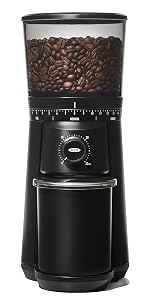
TL;DR — A “glass espresso machine” usually means one of two things: a modern espresso machine with visible glass panels, reservoirs, shot chambers, or cupware, or a marketing term for a transparent, design-forward machine built around seeing the brewing process. It does not mean the pressure vessel is made entirely from ordinary glass; real espresso requires about 9 bars of pressure, hot water near 195–205°F, and metal components for strength and temperature stability. Glass can improve visibility and aesthetics, but it is not what makes espresso good. For practical home setups, start with a capable grinder and see our best coffee grinder guide.
The HomeWhisk editorial team researches coffee equipment by analyzing manufacturer specifications, brewing mechanisms, material choices, and aggregated owner feedback from major retailers and coffee communities. This guide explains what people mean by a glass espresso machine, where glass actually appears, and which features matter more for the drink in the cup.
The phrase “glass espresso machine” is awkward because it is not a standard industry category like semi-automatic, manual lever, or super-automatic. Search results often mix transparent design machines, espresso shot glasses, glass Nespresso cups, and small manual brewers. The useful question is simpler: what role does glass play in espresso equipment, and should you care? The answer depends on whether you mean the machine body, the reservoir, the brew chamber, or the cup you drink from.
What People Mean by a Glass Espresso Machine
In normal kitchen use, a glass espresso machine is rarely a machine made entirely of glass. Espresso is a high-pressure brewing method. To make a standard shot, the machine must push hot water through a compact puck of fine-ground coffee at roughly 9 bars of pressure. That is far beyond what ordinary decorative glass should handle without engineering controls, seals, and metal reinforcement.
Most products described as “glass espresso” fall into one of these categories:
- Design-forward espresso machines with glass panels or visible components. These use glass for the exterior, drip tray area, reservoir window, or decorative side panels while the boiler, group, pump, and plumbing remain metal or engineered plastic.
- Manual or specialty brewers with glass brew chambers. Some non-electric devices use borosilicate glass to make the process visible, though many are closer to moka, manual pressure, or coffee concentrate makers than true pump espresso.
- Espresso shot glasses and cups. Searches for “glass espresso machine” often really mean glass espresso cups for a machine, especially double-walled cups, demitasse sets, or shot glasses with pour spouts.
- Concept machines. A few boutique designs emphasize transparency so users can see pressure profiling, water flow, or boiler aesthetics.
If you are shopping for a daily machine, do not treat “glass” as the main spec. Compare pump pressure, temperature control, portafilter size, steam power, and serviceability first. If budget matters, our best espresso machine under 200 guide is a more practical place to start.
Why Espresso Machines Still Need Metal Inside
Espresso looks simple from the outside: grind, tamp, lock in the portafilter, press a button. Mechanically, it asks a lot from the machine.
A true espresso machine needs a heat source, a pump or lever system, a brew group, seals, valves, and a portafilter that can withstand repeated cycles of heat and pressure. The water is typically controlled near 195–205°F, while steam circuits run hotter. Pressure ramps up quickly during extraction. Materials expand, contract, and collect scale. That is why the most important internal parts are usually brass, stainless steel, aluminum alloy, copper tubing, silicone seals, and engineered plastics.
Glass has strengths: it is non-reactive, visually clean, and can be made heat-resistant when it is borosilicate or specially tempered. But it is brittle compared with metal. A dropped portafilter, over-tightened fitting, or thermal shock event can crack glass in a way metal would not. This does not make glass bad; it simply means good designs use it where visibility and aesthetics help, not where structural pressure-bearing strength is required.
This is also why cupware is a separate issue. A small glass demitasse or shot glass is excellent for seeing crema color and volume, but it is not part of the machine’s pressure system.
Glass, Aluminum, Stainless Steel, and Plastic: Material Trade-Offs
When evaluating any espresso machine, think of materials by location.
Water reservoir: Clear plastic is common because it is light, inexpensive, and easy to remove. Glass reservoirs look premium and resist odors, but they are heavier and breakable. If the reservoir is removable and easy to clean, plastic is not automatically a problem.
Boiler or thermoblock: This is where temperature stability matters. Stainless steel is durable and corrosion-resistant; brass holds heat well; aluminum heats quickly but can be more vulnerable to corrosion if poorly treated. Glass is not used here in mainstream machines because it is not ideal for repeated pressurized heating cycles.
Exterior panels: Glass and aluminum can give a clean, modern look. Stainless steel hides less plastic and resists wear. Glossy black plastic is common on cheaper machines and can still perform well if the internals are sound.
Portafilter and group: Heft matters. A 58 mm commercial-style portafilter gives wide accessory compatibility, but many compact home machines use 51–54 mm baskets. What matters is even puck prep, a stable group, and a basket that does not choke too easily.
In short: glass is an aesthetic and visibility feature; metal is the performance backbone. If your main goal is better espresso, your money usually goes further toward a grinder. Espresso punishes uneven grind more than any other brew method, which is why a best coffee grinder pick often changes the cup more than a prettier machine body.
What Actually Makes Espresso Good
A glass panel will not fix sour espresso. The cup quality comes from a short list of variables.
Grind size and consistency: Espresso needs a fine grind with enough uniformity to create resistance. Too coarse and the shot runs fast and sour; too fine and it chokes or turns bitter. Blade grinders cannot do this reliably. Burr grinders with fine adjustment are the standard.
Dose and yield: A common modern starting point is a 1:2 brew ratio: for example, 18 grams of coffee in and about 36 grams of espresso out, adjusted to taste. A best kitchen scale is useful here, but within HomeWhisk’s coffee cluster, a machine-and-grinder setup matters most.
Temperature stability: Water that swings too cold tastes sour and thin; too hot tastes harsh. PID-controlled machines do better, but even basic machines can improve with a consistent warm-up routine.
Pressure and flow: “15-bar pump” marketing is misleading. Many vibe-pump machines advertise 15 bars because that is pump capability, not extraction pressure. Espresso extraction typically happens around 9 bars, with some machines using pre-infusion or pressure profiling to control flow.
Fresh coffee and puck prep: Fresh beans, even distribution, and a level tamp reduce channeling. If you want convenience instead of a separate grinder, see best coffee maker with grinder or best grind and brew coffee maker, but understand that many all-in-one units prioritize drip coffee convenience over true espresso precision.
Glass Espresso Cups, Shot Glasses, and Accessories
Many people searching this term are really shopping for glass espresso cups for their machine. Those are more straightforward.
Demitasse cups hold roughly 2–3 ounces and are sized for single or double espresso. Thick ceramic retains heat better, but clear glass lets you see crema, body, and layering. Double-walled borosilicate cups reduce heat transfer to your fingers and look elegant, though they can be more fragile and dishwasher wear can cloud them over time.
Shot glasses with spouts are useful for dialing in a machine because they show volume marks and make it easy to split a double shot. They are not as accurate as weighing output, but they help beginners visualize flow and crema.
Stackable glass cups save space and pair well with compact machines, but check diameter and clearance. Some machines have low cup clearance under the portafilter; tall double-walled cups may not fit unless you remove the drip tray.
If your interest is cold coffee rather than hot pressure-brewed espresso, glass plays a larger role in carafes and jars. Our best cold brew coffee maker guide covers that slower, immersion-based category.
Should You Buy One?
Buy a glass-accented espresso machine if you like the look, the parts are safely engineered, and the performance specs fit your needs. Do not buy one simply because it looks transparent or premium. Espresso machines live hard lives: heat cycles, mineral scale, pressure, steam, and daily wiping. The best choice is the one you will maintain.
For a beginner, a sensible path is:
1. Choose a machine with adequate temperature stability, a usable steam wand if you drink milk, and parts you can clean. 2. Budget for a real burr grinder, because espresso demands precise grind adjustment. 3. Use a scale and consistent recipe so you can troubleshoot. 4. Treat glass components gently and avoid thermal shock: do not rinse hot glass under cold water. 5. Descale according to the manufacturer’s schedule, especially if you use hard water.
A design-forward glass machine can be beautiful. But the grinder, water temperature, pressure control, and puck prep still decide whether the espresso tastes balanced.
Frequently Asked Questions
Is a glass espresso machine safe?
It can be safe when the glass is used in appropriate places, such as exterior panels, reservoirs, shot chambers, or cups, and when pressure-bearing components are properly engineered. Ordinary decorative glass should not be trusted to hold espresso pressure by itself. True espresso involves hot water under high pressure, so the boiler, group, pump, valves, and portafilter are normally metal or reinforced materials. Buy from established brands with clear specifications, and avoid mystery products that do not explain how pressure is contained.
Is glass better than stainless steel for espresso?
Not for the working parts of the machine. Stainless steel is tougher, more impact-resistant, and better suited to repeated heat and pressure cycles. Glass is better for visibility, aesthetics, and non-reactive cupware, but it is brittle. A machine with stainless internal components and tasteful glass accents can be excellent; a machine that advertises glass while hiding weak temperature control or a poor portafilter is not. For espresso quality, grind consistency and temperature control matter more than exterior material.
What are glass espresso cups used for?
Glass espresso cups are used to serve single or double shots while letting you see crema, color, and volume. Baristas and home users often like clear shot glasses for dialing in because they show flow rate and layering. Double-walled glass cups keep fingers cooler and look clean on the counter, though they may be more fragile than ceramic. For drinking slowly, ceramic often retains heat better; for evaluating shots visually, glass is useful.
Can a glass espresso machine make real espresso?
Only if it has a real pressure system capable of producing espresso-style extraction, usually around 9 bars at the coffee puck. Some transparent manual devices make concentrated coffee but are not equivalent to pump espresso machines. Check the machine type, portafilter, basket, pressure method, and temperature system. If it uses capsules, it may be convenient but not the same workflow as ground-coffee espresso. If it is a design concept with glass panels, the internal metal system determines whether it makes true espresso.
Do I need a special grinder for a glass espresso machine?
If the machine uses ground coffee and a portafilter, yes, you need an espresso-capable burr grinder. The machine’s glass design has nothing to do with grind requirements. Espresso needs fine, uniform grounds with small adjustment steps; otherwise shots run too fast, choke, or channel. Pre-ground coffee can work in pressurized baskets, but it limits flavor and control. For real improvement, pair the machine with a best coffee grinder option designed for espresso.
Is a glass espresso machine hard to clean?
Glass surfaces show fingerprints, water spots, and coffee oils more easily than textured plastic or brushed steel, so they may look dirty faster. The actual cleaning difficulty depends on the machine layout: removable reservoir, accessible drip tray, serviceable group, and easy descaling path matter most. Use soft cloths on glass panels, avoid abrasive pads, and let hot glass cool before rinsing. For internal scale, follow the manufacturer’s descaling instructions rather than guessing.
The Bottom Line
A glass espresso machine is best understood as a design-forward espresso machine or accessory system that uses glass for visibility, style, or serving—not as a machine made entirely of fragile glass. Real espresso still depends on pressure, heat stability, burr grinding, puck prep, and clean internal plumbing. Glass can make a machine more attractive and help you watch the process, but it should not distract from the fundamentals. If you are building a home setup, put performance first: a capable machine, a consistent best coffee grinder, and a workflow you will actually use. If you want one appliance that bridges categories, compare best coffee and espresso maker combo options carefully, because convenience machines vary widely in how close they get to true espresso.

Breville Barista Express Espresso Machine with Built-In Grinder
This semi-automatic espresso machine grinds fresh beans directly into the portafilter and extracts espresso with precise temperature control, delivering café-quality shots at home in under a minute. Buy it if you want to skip the espresso shop and master microfoam milk texturing without a steep learning curve.
Pros and Cons
Pros
- Built-in grinder eliminates separate equipment and delivers freshly ground coffee directly into the portafilter for optimal flavor.
- Digital temperature control (PID) with thermocoil heating ensures consistent water temperature for reliable espresso extraction across every shot.
- Comprehensive accessory kit includes milk jug, tamper, cleaning tools, and filter baskets, so you can start pulling shots immediately.
Cons
- Manual tamping and milk steaming require practice to master; beginners may need several attempts to dial in proper technique.
- 54mm portafilter is proprietary to Breville, limiting compatibility with third-party baskets and accessories compared to standard 58mm machines.
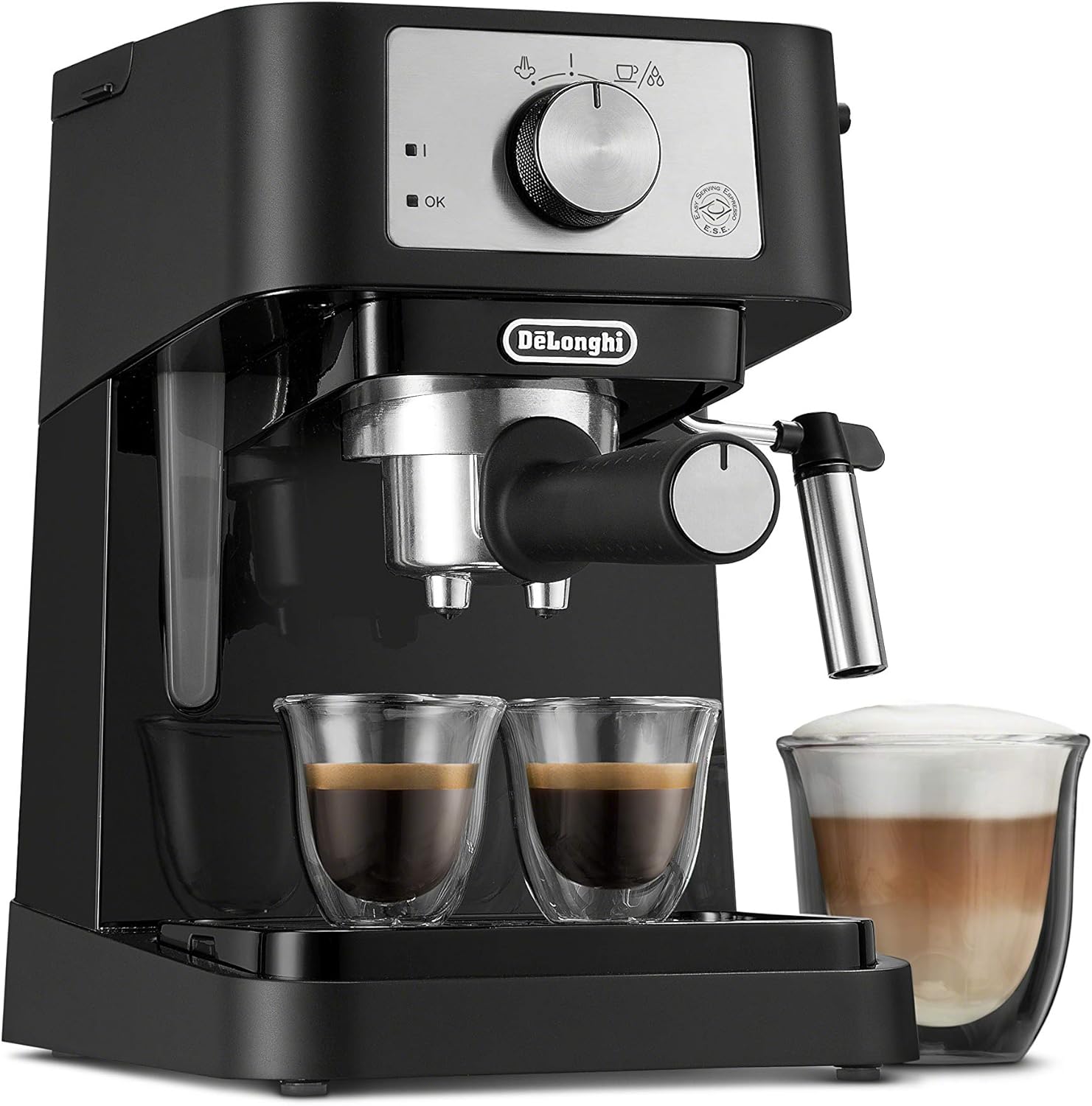
De'Longhi Stilosa Manual Espresso Machine 15 Bar Pump Compact
The Stilosa delivers authentic espresso, lattes, and cappuccinos at home using a 15 bar pump and manual steam wand for milk frothing. Buy this if you're starting your espresso journey and want café-quality drinks without a steep learning curve or large footprint.
Pros and Cons
Pros
- Stainless steel boiler is engineered for durability and consistent performance over years of daily use.
- Manual milk frother gives you direct control to create rich, creamy texture for authentic cappuccinos and lattes.
- Two-level cup holder accommodates everything from espresso cups to travel mugs without modification.
Cons
- Manual operation requires technique and practice to dial in grind size, tamp pressure, and steam timing correctly.
- 15 bar pump is entry-level; advanced espresso enthusiasts may eventually outgrow this machine's capabilities.

DWTS DANWEITESI
Pull and Pour Espresso Shots: DWTS DANWEITESI 4oz Glass Espresso Cups Set of 2
This set captures double espresso shots and pours them with less mess through its double spouts, while the heat-resistant glass supports daily use. Home baristas who need handled shot cups for espresso machines, iced coffees, desserts, or sauces should consider it.
Pros and Cons
Pros
- Double spouts support controlled, drip-free espresso pouring.
- Borosilicate glass is clear, lead-free, and heat resistant.
- Handles reduce direct contact with hot glass during serving.
- The set supports espresso shots, iced coffees, milk foam, desserts, and sauces.
Cons
- The 4oz size may be too small for larger coffee drinks.
- The product data does not provide weight or detailed dimensions.
The Best Deals This Week*
-
Breville Barista Express Espresso Machine
$499.95
($692.99)Save $193.04 -
De'Longhi Stilosa Manual Espresso Machine 15 Bar
$99
($149.95)Save $50.95 -
AMZCHEF Espresso Machine with Self-Cleaning
$99.99
($159.99)Save $60.00 -
Pull and Pour Espresso Shots
$4.99
($5.99)Save $1.00
*Deals are selected by our commerce team
Mr. Coffee Mr. Coffee® 4-Shot Steam Espresso Machine, Cappuccino Maker, and Latte Maker with Glass Carafe

Mr. Coffee
Mr. Coffee® 4-Shot Steam Espresso Machine, Cappuccino Maker, and Latte Maker with Glass Carafe
$62.99 at AmazonEditors' Favorite
Color: Black Size: No Size Dimensions: 7.9 x 12.8 x 12.5 inches Product Group: Kitchen Binding: Kitchen
Shop NowBreville Barista Express Espresso Machine with Built-In Grinder
Breville Barista Express Espresso Machine with Built-In Grinder
This semi-automatic espresso machine grinds fresh beans directly into the portafilter and extracts espresso with precise temperature control, delivering café-quality shots at home in under a minute. Buy it if you want to skip the espresso shop and master microfoam milk texturing without a steep learning curve.
$499.95 at AmazonGreat Value
Other Special Features of the Product: Manual Coffee Maker Type: Espresso Machine Specific Uses For Product: Espresso Operation Mode: Manual Wattage: 1600 watts Voltage: 120.0 Human Interface Input: Dial Coffee Input Type: whole_beans Smart Home Compatibility: Not Smart Home Compatible Power Source: AC adapter Filter Type: Reusable Capacity: 1 Cups Item Dimensions D x W x H: 13.8"D x 12.5"W x 15.9"H Item Weight: 22.09 Pounds Number of Items: 1 Unit Count: 1.0 Count Material: Stainless Steel Exterior Finish: Stainless Steel Is the item dishwasher safe?: No Brand Name: Breville Included Components: Coffee Scoop, Filter, Integrated Tamper, Razor Dose Trimming Tool Model Name: Barista Express Model Number: BES870XL Global Trade Identification Number: 00021614055514 Manufacturer: Breville Warranty Description: 1 Year Limited Product Warranty UPC: 021614055514 Part Number: BES870XL Item Type Name: Espresso Machine Best Sellers Rank: #9,129 in Home & Kitchen (See Top 100 in Home & Kitchen) #2 in Semi-Automatic Espresso Machines ASIN: B00CH9QWOU Customer Reviews: 4.5 4.5 out of 5 stars (27,474) 4.5 out of 5 stars Color: Brushed Stainless Steel Style: Espresso Machine Brand: Breville Product Dimensions: 13.8"D x 12.5"W x 15.9"H Special Feature: Manual
Shop NowDe'Longhi Stilosa Manual Espresso Machine 15 Bar Pump Compact
De'Longhi Stilosa Manual Espresso Machine 15 Bar Pump Compact
The Stilosa delivers authentic espresso, lattes, and cappuccinos at home using a 15 bar pump and manual steam wand for milk frothing. Buy this if you're starting your espresso journey and want café-quality drinks without a steep learning curve or large footprint.
$99.00 at AmazonOther Special Features of the Product: Milk Frother Coffee Maker Type: Espresso Machine Specific Uses For Product: Espresso Operation Mode: Manual Wattage: 1100 watts Voltage: 110 Volts Human Interface Input: Buttons Output Pressure: 15 Bars Coffee Input Type: ground_coffee Smart Home Compatibility: Not Smart Home Compatible Power Source: AC adapter Filter Type: Reusable Capacity: 1000 Milliliters Item Dimensions D x W x H: 8.07"D x 13.5"W x 11.22"H Item Weight: 9.48 Pounds Number of Items: 1 Unit Count: 1.0 Count EU Spare Part Availability Duration: 5 Years Brand Name: De'Longhi Included Components: 33.8 fl.oz water tank, Accessories Included: Portafilter, Measuring Scoop/Tamper, single & double pod filter, De’Longhi Stilosa Espresso Machine Model Name: Stilosa Model Number: EC260BK Manufacturer: De'Longhi Warranty Description: 1 year manufacturer UPC: 044387026000 Part Number: EC260BK Item Type Name: Stilosa Manual Espresso Machine, Latte & Cappuccino Maker, 15 Bar Pump Pressure + Manual Milk Frother Steam Wand, Black / Stainless, EC260BK Best Sellers Rank: #25,531 in Home & Kitchen (See Top 100 in Home & Kitchen) #2 in Manual Espresso Machines ASIN: B08C96BG9H Customer Reviews: 4.2 4.2 out of 5 stars (13,617) 4.2 out of 5 stars Color: Black and Stainless Style: Stliosa Espresso Machine Material: Plastic, Stainless Steel Is the item dishwasher safe?: No Brand: De'Longhi Product Dimensions: 8.07"D x 13.5"W x 11.22"H Special Feature: Milk Frother
Shop NowAMZCHEF Espresso Machine with Self-Cleaning, 20Bar Coffee Maker, Platinum
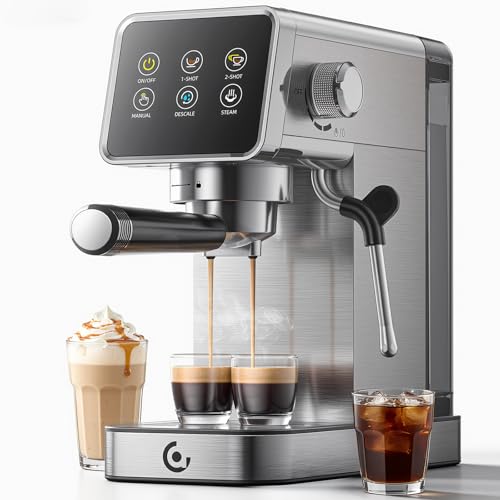
Color: Platinum Size: 44oz Dimensions: 12.1 x 13 x 6.5 inches Weight: 8.5 pounds Product Group: Kitchen Binding: Unknown Binding
Shop NowDWTS DANWEITESI Pull and Pour Espresso Shots: DWTS DANWEITESI 4oz Glass Espresso Cups Set of 2
DWTS DANWEITESI
Pull and Pour Espresso Shots: DWTS DANWEITESI 4oz Glass Espresso Cups Set of 2
This set captures double espresso shots and pours them with less mess through its double spouts, while the heat-resistant glass supports daily use. Home baristas who need handled shot cups for espresso machines, iced coffees, desserts, or sauces should consider it.
$4.99 at AmazonColor: Clear Size: Small Dimensions: 2.36 x 2.36 x 2.28 inches Weight: 0.37037660016 pounds Product Group: Kitchen Binding: Kitchen
Shop Now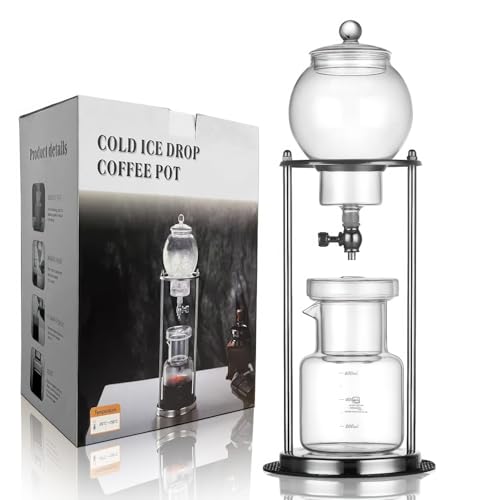


Write Your Review
No reviews yet. Be the first to share your experience!