

HomeWhisk earns commission from qualifying purchases made through links on this page. We research picks from specifications and owner reviews; we do not test products ourselves.
TL;DR — How to use a cutting board is mostly about method: use the right touch, avoid shortcuts that damage the tool, and build the habit into normal kitchen cleanup. If you are comparing products, start with best cutting board, best baking sheets, and best kitchen scale; those guides give the model-level context behind this advice.
We looked at manufacturer details, material behavior, recurring owner-review patterns, and where this topic overlaps with related buying guides. For baking tools, sizing, material, accuracy, cleaning, and storage usually decide whether a tool stays useful or gets replaced.

Deeper Dive: Our Top Picks
Our Top Picks

SDLQY
Cabinet Door and Drawer Noise Dampening Bumper Pads
These 100 clear silicone hemispherical bumpers stick inside kitchen cabinet doors and drawers to cut slamming noise by up to 30 percent while stopping wood-on-wood scratching. Worth buying if you have a busy kitchen with hard-closing cabinets or glass and wood surfaces that slide and mar.
Pros and Cons
Pros
- The 8mm width by 4mm thickness fits inside standard cabinet door corners without holding the door visibly ajar.
- Silicone grips glass, plastic, ceramic, and wood, so the same pack works on cabinets, vanities, and picture frames.
- Available in clear or black, letting you match dark cabinetry or keep the pads invisible on light surfaces.
Cons
- At 4mm thick, these are low-profile bumpers and will not absorb much impact on heavy drawers that close hard.
- Adhesive-backed pads on greasy or previously oiled kitchen cabinet surfaces need a degreasing wipe first or they lift.
Editors' Picks
SDLQY Cabinet Door and Drawer Noise Dampening Bumper Pads
SDLQY
Cabinet Door and Drawer Noise Dampening Bumper Pads
These 100 clear silicone hemispherical bumpers stick inside kitchen cabinet doors and drawers to cut slamming noise by up to 30 percent while stopping wood-on-wood scratching. Worth buying if you have a busy kitchen with hard-closing cabinets or glass and wood surfaces that slide and mar.
$4.99 at AmazonEditors' Favorite
Color: Clear Product Group: Home Improvement Binding: Kitchen
Shop NowUsing a Cutting Board: The Essentials
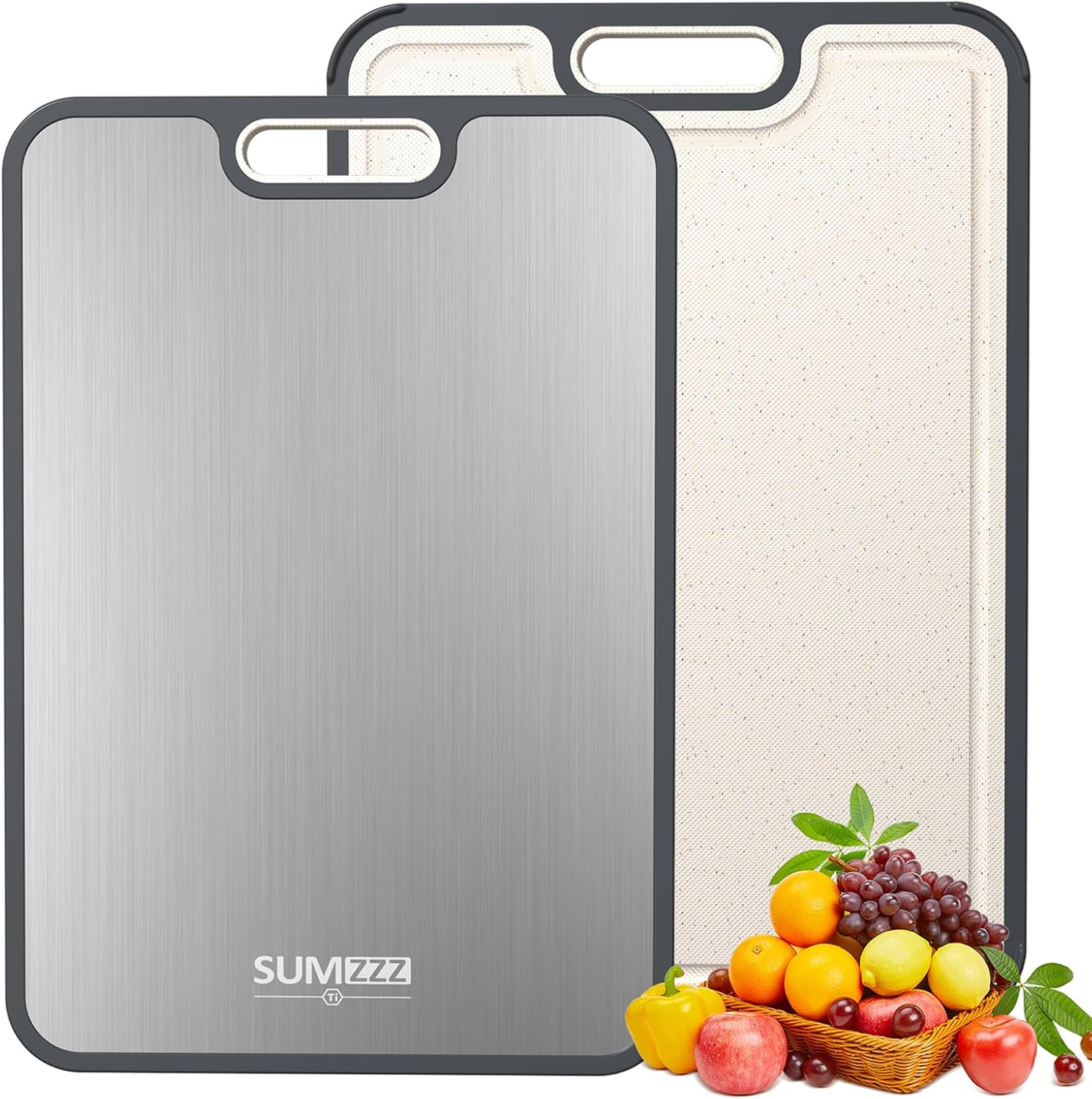
Getting the most from a cutting board is about a few fundamentals done consistently. Once you match the technique to what the tool is built for, results get repeatable instead of hit-or-miss.
Step By Step
1. Read what the cutting board is actually designed for — using it off-purpose invites uneven browning. 2. Set up before you start: right nonstick or bare finish, clean surface, everything in reach. 3. Work in the tool’s comfort zone rather than forcing it. 4. Clean and reset it afterward so it is ready next time.
Common Mistakes To Avoid
The usual failure is treating a durable baking tool as indestructible. Harsh shortcuts lead to measurements that drift out of true, and batter that sticks. Do not assume pricier gear removes the need for care, either — technique matters more than the badge. Start your shortlist with best cutting board, best baking sheets, and best kitchen scale before narrowing by budget.
Before You Start
Match the method to the baking tool in front of you. Use a cutting board is not hard, but the details matter — the wrong approach to lining with parchment can shorten the life of otherwise good baking gear. For product picks, compare best cutting board, best baking sheets, and best kitchen scale.
Related Product Guides
If this topic is part of a buying decision, these are the HomeWhisk guides most closely tied to it:
- best cutting board
- best baking sheets
- best kitchen scale
- best dutch oven for bread baking
- best mixing bowls
- best food storage containers
Frequently Asked Questions
What is the right way to use a cutting board?
Getting the most from a cutting board is about a few fundamentals done consistently. Do it consistently and you avoid finishes that scratch off.
What matters most for cutting board?
Focus on material and gauge, measurement accuracy, and rim and edge design first. Those decide real performance; the rest is secondary. Compare best cutting board and best baking sheets for options that get the basics right.
How do I keep it in good shape?
Build storing flat to prevent bending, and hand-washing to protect the finish into normal cleanup. Light, consistent care prevents measurements that drift out of true far better than occasional deep effort.
What should I avoid?
Avoid buying by brand alone, ignoring hand-washing to protect the finish, and oversizing for your space. Each invites batter that sticks down the line.
Who is this most useful for?
Mainly weekend bakers, and anyone scaling recipes by weight. If that is you, treat release performance as a requirement rather than a nice-to-have.
The Bottom Line
How to use a cutting board comes down to fit: how often you use the tool, how much care it needs, and whether it solves a real kitchen problem. If you are buying, compare best cutting board, best baking sheets, and best kitchen scale before you spend.

Write Your Review
No reviews yet. Be the first to share your experience!