

TL;DR — Enameled cast iron is a cast iron core coated in a fused layer of glass enamel, giving you cast iron’s superb heat retention without the seasoning, rust risk, or reactivity of bare iron. For a full set, the best enameled cast iron balances even heavy-gauge casting, a durable interior enamel (light-colored sand or matte black), and pieces you will actually use — usually a Dutch oven, a braiser, and a skillet. Le Creuset and Staub are the benchmark for finish and longevity; Lodge and Cuisinart deliver most of the performance for far less. For picks, see our best cookware sets guide.
The HomeWhisk editorial team researches kitchen equipment by analyzing manufacturer specifications, material behavior, and aggregated user reviews from major retailers and cooking communities. This guide explains what enameled cast iron actually is, how it differs from bare cast iron and other cookware, what to look for in a set, and which pieces earn their place, so you can spend on the right combination rather than the flashiest box.
What Enameled Cast Iron Actually Is
Enameled cast iron starts as ordinary cast iron — molten iron poured into a mold — then gets coated with porcelain enamel, a powdered glass frit that is fused to the metal in a furnace at around 800°C. The enamel bonds to the iron and becomes a hard, non-porous, glass-like surface.
That coating changes everything about how the pan behaves. Bare cast iron is porous and reactive: it must be seasoned with baked-on oil, it can rust, and it reacts with acidic foods like tomato and wine. The glass enamel seals the iron completely, so enameled cast iron needs no seasoning, will not rust, and is safe with acidic and long-simmered dishes. Underneath, though, it is still cast iron, so it keeps the two traits people prize: massive heat retention and even, gentle heat once it comes up to temperature. The trade-off is that it heats slowly and is heavy.
Enameled Cast Iron vs. Bare Cast Iron vs. Other Cookware
Choosing a set means knowing where enameled cast iron wins and where it does not.
Against bare cast iron, enameled wins on convenience and versatility — no seasoning, dishwasher-tolerant in a pinch, safe for acids and braises, and available in colors. Bare cast iron wins on searing at very high heat and on price, and it develops a naturally slick seasoned surface for eggs that enamel never fully matches.
Against stainless steel, enameled cast iron holds heat far better for braising and stewing but responds slowly to burner changes, so it is worse for quick sautéing. Against nonstick, enamel is vastly more durable and oven-safe at high temperatures, but it is not truly nonstick — you still need fat and preheating. If you want lighter everyday pans, our best nonstick cookware guide covers that lane, and our best copper cookware guide covers fast-response cooking.
The Interior Enamel: Light vs. Black Matte
Not all enamel interiors are the same, and this is where sets genuinely differ.
Light, cream-colored interiors (Le Creuset’s classic sand, Cuisinart, most Lodge) let you see the fond and the color of a sauce as it develops, which is helpful for deglazing and for judging browning. The downside is that they stain and show wear over years of use, though a baking-soda paste usually lifts it.
Black matte interiors (Staub, some Lodge braisers) are textured and darker, designed to be preheated hotter for a better sear and to hide staining. They handle high-heat browning better but make it harder to read fond color. Neither is nonstick; both rely on proper preheating and enough fat. For a set, many cooks like a light-interior Dutch oven for braises and a black-matte piece for searing.
What to Look for in an Enameled Cast Iron Set
A good set is about the right pieces and honest construction, not the piece count on the box.
- Casting weight and evenness. Heavier gauge holds heat better; check for a smooth, blemish-free enamel with no chips or bare spots at the rim.
- Enamel quality at stress points. The rim and the areas around handles chip first. Premium brands enamel the rim in a durable finish; budget pieces sometimes leave it thin.
- Tight-fitting lids. For braising, a heavy lid that seals well recirculates moisture. Staub’s self-basting spikes and Le Creuset’s stepped rim both do this.
- Large, loop handles. Cast iron is heavy, so oversized handles you can grip with an oven mitt matter, especially on a full Dutch oven.
- Oven and broiler rating. Confirm the temperature ceiling; knobs are often the limiting part — a stainless knob raises it versus a phenolic one.
Which Pieces Actually Earn a Spot
Buying a “set” often means paying for pieces you will not use. These are the ones that justify enameled cast iron’s weight and price.
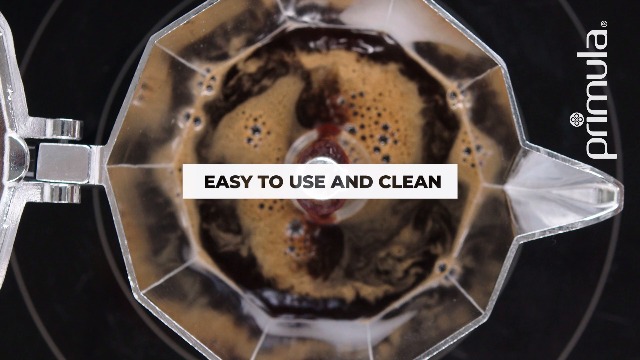
The Dutch oven (5-7 quart round) is the anchor: braises, stews, no-knead bread, soups, and deep frying, moving seamlessly from stovetop to oven — the standout piece in most best cookware sets. A braiser (3.5-5 quart, wide and shallow) is the most underrated piece — perfect for browning then simmering chicken thighs, short ribs, or greens with a lid on. A skillet in enameled cast iron is optional; many cooks prefer bare cast iron for searing and reserve enamel for acidic pan sauces. Round out a kitchen with a moka pot for stovetop espresso (see our best moka pot guide) and a multicooker like an best instant pot for hands-off pressure braising — different tools for different jobs.
Care, Durability, and Safety
Enameled cast iron is close to a lifetime purchase if you avoid a few mistakes.
Hand-washing is best; the dishwasher dulls the exterior enamel over time. Never use metal scouring pads that scratch the glass — a nylon brush and baking soda handle stuck-on food. Avoid extreme thermal shock (do not plunge a screaming-hot pan into cold water), which can crack enamel. Use wooden, silicone, or nylon utensils to protect the interior; metal can chip the glass over years. On safety, cured porcelain enamel is inert and lead-free from reputable modern brands, and unlike bare iron it does not leach measurable iron into food. Premium enameled cast iron routinely lasts decades and often carries a lifetime warranty, which is a large part of why it costs what it does.
Frequently Asked Questions
What is the difference between enameled cast iron and regular cast iron?
Regular (bare) cast iron is porous, must be seasoned with oil, can rust, and reacts with acidic foods. Enameled cast iron has the same iron core but is coated in fused glass enamel, so it needs no seasoning, will not rust, and safely handles tomato, wine, and long braises. Both retain and distribute heat beautifully because the core is identical. Bare cast iron sears slightly better at extreme heat and costs less; enameled is more versatile and lower-maintenance for everyday cooking and acidic dishes.
Is enameled cast iron a health risk?
For reputable modern brands, no. Cured porcelain enamel is a stable, inert, glass-based surface that is lead- and cadmium-free and does not leach into food. It is actually preferred over bare cast iron by people who need to avoid excess dietary iron, since the enamel seals the metal completely. The main precaution is to stop using any piece if the enamel chips badly and exposes the iron, and to buy from established manufacturers rather than unbranded imports with uncertain enamel formulations.
Which brand of enameled cast iron is best?
Le Creuset and Staub are the benchmarks for enamel finish, lid engineering, and multi-decade durability, and both carry lifetime warranties. Staub’s black matte interior favors high-heat searing; Le Creuset’s light interior helps you read sauces. Lodge offers roughly 80% of the performance at a fraction of the price and is the value pick for most home cooks. Cuisinart sits in between. The “best” depends on budget: the premium brands justify their cost over decades, but a Lodge Dutch oven braises just as well day to day.
Can enameled cast iron go in the oven and under the broiler?
Yes, the cast iron body and enamel handle high oven temperatures well, which is central to braising and baking bread in it. The limiting factor is usually the lid knob: phenolic (plastic) knobs are often rated to around 375-400°F, while stainless steel knobs allow full oven and broiler use. Check your specific model, and swap a plastic knob for a metal one if you want to go hotter. The pans themselves are broiler-safe; just protect the handles and never subject the enamel to sudden thermal shock.
Is enameled cast iron nonstick?
No, and expecting it to behave like a nonstick pan leads to frustration. The enamel is smooth glass, not a release coating, so food will stick if the pan is under-heated or under-oiled. Preheat over medium heat, add enough fat, and let a seared item release naturally before moving it. Black matte interiors tolerate higher searing heat than light enamel. For genuinely nonstick everyday cooking of eggs and delicate fish, a dedicated nonstick pan is the better tool.
Do I need a whole set or just a few pieces?
Most home cooks are better served buying key pieces than a large boxed set. A 5-7 quart Dutch oven and a braiser cover the vast majority of what enameled cast iron does best — braises, stews, bread, soups, and one-pan simmers. A skillet is optional since bare cast iron often sears better. Building a kitchen around a couple of great enameled pieces plus lighter pans for quick tasks is usually smarter than a matching set full of sizes you rarely reach for.
The Bottom Line
The best enameled cast iron for a cookware set is the combination of pieces you will use built to honest quality: even, heavy casting, a durable interior enamel matched to how you cook, tight lids, and grippable handles. Enameled cast iron gives you cast iron’s unmatched heat retention for braising and baking without seasoning, rust, or acid reactivity — at the cost of weight and slow heat-up. Le Creuset and Staub are worth it if you want a decades-long heirloom; Lodge and Cuisinart deliver most of the performance for far less. Anchor the kitchen with a Dutch oven and a braiser, skip pieces you will not use, and pair it with lighter pans for quick tasks. For picks, see our best cookware sets and best camping cookware guides.
The Best Deals This Week*
-
QuliMetal 5-Piece Navy Blue Enameled Cast Iron
$159.79
($169.99)Save $10.20 -
QuliMetal 5-Piece Navy Blue Enameled Cast Iron
$169.19
($179.99)Save $10.80 -
QuliMetal 5-Piece Red Enameled Cast Iron Cookware
$169.19
($179.99)Save $10.80
*Deals are selected by our commerce team
QuliMetal 5-Piece Navy Blue Enameled Cast Iron Cookware Set

Editors' Favorite
Color: Navy Blue B Size: Navy Blue 5PC-B Product Group: Kitchen Binding: Kitchen
Shop NowSur La Table Kitchen Essentials 4-Piece Enameled Cast Iron Stackable Cookware Set, 5.3 Qt Dutch Oven with Lid, Braiser & Grill Pan, Navy Blue, Gold Knob Oven Safe to 500°F, Induction Compatible

Sur La Table
Kitchen Essentials 4-Piece Enameled Cast Iron Stackable Cookware Set, 5.3 Qt Dutch Oven with Lid, Braiser & Grill Pan, Navy Blue, Gold Knob Oven Safe to 500°F, Induction Compatible
$139.99 at AmazonGreat Value
Color: Navy Blue w/ Gold Knob (Cookware Set) Size: 5.3 Quart (4 Piece) Dimensions: 0 x 0 x 0 Inches Product Group: Kitchen Binding: Unknown Binding
Shop NowQuliMetal 5-Piece Navy Blue Enameled Cast Iron Cookware Set

Color: Navy Blue A Size: Navy Blue 5PC-A Dimensions: 13.86 x 8.9 x 25.12 Inches Product Group: Kitchen Binding: Kitchen
Shop NowQuliMetal 5-Piece Red Enameled Cast Iron Cookware Set

Color: Red D Size: Red 5PC-F Dimensions: 12.9133858136 x 12.9133858136 x 19.5669291139 inches Product Group: Kitchen Binding: Kitchen
Shop NowGourmetific Gourmetific® Cast Iron Cookware Set Enameled Dutch Oven Skillet

Color: Green Size: 11-Piece Set Weight: 30 Pounds Product Group: Kitchen
Shop Now


Write Your Review
No reviews yet. Be the first to share your experience!