

Most people buy tiny saucepans for the wrong reasons. They see a cute 1-quart pot, imagine heating a single serving of soup, and think they’ve found the perfect space-saver. Then reality hits: that adorable pot is too small for two servings, burns sauces that need stirring room, and sits unused while you reach for something larger. A genuinely useful tiny saucepan sits between 1.5 and 2 quarts. Anything smaller becomes a novelty item that can’t handle basic tasks like melting butter with flour for a roux.
The Size Trap: Why People Buy Too Small
Kitchen stores display half-quart butter warmers next to actual saucepans, creating confusion about what qualifies as functional cookware. A butter warmer serves one purpose. A tiny saucepan should handle a dozen tasks: reheating single portions, making small-batch caramel, cooking grains for one person, tempering chocolate, reducing wine for pan sauces, and preparing baby food. None of these work in a container barely larger than a coffee mug.
The 1.5-quart threshold matters because standard recipes assume certain minimums. “One cup of rice” requires two cups of water plus expansion room. That’s already three cups of volume before accounting for bubbling. A 1-quart pot can’t accommodate this safely. You’ll either boil over or constantly hover with the lid half-off, defeating the purpose. If you regularly make oatmeal for two, heat soup from a 14-ounce can, or prepare pasta sauce that starts with a cup of crushed tomatoes, you need that extra capacity.
Weight creates another problem. Ultra-light aluminum pans heat fast but can’t hold that heat when you add cold ingredients. Your caramel develops burnt spots before the sugar in the center melts. A tiny saucepan still needs enough mass to distribute heat evenly—typically achieved with tri-ply construction or a disk bottom.
Induction Compatibility: The Oversight That Makes Pans Useless
Induction cooktops now appear in 30% of kitchen remodels, yet buyers still purchase non-magnetic cookware. The test takes five seconds: hold a magnet to the bottom. If it doesn’t stick firmly, the pan won’t work on induction. This matters even if you currently use gas or electric, because your next home or apartment might not. A quality tiny saucepan should last 15 years. Betting against induction adoption over that timespan is poor planning.
Aluminum and copper pans require a steel or magnetic stainless base layer for induction functionality. Pure aluminum models—common in budget tiny saucepans—become paperweights the moment you switch cooktops. Manufacturers sometimes add an induction disk that’s smaller than the pan’s bottom diameter, creating a hot center and cool edges. Check that the magnetic base extends to within a half-inch of the rim. Anything less produces uneven heating that ruins delicate tasks like custards and hollandaise.
Induction also exposes poor construction immediately. Gas flames heat the pan’s sides, masking weak thermal conductivity. Induction only heats the base, so any design flaws—thin steel, air gaps in bonded layers, warped bottoms—become obvious. If you’re buying specifically for induction, look for flat-bottom certification and a base thickness of at least 3mm. Thinner construction will warp within months, creating a rocking pan that can’t maintain contact with the cooktop.
Style Over Function: When Design Ruins Usability
Copper exteriors photograph beautifully. They also require polishing, tarnish from food acids, and often hide thin walls that scorch. Unless you’re buying from a maker that specializes in professional copper cookware—with the premium price that implies—decorative copper coating serves no cooking purpose. The same applies to colorful enamel exteriors on lightweight pans. That cheerful red or turquoise finish adds cost and weight without improving heat distribution.
Handle design matters more on small pans than large ones because you’ll frequently pour from them. A long handle balanced for a 3-quart pan becomes unwieldy on a 1.5-quart model. The physics work backwards—the handle’s weight tilts the empty pan, requiring you to grip tighter and closer to the hot body. Look for shorter handles with a slight upward angle. The grip should feel substantial but not heavy, ideally with a heat-resistant coating that extends far enough to keep your hand safe when the pan’s been on high heat.
Pouring spouts seem helpful until you try to clean them. The V-shaped channels trap dried sauce and require dedicated scrubbing. A well-made pan with a rolled rim pours cleanly without spouts. Test this if possible: a properly designed lip creates a smooth stream that cuts off without dripping when you tilt the pan upright. Cheap saucepans dribble down the exterior no matter how carefully you pour, leaving crusty drips that bake onto the finish.
Material Choices That Actually Matter
Stainless steel saucepans with aluminum cores offer the best balance for most cooks. The interior cleans easily, doesn’t react with acidic foods, and shows you exactly when fond develops for deglazing. The aluminum layer conducts heat efficiently without the cost of copper. This tri-ply construction costs more than single-layer pans but lasts decades and performs consistently across all cooking methods.
Non-stick coatings make sense for specific tasks—heating milk, melting chocolate, cooking polenta—but limit your options. You can’t use metal utensils, can’t get the pan screaming hot for reduction sauces, and must replace it every few years as the coating degrades. For a small pan that should handle multiple roles, non-stick narrows functionality too much. Choose bare stainless for your primary tiny pan and save coated pans for dedicated jobs.
Cast iron and carbon steel rarely appear in tiny sizes because the material’s heat-retention advantage disappears at small volumes. A 1.5-quart cast iron pan weighs three times what stainless weighs, heats slowly, and becomes dangerous when pouring hot liquids single-handed. Unless you have a specific reason for wanting cast iron this small, the material creates problems it doesn’t solve.
Lids, Measurements, and Other Details People Skip
A tiny saucepan without a well-fitting lid loses half its utility. You’ll simmer rice, steep tea, keep butter melted—all tasks requiring a lid. Glass lids let you monitor without lifting, but they’re heavier and crack if knocked. Stainless lids weigh less and last forever but force you to lift and peek. Either works if the fit is tight. Test this: a proper lid should sit firmly without sliding around, with a small vent hole to release steam.
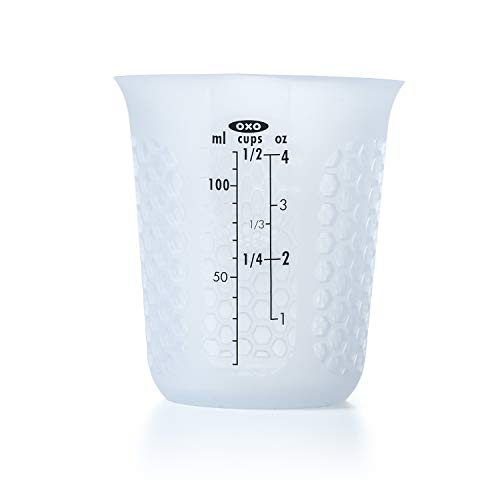
Interior measurement markings seem convenient until you realize they’re usually wrong. Stamped lines wear away with scrubbing, and even when visible, they indicate fill levels rather than cooking volume. A measuring cup costs three dollars and provides accuracy no marking can match.
Dishwasher-safe claims deserve skepticism. Detergent dulls finishes, high heat loosens rivets over time, and harsh detergent degrades coatings faster. Tiny saucepans clean quickly by hand—washing takes 30 seconds and extends the pan’s life by years.
What You Should Actually Buy
Prioritize capacity first: 1.5 to 2 quarts handles single-person cooking without feeling cramped. Verify induction compatibility even if you don’t currently need it. Choose tri-ply stainless steel over decorative materials or single-layer construction. Check that the handle feels balanced when the pan is empty—too much weight in the handle means they skimped on the pan’s body. Confirm the lid fits tightly and has a steam vent.
Price correlates with performance here. A 20-dollar pan will have thin walls, a loose lid, and a handle that conducts heat. A 60-dollar pan from an established maker outperforms it in every task and lasts five times longer. The middle ground—35 to 45 dollars—often represents the best value. Look for restaurant supply brands that focus on function rather than marketing.
Your existing cookware should guide the decision. If you own a full set of tri-ply stainless, a matching tiny saucepan makes sense for consistent heating and nesting storage. If your larger pans are cast iron or carbon steel, a stainless small pan gives you something lightweight and non-reactive for tasks where heavy pans are overkill.
Common Questions About Tiny Saucepans
Can you use a tiny saucepan for baby food?
Yes, and this represents one of the best uses for a small saucepan. Steaming small portions of vegetables, heating breast milk or formula to precise temperatures, and preparing single-serving purees all work perfectly in a 1.5 to 2-quart pan. Choose stainless steel rather than non-stick, since metal utensils make mashing easier and you want a surface that tolerates aggressive cleaning. Avoid aluminum for baby food because the metal can react with acidic fruits. A heavy bottom prevents hot spots that might scorch milk, and many parents find that a quality tiny saucepan becomes their most-used piece of cookware during the first two years of a child’s life.
How do you prevent milk from scorching in a small pan?
Scorched milk results from insufficient heat distribution, not excessive temperature. Thin-bottomed pans create hot spots where milk proteins burn before the rest of the liquid warms. The solution is proper pan construction—tri-ply or disk-bottom designs that spread heat evenly—combined with medium-low temperatures and constant attention. Never walk away from heating milk regardless of pan quality. Stirring frequently prevents skin formation and keeps the bottom layer moving. If you regularly heat milk for coffee or cooking, consider keeping one small non-stick pan exclusively for this purpose; the coating provides insurance against burning, though you sacrifice the ability to deglaze or use metal whisks.
What’s the difference between a tiny saucepan and a butter warmer?
Butter warmers typically hold 0.5 to 1 quart and feature a pouring spout, long handle, and minimal sidewall height. They’re designed for melting butter, warming syrup, and heating small amounts of liquid—single-purpose tasks that don’t require lids or much volume. A tiny saucepan holds 1.5 to 2 quarts, includes a lid, and has taller sides that prevent splattering during simmering. The size difference matters more than it appears: that extra capacity is what separates a specialized tool from a versatile pan. Butter warmers can’t cook rice, reduce sauces safely, or heat enough soup for a full serving. Some manufacturers blur the categories by calling 1-quart pans “saucepans,” but these are really oversized butter warmers. If you only need to melt butter and warm maple syrup, a butter warmer costs less and stores easily. For everything else, buy an actual small saucepan with proper capacity and construction.

Cuisinart
Small-Batch Sauces and Reheating: Cuisinart 8919-14 1-Quart Stainless Steel Saucepan with Cover
This 1-quart saucepan handles sauces, reheating, and other small portions with an aluminum-encapsulated base that heats quickly and evenly. It suits cooks who need a compact everyday pan with stainless steel construction, a cover, dishwasher-safe cleanup, and a lifetime warranty.
Pros and Cons
Pros
- The mirror-finish stainless steel offers a classic appearance and durable cooking surface.
- The included cover supports simmering while helping lock in flavor.
- The 1-quart capacity is convenient for sauces, gravies, and small portions.
- A lifetime warranty adds long-term ownership support.
Cons
- The 1-quart capacity is limited for family-sized batches or large portions.
- The stainless steel surface may require more attention than nonstick cookware when food sticks.
The Best Deals This Week*
-
Ecanna Mini Butter Warmer 2-Pack
$9.99
($11.99)Save $2.00 -
SENSARTE Nonstick Saucepan with Lid
$19.98
($26.99)Save $7.01
*Deals are selected by our commerce team
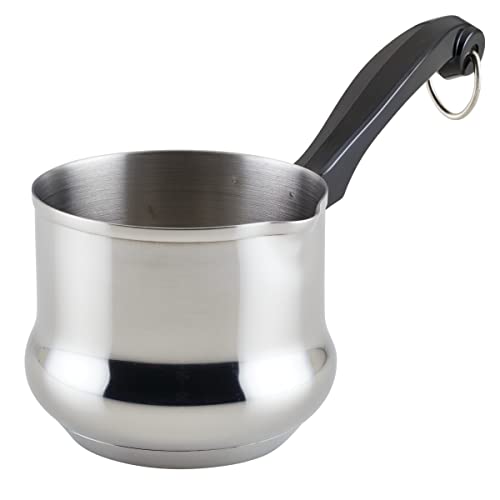
Farberware Classic Series Stainless Steel Butter Warmer, Melting Pot, Milk Warmer Pot
Farberware
Classic Series Stainless Steel Butter Warmer, Melting Pot, Milk Warmer Pot
$14.99 at AmazonEditors' Favorite
Color: Stainless Steel Size: 0.6 Quarts Dimensions: 4.9 x 9.3 x 4.2 Inches Weight: 0.7 pounds Product Group: Kitchen Binding: Kitchen
Shop NowCuisinart Small-Batch Sauces and Reheating: Cuisinart 8919-14 1-Quart Stainless Steel Saucepan with Cover
Cuisinart
Small-Batch Sauces and Reheating: Cuisinart 8919-14 1-Quart Stainless Steel Saucepan with Cover
This 1-quart saucepan handles sauces, reheating, and other small portions with an aluminum-encapsulated base that heats quickly and evenly. It suits cooks who need a compact everyday pan with stainless steel construction, a cover, dishwasher-safe cleanup, and a lifetime warranty.
$24.95 at AmazonGreat Value
Color: Stainless Steel Size: 1 Quarts Dimensions: 12.5 x 5.5 x 5.3 inches Weight: 2.2 pounds Product Group: Kitchen Binding: Kitchen
Shop NowP&P CHEF 1 Quart Sauce Pan With Lid, Small Pot Saucepan for Milk, 1 Pc

Color: Silver, Brown, Black Size: 1 Quarts Dimensions: 6 x 12.5 x 3.5 Inches Weight: 1.8 pounds Product Group: Kitchen Binding: Kitchen
Shop Nowecanna Mini Butter Warmer 2-Pack, 10 oz Stainless Steel Saucepan

Color: Gold Size: large Dimensions: 6.99 x 3.86 x 2.09 inches Product Group: Kitchen
Shop NowSENSARTE Nonstick Saucepan with Lid, 1.5 Quarts Small Pot with Swiss Granite Coating, Stay-cool Handle, Multipurpose Handy Sauce Pot Small Kitchen Cooking Pot, Induction Comptable, PFOA Free

SENSARTE
Nonstick Saucepan with Lid, 1.5 Quarts Small Pot with Swiss Granite Coating, Stay-cool Handle, Multipurpose Handy Sauce Pot Small Kitchen Cooking Pot, Induction Comptable, PFOA Free
$19.98 at AmazonColor: Gray Granite Size: 1.5 Quarts Dimensions: 6.3 x 13.1 x 3.4 inches Weight: 2 Pounds Product Group: Kitchen Binding: Kitchen
Shop Now




Write Your Review
No reviews yet. Be the first to share your experience!