

What People Actually Ask
Search the BBQ forums for the best meats to smoke and the recurring question on r/smoking is what to smoke first, and in what order, before you tackle a brisket. The consensus is clear: start with forgiving cuts like pork butt and chicken, build your skills, and save the expensive, unforgiving brisket for when you’ve learned your smoker. This guide lays out the best meats to smoke by difficulty, plus the books and gear that help you master each.
The Common Recommendations
Across r/smoking, Hey Grill Hey, and the BBQ blogs, the guidance is consistent: don’t start with brisket. Begin with pork butt, the most forgiving cut, where the high fat and connective tissue mean it stays juicy even if your temperature wanders, then move to chicken, ribs, and pork belly, and only tackle the expensive, easy-to-ruin brisket once you’ve learned your smoker’s hot spots and how to manage a long cook. The picks below pair learning resources (cookbooks) with the smoke-generating gear that helps any cut. For the smoker itself, see our best smoker grill guide.
The Best Deals This Week*
-
Smoke Meats Like a Pro with Master the Wood Pellet
$10.89
($16.99)Save $6.10 -
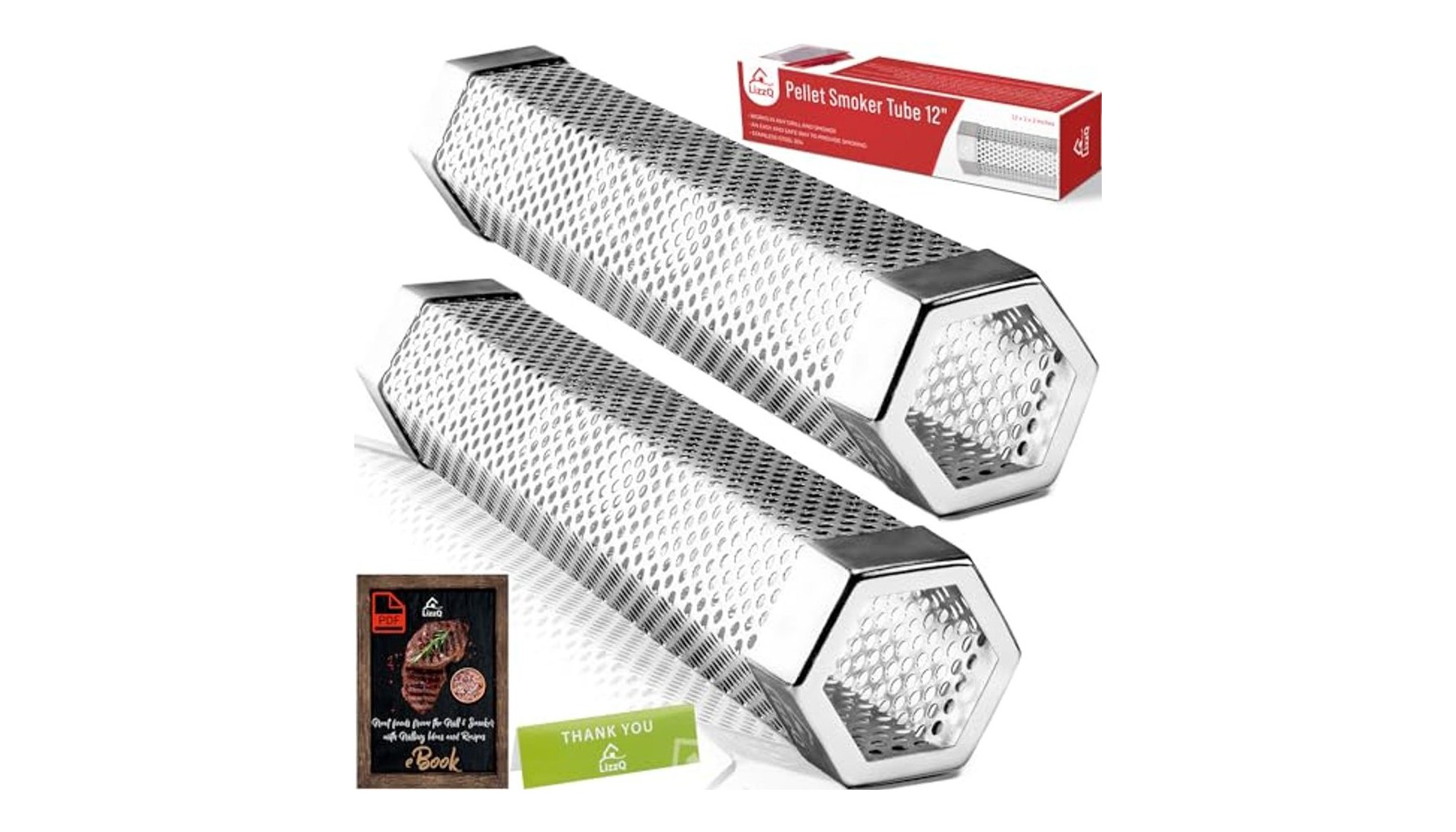
LIZZQ 12-Inch Pellet Smoker Tube Set of 2
$17.97
($22.51)Save $4.54 -
Storey Publishing Guide to Canning, Freezing
$10.82
($16.95)Save $6.13 -
Smoke Cooking Guide for Any Grill
$11.61
($22.99)Save $11.38
*Deals are selected by our commerce team
Deeper Dive: Our Top Picks
Our Top Picks

Callisto
Smoke Meats Like a Pro with Master the Wood Pellet Grill Cookbook by Callisto
Master the Wood Pellet Grill teaches home cooks how to use a pellet grill to smoke meats with professional-level technique, covering everything from temperature control to wood pellet selection. BBQ enthusiasts who own a pellet grill and want structured, recipe-driven guidance to move beyond basic grilling will get the most from this book.
Pros and Cons
Pros
- Dedicated focus on wood pellet grills means the advice is specific and actionable rather than adapted from charcoal or gas techniques.
- Covers both meat selection and smoke pairing, giving readers a complete framework instead of isolated recipes.
- Affordable price point makes it easy to add to a pellet grill purchase without significant added cost.
- Recipe-driven structure lets readers follow along step by step during an actual cook session.
Cons
- With zero verified reviews available, there is no reader feedback yet to confirm how well the recipes perform across different pellet grill brands.
- Focuses exclusively on smoking meats, so readers looking for broader pellet grill coverage including vegetables or baking will need a supplemental resource.

Majosta
Traeger Grill Smoking Techniques Book: Master Smoked Meat Step by Step with Majosta's How to Smoke Meat Guide
This guide covers Traeger-specific smoking techniques, walking through meat cuts, temperatures, and timing to produce consistently smoked results without translating advice from other smoker types. Traeger owners who want structured, pellet-grill-specific instruction rather than general barbecue theory will get the clearest return from it.
Pros and Cons
Pros
- Built around Traeger pellet grills, making every technique directly applicable rather than repurposed from other smoker types.
- Organized by meat type and cut, so it functions as a quick reference during prep rather than a read-through manual.
- Low barrier to entry makes it a practical addition to any Traeger owner's cooking library.
Cons
- No independent user feedback is available yet, so buyers cannot cross-check the techniques against real-world results before purchasing.
- As a written guide, it requires readers to interpret and self-apply instructions without visual demonstration or video support.

LIZZQ
12-Inch Pellet Smoker Tube Set of 2 – Up to 5 Hours of Cold or Hot Smoke for Any Grill
The LIZZQ 12-inch hexagon smoker tube fills any gas, electric, or charcoal grill with up to 5 hours of continuous wood-pellet smoke, turning an ordinary cook into a full smoke session without a dedicated smoker. Backyard grillers who want authentic smoked flavor on meats, fish, or cheese without buying new equipment will get the most value from this set of two stainless steel tubes.
Pros and Cons
Pros
- The hexagon design solves a real problem with round tubes by staying put on the grate instead of rolling into a corner.
- Stainless steel 304 is food-safe, handles both cold-smoking temperatures and high grilling heat, and cleans up without rusting.
- A 12-inch tube holds enough pellets for up to 5 hours, which covers most low-and-slow cooks in a single load.
- Set of two adds immediate value, whether used together for more smoke or kept as a backup.
Cons
- No reviews yet to confirm real-world smoke output duration across different grill sizes and ambient temperatures.
- Pellets are sold separately, so first-time buyers need to factor in that additional cost and sourcing step.

Storey Publishing
Guide to Canning, Freezing, Curing & Smoking Meat, Fish & Game
This Storey Publishing guide covers four essential preservation methods—canning, freezing, curing, and smoking—for meat, fish, and wild game. If you hunt, raise livestock, or want to stock your freezer with home-preserved proteins, this reference gives you the techniques and safety details you need.
Pros and Cons
Pros
- Comprehensive coverage of four preservation methods in a single volume saves you from buying multiple books.
- Storey Publishing's reputation for practical, tested recipes means the instructions are grounded in real kitchen experience.
- The book addresses both domestic meats and wild game, expanding its usefulness beyond typical canning guides.
Cons
- As a printed reference, it lacks the visual step-by-step photos that beginners often find helpful for complex techniques.
- The broad scope means some methods may not go as deep as a dedicated canning or smoking book would.

Harvest
Smoke Cooking Guide for Any Grill – Weber's Smoke by Harvest
Weber's Smoke teaches smoke cooking techniques compatible with any grill, making it the most accessible entry point into barbecue smoking for home cooks. It suits beginners who want structured guidance and experienced grillers looking to expand their smoking repertoire beyond a single grill type.
Pros and Cons
Pros
- Universal grill compatibility means the techniques work whether you own a kettle, gas grill, or dedicated smoker.
- The 4.9 rating reflects a high degree of reader trust in the accuracy and usability of the instructions.
- Harvest's culinary publishing standards ensure the content is edited, tested, and structured for practical use.
- Positioned as a guide rather than a cookbook, giving readers foundational knowledge they can apply repeatedly.
Cons
- No product description or feature list is available to confirm chapter depth, recipe count, or whether it covers specific proteins or wood types.
- At a modest price point, page count and illustration quality are unknown, which matters for visual learners.
Editors' Picks
Callisto Smoke Meats Like a Pro with Master the Wood Pellet Grill Cookbook by Callisto
Callisto
Smoke Meats Like a Pro with Master the Wood Pellet Grill Cookbook by Callisto
Master the Wood Pellet Grill teaches home cooks how to use a pellet grill to smoke meats with professional-level technique, covering everything from temperature control to wood pellet selection. BBQ enthusiasts who own a pellet grill and want structured, recipe-driven guidance to move beyond basic grilling will get the most from this book.
$10.89 at AmazonEditors' Favorite
Dimensions: 7.5 x 0.48 x 9.25 Inches Weight: 0.80027801106 pounds Product Group: Book Binding: Paperback
Shop NowMajosta Traeger Grill Smoking Techniques Book: Master Smoked Meat Step by Step with Majosta's How to Smoke Meat Guide
Majosta
Traeger Grill Smoking Techniques Book: Master Smoked Meat Step by Step with Majosta's How to Smoke Meat Guide
This guide covers Traeger-specific smoking techniques, walking through meat cuts, temperatures, and timing to produce consistently smoked results without translating advice from other smoker types. Traeger owners who want structured, pellet-grill-specific instruction rather than general barbecue theory will get the clearest return from it.
$6.99 at AmazonGreat Value
Dimensions: 7 x 0.28 x 10 inches Product Group: Book Binding: Paperback
Shop NowLIZZQ 12-Inch Pellet Smoker Tube Set of 2 – Up to 5 Hours of Cold or Hot Smoke for Any Grill
LIZZQ
12-Inch Pellet Smoker Tube Set of 2 – Up to 5 Hours of Cold or Hot Smoke for Any Grill
The LIZZQ 12-inch hexagon smoker tube fills any gas, electric, or charcoal grill with up to 5 hours of continuous wood-pellet smoke, turning an ordinary cook into a full smoke session without a dedicated smoker. Backyard grillers who want authentic smoked flavor on meats, fish, or cheese without buying new equipment will get the most value from this set of two stainless steel tubes.
$17.97 at AmazonColor: Stainless Steel 304 Size: 12 inches Dimensions: 4.14 x 2.36 x 12.2 inches Weight: 1.13 Pounds Product Group: Lawn & Patio Binding: Kitchen
Shop NowStorey Publishing Guide to Canning, Freezing, Curing & Smoking Meat, Fish & Game
Storey Publishing
Guide to Canning, Freezing, Curing & Smoking Meat, Fish & Game
This Storey Publishing guide covers four essential preservation methods—canning, freezing, curing, and smoking—for meat, fish, and wild game. If you hunt, raise livestock, or want to stock your freezer with home-preserved proteins, this reference gives you the techniques and safety details you need.
$10.82 at AmazonColor: Brown Dimensions: 6 x 0.8 x 8.95 inches Weight: 0.89948602896 Pounds Formats: Illustrated Product Group: Book Binding: Paperback
Shop NowHarvest Smoke Cooking Guide for Any Grill – Weber's Smoke by Harvest
Harvest
Smoke Cooking Guide for Any Grill – Weber's Smoke by Harvest
Weber's Smoke teaches smoke cooking techniques compatible with any grill, making it the most accessible entry point into barbecue smoking for home cooks. It suits beginners who want structured guidance and experienced grillers looking to expand their smoking repertoire beyond a single grill type.
$11.61 at AmazonDimensions: 9.25 x 0.61 x 10 Inches Weight: 1.69976404002 Pounds Formats: Illustrated Product Group: Book Binding: Paperback
Shop NowAbout These Recommendations
The technique above is the point of this guide; the products are here because they help. We have not tested them ourselves — we did not buy or use this gear. The recommendations come from comparing specifications and materials against the patterns in verified owner reviews, so treat them as a shortlist worth researching rather than a verdict from our own kitchen.
Availability and prices change often, so check the current listing before buying. We earn a commission on purchases made through links on this page, which never affects what we recommend.
The Picks Owners Stand Behind
Start Here: Master the Wood Pellet Grill Cookbook (Callisto)
The best resource for beginners learning what to smoke and how. This cookbook walks you through smoking meats step by step on a pellet grill, exactly the guidance a newcomer needs to nail forgiving cuts like pork butt and chicken before attempting brisket. Having a recipe with target temperatures and times removes the guesswork that ruins early cooks. For someone who just got a smoker and wants a structured path from easy meats to advanced ones, a good cookbook is the smartest first buy.
For Technique: Majosta How to Smoke Meat (Traeger Guide)
A focused smoking guide that teaches the step-by-step techniques behind great smoked meat, geared toward Traeger and pellet-grill users. It covers the fundamentals, temperature control, wood choice, when to wrap, that apply across cuts, helping you understand why pork butt is forgiving and brisket isn’t. For someone who wants to learn the principles rather than just follow recipes, this technique-focused guide builds the judgment that separates good smoked meat from great.
Essential Gear: LIZZQ 12-Inch Pellet Smoker Tube (2-Pack)
The gear pick that improves every meat you smoke. These 12-inch smoker tubes generate up to 5 hours of clean cold or hot smoke from wood pellets, letting you add real smoke flavor to any grill, even a gas grill that doesn’t smoke on its own, or boost the smoke on a cut that needs more. They’re especially handy for cold-smoking salmon and cheese. For someone who wants more smoke flavor regardless of which meat or grill they’re using, the tube is a cheap, versatile upgrade.
For Preserving: Storey’s Canning, Freezing & Smoking Guide
The pick for the homesteader or hunter who wants to smoke meat as preservation, not just for a weekend cookout. This Storey Publishing guide covers smoking alongside canning and freezing, ideal for processing game, fish, or bulk meat for long-term storage. It’s a broader reference than a BBQ cookbook, suited to someone whose interest in smoking is about putting up food. For self-sufficiency-minded cooks, it connects smoking to the wider world of food preservation.
For Any Grill: Weber’s Smoke by Harvest
The pick for mastering smoke technique on whatever grill you own. Weber’s Smoke teaches BBQ smoking techniques applicable to any grill, not just a dedicated smoker, so even a kettle-grill owner can learn to smoke ribs, chicken, and more. Weber’s name carries authority in the grilling world, and the book bridges grilling and smoking for someone who wants to expand what their existing grill can do. A great resource for turning a regular grill into a smoke machine.
What Owners Warn Against
The forums are emphatic about the biggest beginner mistake: don’t start with brisket. It’s expensive (a packer can run $80+), large, and unforgiving, a wandering temperature or a rushed cook leaves you with a dry, tough, costly disappointment, which is exactly why experienced smokers tell newcomers to learn on pork butt first. Other common warnings: don’t over-smoke (too much smoke turns meat acrid and bitter; a few hours of good smoke is plenty), don’t cook by time alone (internal temperature is what determines doneness, and every smoker and cut differs), and don’t keep opening the lid to peek (each peek drops the temperature and extends the cook, the saying goes “if you’re lookin’, you ain’t cookin'”). Also avoid trying to rush a low-and-slow cut, brisket and pork butt need the time for the connective tissue to break down. A reliable leave-in thermometer prevents most of these mistakes, see our wireless meat thermometer guide.
The Long-Haul Verdict
Over time, the path most smokers follow is exactly the order the forums recommend: master pork butt (cheap, forgiving, delicious pulled pork), get comfortable with chicken and ribs, experiment with pork belly and fish, and graduate to brisket once you trust your smoker and your temperature management. The skills compound, learning to hold a steady temperature on a pork butt is what lets you eventually nail a brisket. Beyond the cut, the variables that make smoked meat great are consistent: a steady low temperature, the right amount of clean smoke (not too much), patience to let collagen render, and a thermometer to hit the target internal temp rather than guessing. Build that foundation on forgiving meats, lean on a good cookbook while you learn, and the expensive cuts become approachable. The journey from first pork butt to competition-worthy brisket is the whole appeal of smoking. For the smoker that anchors it all, see our smoker grill guide and Weber Smokey Mountain review.
Frequently Asked Questions
What is the best meat to smoke for beginners?
Pork butt (also called pork shoulder) is the best beginner meat to smoke. It’s inexpensive, and its high fat and connective tissue make it extremely forgiving, it stays juicy and delicious even if your temperature wanders or you overcook it slightly. It makes pulled pork, feeds a crowd, and teaches you to manage a long low-and-slow cook before you risk an expensive brisket.
What order should I learn to smoke meats in?
Start with forgiving cuts and work up: pork butt first (cheap, hard to ruin), then chicken and turkey (quick, easy), then pork ribs and pork belly (moderate, rewarding), then fish like salmon (fast, delicate), and finally brisket (expensive, unforgiving). This order builds your temperature-control and timing skills on cuts that forgive mistakes before you tackle the pitmaster’s final exam.
Why is brisket the hardest meat to smoke?
Brisket is large, expensive, and unforgiving: it requires a long, precisely-managed low-and-slow cook (often 12+ hours) to break down its tough connective tissue, and small mistakes in temperature or timing leave it dry and tough, a costly disappointment given the price of a packer brisket. Experienced smokers recommend learning on forgiving cuts like pork butt first before risking a brisket.
Can you smoke meat on a regular grill?
Yes. You can smoke on a regular charcoal or gas grill using indirect heat (coals or burners on one side, meat on the other) and a smoke source like wood chips, chunks, or a pellet smoke tube. A smoke tube is especially useful for adding real smoke flavor to a gas grill. It’s not as convenient as a dedicated smoker, but it works well for ribs, chicken, and more.
How do you know when smoked meat is done?
By internal temperature, not time. Use a meat thermometer and cook to the target temp for the cut: pulled pork and brisket need to reach around 195-205F for the connective tissue to render, while chicken is done at 165F. Time estimates vary with your smoker, the weather, and the cut, so a leave-in thermometer is essential for knowing exactly when the meat is ready.
The Bottom Line
The best meats to smoke follow a learning path: start with forgiving, inexpensive pork butt, build your skills on chicken and ribs, and graduate to the expensive, unforgiving brisket once you’ve mastered your smoker. Don’t start with brisket, don’t over-smoke, and always cook to internal temperature rather than time. A good cookbook and a smoke tube help you learn faster, and a reliable thermometer prevents the most common mistakes. For the smoker and probe, see our smoker grill and meat thermometer guides.


Write Your Review
No reviews yet. Be the first to share your experience!