

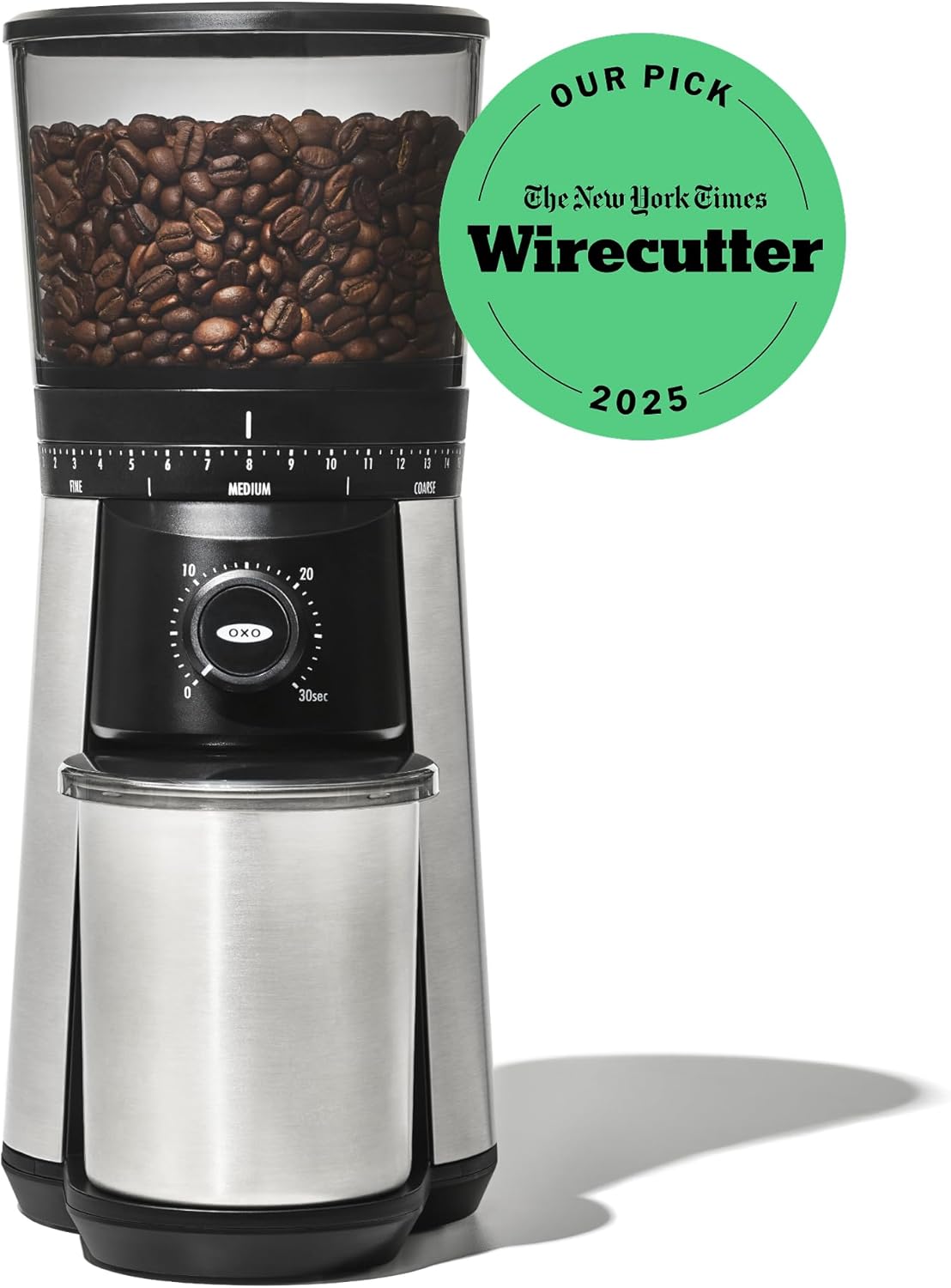
A stainless exterior does not identify every water-contact part or establish the safety of an espresso machine. Check the exact model and its care instructions.
Separate the case from the brewing path
The outer panels, reservoir, hoses, heater, boiler, group and portafilter are different components. A stainless case is not evidence that all of them are steel, uncoated or made from one specified alloy. Ask the manufacturer for component-level information when the listing does not provide it.
Use evidence for the actual product
Food-contact documentation, electrical requirements, regional compliance information and the condition of the complete appliance answer different questions. A material name alone does not prove that nothing transfers to a drink or that every user can use the machine without concern.
If a known material sensitivity affects your choice, discuss the relevant exposure with an appropriate clinician and request the actual construction details from the maker. A general ranking of metals is not an individual health assessment.
Maintain the model as designed
Use only the approved water, maintenance chemical, circuit and control sequence. Do not apply one vinegar concentration, monthly interval or fixed number of rinse tanks to every espresso machine. Do not open a pressurized component or bypass a safety device.
Keep a machine with leakage, electrical damage, smoke or an unexplained burning smell out of service and follow its support process. A routine cleaning cycle does not repair a damaged component.
Find the correct maintenance procedure
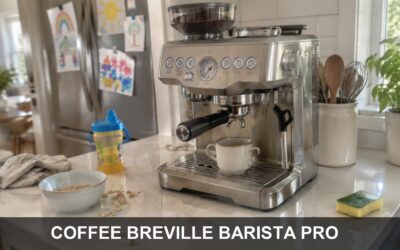
Breville espresso care guidance distinguishes cleaning from descaling and directs owners to the procedure for their machine. Use the corresponding documentation for your actual brand and model.
Frequently asked question
Does a stainless shell mean the entire brewing path is stainless?
No. Verify the reservoir, tubing, heater, boiler, group and other contact components separately.







Write Your Review
No reviews yet. Be the first to share your experience!