

A ceramic chef’s knife suits gentle slicing of food such as fruit and vegetables on a wood or plastic cutting board. Use steel for bones, frozen food, tough rinds and jobs that require twisting or levering. Ceramic can chip or break under pressure even when the edge still feels sharp.
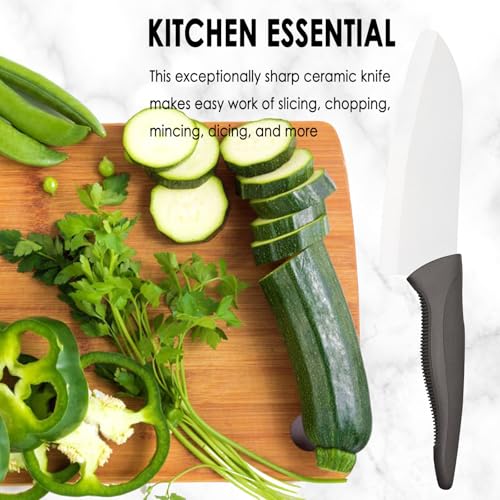
Use a smooth slicing motion on the right board
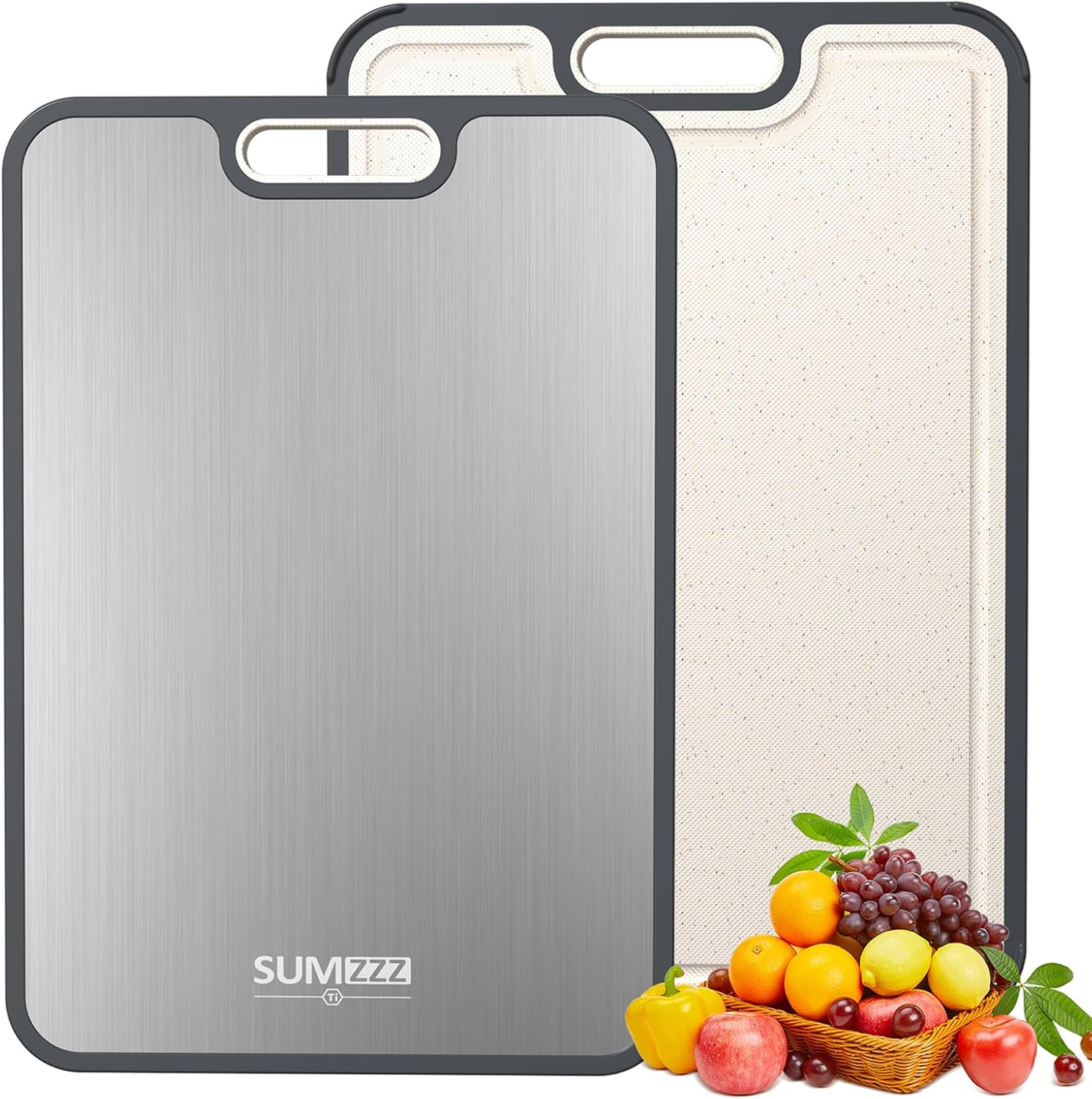
Work on a stable wood or plastic board and use the blade with the gentle slicing motion the maker recommends. Use a suitable steel knife if the food needs force to cut. Do not use the blade to open packets, pry a stuck lid or scrape sideways along the board.
The Kyocera care guide gives examples of hard foods to leave to a steel knife. Choose by the blade material. A steel knife with a ceramic coating has a different construction from a ceramic blade.
Check the edge after a drop or impact
Stop using the knife if you see a chip or crack that appeared during preparation. If a fragment may have gone into the food and you cannot account for it, discard the affected food. Ask the manufacturer about replacement or service before using a damaged blade again.
Wash and store the blade where it will stay protected
Follow the maker’s care directions and keep the edge from knocking against steel cutlery. Use an appropriate sheath or a slot sized for the blade. When it needs sharpening, use a service or sharpening method approved for ceramic by the maker.
Frequently asked questions
Can I use a ceramic knife on frozen vegetables?
Use another tool the maker approves for frozen food. Ceramic can chip if you force it through hard food.
Can a ceramic knife replace a steel chef’s knife?
Ceramic can handle part of your slicing routine. Keep a suitable steel knife for foods and techniques that place more force on the blade.




Write Your Review
No reviews yet. Be the first to share your experience!