

TL;DR — A vacuum sealer is worth it if you buy in bulk, freeze food regularly, meal-prep, sous vide, or hate food waste — it extends food’s fridge/freezer life dramatically and prevents freezer burn, saving money over time. If you shop small, rarely freeze, or lack storage, it’s less essential. It pays off for bulk buyers and freezer users. Bulk buying and freezing are the biggest payoffs. The HomeWhisk team compared the benefits against aggregated feedback. For picks, see our best vacuum sealer guide.
The HomeWhisk editorial team researches kitchen equipment by analyzing manufacturer specifications, benefits, and aggregated user reviews from major retailers and cooking communities. Our recommendations are based on what the products actually deliver, not what brands promise.

A vacuum sealer removes air from bags to preserve food longer, but is it worth the cost and the bags? The honest answer depends on how you shop, cook, and store food. Here’s the breakdown. For picks, see our best vacuum sealer guide.
BlackVoyage
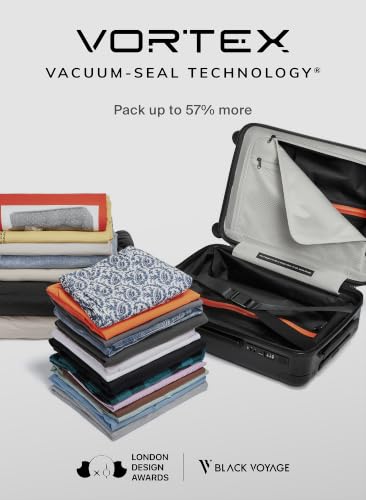
Kitchen Linen Storage and Transport: BlackVoyage AirCabin 20-Inch Vacuum Carry-On
The BlackVoyage AirCabin compresses bulky kitchen linens and travel supplies with an electric vacuum system, making its 60L capacity the main advantage. Buy it if you need to transport kitchen textiles or equipment while keeping wet and dry items separated, but not if you need a stationary kitchen storage container.
Pros and Cons
Pros
- The built-in vacuum compression system reduces the space taken by bulky kitchen linens.
- The 20-inch carry-on format combines compression storage with a hard-shell exterior.
- Padded shoulder straps and multiple compartments support more organized transport.
- The product includes a TSA-approved lock, YKK zippers, and an anti-theft hidden pocket.
Cons
- It is luggage rather than a dedicated kitchen storage container, so it is not suitable for organizing pantry food or refrigerated ingredients.
- The listed specifications do not provide the suitcase's weight, which matters when packing close to airline limits.

FoodSaver
Custom-Length Vacuum Sealer Rolls for Freezer Storage and Sous Vide: FoodSaver 5-Count Multipack, 8-Inch and 11-Inch
These heat-seal rolls let you cut bags to any length for FoodSaver vacuum systems, so odd-shaped cuts of meat and bulk produce get an airtight fit instead of a wasteful pre-sized bag. Buy this multipack if you batch-freeze, buy in bulk, or cook sous vide and want both narrow 8-inch and wide 11-inch widths on hand.
Pros and Cons
Pros
- Custom cutting eliminates the half-empty bags you get with fixed-size pouches.
- Freezer, refrigerator, microwave, and dishwasher safe, so one bag handles storage and reheating.
- Made in the USA and BPA free for direct contact with raw meat and cooked food.
- Mixed 8-inch and 11-inch widths mean you are not stuck sizing everything to one dimension.
Cons
- Rolls only work with FoodSaver-style heat-seal vacuum systems, not clamp or zipper-valve sealers.
- Each bag needs two seals instead of one, which uses slightly more film and time than pre-cut bags.

MZROT
Freezer Storage That Beats Zip Bags: MZROT Vacuum Sealer Machine for Bulk Buying, Batch Cooking, and Sous Vide Prep
The MZROT vacuum sealer draws air out of storage bags and heat seals them on the countertop, so meat, fish, and cheese hold texture and flavor in the freezer far longer than in zip bags. It fits home cooks who buy warehouse packs or batch cook on weekends and want a compact external sealer instead of a commercial chamber machine.
Pros and Cons
Pros
- External suction design keeps the machine small enough to live in a cabinet between uses, unlike chamber sealers that claim permanent counter space.
- The heat seal bar works with standard textured vacuum bags and rolls, so consumables are easy to restock from any grocery or online seller.
- One unit handles both the vacuum and the seal, so there is no separate pump, clamp, or accessory to manage during a long portioning session.
Cons
- The listing publishes almost no specifications, including suction strength, seal bar width, and maximum bag size, so confirm the bar length before buying rolls.
- MZROT is a low profile brand with a thin ownership history, which leaves long term motor durability and warranty responsiveness unproven.

SelePow
Cordless Mason Jar Vacuum Sealing for Dry Goods and Leftovers: SelePow VP06+ Electric Jar Sealer Kit
The SelePow VP06+ vacuum seals wide-mouth and regular-mouth mason jars in 20 to 40 seconds with one button, no hose or hot water bath required. Buy it if you store flour, beans, coffee, or nuts in jars and want oxygen and pantry bugs out without buying a full chamber sealer.
Pros and Cons
Pros
- Sealing a jar takes under a minute with no water, heat, or hose setup.
- Both mouth sizes are included, so you are not stuck buying a second attachment.
- Rechargeable battery removes the ongoing cost and hassle of disposable batteries.
- Works across dry goods and wet foods like pickles, salsa, and jelly.
Cons
- This vacuum seals for storage only and does not replace pressure canning for shelf-stable low-acid foods.
- The 10 included lids are a starter supply, so regular users will need to reorder reusable lids fairly quickly.
BlackVoyage Kitchen Linen Storage and Transport: BlackVoyage AirCabin 20-Inch Vacuum Carry-On
BlackVoyage
Kitchen Linen Storage and Transport: BlackVoyage AirCabin 20-Inch Vacuum Carry-On
The BlackVoyage AirCabin compresses bulky kitchen linens and travel supplies with an electric vacuum system, making its 60L capacity the main advantage. Buy it if you need to transport kitchen textiles or equipment while keeping wet and dry items separated, but not if you need a stationary kitchen storage container.
$339.00 at AmazonEditors' Favorite
Color: Matte Black Pro Size: 60L Capacity (2 Vacuum Bags, No Wheel Lock) Dimensions: 5 x 5 x 5 inches Product Group: Luggage Binding: Luggage
Shop NowFoodSaver Custom-Length Vacuum Sealer Rolls for Freezer Storage and Sous Vide: FoodSaver 5-Count Multipack, 8-Inch and 11-Inch
FoodSaver
Custom-Length Vacuum Sealer Rolls for Freezer Storage and Sous Vide: FoodSaver 5-Count Multipack, 8-Inch and 11-Inch
These heat-seal rolls let you cut bags to any length for FoodSaver vacuum systems, so odd-shaped cuts of meat and bulk produce get an airtight fit instead of a wasteful pre-sized bag. Buy this multipack if you batch-freeze, buy in bulk, or cook sous vide and want both narrow 8-inch and wide 11-inch widths on hand.
$29.99 at AmazonGreat Value
Color: Clear Size: Both Sizes (5-Pack) Dimensions: 7.5 x 5.25 x 11.63 inches Weight: 3.086471668 Pounds Product Group: Kitchen Binding: Kitchen
Shop NowMZROT Freezer Storage That Beats Zip Bags: MZROT Vacuum Sealer Machine for Bulk Buying, Batch Cooking, and Sous Vide Prep
MZROT
Freezer Storage That Beats Zip Bags: MZROT Vacuum Sealer Machine for Bulk Buying, Batch Cooking, and Sous Vide Prep
The MZROT vacuum sealer draws air out of storage bags and heat seals them on the countertop, so meat, fish, and cheese hold texture and flavor in the freezer far longer than in zip bags. It fits home cooks who buy warehouse packs or batch cook on weekends and want a compact external sealer instead of a commercial chamber machine.
$56.99 at AmazonColor: Black Silver Dimensions: 4.96 x 3.82 x 16.14 Inches Product Group: Kitchen
Shop NowSelePow Cordless Mason Jar Vacuum Sealing for Dry Goods and Leftovers: SelePow VP06+ Electric Jar Sealer Kit
SelePow
Cordless Mason Jar Vacuum Sealing for Dry Goods and Leftovers: SelePow VP06+ Electric Jar Sealer Kit
The SelePow VP06+ vacuum seals wide-mouth and regular-mouth mason jars in 20 to 40 seconds with one button, no hose or hot water bath required. Buy it if you store flour, beans, coffee, or nuts in jars and want oxygen and pantry bugs out without buying a full chamber sealer.
$27.99 at AmazonColor: Blue Size: VP06+ Dimensions: 4.25 x 4.25 x 3.74 inches Weight: 0.77 Pounds Product Group: Kitchen
Shop NowWhat a Vacuum Sealer Does
Understanding how a vacuum sealer preserves food shows where the value comes from.
A vacuum sealer removes the air from a bag around food and seals it airtight. Removing the air matters because oxygen causes food to deteriorate — it drives spoilage, freezer burn, oxidation, and staleness. By removing it, a vacuum sealer:
Extends food’s shelf life dramatically:
- In the freezer: vacuum-sealed food lasts far longer without freezer burn — often 2-3x longer or more than regular packaging. Freezer burn (from air contact) is largely eliminated.
- In the fridge: vacuum-sealed food stays fresh longer than in regular containers or bags.
- Pantry (dry goods): keeps dry foods fresh longer by blocking air and moisture.
Prevents freezer burn: the air-contact damage that ruins frozen food’s texture and taste is prevented, so frozen food thaws in much better condition.
Enables bulk buying and batch prep: you can buy meat and other foods in bulk (cheaper), portion them, vacuum-seal, and freeze — with confidence they’ll keep well. Great for meal prep.
Supports sous vide: vacuum sealing is ideal for sous vide cooking (see our do-you-need-a-vacuum-sealer-for-sous-vide guide), removing air completely for long cooks and batch prep.
Reduces food waste: food that would spoil or freezer-burn instead keeps, saving money and reducing waste.
So a vacuum sealer’s core value is preserving food much longer by removing air — which pays off most for people who buy in bulk, freeze a lot, meal-prep, or want to cut waste. The question is whether you do enough of that to justify it. Our best vacuum sealer guide covers options.
When It’s Worth It (and When It’s Not)
Weighing the preservation benefit against cost and bags, here’s who a vacuum sealer suits.
A vacuum sealer is worth it if you:
- Buy food in bulk — bulk meat, fish, and other foods are cheaper per unit, and vacuum-sealing lets you portion and freeze them long-term without waste. This is the biggest money-saver.
- Freeze food regularly — it prevents freezer burn and extends freezer life dramatically, keeping frozen food in great condition.
- Meal-prep — portion and seal meals or ingredients for the fridge/freezer.
- Sous vide — vacuum sealing is ideal for it (especially long cooks). See our sous vide guides.
- Hunt, fish, or garden — preserving large quantities of meat, fish, or produce.
- Hate food waste — extends food’s life so less spoils, saving money over time.
- Buy in bulk to save money — the savings from bulk buying and reduced waste can offset the sealer and bag costs over time.
For these people — especially bulk buyers and regular freezers — a vacuum sealer genuinely pays off in money saved and waste reduced.
A vacuum sealer is probably not worth it if you:
- Shop small and fresh — buying small amounts you eat quickly, with little freezing.
- Rarely freeze food — the biggest benefit (freezer preservation) doesn’t apply.
- Don’t meal-prep or bulk-buy.
- Have limited storage — for the sealer and (ideally) a freezer to fill.
- Don’t want ongoing bag costs — vacuum sealers use special bags/rolls (an ongoing expense, though reusable options exist).
Ongoing cost note: vacuum sealers require compatible bags or rolls (an ongoing cost), though this is usually offset by the food savings for bulk buyers. Some sealers use reusable bags/containers to reduce this.
The honest verdict: a vacuum sealer is worth it for bulk buyers, regular freezers, meal-preppers, and sous vide cooks — it saves money and reduces waste enough to justify the cost. It’s not essential for small, fresh-shopping households that rarely freeze. Match it to how you shop and store food. Our best vacuum sealer guide covers options.
Choosing a Vacuum Sealer
If you decide it’s worth it, here’s what to consider when choosing one.
Types of vacuum sealers:
- External (clamp/edge) sealers: the common home type — you place the bag’s open end in the machine, and it sucks out the air and seals. Affordable, effective for most home use (bulk freezing, meal prep, sous vide). See our best vacuum sealer guide.
- Chamber sealers: premium/commercial — the whole bag goes in a chamber; more powerful, faster, handle liquids better, but expensive and large. For heavy or commercial use.
- Handheld sealers: compact, use special reusable zipper bags/containers; convenient for light use and less waste, but less powerful.
For most home users, an external (clamp) sealer is the right choice.
Factors to consider:
- Sealing strength and reliability — a good seal is essential for preservation.
- Bag compatibility and cost — check what bags/rolls it uses and their ongoing cost; some take generic rolls (cheaper), some proprietary.
- Moist/dry settings — for sealing moist foods without issues (liquids can be tricky for external sealers).
- Reusable bag/container options — to reduce ongoing bag cost and waste.
- Speed and ease if you’ll seal a lot.
- Size/storage for the machine.
- Extras: roll storage/cutter, pulse function (for delicate foods), accessory ports (for jars/canisters).
Tips for value:
- Buy bags in bulk / use rolls to cut ongoing cost.
- Portion sensibly before sealing (seal meal-sized portions).
- Label and date sealed items.
- Consider reusable bags for frequently-accessed items.
The takeaway: a vacuum sealer is worth it if you buy in bulk, freeze regularly, meal-prep, or sous vide — it saves money and cuts waste. For most home users, an external clamp sealer is the right type. Factor in ongoing bag costs, but bulk-buying savings usually offset them. Our best vacuum sealer and best sous vide guides cover the gear.
Frequently Asked Questions
Is a vacuum sealer worth it?
It’s worth it if you buy food in bulk, freeze regularly, meal-prep, sous vide, or want to cut food waste — it extends food’s fridge and freezer life dramatically (often 2-3x in the freezer), prevents freezer burn, and lets you buy in bulk cheaply and preserve it, saving money over time. It’s less essential if you shop small and fresh, rarely freeze food, or lack storage. For bulk buyers and regular freezers, the money saved and waste reduced justify the cost; for small fresh-shopping households, it’s not necessary.
How much does a vacuum sealer save you money?
It saves money mainly through bulk buying and reduced waste. Buying meat, fish, and other foods in bulk is cheaper per unit, and vacuum-sealing lets you portion and freeze them long-term without freezer burn or spoilage — so you capture the bulk savings without waste. It also prevents food from spoiling or freezer-burning that you’d otherwise throw out. For regular bulk buyers and freezers, these savings can offset the sealer and bag costs over time. For those who don’t bulk-buy or freeze much, the savings are minimal, so it depends on your habits.
What can you use a vacuum sealer for?
Preserving food much longer by removing air: freezing meat, fish, and produce without freezer burn (lasting 2-3x longer), keeping fridge food fresh longer, storing dry pantry goods, meal-prepping (portioning and sealing meals/ingredients), buying in bulk and portioning, preserving hunting/fishing/garden hauls, and sous vide cooking (vacuum sealing is ideal for it). It reduces food waste by extending shelf life. The core use is any situation where you want food to last longer than regular packaging allows, especially for freezing and bulk storage.
Do vacuum sealers really prevent freezer burn?
Yes. Freezer burn is caused by air contact with frozen food, which dries out and damages its surface, ruining texture and flavor. By removing the air and sealing food airtight, a vacuum sealer largely eliminates this air contact, so vacuum-sealed frozen food resists freezer burn and thaws in much better condition than food in regular bags or containers. This is one of a vacuum sealer’s biggest benefits and a major reason it’s worth it for people who freeze food regularly — frozen food keeps its quality far longer.
What are the downsides of a vacuum sealer?
The main downsides are the ongoing cost of special bags or rolls (though buying rolls in bulk or using reusable bags reduces this, and food savings often offset it), the storage space for the machine (and ideally a freezer to fill), and that external sealers can struggle with very moist or liquid foods (a moist setting helps, or freeze liquids first). It’s also unnecessary if you don’t bulk-buy or freeze much. For those who do, these downsides are minor compared to the preservation benefits and savings, but they’re worth considering.
What kind of vacuum sealer should I buy?
For most home users, an external (clamp/edge) sealer — you place the bag’s open end in the machine and it removes the air and seals. It’s affordable and effective for bulk freezing, meal prep, and sous vide. Chamber sealers are premium/commercial (more powerful, handle liquids, but expensive and large), and handheld sealers use reusable zipper bags for light use with less waste. Consider sealing reliability, bag cost and compatibility, moist/dry settings, and reusable options. For typical home use, a good external clamp sealer is the right choice. See our best vacuum sealer guide.
Related buying guides: best meat thermometer, best instant pot and best chef knives on a budget.
The Bottom Line
A vacuum sealer is worth it if you buy in bulk, freeze food regularly, meal-prep, sous vide, or want to cut food waste — it extends food’s fridge and freezer life dramatically (often 2-3x in the freezer), prevents freezer burn, and lets you capture bulk-buying savings by preserving portioned food long-term. For bulk buyers and regular freezers, the money saved and waste reduced justify the cost and ongoing bags. It’s less essential for small, fresh-shopping households that rarely freeze. For most home users who decide it’s worth it, an external clamp sealer is the right type. See our best vacuum sealer and best sous vide guides.


Write Your Review
No reviews yet. Be the first to share your experience!