

A grill basting brush is a handheld brush that lets you spread sauce, marinade, oil or melted butter over food while it cooks, and the best choice for most backyard cooks is a heat-safe brush with a long handle and bristles that don’t shed. Silicone and natural-fiber heads both work. What matters is that the head can take the heat and wash clean.
This guide covers how to pick a basting brush, how to use it without burning your knuckles or your sauce, and how to keep it clean. We’ll also point to a few grilling items from our database that make the job easier. Fair warning: none of them is a brush, and we’ve labeled each one that way.
What a grill basting brush actually does
Basting does three things. It adds flavor to the surface, it keeps lean cuts from drying out, and it helps sugary sauces caramelize into a glaze. A good brush moves a thin, even coat. A bad one drips, clumps or leaves bits behind on the food.
Thin coats matter more than most people think. One thick layer of sauce tends to burn before the meat cooks through. Several light passes near the end of cooking give you a sticky glaze that stays put.
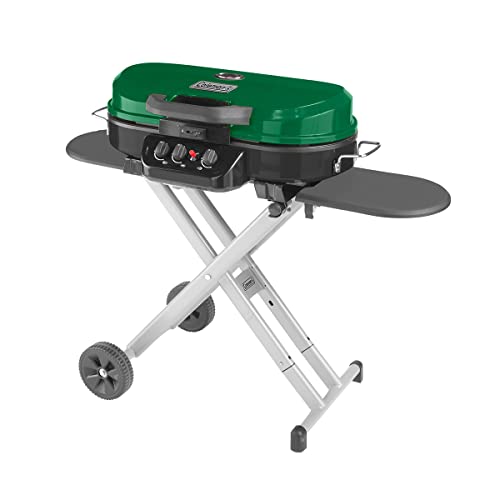
If you’re setting up a grilling station, a stable base helps too. The best portable grill picks are a good starting point if you cook away from home. One example from our database is the Coleman RoadTrip 285, a portable stand-up propane grill with 3 adjustable burners and 20,000 BTUs. It isn’t a brush, but it’s the kind of grill a long-handled brush is made for.
Coleman
Portable Stand-Up Propane Grilling for Camping and Tailgating: Coleman RoadTrip 285 with 3 Burners and 20,000 BTUs
The Coleman RoadTrip 285 puts 20,000 BTUs under 285 square inches of grate with three independently adjustable burners, so you can sear on one zone and hold finished food warm on another. Buy it if you tailgate, camp, or cook for a crowd on a small patio and need a full grill that folds onto wheels and rolls to the car.
Pros and Cons
Pros
- Improved burner technology holds low settings steadily enough for chicken pieces and vegetables, not just high-heat searing.
- The integrated lid thermometer lets you cook to temperature instead of guessing by flame height.
- Fold-down legs and wheels let one person move and store the grill without disassembly.
- Coleman backs it with a 3-year limited warranty.
Cons
- It runs on 16.4 ounce propane cylinders sold separately, which empty fast at full output, so long cookouts need spares or a bulk tank adapter.
- Even folded, a three-burner stand-up grill takes real trunk space and is a two-hand lift into a vehicle.
Coleman Portable Stand-Up Propane Grilling for Camping and Tailgating: Coleman RoadTrip 285 with 3 Burners and 20,000 BTUs
Coleman
Portable Stand-Up Propane Grilling for Camping and Tailgating: Coleman RoadTrip 285 with 3 Burners and 20,000 BTUs
The Coleman RoadTrip 285 puts 20,000 BTUs under 285 square inches of grate with three independently adjustable burners, so you can sear on one zone and hold finished food warm on another. Buy it if you tailgate, camp, or cook for a crowd on a small patio and need a full grill that folds onto wheels and rolls to the car.
$419.99 at AmazonEditors' Favorite
Color: Green Size: One Size Dimensions: 32.1 x 18.5 x 15.45 inches Weight: 46.67 pounds Product Group: Outdoors Binding: Tools & Home Improvement
Shop NowChoosing the right brush
Three things decide whether a brush is worth owning: the head material, the handle length and how easy it is to clean.
Silicone heads
Silicone bristles shrug off high heat, don’t hold flavors and go in the dishwasher. They’re the easiest to keep sanitary. The tradeoff is that they hold less sauce per dip than natural fibers, so you’ll dip more often with thin marinades.
Natural-fiber and nylon heads
Natural bristles pick up more liquid and spread thick sauces smoothly. They can fray over time, and cheap ones shed. Check the head before every cook. If you see loose bristles, replace the brush.
Handle length and angle
Aim for a handle of at least 12 inches. Shorter handles put your hand over the hottest part of the grates. An angled head is handy for reaching under ribs or around wings.
Metal-bristle warning
Skip wire grill brushes for basting. Those are for cleaning grates, and a loose wire in food is a real injury risk. A basting brush should never have metal bristles.
How to baste without burning the sauce
Timing is the whole trick. Sauces with sugar, honey or ketchup scorch fast. Hold them back until the last 5 to 10 minutes of cooking, then brush on a light coat and flip. Repeat once or twice.
Oil-based marinades and melted butter are different. You can brush those on throughout the cook, because there’s little sugar to burn. Just watch for flare-ups when fat drips onto the flame.
Never reuse a marinade that touched raw meat as a finishing sauce unless it has been boiled first. Better still, set aside a clean portion of sauce before you start and baste from that.
Catching drips is a small headache on its own. A pan or tray under the food saves your grate. A stainless pan like the Tablecraft 12-inch grill pan with handles is one option. Again, it’s a pan and not a brush. It’s useful for holding sauce, resting basted vegetables or cooking small items that would fall through the grates.

Tablecraft
Grill Vegetables and Seafood Without Losing Them Through the Grates: Tablecraft BBQ122 12-Inch Stainless Steel Grill Pan
This 12-inch stainless steel pan sits directly on grill grates so shrimp, chopped vegetables, and other small foods cook over live fire without falling through. Buy it if you grill sides and delicate proteins often and want a single pan that handles the job with two fixed handles for lifting off a hot grill.
Pros and Cons
Pros
- Stainless steel handles direct grill heat better than nonstick coatings that degrade over open flame.
- Dual handles give secure two-handed control when the pan is full and hot.
- Twelve-inch diameter fits most standard kettle and gas grill grates without crowding.
- Rated as a saute fry pan, making it usable indoors as well as on the grill.
Cons
- Bare stainless steel is not nonstick, so oil the surface before adding fish, cheese, or marinated foods.
- Fixed handles add width on the grate, which can crowd smaller two-burner grills.
Tablecraft Grill Vegetables and Seafood Without Losing Them Through the Grates: Tablecraft BBQ122 12-Inch Stainless Steel Grill Pan
Tablecraft
Grill Vegetables and Seafood Without Losing Them Through the Grates: Tablecraft BBQ122 12-Inch Stainless Steel Grill Pan
This 12-inch stainless steel pan sits directly on grill grates so shrimp, chopped vegetables, and other small foods cook over live fire without falling through. Buy it if you grill sides and delicate proteins often and want a single pan that handles the job with two fixed handles for lifting off a hot grill.
$34.29 at AmazonEditors' Favorite
Color: Silver Size: 12 inches Dimensions: 12 x 1.63 x 14.63 Inches Product Group: BISS Binding: Kitchen
Shop NowBasting by food type
Ribs and pork
Cook mostly dry, then sauce in the final stretch. Two light coats beat one heavy one. The glaze should look tacky, not wet.
Chicken
Brush thin sauce on early if you like, but keep sugary barbecue sauce for the end. Always cook chicken to a safe internal temperature of 165 degrees F.
Fish and vegetables
Oil is your friend here. A light brush of oil keeps fish from sticking and helps vegetables brown. Use a delicate touch on fish. Soft fillets tear if you press hard.
Cleaning and care
Wash the brush right after use while the sauce is still soft. Warm soapy water and a scrub is enough for silicone. Natural bristles need a rinse, a good shake and a full air dry so they don’t sour.
Don’t leave a brush resting on the grill or hot grates. Even heat-rated heads can warp. Hang it or lay it on a clean plate.
Drips also land on the ground under the grill. If you cook on a deck or patio, a protective mat helps. The rumlick 79×39 inch under grill mat, made for Blackstone and outdoor deck use, is one that came up in our research. It’s a floor mat, not a brush, but it catches the mess that basting creates. For more options, see our best grill mats roundup.

rumlick
Under Grill Mat for Blackstone Griddles and BBQs: rumlick 79x39 Fireproof Deck and Patio Protector
This 79x39 inch fiberglass mat sits under a Blackstone griddle or full-size grill and catches sparks, grease splatter, and food scraps before they stain a deck or patio, with a silicone coating rated to 2000°F on both sides. Buy it if you cook outdoors on wood decking, pavers, or a lawn and want cleanup to mean hosing off a mat instead of scrubbing permanent grease marks.
Pros and Cons
Pros
- Oversized 79x39 inch coverage handles large griddles and family-size grills that smaller mats leave exposed.
- Double-sided heat-resistant coating means no wrong side up during setup.
- Silicone surface releases stuck-on grease with a hose rather than scrubbing.
- Folds flat and portable enough for camping, tailgating, and fire pit use.
Cons
- The manufacturer warns that direct flame contact shortens the mat's life, so it protects against embers and splatter rather than serving as a fireproof barrier under an open flame.
- Fiberglass mats this large tend to hold fold creases when first unrolled and may need weighting down or time flat before they lie smooth.
rumlick Under Grill Mat for Blackstone Griddles and BBQs: rumlick 79x39 Fireproof Deck and Patio Protector
rumlick
Under Grill Mat for Blackstone Griddles and BBQs: rumlick 79x39 Fireproof Deck and Patio Protector
This 79x39 inch fiberglass mat sits under a Blackstone griddle or full-size grill and catches sparks, grease splatter, and food scraps before they stain a deck or patio, with a silicone coating rated to 2000°F on both sides. Buy it if you cook outdoors on wood decking, pavers, or a lawn and want cleanup to mean hosing off a mat instead of scrubbing permanent grease marks.
$31.49 at AmazonEditors' Favorite
Color: 79"x39" Size: 79x39 inches Dimensions: 79 x 39 x 0.04 inches Weight: 5.180863157 pounds Product Group: Lawn & Patio Binding: Tools & Home Improvement
Shop NowSauces and glazes that suit a brush
Thin, pourable mixtures are the easiest to brush: oil with herbs, citrus and garlic marinades, melted butter with lemon, and vinegar-based mops. They coat evenly and rarely clump on the bristles.
Thick barbecue sauce
Thick sauces need a wider head or a gentle dabbing motion. Drag the brush slowly rather than scrubbing, or you’ll pull the meat’s crust off. Warm the sauce first so it spreads thinner.
Sweet glazes
Honey, maple and brown sugar glazes look great and burn in seconds. Brush them on over indirect heat, or move the food to the cooler side of the grill for the last coat. If the edges start to blacken, pull the food right away.
Herb and oil mops
A simple mix of olive oil, chopped rosemary and garlic works well on lamb, chicken thighs and thick vegetable slices. Strain out big pieces if they clog your brush. Fine herbs are fine. Whole sprigs are not.
Safety basics
Keep a clean bowl for the sauce you’ll baste with, and a separate one for anything that touched raw food. Dipping a brush that has touched raw chicken back into the main sauce spreads bacteria to the whole batch.
Use tongs or a long handle to stay clear of flames. Tie back loose sleeves. If a flare-up happens, close the lid or move the food, and don’t spray water on a grease fire.
Common mistakes
Most basting problems come down to a handful of habits. Saucing too early is the big one. So is using the same brush for raw and cooked food. Use one brush for raw marinade and a clean one for the finish.
Another common mistake is loading the brush too heavily. Wipe off the excess on the rim of the bowl. Drips cause flare-ups. Flare-ups blacken food.
Last, don’t ignore the grill itself. A cooler grill with a steady flame bastes better than a roaring hot one. If you’re still choosing a grill, our guides to the best charcoal grill, the best electric grill and the best grill under $300 can help you narrow things down.
When to replace your brush
Replace a brush when the head is melted, stained beyond cleaning, shedding bristles or smells off after washing. Silicone can last for years if you treat it well. Natural bristles are more of a seasonal item.
If you’re also upgrading your setup, our best smoker grill guide covers low-and-slow cooking, where basting plays a different role since you open the lid far less often.
FAQ
What is the best material for a grill basting brush?
Silicone is the safest all-round choice. It handles high heat, cleans easily and doesn’t shed. Natural bristles hold more sauce but need more care.
When should I baste on the grill?
Use sugary sauces in the last 5 to 10 minutes. Oil and butter-based mixtures can go on throughout the cook.
Can I use a basting brush for oil?
Yes. Brushing oil on food or on clean grates is a common use. Keep a separate brush for oil if you can, so sauce residue doesn’t build up.
How do I clean a grill basting brush?
Wash it in warm, soapy water right after use. Silicone heads are usually dishwasher friendly, but check the maker’s instructions. Let natural bristles dry fully.
Is it safe to reuse marinade for basting?
Only if you boil it first to kill bacteria from raw meat. The simpler route is to set aside a clean portion before the meat goes in.








Write Your Review
No reviews yet. Be the first to share your experience!