

An egg blender, in the kitchen sense, is just a blender that handles eggs well: whisking them into a smooth, even mix for omelets, crepe batter, custards and egg-based shakes. A small personal blender does the job in about half a minute, and you don’t need a big countertop machine to get there.
This guide explains when blending eggs makes sense, what to look for in a small blender for the task, how to keep the cup clean and safe, and which mistakes to avoid. It also covers two personal blenders from our research pool, so you can see how an egg blender fits into a real kitchen.
Why blend eggs instead of whisking
Whisking by hand is fine for two eggs. Past that, a blender wins on speed and consistency. The blades break the yolk and white down fully, so you don’t get stray streaks of white in a finished omelet or a pale ribbon in a custard base. Blending also adds a little air, which gives scrambled eggs and pancake batter a lighter texture.
It’s most useful for recipes where smoothness matters more than tradition. Crepe and Dutch baby batter, french toast soak, egg-bite mixes and protein shakes all benefit. For a classic French omelet where you want visible folds, stick with a fork.
What a blender does that a whisk can’t
A blender combines eggs with other ingredients in one pass. Add milk, flour and a pinch of salt, and the batter comes out lump-free without sieving. Add cottage cheese or cooked vegetables, and you get a uniform base for egg bites. That’s the real appeal: one cup, one button, one rinse.
When to skip it
Don’t blend eggs when you want structure. Meringue and soft folded omelets need a whisk or mixer, not spinning blades. Overblending also makes some batters tough once the flour gets involved, so short pulses beat a long run.
What to look for in an egg blender
You don’t need much. Eggs are thin and easy to blend, so power matters less than the cup and the blade design. A personal-size blender with a single-serve cup is plenty for most households, and it takes far less counter space than a full-size jar blender.
Cup size
Four large eggs plus a splash of milk take up roughly a cup of volume once they froth, and blended eggs expand. Leave headroom. If you plan to batch crepe batter for a family, a larger tumbler gives you room to work without splashing.
Easy cleaning
Egg residue dries hard and smells if it sits. A cup with a wide mouth and blades you can reach makes rinsing quick. Rinse right after use with cool water first, since hot water can cook the leftover egg onto the cup.
Portability
If you make shakes at work or at the gym, a travel-friendly cup is handy. If you mostly cook at home, a plug-in model with more muscle makes more sense. Think about where you’ll actually use it before you buy.
The Ninja BlendBOSS Personal Blender comes with a 26oz tumbler and a 1200-peak-watt motor base, which is a good fit for bigger egg jobs like crepe batter or shakes with eggs and fruit. It’s listed at 4.2 stars, and the price runs well above the other pick below, so it suits people who’ll use it often.

Ninja
Smoothies and Frozen Drinks Made Easy with the Ninja BlendBOSS Personal Blender
The Ninja BlendBOSS blends smoothies, frozen drinks, dips, soups, and purees in a 26-ounce tumbler, with its 1200-peak-watt motor providing the biggest advantage for crushing ice. It suits busy users who want single-serve blending with travel-ready sipping and a compact base.
Pros and Cons
Pros
- The 1200-peak-watt motor provides strong performance for ice crushing and frozen ingredients.
- The tumbler includes both an integrated chug spout and a detachable straw for flexible drinking.
- The compact base saves counter space while supporting single-serve blending.
- Dishwasher-safe parts make routine cleanup simpler.
Cons
- Its 26-ounce tumbler is designed for personal portions rather than large-batch blending.
- The product data does not specify the blender's weight, which may matter for users who frequently carry it.
Ninja Smoothies and Frozen Drinks Made Easy with the Ninja BlendBOSS Personal Blender
Ninja
Smoothies and Frozen Drinks Made Easy with the Ninja BlendBOSS Personal Blender
The Ninja BlendBOSS blends smoothies, frozen drinks, dips, soups, and purees in a 26-ounce tumbler, with its 1200-peak-watt motor providing the biggest advantage for crushing ice. It suits busy users who want single-serve blending with travel-ready sipping and a compact base.
$109.97 at AmazonEditors' Favorite
Color: Watermelon Bubblegum Size: 26 Oz Dimensions: 7.2 x 6.69 x 12.91 inches Weight: 5.63 pounds Product Group: Kitchen Binding: Kitchen
Shop NowHow to blend eggs step by step
Start with the liquid. Pour milk or water into the cup first, then add the eggs, then dry ingredients on top. This keeps flour from packing onto the blade and cuts down on clumps.
For scrambled eggs and omelets
Crack the eggs into the cup, add a splash of milk and a pinch of salt, then pulse for 5 to 8 seconds. Pour straight into a buttered pan over medium-low heat. You’ll get a uniform yellow with no streaks, and the eggs cook evenly. Stir gently and pull the pan off the heat while the eggs still look slightly glossy, because they keep cooking in the pan.
For batters and egg bites
Blend eggs and liquids first for about 10 seconds, add flour or cheese, and pulse until just combined. Let crepe batter rest for 20 to 30 minutes before cooking. The rest lets the flour hydrate and gives you a more tender result. Egg bites need a gentle bake or steam, so pour the mix into greased molds and cook until the centers are set.
For shakes
Raw eggs in shakes carry a food safety risk, so many people use pasteurized liquid eggs or skip them. If you do blend raw eggs, use pasteurized ones. Cooked, cooled eggs also blend fine into a protein smoothie, though the texture is thicker.
Keeping egg blending safe and clean
Raw eggs can carry salmonella, which means the cup, lid and blade need real cleaning, not just a quick swish. Wash with hot soapy water after the cold rinse, and let everything dry fully. Wash your hands after cracking eggs, and don’t leave a cup of blended egg on the counter for hours.
Cook egg mixtures until they’re set. The USDA recommends cooking egg dishes to 160 degrees Fahrenheit, and a quick instant-read thermometer check on dense bakes takes the guesswork out. Store leftover blended egg in the fridge and use it the same day.
If you’re comparing small blenders for other jobs too, our guides to the best mini blender and the best small blender lay out the main trade-offs in size and power.
A compact option for single servings
Sometimes you only need two eggs and a splash of milk. A mini portable blender fits that need. The gardreg Personal Size Portable Mini Blender is a 12oz smoothie blender, and that small cup is enough for a two-egg scramble base or a single-serve shake. At a much lower price and a 4.2 rating, it’s an easy way to try the idea without committing counter space.
The trade-off is capacity. A 12oz cup fills up fast once eggs froth, so it isn’t the tool for family-size batter. Think breakfast for one, not brunch for six.

gardreg
Portable 12oz Smoothie Blender for Quick Single-Serve Drinks, gardreg Mini Blender
The gardreg personal blender makes single-serve smoothies with six stainless steel blades spinning at 20,000 rpm, helping quickly blend cut fruit with water or milk. It suits commuters, office users, travelers, and small-kitchen owners who want cordless blending without a full-size appliance.
Pros and Cons
Pros
- Six stainless steel blades deliver strong cutting power for fruit and vegetable smoothies.
- Its compact cordless design is easier to carry than a traditional wired blender.
- The self-rinse function reduces hands-on cleanup after blending.
- BPA-free food-grade materials provide a practical choice for everyday drinks.
Cons
- The blender requires water or milk with ingredients and may not work properly for dry or liquid-free blending.
- The portable blender should not be soaked in water, so cleaning requires attention around the motor section.
gardreg Portable 12oz Smoothie Blender for Quick Single-Serve Drinks, gardreg Mini Blender
gardreg
Portable 12oz Smoothie Blender for Quick Single-Serve Drinks, gardreg Mini Blender
The gardreg personal blender makes single-serve smoothies with six stainless steel blades spinning at 20,000 rpm, helping quickly blend cut fruit with water or milk. It suits commuters, office users, travelers, and small-kitchen owners who want cordless blending without a full-size appliance.
$14.99 at AmazonEditors' Favorite
Color: Black Size: 380Ml Dimensions: 3.35 x 3.35 x 8.86 inches Product Group: Kitchen
Shop NowCommon mistakes when blending eggs
Overfilling is the big one. Eggs foam, and a cup filled to the line can push foam up under the lid. Fill to about two-thirds at most.
Another mistake: blending too long. A few seconds does it. Long runs warm the mixture and, with flour added, can make batters rubbery. Pulse, check, stop.
Skipping the cold rinse is the third. Hot water cooks the egg film onto the plastic, and it takes scrubbing to remove. Cold first, hot soapy second.
Finally, don’t expect a blender to replace a whisk everywhere. Use the right tool for the recipe, and keep a fork handy for the simple jobs.
Other tools and alternatives
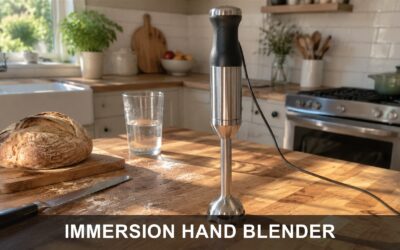
A personal blender isn’t the only way to mix eggs. A stick blender works well in a tall jar, and our best stick blender guide covers those. If you shop on a budget, the best cheap blender list is a good place to start, and the best Ninja blender page compares that brand’s lineup.
One note on terms. Searching “egg blender” can also bring up egg-shaped makeup sponges, which are sold under the name “beauty blender.” That’s a different product entirely and not a kitchen tool, so we left it out of this guide.
When to replace or upgrade
Replace a blender cup when it clouds, cracks, or holds odors even after a good wash. Dull or loose blades are another sign, and so is a gasket that no longer seals. If you outgrow a 12oz cup and keep making bigger batches, move up to a larger tumbler like the 26oz one above.
If you’re still working out what size suits your household, the best blender for guide walks through the common use cases.
FAQ
Can you put raw eggs in a blender?
Yes. Raw eggs blend easily and quickly. Just clean the cup, lid and blade thoroughly afterward, since raw egg can carry bacteria. Use pasteurized eggs if you’re adding them to an uncooked shake.
How long should you blend eggs?
Five to ten seconds is usually enough. Eggs are thin and break down fast. Longer blending adds extra foam and can overwork batters once flour is in the cup.
Is a blender better than a whisk for scrambled eggs?
It gives a more uniform, slightly fluffier mix, with no streaks of white. A whisk gives you more control and less to wash. For one or two eggs, most people stay with a fork or whisk.
What size blender do I need for eggs?
A personal cup of 12oz handles one to two eggs plus liquid. For batter or four or more eggs, a 20oz or larger tumbler gives you room for the foam.
How do I clean egg out of a blender cup?
Rinse with cold water right away, then wash with hot soapy water and a bottle brush. Cold water first keeps the egg from cooking onto the plastic, so it comes off easily.

Write Your Review
No reviews yet. Be the first to share your experience!