

A bean coffee maker is any brewer that turns whole coffee beans into a drink, and it comes in two forms: a bean-to-cup machine that grinds for you, or a simple brewer like a French press or cold brew pitcher that you feed with freshly ground beans. The first is automatic. The second is cheaper and gives you more control.
This guide explains how each type works, what to look for, and which simple brewers from our product database suit a bean-first routine. It doesn’t pretend the picks below are bean-to-cup machines, because they aren’t. They’re manual brewers built around ground beans.
What a bean coffee maker actually does
Whole beans stay fresher than pre-ground coffee because less surface is exposed to air. A bean coffee maker puts that advantage to work. In a bean-to-cup machine, a built-in grinder crushes the beans, the machine brews, and you get a cup with one press of a button. In a manual setup, you grind the beans yourself with a separate burr or blade grinder and then use a brewer.
If you want to read more about automatic machines, our guide to the best coffee grinding coffee maker covers the grinder-equipped options. For a general overview, see the best coffee maker roundup.
Cold brew from whole beans
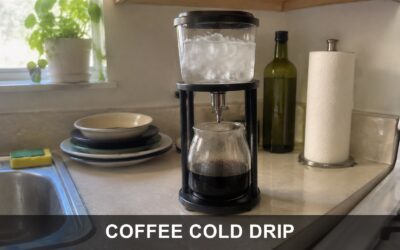
Cold brew is one of the easiest ways to use whole beans well. You grind coarse, steep in cold water for 12 to 24 hours, and strain. The result is smooth and low in acidity. A pitcher with a mesh filter does the whole job.
The Primula Pace Cold Brew Iced Coffee Maker is a 6 cup, 1.6 quart glass pitcher with an airtight lid. The brief calls it dishwasher safe, and it’s priced around $36.66 with a 4.7 rating in our database. The glass body doesn’t hold onto old flavors the way some plastics can. The downside is size: 1.6 quarts is plenty for one or two people, but a household that drinks a lot of iced coffee will empty it fast.

Primula
Overnight Fridge Cold Brew at Home: Primula Pace 1.6 Qt Borosilicate Glass Iced Coffee Maker with Airtight Lid, Dishwasher Safe
The Primula Pace steeps roughly six cups of low acid cold brew overnight in a 1.6 quart borosilicate glass pitcher, then stores and pours from that same vessel so grounds never need straining into a second container. It fits daily iced coffee drinkers who want a fridge door sized brewer with a reusable mesh filter instead of a pour through rig that burns through paper filters.
Pros and Cons
Pros
- Extra tough borosilicate glass stays clear over time and will not absorb coffee oils or odors the way plastic does.
- The fine mesh filter is reusable, so there are no paper filters to restock.
- The lid pours drip free with the filter still in place, so you can serve mid steep.
- The same filter handles loose leaf iced tea and infusions like mint, citrus zest, or cinnamon.
Cons
- A full glass pitcher is heavy and breakable, which takes care around a crowded fridge door or a tile floor.
- Cold brew needs an overnight steep at minimum, so it cannot produce coffee on demand.
Primula Overnight Fridge Cold Brew at Home: Primula Pace 1.6 Qt Borosilicate Glass Iced Coffee Maker with Airtight Lid, Dishwasher Safe
Primula
Overnight Fridge Cold Brew at Home: Primula Pace 1.6 Qt Borosilicate Glass Iced Coffee Maker with Airtight Lid, Dishwasher Safe
The Primula Pace steeps roughly six cups of low acid cold brew overnight in a 1.6 quart borosilicate glass pitcher, then stores and pours from that same vessel so grounds never need straining into a second container. It fits daily iced coffee drinkers who want a fridge door sized brewer with a reusable mesh filter instead of a pour through rig that burns through paper filters.
$36.66 at AmazonEditors' Favorite
Color: Black Size: 1.6 Qt Dimensions: 7.68 x 5.12 x 8.51 inches Weight: 1 pounds Product Group: Kitchen Binding: Kitchen
Shop NowSteps for brewing with a manual bean setup
The method matters more than the gear. A few habits make a big difference whichever brewer you pick.
Grind right before brewing
Grind just before you brew. Coarse for French press and cold brew, medium for drip. Fine grounds slip through a mesh filter and leave a muddy cup.
Match the ratio to the brew style
A common starting point for French press is about 1 part coffee to 15 parts water by weight. Cold brew is often made stronger, around 1 to 8, then diluted. Adjust to taste. Nothing is sacred here.
French press for hot coffee
A French press is the classic hot option for whole beans. Coarse grounds steep in hot water for about four minutes, then a plunger with a mesh screen pushes them down. You get a full-bodied cup because the oils stay in the drink instead of being caught by a paper filter.
The OVENTE French Press Coffee Maker holds 34 ounces and uses a 4-level filtration system, according to its title. At around $17.22 and a 4.7 rating, it’s the budget pick in this group. Because it’s glass and mesh, a tight pour matters. Pour slowly and the last bit of sediment stays behind. If you want a cup that’s clean and bright, a press isn’t the best choice, since there’s no paper filter. For more on this style, read our piece on the best coffee maker for black coffee.

OVENTE
34 oz French Press for Bold Coffee, Tea and Cold Brew, OVENTE FPT34B with 4-Level Stainless Steel Filtration and Borosilicate Glass
The OVENTE FPT34B brews 34 ounces of full-bodied immersion coffee in a heat-resistant borosilicate glass carafe, and its four-stage stainless steel plunger traps far more sediment than the single-mesh screens used on most presses. Buy it if you brew for two or more people daily and want the coffee oils and body that paper drip filters strip out.
Pros and Cons
Pros
- Four-level plunger filtration delivers a noticeably cleaner cup than standard single-mesh presses.
- Borosilicate glass and rust-resistant stainless steel hold up to daily contact with boiling water.
- Includes a 7-gram measuring spoon so you can dose consistently without pulling out a scale.
- Covered by a one-year OVENTE warranty with US-based customer service.
Cons
- The glass carafe has no insulating sleeve, so a full pot cools quickly and needs decanting if you drink slowly.
- Exposed glass chips and breaks more easily than stainless steel, which makes it a risky pick for camping despite the portable design.
OVENTE 34 oz French Press for Bold Coffee, Tea and Cold Brew, OVENTE FPT34B with 4-Level Stainless Steel Filtration and Borosilicate Glass
OVENTE
34 oz French Press for Bold Coffee, Tea and Cold Brew, OVENTE FPT34B with 4-Level Stainless Steel Filtration and Borosilicate Glass
The OVENTE FPT34B brews 34 ounces of full-bodied immersion coffee in a heat-resistant borosilicate glass carafe, and its four-stage stainless steel plunger traps far more sediment than the single-mesh screens used on most presses. Buy it if you brew for two or more people daily and want the coffee oils and body that paper drip filters strip out.
$17.22 at AmazonEditors' Favorite
Color: Black Size: 34 Ounce Dimensions: 7 x 4.2 x 9.8 Inches Weight: 1.2 pounds Product Group: Kitchen Binding: Kitchen
Shop NowCommon mistakes with bean coffee
Most bad cups come from a handful of errors, not bad beans.
Using the wrong grind size
Too fine over-extracts and tastes bitter. Too coarse under-extracts and tastes sour and thin. If your coffee tastes off, change the grind before you change anything else.
Storing beans badly
Keep beans in an airtight container away from heat and light. Don’t store them in the freezer door, where temperature swings cause condensation. Buy amounts you’ll finish in two to three weeks.
Skipping the clean-up
Old oils turn rancid and flavor the next batch. Rinse the pitcher or press after every use and wash with soap regularly. Dishwasher safe parts make that easier.
When a bigger pitcher makes sense
If you drink iced coffee daily or host guests, a larger batch size saves time. The Godinger Cold Brew Coffee Maker holds 64 ounces in an airtight glass mason jar pitcher with a leak-proof lid and handle. It has a wide mouth, which makes filling and cleaning easier. It’s listed around $24.95 with a 4.7 rating, and the title notes a blush color and vintage look. That’s a style choice, not a performance one. A full 64 ounces is heavy once it’s filled, so make sure you’ve got fridge space and a steady grip.
Similar picks are in our best iced coffee maker guide.

Godinger
Cold Brew Iced Coffee at Home: Godinger 64 oz Glass Mason Jar Cold Brew Coffee Maker with Airtight Leak-Proof Lid and Handle, Blush
This 64 oz lead-free glass mason jar pitcher steeps a half gallon of cold brew concentrate at once and seals airtight so the batch stays fresh in the fridge for days. Buy it if you drink iced coffee daily and want one wide-mouth jar that brews, stores, and pours without transferring to a second container.
Pros and Cons
Pros
- Airtight lid keeps brewed concentrate from picking up fridge odors or spilling when the jar shifts.
- Wide opening makes both loading grounds and cleaning noticeably easier than narrow-neck brewers.
- Thick lead-free glass holds up to repeated washing and stays clear rather than clouding or staining.
- The handle and pitcher shape let you serve directly from the brewing vessel.
Cons
- No filter basket or mesh insert is included, so you need a separate reusable filter bag or fine strainer to remove grounds.
- A full 64 oz glass jar is heavy and takes a wide footprint on a fridge shelf, and glass breaks if knocked off a counter.
Godinger Cold Brew Iced Coffee at Home: Godinger 64 oz Glass Mason Jar Cold Brew Coffee Maker with Airtight Leak-Proof Lid and Handle, Blush
Godinger
Cold Brew Iced Coffee at Home: Godinger 64 oz Glass Mason Jar Cold Brew Coffee Maker with Airtight Leak-Proof Lid and Handle, Blush
This 64 oz lead-free glass mason jar pitcher steeps a half gallon of cold brew concentrate at once and seals airtight so the batch stays fresh in the fridge for days. Buy it if you drink iced coffee daily and want one wide-mouth jar that brews, stores, and pours without transferring to a second container.
$24.95 at AmazonEditors' Favorite
Color: Blush Size: 64 Ounces Dimensions: 5 x 5 x 9.5 Inches Weight: 2.51106516418 Pounds Product Group: Kitchen Binding: Kitchen
Shop NowGrind size, water and timing in more detail
Three variables decide almost every cup: grind size, water temperature and contact time. Change one at a time so you can taste the effect. If you change all three at once, you won’t know what fixed it.
Water temperature
For hot brewing, water just off the boil, roughly 195 to 205 degrees Fahrenheit, works well for most roasts. Darker roasts can taste harsh at the top of that range, so let the kettle sit for 30 seconds first. Cold brew skips heat entirely and relies on time instead.
Contact time
French press needs about four minutes. Cold brew needs half a day or more. If a cup tastes bitter, shorten the time or coarsen the grind. If it tastes flat or sour, lengthen the time or grind a little finer.
Water quality
Coffee is more than 98 percent water, so water matters. If your tap water tastes strongly of chlorine, filtered water will give a cleaner cup. Skip distilled water, since a little mineral content helps extraction.
Cleaning and care for glass brewers
Glass pitchers and presses are easy to keep clean, but only if you do it consistently. Rinse right after use, before grounds dry on the surface. Take the mesh filter apart when the design allows it, because trapped grounds go stale and leave a sour smell. A bottle brush reaches the bottom of a tall pitcher. Handle glass gently with hot water too; a sudden jump from cold to boiling can crack it.
Check the gasket or lid seal now and then. A worn seal on an airtight lid can let in air and shorten how long your cold brew keeps. Most cold brew is best finished within about a week in the fridge.
Choosing between a bean-to-cup machine and a manual brewer
Pick a bean-to-cup machine if you want speed and one-touch convenience, and you’re fine with a higher price and more cleaning of internal parts. Pick a manual brewer if you want better control over flavor, a lower cost, and fewer parts to break. Many people end up with both: a machine for weekday mornings and a press or pitcher for weekends.
If you already own a drip brewer, you can still use whole beans by grinding them first. Our guides to the best coffee beans for drip coffee maker and the best coffee for a drip coffee maker can help you choose beans.
FAQ
What is a bean coffee maker?
It’s a coffee maker that works with whole beans. Some models grind the beans internally and brew automatically. Others are manual brewers, like a French press or cold brew pitcher, that you load with freshly ground beans.
Do I need a grinder to use a bean coffee maker?
Only if the machine doesn’t have one built in. The brewers on this page don’t grind, so you’d need a separate grinder or pre-ground coffee set to the right coarseness.
Is cold brew better with whole beans?
Freshly ground whole beans usually give a cleaner, more aromatic cold brew than stale pre-ground coffee. Use a coarse grind and steep for 12 to 24 hours in the fridge.
How coarse should I grind for a French press?
Think coarse sea salt. That size keeps most grounds above the mesh screen and gives a rounder cup with less sediment.
How long do whole beans stay fresh?
Whole beans taste best within a few weeks of roasting once opened. Store them airtight in a cool, dark spot and grind only what you need for each brew.

Write Your Review
No reviews yet. Be the first to share your experience!