

HomeWhisk earns commission from qualifying purchases made through links on this page. We research picks from specifications and owner reviews; we do not test products ourselves.
TL;DR — Air fryer vs hand mixer is less about a universal winner than about which option fits the way you cook. Use this as the practical background, then check best air fryer, best hand mixer, and best deep fryer for specific product options.
We treated this as an editor’s note for home cooks: what matters, what is optional, and which related product guides are worth checking before you buy. For appliance topics, we pay close attention to capacity, controls, cleanup, storage, reliability complaints, and whether the machine saves enough effort to justify the space.


Save $9.75
Pros & Cons
Pros
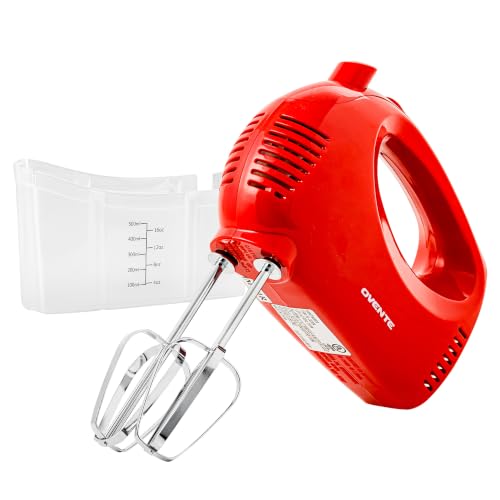
- Storage case actually works and snaps securely onto the mixer body, solving the common problem of misplaced beaters.
- Bowl Rest feature stops the mixer from tipping into the bowl or dripping onto counters when you pause.
- Six speed settings cover the full range from folding ingredients to whipping stiff peaks without splatter.
Cons
- The 250-watt motor struggles with very thick dough like bagels or dense bread, requiring a more powerful model for heavy mixing.
- The cord is not retractable, so you need to wrap it manually before snapping on the storage case.
Details
This is a corded electric hand mixer designed to replace whisking and stirring by hand for everyday baking and dessert prep.
The 250-watt motor delivers enough torque for standard recipes like brownies, cupcakes, mashed potatoes, and whipped cream. The QuickBurst button adds an instant power surge at any of the six speeds when you hit thick spots in batter or need faster whipping.
The mixer weighs just over two pounds with a molded plastic body in white. The snap-on storage case is hard plastic that clicks onto the mixer handle and holds two chrome-plated beaters, one whisk, and the wrapped power cord.
The motor will slow down or stall in very dense dough like pizza crust or homemade pasta, which require a stand mixer or higher-wattage hand model.
Best for home bakers who make cakes, cookies, and frostings regularly and need organized storage that fits in a cabinet or drawer.
How to Use
Attach the beaters or whisk by pushing them into the slots on the mixer bottom until they click. Start on speed 1 with beaters submerged in your ingredients to prevent splatter, then increase speed as the mixture thickens.
Use the Bowl Rest by hooking the mixer head over the bowl edge when you need to add flour, eggs, or other ingredients. The rubber foot stabilizes the mixer and points beaters down into the bowl so drips stay contained.
Press the speed dial inward after mixing to eject the attachments without touching them. Rinse beaters and whisk immediately or place them in the dishwasher, then snap the storage case onto the mixer body once everything is dry.

Pros & Cons
Pros
- Seven speeds provide more control for delicate ingredients and thicker mixtures.
- Five included stainless steel attachments cover whipping, beating, and dough mixing.
- Dishwasher-safe attachments make post-baking cleanup easier.
- The two-year warranty, three-month money-back guarantee, and lifetime customer service add purchase support.
Cons
- The mixer is corded, so using it requires access to a nearby outlet.
- The product data does not provide size or weight specifications for buyers comparing storage and handling needs.
Details
The LILPARTNER electric hand mixer combines whisking, beating, and dough mixing in one tool for home baking tasks that would otherwise require separate utensils.
Seven speeds support gradual mixing, while the slow-start approach helps limit ingredient splashing. The included whisk, beaters, and dough hooks cover cream, cakes, cookies, biscuits, and pizza dough.
The attachments use 304 stainless steel and are dishwasher safe. A round handle supports handling, while the upright design keeps the mixer standing between tasks.
This is a corded mixer, and the available product data does not specify its size or weight.
Best for home bakers who want versatile mixing attachments and simpler cleanup at an accessible price point.
How to Use
Insert the whisk, beaters, or dough hooks, then begin at a low speed to reduce splashing. Increase the setting gradually as the ingredients combine.
Use the whisk for cream, the beaters for cake mixtures, and the dough hooks for cookie, biscuit, or pizza dough.
Set the speed to 0 before pressing the release button. Remove the attachments and place them in the dishwasher after use.

Pros & Cons
Pros
- Five selectable speeds cover tasks from mixing chocolate chips to whipping meringues.
- The lockable swivel cord helps keep the workspace less cluttered.
- The single-handed button makes accessory removal straightforward.
- Stainless steel Turbo Beater accessories are dishwasher-safe for easier cleanup.
Cons
- The included equipment is limited to the hand mixer and two stainless steel Turbo Beater accessories.
- The listing does not provide size or weight specifications, so storage and handling cannot be judged from the available data.
Details
The KitchenAid KHM512 is a five-speed hand mixer for everyday baking and mixing. It solves the need for controlled handheld mixing without requiring a countertop mixer.
Speed one handles nuts and chocolate chips, while speed five whips meringues. This range helps match mixing power to the ingredient and recipe.
Its stainless steel Turbo Beater accessories are dishwasher-safe, making cleanup easier after mixing batters, dough ingredients, or whipped mixtures.
The listing does not provide the mixer’s size or weight, and it lists only two included beaters.
Best for home cooks who want five-speed control and simpler beater cleanup.
How to Use
Start at speed one when mixing nuts, chocolate chips, or other additions to reduce splashing and keep ingredients controlled.
Increase the speed as the mixture requires more power, using speed five when whipping meringues.
After mixing, press the single-handed release button to remove the beaters, then place the stainless steel accessories in the dishwasher.

Air fryer vs Hand mixer: The Core Difference
There is no automatic winner between air fryer and hand mixer. The better pick is the one that solves the job you actually repeat, without adding care you will avoid. For product picks, compare best air fryer, best hand mixer, and best deep fryer.
Head To Head
Best fit: Air fryer makes sense when its specific strengths match the work you do most; hand mixer is better when you want broader everyday use.
Daily effort: compare cleaning, storage, and maintenance before you compare minor feature differences.
Value: paying more only helps if the difference shows up in your normal routine.
Risk: the wrong pick usually becomes annoying later — harder cleanup, awkward handling, or a tool that sits unused.
When Air fryer Wins
Choose air fryer when its main job lines up with your normal prep. Used for the right work, it feels more purposeful than the more general option. If you are shopping, our best air fryer and best hand mixer guides are the fastest way in.
When Hand mixer Wins
Go with hand mixer if you want the easier everyday choice. It may not feel as specialized, but it is often the one that gets used more.
The Core Difference
Air fryer vs hand mixer is less about one option being universally better and more about fit. The split usually comes down to capacity and footprint, and storage bulk versus convenience and cost. For product picks, compare best air fryer, best hand mixer, and best deep fryer.
What Most People Miss
The overlooked factor is wiping the interior after use. Two appliances can compare evenly on paper, then diverge sharply once daily upkeep enters the picture. Weight it accordingly.
Related Product Guides
If this topic is part of a buying decision, these are the HomeWhisk guides most closely tied to it:
- best air fryer
- best hand mixer
- best deep fryer
- best stand mixer
- best blender
- best instant pot
- best toaster oven
Frequently Asked Questions
Should I choose air fryer or hand mixer?
Neither wins outright — pick air fryer for a more focused job, hand mixer for easier everyday versatility. Compare best air fryer and best hand mixer for real models.
What is the main difference between air fryer and hand mixer?
It comes down to motor or heating-element power versus convenience and cost. Match the winner to how often you cook and the uneven cooking or heating you most want to avoid.
How do I keep it in good shape?
Build cleaning removable parts by hand, and wiping the interior after use into normal cleanup. Light, consistent care prevents uneven cooking or heating far better than occasional deep effort.
What gear pairs well with it?
Start with a reliable core piece, then add as needs appear. Compare best air fryer, best hand mixer, and best deep fryer for related choices.
What should I avoid?
Avoid buying by brand alone, ignoring descaling water-based units, and oversizing for your space. Each invites unresponsive controls down the line.
The Bottom Line
A good air fryer decision should feel obvious after you line up size, material, cleaning, and durability. If it is still a purchase question, the next step is best air fryer, best hand mixer, and best deep fryer.




Write Your Review
No reviews yet. Be the first to share your experience!