

TL;DR — How long do bread maker last is one of those kitchen questions where the useful answer is usually more practical than complicated. The right move depends on how you cook, what you already own, and how much maintenance you are willing to do. If you are comparing products, start with best bread knife, best waffle maker, and best iced coffee maker; those guides give the model-level context behind this advice.
We looked at manufacturer details, material behavior, recurring owner-review patterns, and where this topic overlaps with related buying guides. For appliance topics, we pay close attention to capacity, controls, cleanup, storage, reliability complaints, and whether the machine saves enough effort to justify the space.
Pros & Cons
Pros
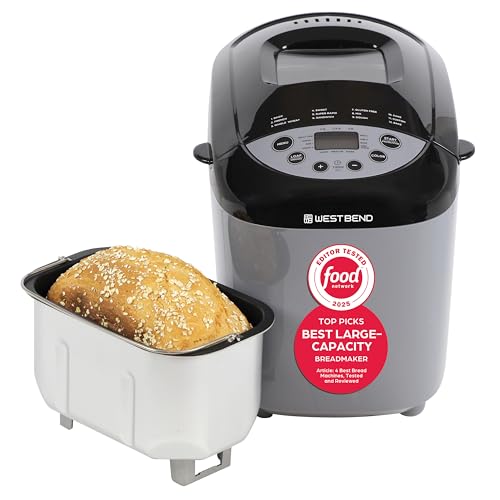
- The rectangular loaf pan produces evenly shaped slices that fit standard bread bags and toasters better than traditional breadmaker loaves.
- Multiple settings covering bread, cake, meatloaf, jam, and sourdough starter make this a genuinely multi-function kitchen appliance.
- Adjustable crust control gives bakers direct influence over the final texture, a feature absent on many competing machines.
- Non-stick interior simplifies cleanup and prevents the frustration of loaves tearing apart during removal.
Cons
- At this price point, buyers who only bake basic white or wheat bread may find the range of specialty settings unnecessary for their routine.
- The machine's footprint is larger than single-pound breadmakers, so counter space and storage clearance should be confirmed before purchase.
Details
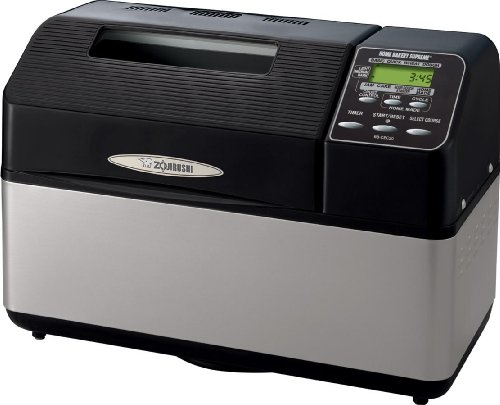
The Zojirushi Home Bakery Supreme is a countertop breadmaker that produces rectangular 2-pound loaves and eliminates the oddly shaped rounds most machines output.
Its adjustable crust shading and sourdough starter setting address the two most common complaints about entry-level breadmakers: no crust control and no fermentation support.
The non-stick pan and LCD panel are designed for daily use, with straightforward cleanup and readable program selection without consulting the manual each time.
The machine is larger than compact breadmakers, so buyers with limited counter space should measure before committing.
Best for home bakers who want one machine to handle everyday sandwich loaves, enriched doughs, and occasional jam or cake bakes.
How to Use
Add ingredients in the order listed in the recipe — typically liquids first, then dry ingredients, with yeast added last to a dry well in the center to prevent premature activation.
Select your program using the LCD panel: choose from basic bread, dough-only, sourdough starter, jam, cake, or meatloaf, then set your preferred crust shade before starting the cycle.
When the bake cycle completes, use oven mitts to remove the pan, let the loaf cool on a rack for at least 15 minutes before slicing to set the crumb structure.

What To Look For
The keeper is the one you reach for without thinking; the drawer occupant is the one that asks too much for too little payoff. Those are the variables that decide whether it earns a spot in your kitchen or ends up unused. Ignore cosmetic upgrades until the fundamentals check out.
Common Misconceptions
The biggest myth is that the most expensive appliance is automatically the best for you. In reality, the right choice depends on noise level, and build quality of seals — plus your own habits. Another trap is buying by brand alone — the same maker sells both excellent and forgettable lines.
When It Is Worth Paying More
Spending up pays off when you use the appliance often enough to notice better easier cleanup every week. If it only comes out occasionally, a mid-range pick is the smarter call. Match the money to frequency of use, not marketing.
Who Benefits Most
This matters most for meal-preppers batching food, and families cooking in volume. If that is you, treat noise level, and digital versus dial controls as non-negotiable. Casual users can relax the requirements and prioritize price and storage instead.
Why It Matters
The variables that decide the outcome — motor or heating-element power, cleaning access, and preset controls — are the ones buyers most often overlook. That is why two appliances that look alike can feel completely different in use — one saves time, the other quietly adds friction to every task. If you are shopping, our best bread knife and best waffle maker guides are the fastest way in.
Related Product Guides
If this topic is part of a buying decision, these are the HomeWhisk guides most closely tied to it:
- best bread knife
- best waffle maker
- best iced coffee maker
- best ninja coffee maker
- best budget coffee maker
- best cold brew coffee maker
- best air fryer
Frequently Asked Questions
What gear pairs well with it?
Start with a reliable core piece, then add as needs appear. Compare best bread knife, best waffle maker, and best iced coffee maker for related choices.
Who is this most useful for?
Mainly meal-preppers batching food, and small-kitchen owners. If that is you, treat storage bulk as a requirement rather than a nice-to-have.
What should I avoid?
Avoid buying by brand alone, ignoring letting the motor rest between heavy loads, and oversizing for your space. Each invites gaskets that stop sealing down the line.
How do I keep it in good shape?
Build cleaning removable parts by hand, and checking the seals and gaskets into normal cleanup. Light, consistent care prevents gaskets that stop sealing far better than occasional deep effort.
What is the bottom line?
Match the appliance to your real habits: buy for durability if it is daily, for value and storage if it is occasional.
The Bottom Line
How long do bread maker last comes down to fit: how often you use the tool, how much care it needs, and whether it solves a real kitchen problem. If you are buying, compare best bread knife, best waffle maker, and best iced coffee maker before you spend.
Write Your Review
No reviews yet. Be the first to share your experience!