

HomeWhisk earns commission from qualifying purchases made through links on this page. We research picks from specifications and owner reviews; we do not test products ourselves.
TL;DR — How to store a vacuum sealer is not complicated, but it does reward a little patience and the right sequence. For product picks, the closest next steps are best vacuum sealer, best air fryer, and best blender.
Our view is based on product specs, material trade-offs, and repeated owner feedback — not one-off kitchen anecdotes or brand claims. For appliance topics, we pay close attention to capacity, controls, cleanup, storage, reliability complaints, and whether the machine saves enough effort to justify the space.
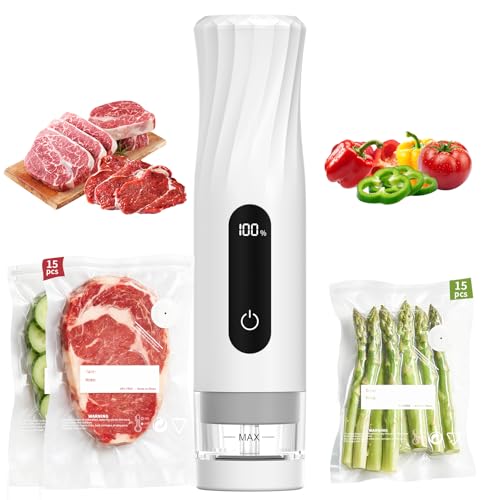
Pros
- Cordless operation with a built-in rechargeable battery makes it usable well away from a power outlet.
- One-touch sealing with automatic shutoff removes the guesswork from getting a tight seal.
- Bundled small and medium reusable bags mean no extra purchase before your first batch.
- Handheld size stores in a drawer rather than living permanently on the counter.
Cons
- The included bags are small and medium only, so whole roasts, large fish fillets or bulk cuts will need bags bought separately.
- A handheld battery unit is slower and less powerful than a countertop sealer, which matters if you process large batches in one session.
A cordless handheld vacuum sealer for people who waste food to freezer burn and fridge spoilage but have no room for a bulky countertop machine.
One-touch sealing with automatic shutoff handles everyday portioning, and the 1800mAh battery keeps it working during camping trips, RV cooking and grocery-day prep away from an outlet.
The mini handheld build is light enough to hold over a bag one-handed and small enough to keep in a utility drawer instead of on the counter.
The visible water box has a fill limit that halts vacuuming, so soups and heavy marinades need draining or freezing first.
Best for small-kitchen cooks, travelers and sous vide beginners sealing modest portions rather than bulk butchering.
Charge the battery fully before first use. Fill a bag no more than two thirds, leaving clear space at the opening so the seal strip stays dry and clean.
Place the nozzle over the bag valve or opening, press once, and let the automatic shutoff end the cycle. Pinch the bag flat first for a tighter pull on soft foods.
Chill or partly freeze wet foods before sealing, and empty the water collection box after moist jobs so the sensor keeps reading accurately.

Pros
- The 7 ounce cordless pump runs on its own battery, so bags can be sealed anywhere in the house or on the road.
- Bags are reusable with a dual-zipper closure built for repeated opening and resealing.
- The mixed size pack handles small and oversized loads without buying separate sets.
- Tear-resistant PA and PE construction stands up to under-bed and suitcase handling better than thin single-layer bags.
Cons
- These are textile bags and are not food safe, so they cannot be used for pantry goods or leftovers.
- The pump is a powered part that needs charging and can eventually fail, unlike valve-only bags that work with any household vacuum hose.
Vacbird pairs twelve reusable compression bags with a cordless pump that pulls air out of stored textiles, freeing shelf space taken up by tablecloths, linens, aprons, throws and seasonal bedding.
The pump delivers 4000Pa at 140L/min, flattening a full large bag in 10 to 20 seconds, and its 1500mAh battery handles about 80 bags per charge.
Bags use layered PA and PE film with a dual zipper and valve. The pump weighs 7 ounces, so it stores in a drawer beside the bags.
These are textile bags, not food storage. Do not seal groceries in them, and expect creasing in anything you compress for long periods.
Best for anyone rotating seasonal linens through tight cabinet, closet or under-bed space and repacking them for travel.
Large bags take a queen comforter, a stack of bath towels or several folded tablecloths. Medium bags suit throws, table linens, runners and sweaters.
Small bags handle dish towels, napkins, aprons and cloth placemats, which keeps a linen drawer sorted by category instead of piled.
Skip anything rigid, sharp or wet. Utensils, framed items and pointed objects puncture the film and break the seal, and trapped moisture will not dry inside a sealed bag.


Pros
- Embossed channels are designed to increase suction power by 50%.
- The bags work with all heat-seal vacuum sealing systems.
- Double-sided texture supports effective air removal during sealing.
- The material is BPA-free and food-grade for kitchen use.
Cons
- The bags are not microwave-safe, so food must be transferred before microwave heating.
- The fixed 8 x 12 inch size may not suit unusually large or small portions.
These pre-cut vacuum sealer bags remove air from stored food to help preserve freshness, flavor, and nutrients while reducing freezer burn and dehydration.
Embossed channels are designed to boost suction by 50%, while the double seal helps contain liquids during storage.
Each bag measures 8 x 12 inches and uses BPA-free, food-grade material. The listing does not specify weight, but the 110-count pack supports frequent kitchen use.
The bags are safe for freezing and boiling but cannot be used in a microwave.
Best for home cooks using heat-seal vacuum systems for portioned food storage or sous vide cooking.
The 8 x 12 inch size suits individual portions, prepared meals, smaller cuts of meat, vegetables, and freeze-dried food.
Use the double seal when packaging liquids such as broth, juice, or cream soup, and leave enough room for sealing.
For microwave reheating, remove the food from the bag first because these bags are not microwave-safe.
Storing a Vacuum Sealer: The Essentials
How you store a vacuum sealer decides how long it lasts as much as how you use it. Good storage keeps edges and surfaces protected, prevents moisture damage, and keeps the tool easy to grab without hunting.
Step By Step
1. Make sure the vacuum sealer is fully clean and bone-dry before it goes away. 2. Protect the working surface — a guard, sleeve, or dedicated slot beats loose in a drawer. 3. Keep it somewhere dry and ventilated to avoid uneven cooking or heating. 4. Store it where it is easy to reach, so care stays a habit.
Common Mistakes To Avoid
The usual failure is treating a durable appliance as indestructible. Harsh shortcuts lead to trapped residue in seams, and lingering odors. Do not assume pricier gear removes the need for care, either — technique matters more than the badge. Start your shortlist with best vacuum sealer, best air fryer, and best blender before narrowing by budget.
How To Know You Did It Right
The result should be practical and repeatable: the appliance should work cleanly, feel controlled, and show no signs of lingering odors. If the same issue returns quickly, the cause is usually a missed care step — not the tool itself.
What You Will Need
Keep it simple: the appliance itself, a clean workspace, and any basic supplies the material calls for. Set up before you start so you are not improvising mid-task.
Before You Start
Match the method to the appliance in front of you. Store a vacuum sealer is not hard, but the details matter — the wrong approach to descaling water-based units can shorten the life of otherwise good small kitchen appliances. For product picks, compare best vacuum sealer, best air fryer, and best blender.
Related Product Guides
If this topic is part of a buying decision, these are the HomeWhisk guides most closely tied to it:
Frequently Asked Questions
What is the right way to store a vacuum sealer?
How you store a vacuum sealer decides how long it lasts as much as how you use it. Do it consistently and you avoid uneven cooking or heating.
Is a premium appliance worth it?
Only if you use it enough to notice better control, durability, or cleanup regularly. Occasional users are well served by a mid-range pick like those in best blender.
What gear pairs well with it?
Start with a reliable core piece, then add as needs appear. Compare best vacuum sealer, best air fryer, and best blender for related choices.
What matters most for vacuum sealer?
Focus on noise level, cleaning access, and digital versus dial controls first. Those decide real performance; the rest is secondary. Compare best vacuum sealer and best air fryer for options that get the basics right.
Who is this most useful for?
Mainly meal-preppers batching food, and small-kitchen owners. If that is you, treat digital versus dial controls as a requirement rather than a nice-to-have.
The Bottom Line
The simplest takeaway: buy for your real routine, not the most impressive feature list. Match the vacuum sealer to your cooking frequency, cleanup habits, and storage, then use best vacuum sealer, best air fryer, and best blender to compare actual products.
{“@context”:”https://schema.org”,”@type”:”FAQPage”,”mainEntity”:[{“@type”:”Question”,”name”:”What is the right way to store a vacuum sealer?”,”acceptedAnswer”:{“@type”:”Answer”,”text”:”How you store a vacuum sealer decides how long it lasts as much as how you use it. Do it consistently and you avoid uneven cooking or heating.”}},{“@type”:”Question”,”name”:”Is a premium appliance worth it?”,”acceptedAnswer”:{“@type”:”Answer”,”text”:”Only if you use it enough to notice better control, durability, or cleanup regularly. Occasional users are well served by a mid-range pick like those in best blender.”}},{“@type”:”Question”,”name”:”What gear pairs well with it?”,”acceptedAnswer”:{“@type”:”Answer”,”text”:”Start with a reliable core piece, then add as needs appear. Compare best vacuum sealer, best air fryer, and best blender for related choices.”}},{“@type”:”Question”,”name”:”What matters most for vacuum sealer?”,”acceptedAnswer”:{“@type”:”Answer”,”text”:”Focus on noise level, cleaning access, and digital versus dial controls first. Those decide real performance; the rest is secondary. Compare best vacuum sealer and best air fryer for options that get the basics right.”}},{“@type”:”Question”,”name”:”Who is this most useful for?”,”acceptedAnswer”:{“@type”:”Answer”,”text”:”Mainly meal-preppers batching food, and small-kitchen owners. If that is you, treat digital versus dial controls as a requirement rather than a nice-to-have.”}}]} {“@context”:”https://schema.org”,”@type”:”ItemList”,”numberOfItems”:5,”itemListElement”:[{“@type”:”ListItem”,”position”:1,”url”:”https://www.amazon.com/dp/B0GJCSQHBC?tag=homewhisk06-20″},{“@type”:”ListItem”,”position”:2,”url”:”https://www.amazon.com/dp/B0DZNK8WR9?tag=homewhisk06-20″},{“@type”:”ListItem”,”position”:3,”url”:”https://www.amazon.com/dp/B0F6N7YXF1?tag=homewhisk06-20″},{“@type”:”ListItem”,”position”:4,”url”:”https://www.amazon.com/dp/B0BCJ4MW5N?tag=homewhisk06-20″},{“@type”:”ListItem”,”position”:5,”url”:”https://www.amazon.com/dp/B0BFH9Y4ZR?tag=homewhisk06-20″}]}



Write Your Review
No reviews yet. Be the first to share your experience!