

TL;DR — A good answer to airtight meal prep containers starts with real kitchen habits, not a perfect spec sheet. Most readers need a clear way to avoid the wrong tool, not another list of features. Use this as the practical background, then check best air fryer, best blender, and best instant pot for specific product options.
We treated this as an editor’s note for home cooks: what matters, what is optional, and which related product guides are worth checking before you buy. For appliance topics, we pay close attention to capacity, controls, cleanup, storage, reliability complaints, and whether the machine saves enough effort to justify the space.
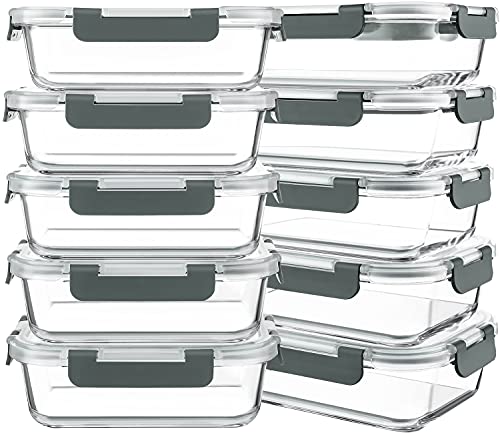
Pros & Cons
Pros
- Borosilicate glass supports refrigerator-to-oven, microwave, and table use.
- Ten containers and ten lids provide substantial capacity for batch meal preparation.
- Snap-lock lids with silicone seals help prevent leaks and spills.
- Glass does not absorb food stains or smells and can be cleaned in the dishwasher.
Cons
- The plastic lids should be removed before using the containers in the oven, microwave, or dishwasher.
- Every container is 30 oz, so the set does not offer multiple sizes for different portions.
Details
This 10-pack stores meal-prepped portions, leftovers, snacks, and lunches while reducing the need for disposable food containers.
Borosilicate glass moves from refrigerator to microwave or oven to table, so reheating does not require a separate dish.
Each container holds 30 oz and includes a snap-lock plastic lid with a silicone seal. The glass resists stains and smells.
Remove lids before oven, microwave, or dishwasher use; lids belong on the top rack or should be hand washed.
Best for meal preppers and lunch packers who want reusable, portion-friendly glass storage.
What Fits
The 30 oz size suits individual prepared meals, leftovers, snacks, and office lunches.
Use the ten matching containers for batch cooking or portion control throughout the week.
For heating, remove the plastic lid first, then use the glass container in the microwave or oven.

Pros & Cons
Pros
- Five matching 3.2-cup containers provide a consistent system for lunches, meal prep, and leftovers.
- Tritan construction resists stains and odors while remaining lightweight and sturdy.
- Secure latches and leak-proof seals help contain sauces and other spill-prone foods.
- Built-in microwave vents add convenience when reheating food.
Cons
- The set includes only one 3.2-cup size, limiting options for very large or small portions.
- The product data provides no detailed user review feedback to confirm long-term seal performance.
Details
These five 3.2-cup containers solve the daily problem of storing, carrying, reheating, and cleaning up meals and leftovers with one coordinated set.
Leak-proof seals and secure latches help prevent spills, while built-in vents let you microwave food without removing the lid.
Clear Tritan is stain- and odor-resistant, and the lightweight, sturdy design suits regular refrigerator, freezer, lunch, and pantry use.
Every container has the same 3.2-cup capacity, so the set may not fit unusually large meals or small ingredients.
Best for meal-prep users and households wanting uniform, stackable everyday storage.
What Fits
Each 3.2-cup container suits individual meal portions, prepared lunches, cooked grains, vegetables, pasta, and standard leftover servings.
Use the stackable shape to group containers in the refrigerator or pantry, especially when consistent portion sizes make organizing easier.
For bulky family leftovers or very small ingredients, the single included capacity may require a different container size.

Pros & Cons
Pros
- Four-way compatibility across oven, microwave, freezer, and dishwasher cuts down on the variety of storageware you need.
- The flip-open hinged lid design is faster to seal than four-corner snap lids when packing meals in a hurry.
- 22oz size hits the sweet spot for a single adult lunch portion of protein, grain, and vegetables.
- Borosilicate construction handles thermal shock better than standard soda-lime glass during freezer-to-oven transitions.
Cons
- Lids are plastic rather than glass, so the gasket and hinges will wear faster than the glass base over years of use.
- Lids must be removed before oven or microwave use, which adds a step compared to fully oven-safe lid systems.
Details
A 5-piece borosilicate glass container set built for weekly meal prep, leftover storage, and packed office lunches.
Hinged snap lids with removable silicone seals deliver leakproof transport for soups, chili, and saucy stir-fries without bag spills.
Each 22oz container handles -4ºF to 752ºF, stacks flat in the fridge, and goes through the dishwasher with the gasket removed for full cleaning.
The plastic lids are not oven or microwave safe and must be removed before heating, so plan for a separate cover or none at all.
Best for solo meal preppers and office workers who want one matching set for fridge, freezer, oven, and lunch bag.
What Fits
Each 22oz container holds a standard adult lunch: about 4oz protein, half a cup of grain, and a cup of roasted vegetables with room for sauce.
Capacity also covers a generous bowl of soup, chili, or overnight oats, two cups of berries, or a chopped salad with dressing in a side cup.
The rectangular footprint stacks two-high on a typical fridge shelf and fits side-by-side in most lunch totes and backpack cooler sleeves.

Pros & Cons
Pros
- Ten matching trays plus ten custom-fit lids cover a full week of single-entree meals for one or two people.
- Built-in measurement embossing inside the tray supports calorie tracking and portion-controlled eating plans.
- Trays handle freezer storage, microwave reheating, and dishwasher cleaning, covering the full meal-prep cycle.
- Mint colorway and clear lids make stacked containers easy to identify at a glance in a packed fridge.
Cons
- Lids must be hand-washed for best results, which adds a step compared with fully dishwasher-safe sets.
- Single-compartment design means sauces and sides mix together unless you add separate small containers.
Details
Bentgo Prep is a 20-piece reusable container set built for weekly meal prep, replacing disposable takeout boxes with durable trays.
Each tray holds 4 cups with embossed measurement lines inside, making portioned lunches and dinners quick to scoop and pack.
Trays are PFAS- and BPA-free, lightweight, and stack cleanly with clear lids that show contents without opening every box.
Lids are top-shelf dishwasher safe in theory but hand-washing is recommended to preserve the seal over time.
Best for batch cookers, gym-goers, and office workers packing one main dish per container across the work week.
What Fits
Each 4-cup tray comfortably holds a full single-serve entree such as chicken and rice, pasta with vegetables, or a grain bowl with protein and greens.
The 8.7 by 6.1 inch footprint fits standard lunch bags and stacks two-deep on most fridge shelves, so ten trays line up across a typical week of prep.
For mixed meals, pair the trays with small sauce cups to keep dressings separate, since the single compartment does not divide wet and dry foods.
The Short Answer
Cut through it and airtight meal prep containers is a fit question — the appliance has to match how you cook. The practical takeaway is that storage bulk matters more day to day than headline features. For product picks, compare best air fryer, best blender, and best instant pot.
Who Benefits Most
This matters most for meal-preppers batching food, and gadget-minimalists who want one do-it-all unit. If that is you, treat capacity and footprint, and cleaning access as non-negotiable. Casual users can relax the requirements and prioritize price and storage instead.
Why It Matters
You feel cleaning access, preset controls, and capacity and footprint in the results far more than the price tag suggests. That is why two appliances that look alike can feel completely different in use — one saves time, the other quietly adds friction to every task. If you are shopping, our best air fryer and best blender guides are the fastest way in.
Common Misconceptions
The biggest myth is that the most expensive appliance is automatically the best for you. In reality, the right choice depends on preset controls, and speed under load — plus your own habits. Another trap is buying by brand alone — the same maker sells both excellent and forgettable lines.
What To Look For
Judge a appliance by how it feels in normal use, how easy it is to clean, and whether it solves the job you bought it for. Those are the variables that decide whether it earns a spot in your kitchen or ends up unused. Ignore cosmetic upgrades until the fundamentals check out.
How To Get It Right
Think through the whole workflow: letting the motor rest between heavy loads, wiping the interior after use, and descaling water-based units. A appliance that fits your routine and cleanup habits beats a technically superior one you fight with. We cover specific models in best air fryer, best blender, and best instant pot.
Related Product Guides
If this topic is part of a buying decision, these are the HomeWhisk guides most closely tied to it:
Frequently Asked Questions
How do I keep it in good shape?
Build cleaning removable parts by hand, and descaling water-based units into normal cleanup. Light, consistent care prevents motors that bog down under load far better than occasional deep effort.
What gear pairs well with it?
Start with a reliable core piece, then add as needs appear. Compare best air fryer, best blender, and best instant pot for related choices.
What is the bottom line?
Match the appliance to your real habits: buy for durability if it is daily, for value and storage if it is occasional.
Is a premium appliance worth it?
Only if you use it enough to notice better control, durability, or cleanup regularly. Occasional users are well served by a mid-range pick like those in best instant pot.
Who is this most useful for?
Mainly small-kitchen owners, and gadget-minimalists who want one do-it-all unit. If that is you, treat storage bulk as a requirement rather than a nice-to-have.
The Bottom Line
A good airtight meal prep containers decision should feel obvious after you line up size, material, cleaning, and durability. If it is still a purchase question, the next step is best air fryer, best blender, and best instant pot.






Write Your Review
No reviews yet. Be the first to share your experience!