

TL;DR — Espresso machines fall into four types based on how much of the shot they automate: manual (lever) machines where you control pressure by hand, semi-automatic machines that pump water but leave grinding, dosing, and timing to you, automatic machines that stop the shot for you, and super-automatic (fully automatic) machines that grind, tamp, brew, and often froth at the touch of a button. Each type trades control for convenience. Whichever you pick, a quality burr grinder matters more than the machine itself — see our best coffee grinder guide.
The HomeWhisk editorial team researches kitchen equipment by analyzing manufacturer specifications, brewing mechanisms, and aggregated user reviews from major retailers and coffee communities like Reddit r/espresso. This guide explains the real differences between espresso machine types so you can match one to your skill level, budget, and how involved you want to be.
Espresso is defined by pressure: about 9 bars of hot water (near 200°F) forced through a compacted puck of finely ground coffee in roughly 25-30 seconds, producing a concentrated shot topped with crema. Every type of machine achieves this; what separates them is how many of the variables you control versus the machine. That single spectrum, from full manual control to full automation, is the key to understanding the whole category.
The Espresso Basics Every Type Shares
Before the types, the shared fundamentals. All espresso machines need three things: consistent pressure around 9 bars, water at brewing temperature (195-205°F), and a correctly ground, dosed, and tamped puck. The heating system varies by tier: cheaper machines use a thermoblock (heats water on demand, fast but less temperature-stable), mid-range machines use a single boiler, and higher-end machines use a heat exchanger or dual boiler so you can brew and steam milk simultaneously.
No matter the type, the grind is the hidden variable. Espresso needs a very fine, uniform grind, and a stepless or fine-stepped burr grinder is what lets you dial it in. Pre-ground coffee almost never works for espresso. This is why experienced brewers say the grinder is the most important purchase, sometimes more than the machine, and it is where our best coffee grinder guide focuses.
Type 1: Manual (Lever) Espresso Machines
Manual machines put you fully in charge of pressure. You pull a physical lever (spring-piston or direct-lever) that pushes water through the puck. There is no pump; your arm and the spring provide the 9 bars.
- How it works: you heat the water, load and tamp the portafilter, then pull the lever, feeling the resistance and controlling the flow profile in real time.
- Strengths: total control, the ability to “pressure profile” a shot, near-silent operation, and beautiful mechanical simplicity with few electronics to fail. Portable lever devices exist for travel.
- Weaknesses: steep learning curve, inconsistent until you develop technique, and physically demanding. No shortcuts.
Manual machines suit hobbyists who enjoy the craft and want to understand every variable. They are not for someone who wants a fast morning cup. If you love the ritual, pair one with a hand or electric grinder and consider the low-fuss alternatives in our best cold brew coffee maker guide for busy days.
Type 2: Semi-Automatic Espresso Machines
The most popular type for home enthusiasts. A pump (vibratory or rotary) supplies the 9 bars of pressure automatically, but you control the grind, dose, tamp, and, crucially, when to start and stop the shot.
- How it works: you grind and tamp, lock in the portafilter, flip a switch to start extraction, and flip it off when you have the volume you want. The pump handles pressure; you handle timing.
- Strengths: the best balance of control and consistency. You learn real espresso skills without fighting the pressure. Most support a steam wand for latte art. Huge range of price and quality.
- Weaknesses: still requires a good grinder and practice; results depend on your technique.
This is the sweet spot for people who want café-quality espresso and are willing to learn. Many excellent options sit in the entry tier covered by our best espresso machine under 200 guide, and every one of them needs a proper grinder from our best coffee grinder guide.
Type 3: Automatic Espresso Machines
Automatic machines are semi-automatics with one added convenience: the machine measures the water volume and stops the shot for you using a flow meter. You still grind, dose, and tamp.
- How it works: you prep the puck as with a semi-auto, then press a programmed button; the machine delivers a set volume and shuts off.
- Strengths: repeatable shot volume with no timing by hand, freeing you to steam milk during extraction. Good for consistency once dialed in.
- Weaknesses: slightly less hands-on control over the exact cutoff, and it still demands grinding and tamping skill. The convenience gain over a semi-auto is modest.
Automatic machines suit people who like the semi-auto workflow but want one less variable to babysit each morning.
Type 4: Super-Automatic (Fully Automatic) Machines
Super-automatics automate the entire process. A built-in grinder doses and tamps internally, the machine brews, and many froth or steam milk automatically for lattes and cappuccinos at the push of a button.
- How it works: add beans and water, press a drink button, and the machine grinds, tamps, extracts, and often textures milk with no manual steps.
- Strengths: maximum convenience and speed, consistent results with zero skill, ideal for households that want variety fast. The built-in grinder means no separate purchase.
- Weaknesses: the most expensive up front, more complex internals that need regular descaling and cleaning cycles, and a built-in grinder that is usually decent but not as capable as a dedicated one. Less control over the final cup for enthusiasts.
Super-automatics are best for people who value pushing a button over crafting a shot. If you want espresso plus other coffee styles from one device, also compare the hybrids in our best coffee and espresso maker combo and best coffee maker with grinder guides.
Which Type Should You Buy?
Match the type to how involved you want to be:
- You love the craft and want full control: manual (lever).
- You want to learn real espresso with good consistency: semi-automatic, the enthusiast default.
- You like the semi-auto feel but want programmed volumes: automatic.
- You want café drinks at the push of a button: super-automatic.
Two rules cut across all of them. First, budget for a real burr grinder; a great machine fed by a bad grinder makes bad espresso. Second, factor in maintenance: backflushing, descaling, and cleaning the group head and steam wand keep any machine performing. For drip-plus-espresso flexibility, the units in our best grind and brew coffee maker guide are worth a look, and dedicated grinders live in our best coffee grinder guide.
Frequently Asked Questions
What is the difference between semi-automatic and super-automatic espresso machines?
A semi-automatic machine automates only the pressure, using a pump, while you grind, dose, tamp, and time the shot yourself. It offers control and teaches real espresso skills. A super-automatic automates everything: a built-in grinder doses and tamps, the machine brews, and many froth milk automatically. Super-automatics prioritize push-button convenience and consistency with no skill, while semi-automatics prioritize control and a lower entry price. Enthusiasts usually prefer semi-autos; convenience-focused buyers prefer super-autos.
Do I need a separate grinder for an espresso machine?
For manual, semi-automatic, and automatic machines, yes, and it is arguably the most important purchase. Espresso needs a very fine, uniform, adjustable grind that only a quality burr grinder provides; pre-ground coffee is too coarse and stale to pull a good shot. Super-automatics include a built-in grinder, so no separate unit is required, though standalone grinders are usually more capable. If you buy a semi-auto, budget for a grinder alongside it, as detailed in our best coffee grinder guide.
Are lever (manual) espresso machines good for beginners?
Generally no. Manual lever machines give you total control over pressure, but that means there is nothing to catch your mistakes; consistency depends entirely on your technique, and the learning curve is steep. They reward hobbyists who enjoy the mechanical craft and want to profile shots by hand. Beginners who simply want good espresso are better served by a semi-automatic, which automates pressure while still teaching the fundamentals, or a super-automatic for pure convenience.
How much should I spend on a home espresso machine?
It depends on the type and your goals. Capable entry-level semi-automatics start affordably, with strong options in our best espresso machine under 200 guide, and are enough to learn on if paired with a good grinder. Mid-range semi-autos with better boilers and steam power cost more. Super-automatics command the highest prices because they pack a grinder and automation inside. Whatever your budget, allocate a meaningful share to the grinder, since it affects the cup more than a fancier machine body does.
What maintenance does an espresso machine need?
All types need routine care. Wipe and purge the steam wand after every milk drink to prevent clogs. Backflush semi-automatics with water regularly and with detergent periodically to clear coffee oils from the group head. Descale every one to three months depending on water hardness to remove mineral buildup that harms heating elements and temperature stability. Super-automatics add automated cleaning and descaling cycles you should not skip. Using filtered water dramatically reduces scale and extends the machine’s life.
Can one machine make both espresso and regular coffee?
Yes, through combo machines rather than a pure espresso machine. Espresso-and-drip combos and pod-plus-espresso hybrids brew both a concentrated shot and a full mug of coffee, covered in our best coffee and espresso maker combo guide. Dedicated espresso machines make only espresso-based drinks, though you can approximate an americano by adding hot water to a shot. If you want true drip coffee and espresso from one appliance, a combo or a grind-and-brew unit is the practical route.
The Bottom Line
The four types of espresso machine, manual, semi-automatic, automatic, and super-automatic, sit on a single spectrum from total hands-on control to full push-button automation. Choose a lever machine if you love the craft, a semi-automatic if you want to learn real espresso with good consistency and value, an automatic if you want programmed shot volumes, and a super-automatic if convenience beats control for you. Across every type, invest in a proper burr grinder and stay on top of cleaning and descaling. For picks and the grinder that makes them shine, see our best coffee grinder, best espresso machine under 200, and best coffee maker with grinder guides.

Learn Home Espresso Brewing, Beans, Grinders and Latte Art with All About Espresso by Lenin Dev
This home barista guide explains espresso machines, beans, grinders, roasting, crema, latte art and specialty coffee drinks in one resource. It suits aspiring home baristas who want to build foundational espresso knowledge before choosing equipment or refining their coffee routine.
Pros and Cons
Pros
- Covers the main parts of a home espresso setup, including machines, beans and grinders.
- Includes both technical subjects such as roasting and practical topics such as latte art.
- Addresses specialty coffee drinks beyond basic espresso.
Cons
- The available product data does not specify the book's page count, format or included illustrations.
- The description does not identify a specific espresso machine, grinder or brewing method.

Espresso-Making Guide: How to Make Espresso So Good You'll Never Waste Money on Starbucks Again
This Coffee Maestro Series book focuses on making espresso at home, with its biggest advantage being a dedicated guide for avoiding unnecessary coffee-shop purchases. It suits home espresso learners who want a book centered specifically on improving their espresso-making knowledge.
Pros and Cons
Pros
- The title clearly communicates its focus on making espresso at home.
- It is part of the Coffee Maestro Series as Book 2.
- The supplied listing shows a 4.4/5 rating.
Cons
- The supplied listing includes no description, features, or specifications for evaluating the book's instructional depth.
- The listing does not identify a brand or provide format details.
Learn Home Espresso Brewing, Beans, Grinders and Latte Art with All About Espresso by Lenin Dev
Learn Home Espresso Brewing, Beans, Grinders and Latte Art with All About Espresso by Lenin Dev
This home barista guide explains espresso machines, beans, grinders, roasting, crema, latte art and specialty coffee drinks in one resource. It suits aspiring home baristas who want to build foundational espresso knowledge before choosing equipment or refining their coffee routine.
$4.99 at AmazonEditors' Favorite
Formats: Kindle eBook Product Group: Digital Ebook Purchas Binding: Kindle Edition
Shop NowIndependently published Espresso Recipe Book for Beginners: Barista-Tested, Step-by-Step Drinks with Clear Ratios, Simple Ingredients, and Practical Fixes That Work with Any Machine
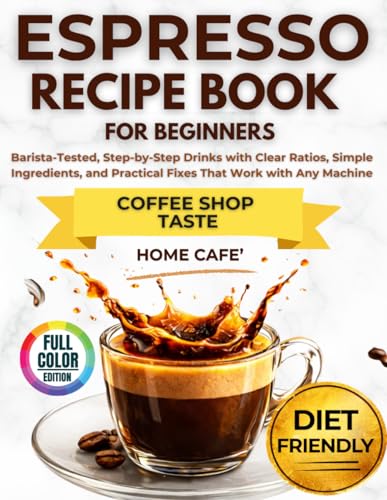
Independently published
Espresso Recipe Book for Beginners: Barista-Tested, Step-by-Step Drinks with Clear Ratios, Simple Ingredients, and Practical Fixes That Work with Any Machine
$18.99 at AmazonGreat Value
Dimensions: 8.5 x 0.24 x 11 inches Product Group: Book Binding: Paperback
Shop NowEspresso-Making Guide: How to Make Espresso So Good You'll Never Waste Money on Starbucks Again
Espresso-Making Guide: How to Make Espresso So Good You'll Never Waste Money on Starbucks Again
This Coffee Maestro Series book focuses on making espresso at home, with its biggest advantage being a dedicated guide for avoiding unnecessary coffee-shop purchases. It suits home espresso learners who want a book centered specifically on improving their espresso-making knowledge.
$0.00 at AmazonFormats: Kindle eBook Product Group: Digital Ebook Purchas Binding: Kindle Edition
Shop NowIndependently published The Espresso Machine Repair Blueprint: Master Electrical Diagnostics, Service High-Pressure Hydraulics, and Restore Boiler Systems for Prosumer and ... Appliances (The DO-IT-YOURSELF Blueprint)
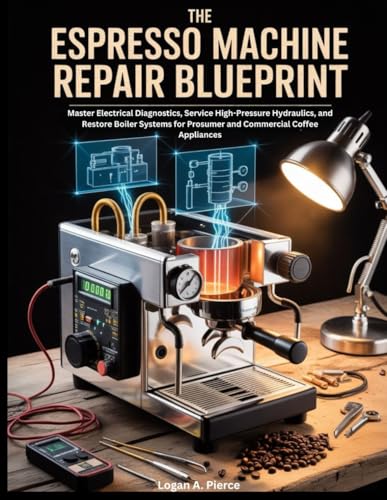
Independently published
The Espresso Machine Repair Blueprint: Master Electrical Diagnostics, Service High-Pressure Hydraulics, and Restore Boiler Systems for Prosumer and ... Appliances (The DO-IT-YOURSELF Blueprint)
$18.99 at AmazonDimensions: 8.5 x 0.49 x 11 Inches Product Group: Book Binding: Paperback
Shop NowMajosta Breville Barista Espresso machine Cookbook For Beginners: Build Barista Skills Through Espresso Foundations, Milk Classics, and Creative Brews

Majosta
Breville Barista Espresso machine Cookbook For Beginners: Build Barista Skills Through Espresso Foundations, Milk Classics, and Creative Brews
$15.99 at AmazonDimensions: 8.5 x 0.17 x 11 inches Product Group: Book Binding: Paperback
Shop Now


Write Your Review
No reviews yet. Be the first to share your experience!