

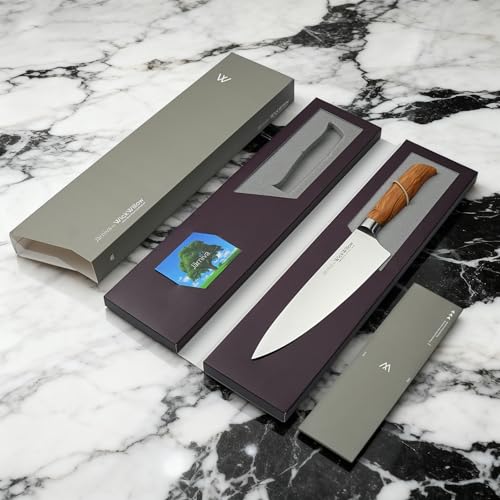
TL;DR — To maintain a chef knife, hand-wash and dry it immediately after each use, store it on a magnetic strip, in a blade guard, or a knife block (never loose in a drawer), hone the edge before most sessions with a honing rod to realign the burr, and sharpen it on a whetstone or pull-through sharpener every few months when honing no longer brings the edge back. Use a wood or plastic cutting board, never glass or stone, and never put a knife in the dishwasher. Proper care keeps a good knife sharp for years and protects a worthwhile investment — for the knives themselves, see our best chef knife guide.
The HomeWhisk editorial team researches kitchen knives by analyzing blade steels, edge geometry, manufacturer care guidance, and owner reviews from knife communities. This is a how-to guide for keeping a chef knife performing well. The principles apply to Western and Japanese knives.

Why Knife Maintenance Matters
A chef knife is the most-used tool in most kitchens, and its edge is more fragile than people expect. At the very tip, the steel is thin enough to roll, bend, or micro-chip with daily use. Three things happen to a neglected edge:
The edge rolls. Cutting on hard surfaces, twisting the blade, or even normal board contact bends the microscopic teeth to one side. A honing rod pushes them back. This is the most common cause of a “dull” knife that is not actually dull — the steel is just folded over.
The edge dulls through wear. Over time the metal at the edge grinds away and the bevel rounds, so the knife no longer cuts cleanly. Honing cannot fix this; only sharpening, which removes steel to form a fresh edge, can.
The edge chips or corrodes. Hard Japanese knives chip on bones, pits, and frozen food. Carbon steel rusts if left damp, and even stainless can pit from acidic food left on the blade.
Maintained properly, a good knife holds a working edge for months and lasts decades. Neglected, even an expensive knife becomes a frustrating, unsafe tool within a year. Since a quality blade is a real investment, compare options in our best chef knife and best chef knife set guides.
Wash, Dry, and Store: The Daily Routine
Most edge damage is preventable in the first thirty seconds after use.
Hand-wash immediately. Run the blade under warm water with a little dish soap, wipe from the spine toward the edge with a sponge, rinse, and dry right away. Do not leave a knife in the sink, where it bangs against other utensils and reaching hands can be nicked. Acidic foods (tomato, lemon, onion) can stain or pit even stainless over time; carbon steel discolors or rusts within hours.
Never use the dishwasher. Heat, caustic detergent, and rattling dull, chip, and corrode a knife rapidly, and wooden handles swell and crack. It is the single fastest way to ruin a good knife.
Dry fully before storing. Trapped moisture in a block or sheath can corrode the blade and mold a wooden handle.
Store the blade safely. A magnetic wall strip is excellent because the edge touches nothing. A knife block is fine if the slots are horizontal (so the edge slides along wood) and the block is clean and dry. A drawer insert or blade guard (a saya for Japanese knives) protects both the edge and your fingers. The worst option is a loose knife in a drawer, where the edge strikes other metal and dulls with every shift.
For a full collection, storage matters as much as the knives — our best knife sets guide covers what to look for in a block or set.
Use the Right Cutting Board
The surface you cut on does more to preserve an edge than almost anything else.
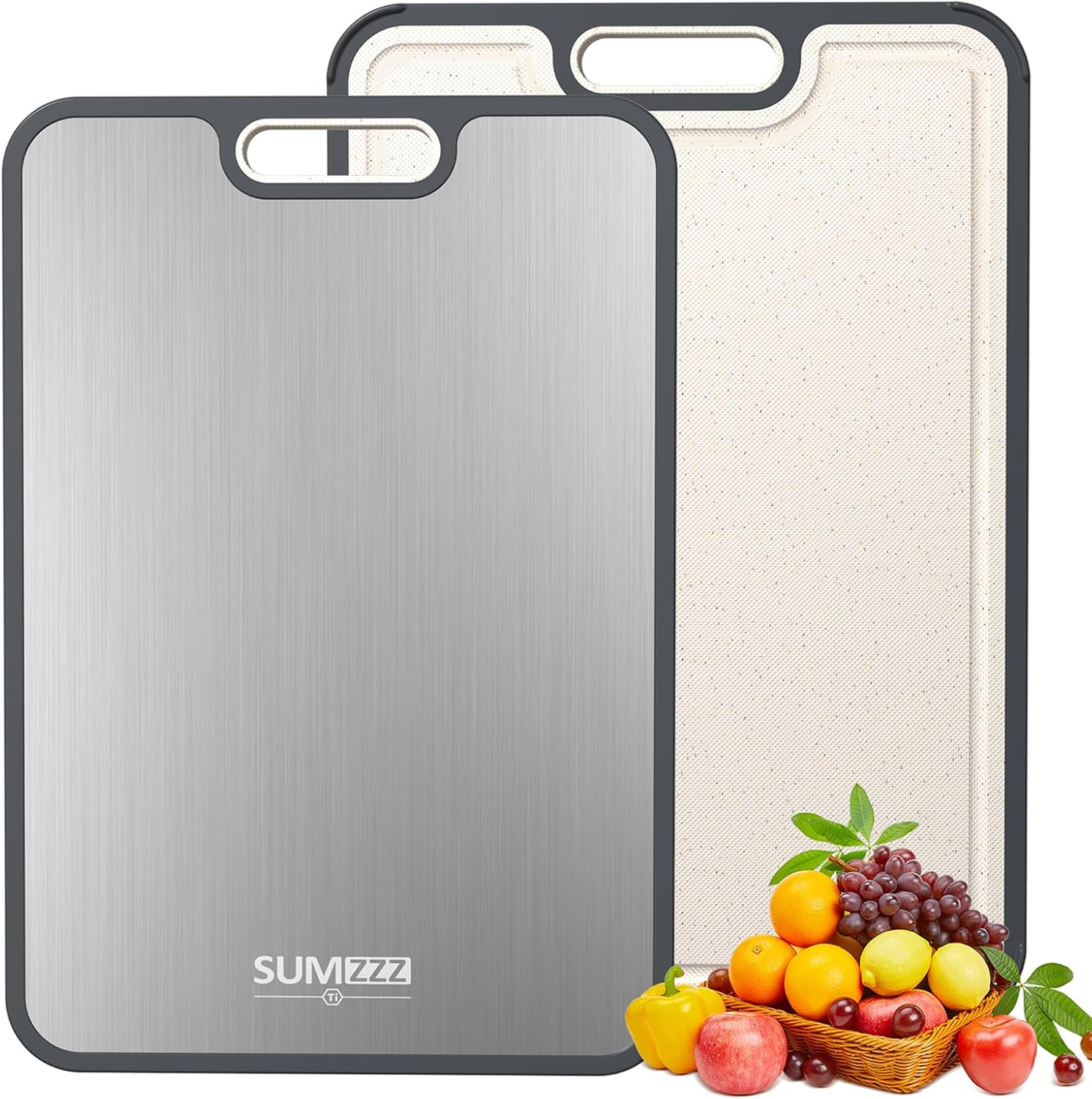
Wood and plastic are correct. End-grain wood boards (maple, walnut, beech) are gentlest because the knife parts the fibers rather than striking a hard surface. Edge-grain wood and plastic are also fine. Plastic is dishwasher-safe and good for raw meat; wood is better for the edge.
Never cut on glass, stone, ceramic, or metal. These are harder than knife steel and will roll or chip the edge almost immediately. Glass “cutting boards” are serving boards — they destroy edges.
Avoid hard frozen food, bones, and pits. A chef knife is for produce, meat, and fish, not for hacking through chicken bones or striking avocado pits. Use a cleaver or boning knife for bones. Japanese knives with hard, thin edges are especially prone to chipping.
A best bread knife for crusty loaves plus a paring knife round out a practical three-knife setup without a huge block.
Hone Regularly to Realign the Edge
Honing is the daily-to-weekly maintenance that keeps a knife feeling sharp between sharpenings.
What a honing rod does. A honing steel or ceramic rod removes little metal. It pushes the rolled edge teeth back into alignment so the edge is straight and cuts cleanly again, dramatically prolonging the time between sharpenings.
How to hone. Stand the rod vertically with its tip on a folded cloth on the counter. Place the knife heel against the top of the rod at a consistent angle (about 15–20 degrees for Western knives, 12–15 for Japanese) and sweep down and across, pulling toward you so the whole edge contacts the rod. Do 4–6 strokes per side, alternating. Angle consistency matters more than speed.
How often to hone. Hone before each cooking session, or whenever the knife starts dragging. If honing no longer brings back sharpness, it is time to sharpen.
If you adopt one practice from this guide, make it honing — the highest-value, lowest-effort knife skill. Pair it with a blade from our best japanese chef knife or best chef knife under 100 guides.
Sharpen When Honing Stops Working
Sharpening removes a small amount of steel to create a fresh, acute edge. How often depends on use: a home cook may need it every 3–6 months, a heavy user more often.
Whetstones (water stones). The method serious sharpeners prefer. You grind the blade across progressive grits (commonly 1,000 for routine work, finishing on 3,000–6,000) at a consistent angle. Stones give the best edge and most control, and let you thin and repair chips. The angle consistency you practiced while honing transfers directly.
Pull-through sharpeners. Preset angled slots with carbide or ceramic elements. Quick and foolproof, but they remove more steel less precisely and can shorten a knife’s life if overused. Acceptable for casual users who will not learn stones.
Electric sharpeners. Faster than pull-through, with similar trade-offs — convenient but aggressive on steel. Good for large households that sharpen often.
Professional sharpening. A local sharpener or mail-in service is fine if you do not want to sharpen yourself. Send knives out once or twice a year and hone at home in between.
Angle by knife type. Western (German-style) chef knives are typically sharpened around 20 degrees per side for a robust, durable edge. Japanese knives are often around 12–15 degrees per side, keener but more fragile. Match the original bevel unless you have a reason to change it.
Special Considerations for Japanese and Carbon Steel Knives
Japanese and carbon-steel knives need more attention than standard stainless Western knives.
Japanese knives are usually harder steel (often 60+ HRC versus ~56–58 for German knives) and ground to a thinner, more acute edge — spectacularly sharp but more brittle. They chip on bones, frozen food, and hard surfaces, and many have a single bevel or asymmetric edge that requires care. Use a ceramic rod gently, or hone on a high-grit stone, and do not twist the blade while cutting.
Carbon steel knives (non-stainless, including many traditional Japanese and some Western knives) sharpen to a finer edge than stainless and are easier to sharpen, but they rust and patina. Wipe the blade dry during use, especially after acidic food, and dry fully before storing. A blue-gray patina is normal and protective; active orange rust is not and should be scrubbed off and oiled. Coat the blade with food-safe oil if storing more than a few days.
For most home cooks, a stainless Western or Japanese gyuto is the low-maintenance sweet spot — compare them in best chef knife and best japanese chef knife. Carbon steel rewards owners who enjoy the ritual but punishes neglect.
Frequently Asked Questions
How often should I sharpen and hone my chef knife?
Hone before most cooking sessions, or whenever the knife starts dragging — honing realigns the edge and keeps it feeling sharp for months. Sharpen only when honing no longer brings the edge back, which for most home cooks is every 3–6 months. Whetstones give the best edge and most control; pull-through and electric sharpeners are faster but remove more steel less precisely. Over-sharpening shortens a knife’s life.
Can I put my chef knife in the dishwasher?
No. Dishwasher heat, caustic detergent, and rattling against other utensils will dull, chip, and corrode a knife quickly, and wooden handles swell and crack. Hand-wash with warm soapy water immediately after use, dry the blade right away, and store it properly. It is the single fastest way to ruin a good knife, even one labeled dishwasher-safe — that rating refers to corrosion resistance, not edge preservation.
What cutting board is best for maintaining a knife edge?
Wood (especially end-grain) and plastic are the right surfaces. End-grain boards are gentlest because the blade parts the fibers instead of striking a hard surface. Plastic is convenient for raw meat since it can be sanitized. Never cut on glass, stone, ceramic, or metal — these are harder than knife steel and will roll or chip the edge almost immediately.
What is the difference between honing and sharpening?
Honing realigns the existing edge. The sharp edge is thin enough that its microscopic teeth bend with daily use; a honing rod pushes them back into place so the knife cuts cleanly again, without removing much metal. Sharpening removes steel to grind a fresh edge once the old one has rounded or chipped. Hone frequently and sharpen rarely — that combination keeps a knife sharp and extends its life.
How should I store my chef knife?
Store the blade so the edge touches nothing: a magnetic wall strip is excellent, a clean horizontal knife block is fine, and a drawer insert or blade guard (saya) protects the edge and your hands. Never store a knife loose in a drawer, where the edge strikes other metal and dulls with every shift. Always dry the blade fully first, since trapped moisture can corrode steel and damage wooden handles.
How do I care for a carbon steel chef knife?
Carbon steel sharpens to a finer edge than stainless but rusts if neglected. Wipe the blade dry during and immediately after use, especially after acidic foods, and dry fully before storing. A blue-gray patina is normal and protective; orange rust is not and should be scrubbed off. For longer storage, coat the blade with food-safe mineral or camellia oil. Never put it in the dishwasher.
Is a more expensive knife easier to maintain?
Not necessarily. Premium knives often use harder steel that holds an edge longer but can chip more easily and is more demanding about surfaces and technique. A mid-priced stainless Western knife (around the options in our best chef knife under 100 guide) is often the lowest-maintenance choice. The biggest factors are not price but habit: hand-washing, proper storage, regular honing, and the right cutting board.
The Bottom Line
Maintaining a chef knife comes down to a few consistent habits: hand-wash and dry immediately after each use, store the blade where the edge touches nothing, cut on wood or plastic and never glass, hone regularly to realign the edge, and sharpen every few months when honing no longer restores sharpness. Japanese and carbon-steel knives need extra care against chipping and rust. None of this is difficult, but skipping it turns good knives into dull, unsafe tools. For choosing the blade, see our best chef knife, best chef knife set, and best japanese chef knife guides, and add a best bread knife to cover crusty loaves without stressing your chef knife’s edge.




Write Your Review
No reviews yet. Be the first to share your experience!