

TL;DR — A good forged chef knife lasts decades — often 20 to 40 years or more — with proper care and sharpening, while budget stamped knives may feel worn within a few years of heavy use. What actually ends a knife’s life is not time but damage and maintenance: chipped blades, broken tips, loose rivets, and a spine ground so thin from repeated sharpening that the blade becomes unstable. A dull knife is not a dead knife — regular honing and periodic sharpening keep a quality blade going indefinitely. For picks that last, see our best chef knife guide.
The HomeWhisk editorial team researches kitchen equipment by analyzing manufacturer specifications, steel properties, and aggregated owner reviews from major retailers and knife communities like Reddit r/chefknives and r/Cooking. Chef knives are one of the few kitchen tools that can genuinely outlast their owner, but only with the right care. This guide covers how long knives really last, what wears them out, and the clear signs it’s time to replace one. For durable picks, see our best chef knife and best chef knife set guides.

Mercer Culinary
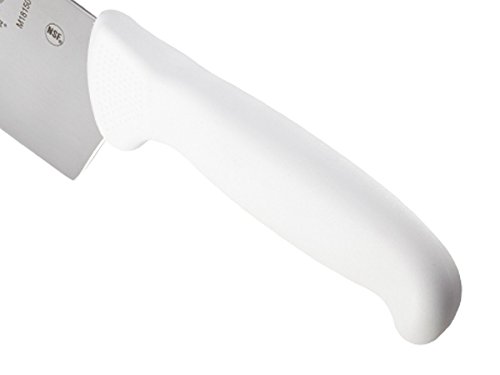
Chopping and Mincing Knife: Mercer Culinary Ultimate White 12-Inch Chef's Knife
The Mercer Culinary Ultimate White 12-Inch Chef's Knife handles chopping, mincing, dicing, and cutting with high-carbon Japanese steel that supports easy edge maintenance. It suits home cooks and professionals who want an ergonomic, non-slip handle and versatile preparation performance.
Pros and Cons
Pros
- High-carbon Japanese steel supports sharp, controlled cutting and straightforward edge maintenance.
- Textured finger points provide a more secure, comfortable grip during food preparation.
- The versatile design handles chopping, mincing, dicing, crushing, and shredding tasks.
- The 12-inch size provides useful capacity for larger cutting jobs.
Cons
- The 12-inch blade may feel oversized for cooks who prefer compact knives or limited cutting-board space.
- It requires hand washing and complete drying because the manufacturer advises against dishwasher use and prolonged submersion.

Huusk
Break Down Roasts and Steaks at Home: Huusk Upgraded Serbian Chef Knife, Hand-Forged High Carbon Steel with Leather Sheath
This hand-forged Serbian chef knife pairs an ATS-34 high carbon blade hardened to 59-61 Rockwell with a hand-sharpened 13-15 degree edge, so steaks, poultry, and roasts part with light pressure instead of sawing. Buy it if you butcher your own cuts or cook over fire, since the full tang oak handle, finger hole, and leather sheath work as well at the campsite as on the cutting board.
Pros and Cons
Pros
- Forged high carbon steel at 59-61 Rockwell gives it the hardness to break down proteins day after day.
- The finger hole lets you choke up on the blade for trimming silverskin and fat with control.
- The included leather sheath protects the edge and makes drawer storage or transport safer than a bare blade.
- Full tang construction with three rivets removes the handle separation risk common on cheaper forged knives.
Cons
- High carbon steel is not dishwasher safe and will spot or rust if left wet, so it needs drying after every use.
- The heavy, thick blade is built for meat and feels clumsy for fine work like mincing herbs or peeling.
Mercer Culinary Chopping and Mincing Knife: Mercer Culinary Ultimate White 12-Inch Chef's Knife
Mercer Culinary
Chopping and Mincing Knife: Mercer Culinary Ultimate White 12-Inch Chef's Knife
The Mercer Culinary Ultimate White 12-Inch Chef's Knife handles chopping, mincing, dicing, and cutting with high-carbon Japanese steel that supports easy edge maintenance. It suits home cooks and professionals who want an ergonomic, non-slip handle and versatile preparation performance.
Check price on AmazonThe Mercer Culinary Ultimate White 12-Inch Chef's Knife addresses everyday prep needs, including chopping, mincing, dicing, crushing, and shredding.
High-carbon Japanese steel supports a sharp edge and easier maintenance when preparing onions, herbs, garlic, shallots, and cabbage.
The ergonomic handle includes textured finger points for added grip, comfort, durability, and control during repeated cutting.
Its 12-inch blade offers useful capacity for larger ingredients, but may feel cumbersome on small cutting boards.
Best for home cooks and professionals who want one versatile knife for frequent preparation.
Huusk Break Down Roasts and Steaks at Home: Huusk Upgraded Serbian Chef Knife, Hand-Forged High Carbon Steel with Leather Sheath
Huusk
Break Down Roasts and Steaks at Home: Huusk Upgraded Serbian Chef Knife, Hand-Forged High Carbon Steel with Leather Sheath
This hand-forged Serbian chef knife pairs an ATS-34 high carbon blade hardened to 59-61 Rockwell with a hand-sharpened 13-15 degree edge, so steaks, poultry, and roasts part with light pressure instead of sawing. Buy it if you butcher your own cuts or cook over fire, since the full tang oak handle, finger hole, and leather sheath work as well at the campsite as on the cutting board.
Check price on AmazonA hand-forged Serbian style chef knife built for protein work, sized to break down roasts, poultry, and thick steaks that thinner chef knives tend to drag through.
The hand-sharpened 13-15 degree edge slices with light pressure, while the thick spine and hammered dimples add cleaving weight and keep wet slices from sticking.
ATS-34 high carbon steel hardened to 59-61 Rockwell, set in a full tang oak handle with three rivets, a finger hole for a choked grip, and a leather sheath.
The steel is reactive and the edge geometry is fine, so it spots without drying and can chip if used to hack through dense bone.
Best for home butchers, grillers, and campers who want one heavy blade for meat prep.
The Real Lifespan of a Chef’s Knife
There’s no fixed expiration date on a knife. Lifespan depends on the construction, the steel, how often it’s used, and how it’s maintained.
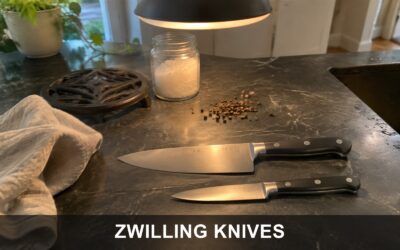
Forged knives are made from a single bar of steel heated and hammered into shape, typically with a bolster and a full or partial tang. They are thicker, harder, and built to last. A well-cared-for forged knife from a reputable maker — think Wüsthof, Zwilling, or a quality Japanese maker — commonly lasts 20 to 40 years or longer in a home kitchen. Professional kitchens, where knives see far harder daily use, may wear them faster, but even there a forged knife can serve for many years.
Stamped knives are cut from a sheet of steel and are lighter and cheaper. They’re perfectly serviceable, but the thinner, softer steel generally dulls faster and can feel floppy over time. A stamped knife may feel worn within a few years of heavy use, though light home use extends that considerably.
Hardness matters too. Japanese knives are often hardened to higher Rockwell values (around 60–62 HRC), which holds an edge longer but makes the steel more brittle and prone to chipping. Western knives are usually softer (around 55–58 HRC), which chips less but dulls faster. Neither lasts longer in absolute terms — they fail in different ways. See our best japanese chef knife guide for the high-hardness trade-off.
The honest summary: a quality knife isn’t a consumable, it’s a long-term tool. The question is rarely “how old is it” but “is it damaged or past sharpening.”
Factors That Influence How Long a Knife Lasts
Several variables determine whether a knife lasts five years or fifty.
- Steel type and hardness. Harder steel holds an edge longer but chips more easily; softer steel is tougher but dulls faster. Both can last decades if matched to the right use.
- Forged vs stamped construction. Forged knives have more metal to remove during sharpening and stronger geometry, so they survive decades of re-sharpening. Stamped knives have less steel to spare and bend more readily.
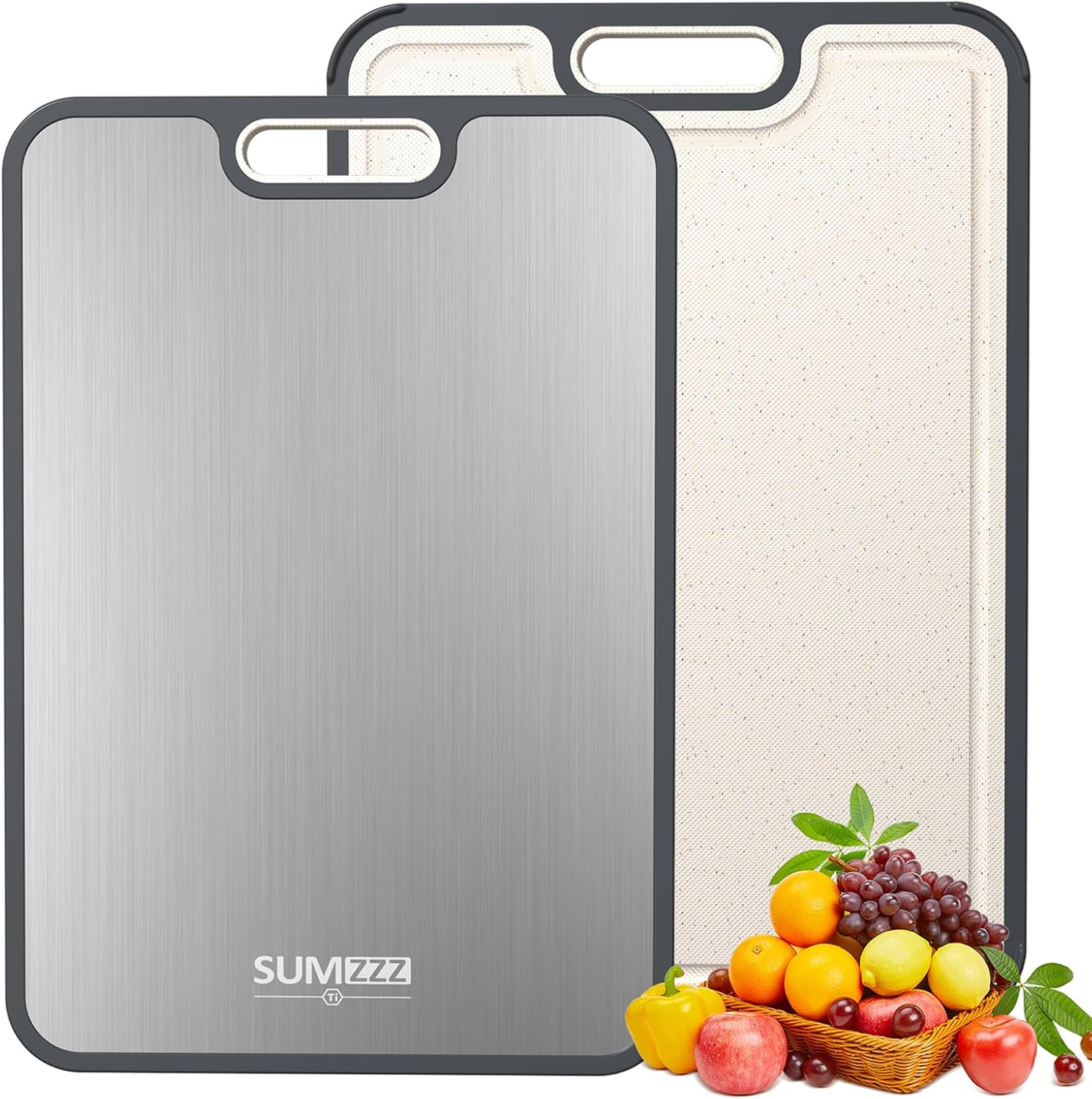
- Cutting surface. This is the single most underrated factor. Cutting on glass, stone, marble, or hard composite boards destroys edges quickly. Wood and end-grain boards are kindest to edges; soft plastic is acceptable. See our best chef knife under 100 guide for value picks that still reward good board choices.
- Washing and storage. Dishwashers blunt and sometimes chip edges and can damage handles; sinks full of water lead to nicks from other utensils. Knife blocks, magnetic strips, and blade guards protect edges; loose drawers ruin them.
- Sharpening habits. Regular honing and timely sharpening keep a knife performing and prevent the deep damage that comes from forcing a dull blade. But aggressive, improper sharpening removes steel faster than needed and shortens life.
The Dangers of a Dull Knife
A dull knife isn’t just annoying — it’s actively more dangerous than a sharp one, and this is well documented in cooking safety discussions.
A sharp knife bites into the food’s surface and cuts where you intend. A dull knife slides, skates, and requires extra force, which is exactly when it slips off a tomato skin or an onion and finds your finger instead. The higher pressure needed to push a dull edge through food means cuts are both more likely and more severe when they happen. A dull blade also crushes rather than slices, bruising herbs and tearing meat fibers, which hurts both texture and presentation.
The good news is that dullness is reversible. Regular honing realigns the edge between sharpenings, and a proper sharpening restores it. A knife is only “done” when it’s damaged beyond repair or has been ground down so far that the geometry is lost. For affordable sharpening-friendly picks, see our best chef knife under 100 guide.
Four Signs It’s Time to Replace Your Knife
Most knives are replaced too early or too late. Here are the clear signals that a knife is genuinely at the end.
1. Loose rivets or a failing handle. Full-tang knives are held together by rivets. If a rivet works loose, the handle flexes, and the knife becomes unpredictable and unsafe. Some handles can be re-pinned by a sharpener, but extensive handle failure usually means replacement.
2. A chipped blade. Small nicks can sometimes be ground out by a sharpener, but a large chip — especially near the edge’s working middle — removes a lot of steel to repair and often leaves an uneven profile. Japanese knives are particularly chip-prone because of their hard, brittle steel. If chips recur or are severe, the knife may be a poor match for your technique and worth replacing.
3. A broken or bent tip. The tip is the most fragile part and is commonly snapped off when a knife is dropped or used to pry. A skilled sharpener can sometimes reprofile a broken tip, but it shortens the blade and changes its geometry. Repeated tip damage suggests the knife is being misused, and a fresh start may make sense.
4. A spine thinned from over-sharpening. Every sharpening removes a little steel. Over many years of aggressive sharpening, the blade’s height shrinks and the spine can become uncomfortably thin, the edge geometry changes, and the knife no longer feels like itself. This is the rare case where a knife truly wears out from age rather than damage.
How to Make a Chef Knife Last Decades
Longevity is mostly about habits, not the knife itself.
- Always use a cutting board, and choose wood or end-grain over glass, stone, or hard composites. The board is where edges live or die.
- Hand wash and dry immediately. Never put a good knife in the dishwasher, where heat, detergent, and rattling against other items blunt and chip edges and can warp or crack handles.
- Never soak in the sink. A knife sitting in soapy water gets banged against pans and utensils, and the handle can absorb water or corrode at the rivets.
- Store carefully. Use a knife block, a magnetic wall strip, or individual blade guards in a drawer. Tossing a knife loose into a drawer is one of the fastest ways to ruin an edge.
- Hone regularly, sharpen periodically. Hone with a steel or ceramic rod every few uses to realign the edge; sharpen when honing no longer restores the bite — typically every few months for home cooks. For a matched set cared for as a system, see our best chef knife set and best knife sets guides.
- Use the right knife for the task. Don’t pry, open cans, or cut frozen food with a chef knife. Use a bread knife for crusty loaves — our best bread knife guide covers those — and keep the chef knife for slicing, chopping, and mincing.
Frequently Asked Questions
How long does a chef’s knife last without sharpening?
A sharp edge begins to degrade within weeks of regular use, and most home cooks notice meaningful dullness after a few months without maintenance. Without any honing or sharpening, a knife is noticeably dull within weeks to a couple of months and frustratingly dull within a year. The knife itself isn’t dead — it just needs sharpening. With regular honing and periodic sharpening, a quality forged knife can perform well for decades.
How long do Wüsthof knives last?
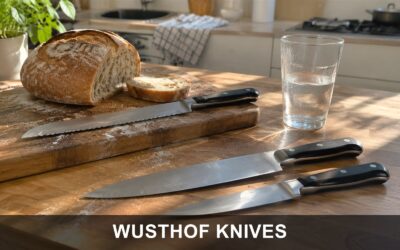
Wüsthof forged knives are built to last decades. With proper care — hand washing, a good cutting board, careful storage, and regular honing and sharpening — many owners report Wüsthof knives lasting 20 years or more, and some pass them across generations. They’re forged from a single bar of steel with a full tang, so there’s enough metal to withstand many sharpening cycles. The limiting factor is usually damage, not age.
How often should you replace kitchen knives?
There’s no schedule — you replace a knife when it’s damaged beyond economical repair, not on a timer. A well-maintained forged knife may never need replacement in a home cook’s lifetime. Replace when you see loose rivets or a failing handle, large or recurring chips, a broken tip that can’t be reprofiled, or a blade ground so thin from years of sharpening that the geometry is lost. A knife that’s merely dull should be sharpened, not replaced.
Can sharpening extend a knife’s life?
Yes, dramatically. Regular honing realigns the edge between sharpenings, and periodic sharpening restores it, so the knife keeps performing and you avoid the dangerous extra force that a dull blade demands. Sharpening also lets a skilled sharpener fix minor chips and reprofile worn edges. The main caveat is that every sharpening removes a small amount of steel, so aggressive or improper sharpening can shorten a knife’s life — have it done by someone who removes only what’s necessary.
What sharpening mistakes reduce knife lifespan?
Common mistakes include using a power grinder, which overheats and ruins the steel’s temper; removing too much steel per session; sharpening at the wrong angle, which weakens the edge; and using coarse abrasives when fine ones would do. Hitting the edge on glass boards or other knives in a drawer also counts as damage rather than sharpening, but it’s the same category of edge destruction. Use appropriate whetstones or a quality sharpener, match the angle to the knife, and stop once the edge is restored.
Is it cheaper to sharpen knives or replace them?
For quality knives, sharpening is almost always cheaper than replacement. A professional sharpening costs a fraction of a new forged knife, and even a quality whetstone pays for itself over a few uses. Replacement only makes economic sense for very cheap stamped knives that are badly damaged, or when a knife has failed structurally. For a knife worth keeping, sharpening extends its life by years or decades at a low recurring cost.
The Bottom Line
A good chef knife isn’t a consumable — it’s a long-term tool. Forged knives from reputable makers routinely last 20 to 40 years or more with proper care, while budget stamped knives may feel worn sooner. What ends a knife’s life is rarely age; it’s damage like chipped blades, broken tips, loose rivets, or a spine ground thin from years of over-sharpening. A dull knife is a safety hazard, but dullness is reversible with honing and sharpening. The habits that actually extend a knife’s life are simple: a wooden cutting board, hand washing, careful storage, and regular maintenance. Buy a knife worth keeping, care for it, and it may outlast you. For durable picks at every budget, see our best chef knife, best chef knife set, best japanese chef knife, and best chef knife under 100 guides.




Write Your Review
No reviews yet. Be the first to share your experience!