

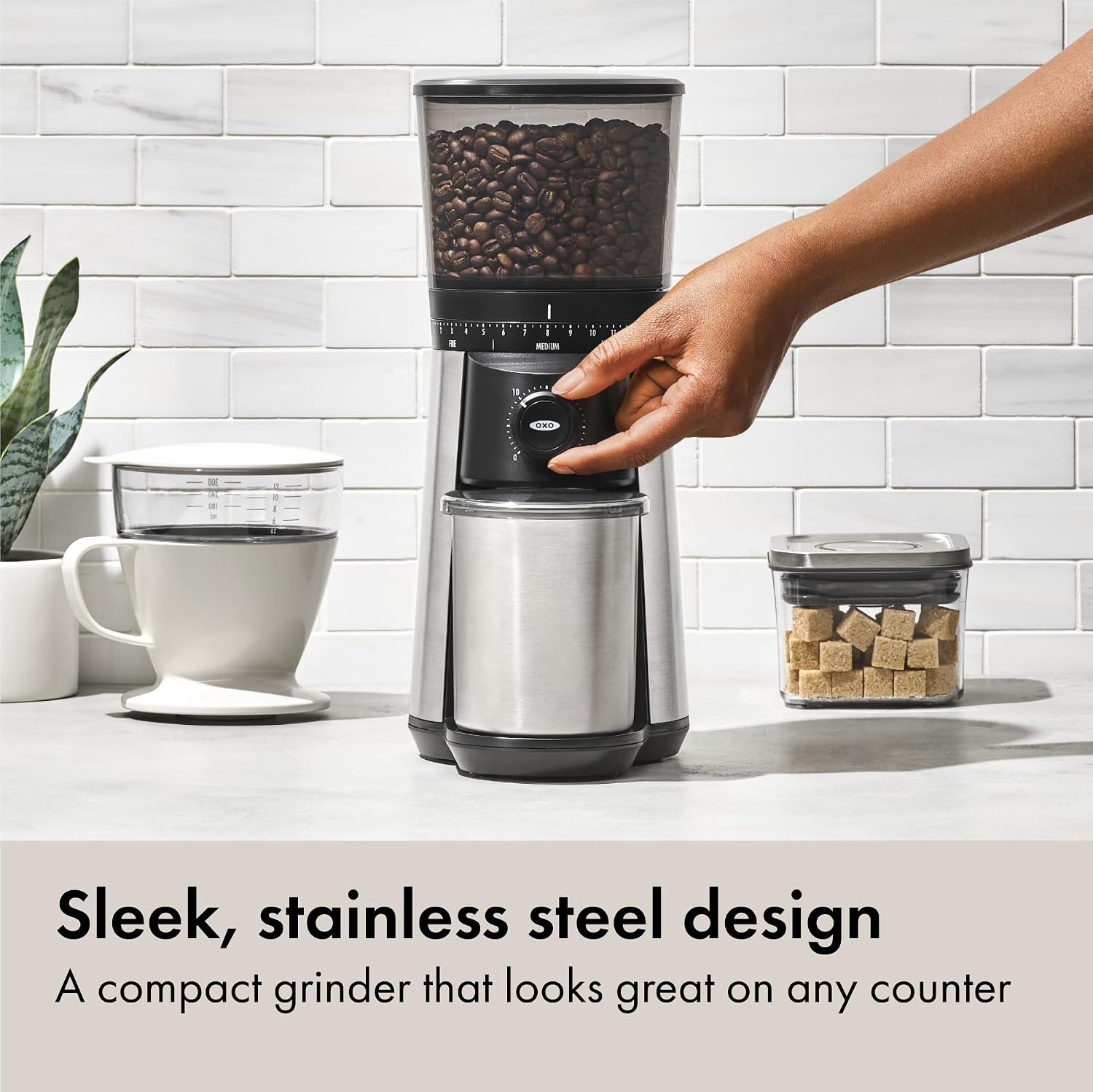
TL;DR — No. You should never put an espresso machine — or most of its parts — in the dishwasher. The machine body holds electronics, a pump, a boiler, and internal seals that dishwasher heat, high-pressure jets, and harsh detergent will destroy. A few detachable pieces, like the plastic water tank, drip tray, and knock box, are sometimes dishwasher-safe if the maker says so, but the portafilter, filter baskets, brew group, and steam wand should be washed by hand. Dishwasher detergent also leaves residue that ruins the taste of your coffee. Clean espresso gear with hot water, a soft brush, and a dedicated cleaner instead. For coffee-gear picks, see our best coffee grinder guide.
The HomeWhisk editorial team researches kitchen equipment by analyzing manufacturer manuals, materials, and aggregated user reviews from major retailers and communities such as Reddit’s r/espresso and r/Coffee. The question below comes up constantly from new espresso owners hoping to shortcut cleanup — and the answer, with a few narrow exceptions, is a firm no.
Espresso machines are among the more mechanically complex appliances in a home kitchen, and they are also among the least dishwasher-friendly. Understanding why comes down to what the machine is made of and how a dishwasher actually works.
The Short Answer, and Why It’s a Firm No
A dishwasher subjects everything inside to water above 130°F (often 150-160°F on a sanitize cycle), high-pressure spray, a long soak, a hot drying phase, and aggressive alkaline detergent. That combination is fine for plates. It is destructive for an espresso machine.
The machine’s housing contains a pump, a boiler or thermoblock, a control board, wiring, and rubber seals and gaskets. You obviously cannot submerge that. But even individual metal and plastic parts suffer: dishwasher detergent is far harsher than dish soap, and it strips oils, discolors aluminum and brass, degrades rubber and silicone seals, and — critically — leaves a chemical film that taints the flavor of the next shot. Coffee is extraction chemistry, and detergent residue in a portafilter or basket produces sour, soapy, off-tasting espresso.
So the rule is simple: never the whole machine, and by default not the removable brewing parts either. Our best espresso machine under 200 guide notes which models are easiest to maintain.
Which Parts Are Sometimes Dishwasher-Safe
A small number of detachable, non-brewing parts may be dishwasher-safe — but only if your machine’s manual explicitly says so. When in doubt, hand wash. Parts that are occasionally cleared for the dishwasher:
- Water tank / reservoir — some plastic tanks are top-rack safe, but many warp under heat; check the manual.
- Drip tray and drip grate — usually the most dishwasher-tolerant part.
- Knock box — if plastic or stainless and detachable.
- Milk carafe (some automatic machines) — certain brands design these to be dishwasher-safe; many are not.
Even for these, use the top rack, skip the heated-dry and sanitize cycles, and rinse thoroughly afterward. If you own a super-automatic machine (Jura, DeLonghi, Philips, Saeco), the manufacturer almost always tells you to clean the brew unit with plain water only — no dishwasher, no detergent.
Which Parts You Must Wash by Hand
These pieces contact your coffee directly or contain precision surfaces, and the dishwasher will ruin them or your next cup:
- Portafilter — the metal is fine mechanically, but detergent residue clings to it and taints flavor; the plastic or wooden handle can also degrade. Hand wash only.
- Filter baskets — their tiny laser-drilled holes clog with detergent film and mineral scale. Wash by hand and soak in espresso cleaner periodically.
- Brew group / group head — never remove and dishwasher this; wipe and backflush instead.
- Steam wand — wipe immediately after each use and purge; never dishwasher.
- Shower screen and gasket — rubber gaskets dry out and crack under dishwasher heat.
The pattern is clear: anything that touches the coffee or the pressurized water path gets hand attention, not a dishwasher cycle.
How to Actually Clean an Espresso Machine
Real espresso maintenance is quick once it’s routine. Here is a practical schedule:
1. After every session: Knock out the puck, rinse the portafilter and basket under hot water, and wipe the group head with the blank end of the portafilter or a cloth. Purge and wipe the steam wand immediately so milk doesn’t bake on. 2. Wipe down the body with a damp cloth — never immerse it or spray it directly. 3. Weekly (semi-automatic machines): backflush with a blind (blank) basket and a dedicated espresso machine detergent such as a cafiza-type cleaner. This clears oils from the group and three-way valve. Follow with several plain-water backflushes to rinse. 4. Soak the portafilter and baskets in a solution of espresso cleaner and hot water every week or two to dissolve built-up coffee oils, then rinse well. 5. Descale every 1-3 months depending on water hardness, using a citric-acid or proprietary descaler to remove mineral scale from the boiler. Hard water means more frequent descaling. Using filtered or softened water reduces how often you need to do this.
That routine keeps the machine tasting clean and running for years — far better than any dishwasher shortcut. If cleanup is a dealbreaker for you, a super-automatic with a self-rinsing cycle handles much of it automatically; our best coffee and espresso maker combo and best coffee maker with grinder guides cover lower-maintenance options.
What About Just the Portafilter or Baskets?
This is the most common follow-up, and it comes up often on Reddit. Technically the stainless portafilter and baskets won’t corrode in a dishwasher, but two problems remain: detergent residue ruins flavor, and the fine basket holes plus any plastic or wooden handle degrade over time. Espresso enthusiasts almost universally advise against it. Hot-water rinsing plus a periodic espresso-cleaner soak does a better job without the flavor penalty. Save the dishwasher for your mugs.
Frequently Asked Questions
Can you put a portafilter basket in the dishwasher?
You can, but you shouldn’t. Stainless baskets won’t rust, yet dishwasher detergent leaves a film that clogs the fine laser-drilled holes and taints the flavor of your next shot with a soapy, sour note. The holes also trap mineral scale from hard dishwasher water. Instead, rinse baskets under hot water after each use and soak them in a dedicated espresso cleaner solution every week or two to dissolve coffee oils. That keeps the holes clear and your coffee tasting clean without the detergent residue.
Are Breville espresso machine parts dishwasher safe?
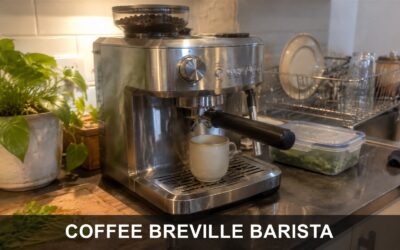
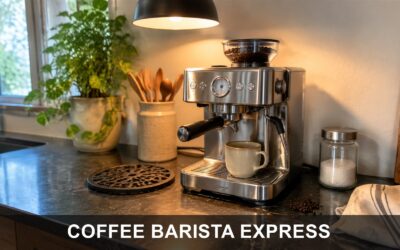
Breville generally advises hand washing for most parts. Some Breville models list the drip tray and certain accessories as top-rack dishwasher safe, but the portafilter, filter baskets, and any part that touches the coffee should be washed by hand to avoid detergent residue and protect the components. Always check the specific manual for your model — instructions vary between the Bambino, Barista, and Dual Boiler lines. When the manual is silent on a part, treat it as hand-wash only.
Can I wash the water tank in the dishwasher?
Sometimes, but check your manual first. Some plastic reservoirs are labeled top-rack dishwasher safe, while many warp or cloud under dishwasher heat. Even when it’s allowed, use the top rack, skip the heated-dry and sanitize cycles, and rinse thoroughly afterward so no detergent lingers. In most cases, hand washing the tank with warm water and a drop of mild soap — then rinsing well — is safer and just as effective. Empty and dry the tank between uses to discourage limescale and mold.
What happens if detergent gets into an espresso machine?
Dishwasher detergent is strongly alkaline and clings to surfaces. If it contaminates the portafilter, baskets, or water path, it produces soapy, bitter, or sour-tasting espresso and can irritate your stomach. It also degrades rubber gaskets and seals and can discolor aluminum and brass parts. This is the main reason espresso gear is hand-washed with plain hot water rather than detergent. If detergent does get in, run several plain-water rinses and, for the machine itself, multiple flushes before pulling a drinkable shot.
How do I clean an espresso machine without a dishwasher?
Rinse the portafilter, basket, and wipe the group head after every use, and purge and wipe the steam wand immediately. Weekly, backflush a semi-automatic machine with a blind basket and espresso detergent, then rinse with plain water, and soak the portafilter and baskets in cleaner to remove oils. Every one to three months, descale the boiler with a citric-acid or proprietary descaler to clear mineral buildup. Wipe the body with a damp cloth only. This routine is quick and keeps the machine running for years.
Can you put a super-automatic machine’s brew unit in the dishwasher?
No. On machines like Jura, DeLonghi, Philips, and Saeco, removable brew units are designed to be rinsed under plain running water only. Dishwasher detergent degrades the unit’s seals and lubricated moving parts and leaves residue that taints the coffee. Manufacturers explicitly warn against dishwashing the brew group. Rinse it under warm water, let it air dry, and use the machine’s built-in cleaning cycles and cleaning tablets for deeper maintenance. The milk carafe on some models is dishwasher-safe, but confirm in the manual first.
The Bottom Line
You cannot put an espresso machine in the dishwasher — the body’s electronics, pump, boiler, and seals rule it out entirely, and even the removable brewing parts should stay out because detergent residue ruins both the components and the flavor of your coffee. At most, a few non-brewing pieces like the drip tray or a plastic tank may be top-rack safe if the manual clears it. Everything that touches the coffee gets hand-washed with hot water and a dedicated espresso cleaner, plus regular backflushing and descaling. It’s a small routine that protects a significant investment. If low-maintenance coffee is your priority, see our best coffee grinder, best espresso machine under 200, best coffee maker with grinder, best grind and brew coffee maker, and best coffee and espresso maker combo guides.
Independently published The Breville Barista Express Espresso Machine Cookbook: 200 Artisan Coffee Recipes to Master Your Home Espresso Bar

Independently published
The Breville Barista Express Espresso Machine Cookbook: 200 Artisan Coffee Recipes to Master Your Home Espresso Bar
$12.00 at AmazonEditors' Favorite
Dimensions: 8.5 x 0.28 x 11 Inches Product Group: Book Binding: Paperback
Shop NowIndependently published Espresso Recipe Book for Beginners: Barista-Tested, Step-by-Step Drinks with Clear Ratios, Simple Ingredients, and Practical Fixes That Work with Any Machine

Independently published
Espresso Recipe Book for Beginners: Barista-Tested, Step-by-Step Drinks with Clear Ratios, Simple Ingredients, and Practical Fixes That Work with Any Machine
$18.99 at AmazonGreat Value
Dimensions: 8.5 x 0.24 x 11 inches Product Group: Book Binding: Paperback
Shop NowEspresso Machine Repair Made Simple: A Step-by-Step DIY Guide to Troubleshooting and Maintenance Without Calling a Technician

Espresso Machine Repair Made Simple: A Step-by-Step DIY Guide to Troubleshooting and Maintenance Without Calling a Technician
$4.99 at AmazonFormats: Kindle eBook Product Group: Digital Ebook Purchas Binding: Kindle Edition
Shop NowMajosta Breville Espresso Machine User Guide: Essential Home Coffee Maker Companion With Easy Instructions For Setup, Calibration, And Brewing

Majosta
Breville Espresso Machine User Guide: Essential Home Coffee Maker Companion With Easy Instructions For Setup, Calibration, And Brewing
$23.99 at AmazonDimensions: 8.5 x 0.28 x 11 inches Weight: 0.65918216338 Pounds Product Group: Book Binding: Paperback
Shop NowBreville Barista Touch Impress Espresso Machine Cookbook for Beginners: A Step-by-Step Guide to Intelligent Dosing, Espresso Extraction, Milk Texturing, Cold Coffee & Café-Style Drinks

Breville Barista Touch Impress Espresso Machine Cookbook for Beginners: A Step-by-Step Guide to Intelligent Dosing, Espresso Extraction, Milk Texturing, Cold Coffee & Café-Style Drinks
$9.99 at AmazonFormats: Kindle eBook Product Group: Digital Ebook Purchas Binding: Kindle Edition
Shop Now



Write Your Review
No reviews yet. Be the first to share your experience!