

TL;DR — Most home espresso machines last 5 to 15 years, and the range depends heavily on type and maintenance. Cheap capsule and budget pump machines often fade at 3 to 5 years; mid-range consumer machines run 5 to 10; prosumer machines with brass boilers and serviceable parts can go 15 or more with descaling and rebuilds. The single biggest factor is water: hard, unfiltered water builds scale that kills pumps and boilers early. Descaling, filtered water, and replacing seals are what actually extend life. For picks, see our best espresso machine under 200 guide.
The HomeWhisk editorial team researches kitchen equipment by analyzing manufacturer specifications, repairability, warranty terms, and aggregated user reviews from major retailers and communities like Reddit r/espresso and coffee-repair forums. This guide gives realistic lifespan expectations by machine type and explains what makes one machine outlast another.

“How long does an espresso machine last?” is usually asked by someone deciding whether to repair an aging machine or buy new, or weighing a cheap machine against a pricier one. The honest answer is that lifespan varies more by construction and care than by brand slogans, and a well-maintained mid-range machine can outlive a neglected expensive one.

Gevi
Home Lattes and Cappuccinos: Gevi 20 Bar Compact Espresso Machine
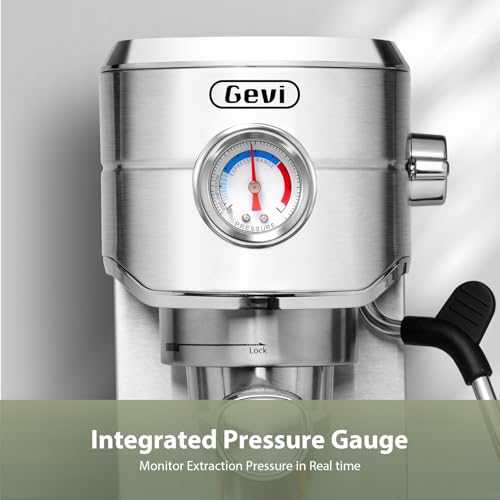
The Gevi 20 Bar Compact Espresso Machine brews espresso, Americanos, lattes, and cappuccinos, with its biggest advantage being combined pre-infusion, NTC temperature control, and pressure monitoring in a compact unit. It suits home or office users who want hands-on espresso brewing and manual milk frothing without giving up much counter space.
Pros and Cons
Pros
- It combines pre-infusion, NTC temperature control, a 20-bar pump, and a pressure gauge for greater brewing control.
- The steam wand froths milk and has a removable nozzle for easier cleaning.
- Its hot-water function supports Americanos, tea, instant soup, and cup preheating.
- The stainless steel housing offers a durable finish in a counter-friendly format.
Cons
- The semi-automatic design and manual steam wand require more technique than a fully automatic coffee machine.
- Exact dimensions, water capacity, and weight are not included in the supplied specifications, so buyers should verify available counter clearance.

SHARDOR
Home Cappuccino and Latte Maker: SHARDOR 20-Bar Touchscreen Espresso Machine with Milk Frother
The SHARDOR espresso machine makes single or double espresso, cappuccinos, lattes, and flat whites, with touchscreen temperature control as its biggest advantage. It suits home or office coffee drinkers who want customizable espresso and steamed milk without a full-size commercial machine.
Pros and Cons
Pros
- The 20-bar pump and 1350W motor are designed to produce rich espresso flavor and aroma.
- The touchscreen includes single-cup, double-cup, manual, temperature, steam, and descaling controls.
- The compact stainless steel design takes up less counter space than a larger commercial-style machine.
- The included portafilter, cup filters, tamper with spoon, and water tank provide the core accessories for brewing.
Cons
- As a semi-automatic machine, it requires manual portafilter preparation and milk steaming.
- Regular descaling is necessary because brewing can stop when mineral buildup requires maintenance.

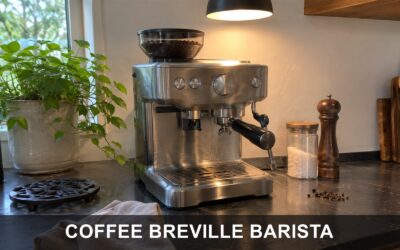
Breville Barista Express Espresso Machine with Built-In Grinder
This semi-automatic espresso machine grinds fresh beans directly into the portafilter and extracts espresso with precise temperature control, delivering café-quality shots at home in under a minute. Buy it if you want to skip the espresso shop and master microfoam milk texturing without a steep learning curve.
Pros and Cons
Pros
- Built-in grinder eliminates separate equipment and delivers freshly ground coffee directly into the portafilter for optimal flavor.
- Digital temperature control (PID) with thermocoil heating ensures consistent water temperature for reliable espresso extraction across every shot.
- Comprehensive accessory kit includes milk jug, tamper, cleaning tools, and filter baskets, so you can start pulling shots immediately.
Cons
- Manual tamping and milk steaming require practice to master; beginners may need several attempts to dial in proper technique.
- 54mm portafilter is proprietary to Breville, limiting compatibility with third-party baskets and accessories compared to standard 58mm machines.
The Best Deals This Week*
-
Home Lattes and Cappuccinos
$126.99
($139.99)Save $13.00 -
Home Cappuccino and Latte Maker
$99.99
($115)Save $15.01 -
Breville Barista Express Espresso Machine
$499.95
($692.99)Save $193.04
*Deals are selected by our commerce team
Gevi Home Lattes and Cappuccinos: Gevi 20 Bar Compact Espresso Machine
Gevi
Home Lattes and Cappuccinos: Gevi 20 Bar Compact Espresso Machine
The Gevi 20 Bar Compact Espresso Machine brews espresso, Americanos, lattes, and cappuccinos, with its biggest advantage being combined pre-infusion, NTC temperature control, and pressure monitoring in a compact unit. It suits home or office users who want hands-on espresso brewing and manual milk frothing without giving up much counter space.
Check price on AmazonThe Gevi compact espresso machine prepares espresso, Americanos, lattes, cappuccinos, mochas, and macchiatos, reducing the need for separate brewing and milk-frothing appliances.
Its 20-bar pump, pre-infusion, NTC temperature control, and pressure gauge provide useful control over extraction, while the steam wand produces microfoam for milk-based drinks.
The full stainless steel housing supports daily durability, and the compact format conserves counter space. Exact dimensions and weight are not provided in the supplied product data.
Because brewing and milk frothing are semi-automatic, users must learn basic extraction timing and steam-wand control.
Best for home or office users who want a compact, hands-on machine for espresso and milk-based coffee.
SHARDOR Home Cappuccino and Latte Maker: SHARDOR 20-Bar Touchscreen Espresso Machine with Milk Frother
SHARDOR
Home Cappuccino and Latte Maker: SHARDOR 20-Bar Touchscreen Espresso Machine with Milk Frother
The SHARDOR espresso machine makes single or double espresso, cappuccinos, lattes, and flat whites, with touchscreen temperature control as its biggest advantage. It suits home or office coffee drinkers who want customizable espresso and steamed milk without a full-size commercial machine.
Check price on AmazonThis machine solves the need for café-style espresso drinks at home or in an office without requiring a large commercial setup.
Its 20-bar pump, 1350W motor, and three temperature settings support rich espresso with adjustable extraction heat.
The compact stainless steel body suits smaller counters, while the 45-ounce removable tank reduces refilling. Product weight is not listed.
Manual brewing and steaming require more involvement than a fully automatic machine, and regular descaling is essential.
Best for home coffee drinkers who want touchscreen controls and adjustable espresso without a commercial-size appliance.
Breville Barista Express Espresso Machine with Built-In Grinder
Breville Barista Express Espresso Machine with Built-In Grinder
This semi-automatic espresso machine grinds fresh beans directly into the portafilter and extracts espresso with precise temperature control, delivering café-quality shots at home in under a minute. Buy it if you want to skip the espresso shop and master microfoam milk texturing without a steep learning curve.
Check price on AmazonThe Breville Barista Express solves the problem of buying pre-ground coffee that loses flavor within minutes. It grinds whole beans on demand directly into the portafilter, then extracts espresso with precise temperature control in under 60 seconds.
The integrated conical burr grinder with 16 precision settings lets you adjust grind size for any bean roast, while the thermocoil heating system with PID control delivers water at exactly the right temperature for balanced extraction. Low-pressure pre-infusion gradually increases pressure during extraction, ensuring all flavors are drawn out evenly.
Built from brushed stainless steel with a 1/2 lb bean hopper and 67 oz water tank, this machine measures compactly enough for standard countertops. The 54mm portafilter and dual/single wall filter baskets are durable stainless steel, and the powerful steam wand is built for hand-texturing microfoam.
One limitation: the 54mm portafilter is proprietary to Breville, so third-party accessories are limited compared to standard 58mm espresso machines.
Best for home coffee enthusiasts who want café-quality espresso and milk drinks without visiting a coffee shop, and don't mind learning manual tamping and steaming techniques.
Realistic Lifespan by Machine Type
Espresso machines are not one category, and their expected life spans a wide range:
- Capsule and pod machines (Nespresso-style): roughly 3 to 8 years. They have few user-serviceable parts, so a failed pump or heating element often means replacement rather than repair.
- Budget pump machines (entry consumer): about 3 to 5 years of daily use. Plastic internals, aluminum parts, and limited parts availability cap their life.
- Mid-range consumer machines: roughly 5 to 10 years. Better pumps, some metal components, and available spares stretch things out.
- Super-automatic bean-to-cup machines: commonly 5 to 10 years. They have more moving parts (grinder, brew unit, milk system) that each can fail, but good ones are serviceable.
- Prosumer and semi-commercial machines: 10 to 20+ years. Brass boilers, rebuildable groups, and a repair ecosystem mean seals and pumps get replaced rather than the whole machine.
These are with reasonable care. Neglect, especially skipping descaling in a hard-water area, can halve any of them; diligent maintenance can push the top of each range.
The Number One Killer: Water and Scale
If there’s a single reason espresso machines die early, it’s limescale from hard water. As water is heated, dissolved calcium and magnesium precipitate out and coat boilers, heating elements, valves, and narrow passages. Over time this:
- Insulates the heating element, forcing it to work harder and burn out sooner.
- Clogs narrow tubes and the group head, choking flow and stressing the pump.
- Jams valves and solenoids, causing leaks and pressure faults.
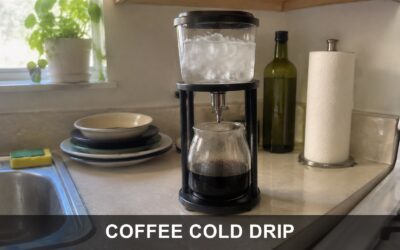
The harder your water, the faster this happens. Using filtered or appropriately softened water and descaling on schedule is the highest-impact thing you can do for longevity. Many machine failures blamed on the brand are really years of accumulated scale. This applies to every brewer with a boiler, including a best grind and brew coffee maker or a best coffee maker with grinder. It’s one reason no-boiler options like a best cold brew coffee maker tend to outlast heated machines by default.
The Parts That Actually Fail
Knowing what breaks helps you judge whether a machine is repairable or disposable:
- Pump. Vibratory pumps (common in consumer machines) are rated for a finite number of hours and eventually weaken or die. On serviceable machines they’re replaceable; on sealed budget machines they’re often the end.
- Heating element / thermoblock. Scale and thermal cycling wear these out. Boilers on prosumer machines can be descaled and last; thermoblocks in cheaper machines are harder to service.
- Gaskets, seals, and O-rings. These are wear items that harden and leak over a few years. On a good machine, a group gasket is a cheap routine replacement; on a sealed machine, a leak can be terminal.
- Grinder (on bean-to-cup). Burrs dull and motors wear, adding failure points that pure espresso machines don’t have.
- Electronics and control boards. Less common but expensive, and often the point where repair stops making economic sense.
A machine whose common failures are cheap, replaceable wear items will outlive one where the first failure means a new machine.
Repairability: Why Some Machines Live Longer
The reason prosumer machines last decades isn’t magic materials alone, it’s that they’re designed to be serviced. Manufacturers like the traditional Italian brands publish parts diagrams, sell gaskets and pumps, and build machines you can open with common tools. When a seal fails, you replace a few-dollar part.
Sealed budget and capsule machines are the opposite: glued or riveted shut, with proprietary or unavailable parts, so any significant failure means the bin. When estimating how long a machine will last, check whether spare parts are sold and whether the design can be opened. That single factor separates a 4-year machine from a 15-year one, often more than price does.
How to Make Your Espresso Machine Last Longer
Lifespan is mostly in your hands. A realistic maintenance routine:
1. Use filtered or softened water. This is the biggest lever. Avoid distilled water in machines that need some mineral content for their water sensors. 2. Descale on schedule. Follow the manual, more often with hard water, using a proper descaling solution rather than improvising. 3. Backflush (if the machine supports it) with water regularly and with detergent periodically to clear coffee oils from the group. 4. Wipe the steam wand and purge it after every use so milk doesn’t dry inside. 5. Empty and clean the drip tray, portafilter, and screens to prevent buildup and corrosion. 6. Replace gaskets and seals when you see leaks or pressure changes rather than waiting for failure. 7. Power down when idle to reduce thermal cycling on the heating element.
Do these and a mid-range machine comfortably reaches the top of its range. Skip descaling in hard water and even a good machine can fail in a couple of years. A quality burr grinder from our best coffee grinder guide also reduces strain, since consistent grounds mean fewer clogs and less channeling.
Frequently Asked Questions
How long does a Nespresso or capsule machine last?
Capsule machines typically last around 3 to 8 years. They have few user-serviceable parts, so when the pump weakens or the heating element fails, replacement usually makes more sense than repair. Descaling on schedule genuinely extends their life, since scale is the most common cause of weak flow and heating faults. If longevity is a priority, a serviceable pump machine will generally outlast a capsule model, though capsule machines win on convenience and low upfront cost.
How long does a Breville or De’Longhi machine last?
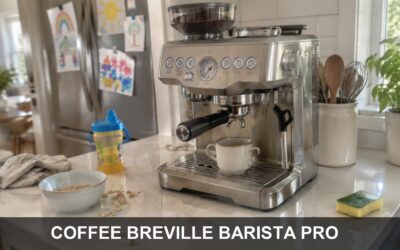
Popular mid-range consumer machines from brands like these generally last 5 to 10 years with regular care. The main variables are water hardness and descaling discipline: owners in hard-water areas who skip maintenance report failures much sooner, while diligent owners reach the upper end. Because spare parts and repair guides exist for many popular models, some failures are fixable rather than fatal. Filtered water, on-schedule descaling, and prompt seal replacement are what keep these machines running their full expected life.
What usually breaks first on an espresso machine?
The most common early failures are the pump, the heating element or thermoblock, and the gaskets and seals. Seals are wear items that harden and leak within a few years; on a serviceable machine they’re a cheap routine replacement. Scale from hard water accelerates pump and heater failure. On bean-to-cup machines, the grinder and brew unit add extra failure points. Whether a failure is fatal depends on repairability: cheap replaceable parts extend life, while sealed designs turn a small failure into a new purchase.
Does descaling really extend an espresso machine’s life?
Yes, significantly. Limescale from hard water is the leading cause of early espresso machine failure. It insulates and burns out heating elements, clogs narrow passages and the group head, and jams valves, all of which stress the pump. Regular descaling with a proper solution, combined with filtered or softened water, removes or prevents that buildup and is the single most effective thing you can do for longevity. Many failures blamed on brand quality are really years of skipped descaling in hard water.
Is it worth repairing an old espresso machine?
It depends on the machine’s design. Prosumer and quality mid-range machines are built to be serviced, with available gaskets, pumps, and parts diagrams, so repairs are often worthwhile and can add many years. Sealed budget and capsule machines are usually glued shut with proprietary parts, making significant repairs uneconomical. Before deciding, check whether spare parts are sold and whether the failure is a cheap wear item like a seal or an expensive component like a control board. Repairability is the deciding factor.
How long can a high-end espresso machine last?
Prosumer and semi-commercial machines with brass boilers and rebuildable groups can last 15 to 20 years or more. They achieve this not through indestructible parts but through serviceability: seals, pumps, and valves are replaced as they wear, so the machine is effectively renewed over time. Consistent descaling with filtered water is still essential, since even a brass boiler suffers from heavy scale. With that care and periodic rebuilds, these machines routinely outlast several generations of budget machines.
The Bottom Line
How long an espresso machine lasts comes down to type, construction, and care more than brand. Expect 3 to 5 years from budget and capsule machines, 5 to 10 from mid-range consumer and super-automatic models, and 10 to 20 or more from serviceable prosumer machines. The decisive factors are water quality and descaling, followed by repairability, since a machine you can open and fix outlives one that’s sealed shut. Use filtered water, descale on schedule, replace seals promptly, and even a modest machine will reach the top of its range. For picks and adjacent brewers, see our best espresso machine under 200, best coffee maker with grinder, and best grind and brew coffee maker guides, and pair any machine with a solid grinder from our best coffee grinder guide.


Write Your Review
No reviews yet. Be the first to share your experience!