

TL;DR — “Warping” on an espresso setup usually means one of two things: a thin metal part has physically bent, or your shots keep “drifting” from the same settings. Puck screens, cheap portafilter baskets, and hardened group gaskets deform under heat cycling and tamping pressure, causing leaks, uneven pucks, and dripping. Coffee that tastes different every day, though, is rarely the machine — it’s bean degassing, grinder temperature, and humidity shifting extraction. Fix the physical parts, then control the variables. For picks, see our best espresso machine under 200 guide.
The HomeWhisk editorial team researches kitchen equipment by studying manufacturer specifications, material behavior, and aggregated owner reviews from major retailers and communities like Reddit r/espresso and r/coffee. When people search “why is my espresso machine warping,” they usually mean one of two very different problems, so this guide covers both: the metal parts that genuinely deform, and the reason your shots seem to “warp” away from yesterday’s dial-in even though nothing on the dial moved.
What Actually Warps on an Espresso Machine
Espresso machines run hot. A group head sits between roughly 90 and 96 degrees Celsius during a shot, and thin stainless components heat and cool thousands of times over the machine’s life. Metal expands when heated and contracts when cooled, and parts that are thin, cheaply pressed, or made from a lower-grade alloy do not always return perfectly flat. That is real warping.
The components most prone to it are, in order: puck screens, portafilter baskets, group gaskets (which harden rather than warp, but feel the same to the user), and shower screens. The boiler, group head, and portafilter body are thick and machined, so they almost never warp under normal home use. If your “warping” shows up as a leak or a puck that comes out uneven, the culprit is one of the thin, replaceable parts, not the machine itself. That is good news, because it means a cheap fix rather than a new machine. If you are still shopping, our best espresso machine under 200 guide notes which models use thicker, better-machined baskets.
Puck Screens: The Part Most Likely to Bend
A puck screen is a thin metal mesh disc, usually 1.5 to 1.7 mm thick, that sits on top of the coffee bed to keep the group head clean and distribute water more evenly. It is also the single part people most often describe as “warping.”
The reason is mechanical. Many owners tamp with the puck screen already on top of the grounds, then lock the portafilter into a slightly domed group head. Over dozens of cycles, that pressure plus repeated heating leaves the disc slightly convex or dished. A domed puck screen no longer sits flat, so water can pool or channel around its edge, and it becomes fiddly to seat. The fix is straightforward: buy a thicker screen (1.7 mm holds its shape far better than the 0.8 mm ultra-thin ones), tamp the coffee first and place the screen after, and gently flatten a bent screen between two flat surfaces. Puck screens are consumables — expect to replace them periodically rather than treating a bent one as a machine fault.
Baskets, Gaskets, and Shower Screens
Portafilter baskets. Cheap single-wall baskets are stamped from thin steel and can deform if dropped, banged out hard against a knock box, or pried at. A deformed basket seats unevenly and can weep around the rim. Precision baskets, which are laser-drilled and thicker-walled, hold their shape and also produce more even extraction. If your basket rocks on a flat surface, it is bent, and replacing it is inexpensive.
Group gaskets. The rubber or silicone gasket that seals the portafilter to the group head does not warp so much as harden and shrink. Heat cycling slowly cures the rubber until it loses its squish, at which point the portafilter no longer seals, and coffee squirts or drips from the sides mid-shot. Owners often blame a “warped” group head, but the gasket is the part that failed. Gaskets are wear items, typically replaced every 12 to 24 months of regular use.
Shower screens. The dispersion screen under the group can clog with oils and, if thin, bow slightly. A clogged or bowed screen distributes water unevenly and contributes to channeling. Regular backflushing keeps it clean and flat.
None of these are catastrophic, and all are user-replaceable on most machines. If you would rather avoid the maintenance entirely, an all-in-one such as those in our best coffee maker with grinder or best coffee and espresso maker combo guides moves more of the mechanism inside a sealed unit.
When “Warping” Really Means Your Shots Are Drifting
Here is the part that surprises people: very often nothing is physically warped at all. The complaint is that the same grind setting, dose, and time produce a great shot one morning and a sour or gushing shot the next. The results “warp” while the settings stay put. Espresso is a moving target because the coffee itself changes underneath you.
Bean degassing. Freshly roasted coffee is full of trapped carbon dioxide. In the first two weeks off roast, beans release gas rapidly, and that gas resists water flow, so a fresh bag runs slow and can taste sour. As the bag ages, degassing slows, resistance drops, and the same grind suddenly gushes. This alone makes “same settings, different shot” a daily reality with fresh beans.
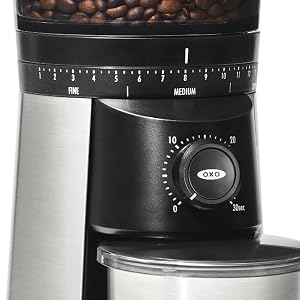
Grinder temperature. Burrs warm up as they work. A cold first grind of the day behaves slightly differently from the third or fourth, because warm burrs and static behave differently. This is why the first shot of the morning frequently misses. A quality grinder narrows this drift, which is why serious espresso drinkers spend on the grinder before the machine — see our best coffee grinder guide.
Humidity and air density. Coffee is hygroscopic; it absorbs moisture from the air. On a humid day, grounds clump and pack tighter, slowing flow; on a dry day they flow faster. Static electricity, worse in dry winter air, scatters fines and changes distribution. None of this touches your machine, yet it warps the outcome.
How to Keep Espresso Consistent
Professionals do not chase a single magic setting; they control the variables and re-dial as conditions move. You can do the same at home.
1. Weigh everything. Use a scale for both the dose in and the espresso out. Aim for a repeatable ratio, commonly around 1:2 (for example, 18 grams in to 36 grams out) over roughly 25 to 30 seconds, then adjust from there. 2. Purge and warm up. Run a blank shot of water through the group and let a warm-up grind pass through the grinder each morning so burrs and metal reach steady temperature before the cup that matters. 3. Re-dial as beans age. Expect to grind slightly finer as a bag degasses over its first two weeks, then adjust again as it fades. This is normal, not a malfunction. 4. Tamp level and consistent. Uneven tamping causes channeling that mimics equipment failure. Distribute the grounds, then tamp flat with steady pressure. 5. Backflush and replace wear parts. Clean the shower screen, swap a hardened gasket, and flatten or replace a bent puck screen on a schedule rather than waiting for a leak.
If the daily fuss is more than you want, a heat-free method sidesteps most of these variables entirely — our best cold brew coffee maker guide covers a route with almost no dial-in, and a best grind and brew coffee maker automates grinding and brewing for filter coffee.
Espresso Troubleshooting: Sour, Bitter, or Just Off
Two quick diagnostics separate a warped part from a drifting shot. Sour and thin usually means under-extraction: grind finer, raise the dose slightly, or check that a bent basket or domed puck screen isn’t letting water sprint around the edge. Bitter and harsh usually means over-extraction or channeling: grind coarser, and inspect the shower screen and gasket, because a clogged screen or leaking seal forces water through the path of least resistance rather than evenly through the bed. If the portafilter drips or sprays from the sides, suspect the gasket or a deformed basket rim first.
Frequently Asked Questions
Can heat actually warp an espresso machine?
The machine’s core parts — boiler, group head, and portafilter body — are thick and machined, so under normal home use they do not warp. What does deform is the thin, replaceable hardware: puck screens bend, cheap baskets deform if banged out, and rubber gaskets harden and shrink with heat cycling. If you notice leaks, dripping, or a puck that comes out uneven, replace those consumables rather than the machine. Genuine boiler or group damage is rare and usually the result of running dry or a manufacturing defect, not routine heat.
Why does my puck screen keep bending?
Because it is thin and it is being pressed. Ultra-thin screens around 0.8 mm dome easily, especially if you tamp with the screen already sitting on the grounds and then lock into a curved group head. Switch to a thicker 1.7 mm screen, place the screen after tamping rather than before, and gently flatten a bent one between two flat surfaces. Puck screens are consumables and will not last forever, so periodic replacement is normal maintenance, not a sign your machine is failing.
Why does my espresso taste different every day with the same settings?
Because the coffee changes even when the dial does not. Fresh beans release carbon dioxide as they degas over their first two weeks, which slows and then speeds water flow. Burrs grind slightly differently cold versus warm, so the first shot of the day often misses. Humidity makes grounds pack tighter or looser. All three shift extraction without any equipment fault. The fix is to weigh your dose and yield, warm up the machine and grinder, and re-dial the grind as the bag ages.
Why is my espresso machine leaking around the portafilter?
The most common cause is a worn group gasket. Heat gradually hardens and shrinks the rubber or silicone seal until the portafilter no longer locks tightly, and water escapes around the edge during the shot. A deformed basket rim or an over-domed puck screen can also break the seal. Gaskets are inexpensive wear items usually replaced every one to two years; swapping one typically stops the leak. Check the basket for rocking and the screen for doming before assuming a bigger problem.
Should I replace a warped portafilter basket?
Yes, if it is genuinely deformed. Set the basket on a flat surface — if it rocks, it is bent and will seat unevenly, which causes weeping and uneven extraction. Baskets are cheap, and upgrading to a precision, laser-drilled basket often improves shot consistency as a bonus because the holes are more uniform. Avoid deforming baskets in the first place by knocking spent pucks out gently rather than slamming the portafilter against a hard knock box edge.
Does a better grinder fix inconsistency more than a new machine?
For most home setups, yes. The grinder controls particle size, and uneven or drifting grind is the leading cause of shots that vary day to day. A cheap grinder produces more fines and shifts more between cold and warm burrs, so results wander even on an excellent machine. Upgrading the grinder narrows that drift and makes every other adjustment repeatable. If you are deciding where to spend, prioritize the grinder — our best coffee grinder guide covers espresso-capable options with fine, precise adjustment.
The Bottom Line
“Why is my espresso machine warping” almost never points to a ruined machine. If a part has physically bent, it is a thin consumable — a puck screen, a cheap basket, a hardened gasket, or a clogged shower screen — and each is inexpensive and user-replaceable. If instead your shots keep drifting from the same settings, the machine is fine and the coffee is moving: degassing beans, warming burrs, and changing humidity are shifting extraction under you. Replace worn parts on a schedule, weigh your shots, warm everything up, and re-dial as beans age. Do that and consistency becomes control rather than luck. For machines and the grinders that feed them, see our best espresso machine under 200 and best coffee grinder guides.

Aerkana
20 Bar Espresso Machine with Milk Frother for Home
This 20-bar semi-automatic espresso maker brews café-quality espresso and froths milk with a powerful steam wand, delivering rich crema and silky microfoam in under 30 seconds of preheating. Buy it if you want barista-level coffee at home without the learning curve or if you need a compact machine for a small kitchen or office.
Pros and Cons
Pros
- 20-bar pump with pressure gauge delivers consistent extraction and café-quality espresso with visible crema.
- High-performance steam wand froths milk into velvety microfoam quickly, enabling latte art for beginners.
- Compact stainless steel design fits small kitchens and offices while looking modern on any counter.
Cons
- Machine requires cooldown between milk frothing and espresso brewing, or overheat protection activates.
- Preheating and priming procedures add 2–3 minutes to first-use setup and after storage.

Spacekey
Home Espresso and Milk Drinks: Spacekey CM5080 20-Bar Compact Espresso Machine
The Spacekey CM5080 brews espresso, Americanos, cappuccinos, lattes, and mochas, with 45-second preheating as its biggest time-saving advantage. It suits home coffee drinkers who want a compact semi-automatic machine with PID temperature control, pre-soaking, and an adjustable steam wand.
Pros and Cons
Pros
- A 20-bar pump, pre-soak function, and PID control support more controlled espresso extraction.
- Fast 45-second preheating reduces waiting before brewing.
- Americano mode provides an additional black coffee option alongside espresso.
- The 360-degree adjustable steam nozzle is removable for easier cleaning.
Cons
- The manual steam wand and control dial require more involvement than a one-touch automatic machine.
- The machine may need a 10-second hot-water priming cycle before first use or if excess pressure prevents brewing.
The Best Deals This Week*
-
Aerkana 20 Bar Espresso Machine with Milk Frother
$99.99
($159.99)Save $60.00 -
Home Espresso and Milk Drinks
$99.99
($159.99)Save $60.00
*Deals are selected by our commerce team
Espresso Machine Repair Made Simple: A Step-by-Step DIY Guide to Troubleshooting and Maintenance Without Calling a Technician

Espresso Machine Repair Made Simple: A Step-by-Step DIY Guide to Troubleshooting and Maintenance Without Calling a Technician
$4.99 at AmazonEditors' Favorite
Formats: Kindle eBook Product Group: Digital Ebook Purchas Binding: Kindle Edition
Shop NowThe Best Espresso Machine: Take Look www.es7a.com What is The Best Espresso Machine for me?

The Best Espresso Machine: Take Look www.es7a.com What is The Best Espresso Machine for me?
$1.00 at AmazonGreat Value
Formats: Kindle eBook Product Group: Digital Ebook Purchas Binding: Kindle Edition
Shop NowThe Home Espresso Machine Owner’s Handbook: A Practical User Guide for Setup, Grinding, Shot Timing, Pressure Troubleshooting, Milk Steaming, Cleaning, and Easy Café-Style Recipes

The Home Espresso Machine Owner’s Handbook: A Practical User Guide for Setup, Grinding, Shot Timing, Pressure Troubleshooting, Milk Steaming, Cleaning, and Easy Café-Style Recipes
$8.99 at AmazonFormats: Kindle eBook Product Group: Digital Ebook Purchas Binding: Kindle Edition
Shop NowAerkana 20 Bar Espresso Machine with Milk Frother for Home
Aerkana
20 Bar Espresso Machine with Milk Frother for Home
This 20-bar semi-automatic espresso maker brews café-quality espresso and froths milk with a powerful steam wand, delivering rich crema and silky microfoam in under 30 seconds of preheating. Buy it if you want barista-level coffee at home without the learning curve or if you need a compact machine for a small kitchen or office.
$99.99 at AmazonOther Special Features of the Product: Auto Shut-Off, Cup Warmer, Hot Water Dispenser, Milk Frother, Removable Tank Coffee Maker Type: Espresso Machine Specific Uses For Product: Americano, Birthday Gft for Women, Men, Cappuccino, Espresso, Espresso, Cappuccino, latte machine for Home or Office Use, Fathers Day Gifts, Gift for Father, Mother, Family, Friends, Coffee Lovers, Latte Wattage: 1450 watts Coffee Input Type: Ground Capacity: 1 Liters Item Dimensions D x W x H: 12.2"D x 5.32"W x 11.5"H Color: Silver Brand Name: AERCANA Included Components: Filter, Milk Frother Model Name: ST-699B Model Number: ST-699B Manufacturer: AERCANA Warranty Description: 2 Part Number: ST-699B Best Sellers Rank: #245,695 in Home & Kitchen (See Top 100 in Home & Kitchen) #71 in Semi-Automatic Espresso Machines ASIN: B0GY74JMX3 Customer Reviews: 5.0 5.0 out of 5 stars (9) 5.0 out of 5 stars Brand: AERCANA Product Dimensions: 12.2"D x 5.32"W x 11.5"H Special Feature: Auto Shut-Off, Cup Warmer, Hot Water Dispenser, Milk Frother, Removable Tank
Shop NowSpacekey Home Espresso and Milk Drinks: Spacekey CM5080 20-Bar Compact Espresso Machine
Spacekey
Home Espresso and Milk Drinks: Spacekey CM5080 20-Bar Compact Espresso Machine
The Spacekey CM5080 brews espresso, Americanos, cappuccinos, lattes, and mochas, with 45-second preheating as its biggest time-saving advantage. It suits home coffee drinkers who want a compact semi-automatic machine with PID temperature control, pre-soaking, and an adjustable steam wand.
$99.99 at AmazonColor: Silver Size: Silver Dimensions: 13.19 x 7.44 x 14.37 inches Product Group: Kitchen
Shop Now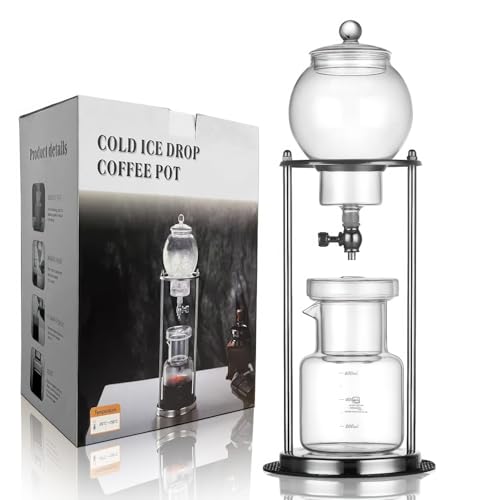



Write Your Review
No reviews yet. Be the first to share your experience!