

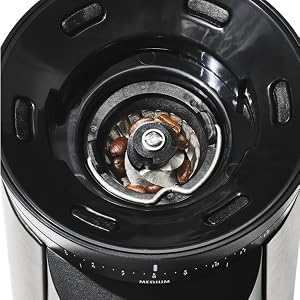
TL;DR — A “dry” espresso usually means one of two things: the shot tastes dry and astringent (mouth-puckering, papery), or the puck left in the portafilter is dry and crumbly. Both point to the same root causes — over-extraction from too fine a grind, too long a shot, or too high a temperature, or a puck-prep and grinder problem. The fix is to grind slightly coarser, dose consistently, dial your shot to roughly 1:2 (double the dry coffee weight out in 25–30 seconds), and — most importantly — use a decent burr grinder so the grind is even. For grinder picks, see our best coffee grinder guide.
The HomeWhisk editorial team researches coffee equipment by analyzing machine and grinder specifications, extraction science, and aggregated user reviews from major retailers and coffee communities like Reddit’s r/espresso and r/coffee. Our guidance is based on how extraction actually works, not on guesswork.
“Why is my espresso too dry” is an awkward phrase for a very real experience: a shot that tastes harsh, drying, and astringent — like over-steeped tea coating your tongue — or a puck that comes out dry and cracked instead of a clean, firm disc. Both are symptoms of the same underlying variables. This guide walks through what “dry” actually means in the cup, how to read your puck, and the specific dials to turn to fix it. Because the grinder is the biggest lever, we’ll return to it throughout; our best coffee grinder guide covers the machines that make the difference.
What “Dry” Espresso Actually Means
Astringency — that dry, puckering sensation — is not the same as bitterness. It’s a tactile feeling caused by compounds (largely from over-extraction and certain chlorogenic acid breakdown products) that bind to proteins in your saliva, stripping the mouth of its natural lubrication. When people say espresso tastes “dry,” they usually mean this astringent, tannic, papery finish.
It typically signals over-extraction: water has pulled too much out of the grounds, dragging out the harsh, drying compounds that come late in extraction after the sweet and acidic ones. The other common meaning of “dry” is physical — the spent puck is dry, crumbly, or cracked when you knock it out. That points to puck prep, dose, and grind issues. The good news is that the same handful of variables control both.
Grind Size: The Single Biggest Cause
Espresso is a pressure-driven brew, and grind size controls how fast water can pass through the coffee bed. Grind too fine and water moves too slowly, staying in contact with the grounds far too long — the shot chokes, drips out over 40-plus seconds, and over-extracts into that dry, astringent, bitter territory.
The fix is to grind slightly coarser and watch the shot speed. But grind consistency matters just as much as size. A blade grinder or a worn, cheap grinder produces a chaotic mix of dust and boulders; the dust over-extracts (dry, bitter) while the boulders under-extract (sour, weak) in the same shot, so you get astringency and sourness at once and can never truly dial it in. A quality burr grinder crushes beans to a uniform size so every particle extracts at the same rate — which is why serious baristas call the grinder more important than the machine. See our best coffee grinder guide, and if you’d rather not buy separates, our best coffee maker with grinder guide covers built-in burr options.
Dialing In the Shot: Dose, Ratio, and Time
Once your grinder is sound, three numbers give you a repeatable target.
- Dose: the dry coffee weight, typically 18–20 g in a standard double basket. Weigh it every time; eyeballing is the fastest way to inconsistency.
- Ratio (yield): aim for about 1:2 — roughly double the dose out. An 18 g dose should pull about 36 g of espresso in the cup.
- Time: target roughly 25–30 seconds from the moment the pump starts.
If your shot runs long (say 40 g out over 45 seconds), it’s over-extracting and will taste dry — grind coarser or reduce the dose slightly. If it gushes (36 g in 15 seconds), it’s under-extracting and tastes sour and thin — grind finer. Change one variable at a time. Lowering brew temperature a few degrees also tames astringency for dark roasts. If you’re on a budget machine that struggles to hold pressure and temperature, our best espresso machine under 200 guide covers models that stay consistent enough to dial in.
Reading the Puck: What It Tells You
The spent puck is a free diagnostic. After a good shot, it should knock out as a firm, intact disc, slightly damp, that holds its shape. Deviations tell a story:
- Dry, crumbly, cracked puck: often too little coffee for the basket (low dose leaves headspace so the puck never compacts), or the machine’s pressure profile. Add a gram or two, or size the basket to your dose.
- Soupy, wet, muddy puck: usually the opposite — under-dosed or the drainage after the shot; common and mostly cosmetic, but persistent sludge can mean grind too fine.
- A hole or crater with grounds sprayed on the screen: channeling — water punched a path through a weak spot instead of flowing evenly, causing simultaneous over- and under-extraction (and that dry taste). Fix with better distribution and a level, consistent tamp.
Puck appearance is a clue, not gospel — taste is the final judge — but a consistently ugly puck flags a prep or grind problem worth fixing.
Puck Prep and Distribution
Uneven grounds in the basket cause channeling, and channeling is a leading cause of astringent, dry-tasting shots even when your grind and ratio look right. Two habits fix most of it. First, distribute the grounds so the bed is even before tamping — a gentle tap-and-level, a distribution tool, or the “Weiss distribution technique” (stirring with a thin needle) all break up clumps. Second, tamp level and consistent — the goal is a flat, even bed, not brute force; an uneven tamp tilts the bed and water races down the low side. Consistency beats pressure. Clumpy grinds from a poor grinder make even distribution impossible, which loops back to why the grinder matters most.
The Other Suspects: Water, Cleaning, and Beans
Three background factors quietly cause dry, harsh shots. Water: distilled or very soft water under-extracts and tastes flat, while very hard water scales up the machine and skews flavor; a balanced mineral content extracts cleanly. Cleaning: old coffee oils turn rancid and astringent, so backflush the group head and clean the basket and screen regularly — a neglected machine makes every shot taste worse. Beans: stale beans (weeks past roast) and very dark, oily roasts lean bitter and drying; fresh beans rested about a week off roast pull sweeter. None of these replace dialing in grind and ratio, but they explain why a “correct” shot can still taste dry. Our best coffee grinder guide pairs naturally with fresh beans for the biggest jump in quality.
If dialing in shots isn’t your idea of fun, an all-in-one setup removes most of these variables: a best grind and brew coffee maker handles grind and dose automatically, and a best coffee and espresso maker combo lets you make espresso-style drinks and regular coffee from one machine. And when the weather turns and you’d rather skip hot extraction entirely, a best cold brew coffee maker sidesteps astringency altogether by brewing cold and slow — no dry, over-extracted finish to troubleshoot.
Frequently Asked Questions
Why is my espresso watery on my De’Longhi (or similar) machine?
Watery, thin espresso is under-extraction — the opposite of dry — usually from a grind that’s too coarse, too low a dose, or a pressurized basket that aerates the shot rather than building real resistance. On many entry De’Longhi and similar machines, the default pressurized basket produces fake crema and weak body. Grind finer, increase the dose to fill the basket, aim for a 1:2 ratio in 25–30 seconds, and consider a non-pressurized basket paired with a good grinder. See our best coffee grinder and best espresso machine under 200 guides.
How do I fix a wet, muddy coffee puck?
A soupy puck is usually harmless and comes from headspace and post-shot drainage, but if it’s paired with weak, fast shots, your grind may be too coarse or your dose too low. Try increasing the dose by a gram or two so the puck compacts against the screen, and grind slightly finer to slow the flow. A firm, level tamp helps the bed hold together. If the puck is consistently a wet mess and the shot tastes sour, dial the grind finer one step at a time.
Why does my espresso taste bitter as well as dry?
Bitterness and astringency often travel together because both come from over-extraction. When water spends too long pulling from the grounds — a too-fine grind, an over-long shot, or too-hot water — it extracts the harsh late-stage compounds. Grind a touch coarser, shorten the yield toward a 1:2 ratio in about 25–30 seconds, and drop the brew temperature slightly, especially for dark roasts. Clean the machine, too: rancid oils add their own bitter, drying edge. Change one variable per shot so you can tell what worked.
What should a good espresso puck look like?
A well-pulled puck should be a firm, intact disc that holds its shape when you knock it out, slightly damp but not soupy, with a smooth, even top and no craters or holes. A crater or grounds sprayed onto the group screen signals channeling; a dry, crumbly puck often means the basket was under-dosed; a wet, muddy puck usually just reflects normal drainage. Use the puck as a clue alongside taste and shot time rather than a standalone verdict.
Is my grinder really the problem?
Very often, yes. Espresso is unforgiving of uneven grinds, and a blade grinder or a low-quality burr grinder produces both dust and boulders, guaranteeing simultaneous over- and under-extraction — which reads as dry, bitter, and sour all at once. No amount of dialing in the machine can compensate for an inconsistent grind. Upgrading to a burr grinder with fine, repeatable adjustment is the highest-impact change most home baristas can make. Our best coffee grinder guide covers espresso-capable options.
Can bad water make espresso taste dry?
It can. Water is about 98% of the drink, so its mineral content directly affects extraction. Very soft or distilled water under-extracts and tastes flat and hollow, while very hard water scales the machine and can push flavors toward harsh. A balanced, moderately mineralized water extracts sweetness and body cleanly. If your tap water is very hard or heavily chlorinated, filtered or purpose-blended brewing water can noticeably reduce a dry, harsh finish. It won’t replace dialing in grind and ratio, but it removes one hidden variable.
The Bottom Line
A dry, astringent espresso — or a dry, crumbly puck — is almost always a sign of over-extraction or an inconsistent grind. Start at the grinder: an even, repeatable grind from a quality burr grinder is the foundation everything else builds on. Then dial in with numbers, not vibes: weigh an 18–20 g dose, pull toward a 1:2 ratio in 25–30 seconds, distribute and tamp level, and adjust grind coarser if the shot runs long and tastes dry. Clean the machine, use balanced water, and brew fresh beans. Fix those and the dryness disappears. For picks, see our best coffee grinder, best coffee maker with grinder, and best espresso machine under 200 guides.
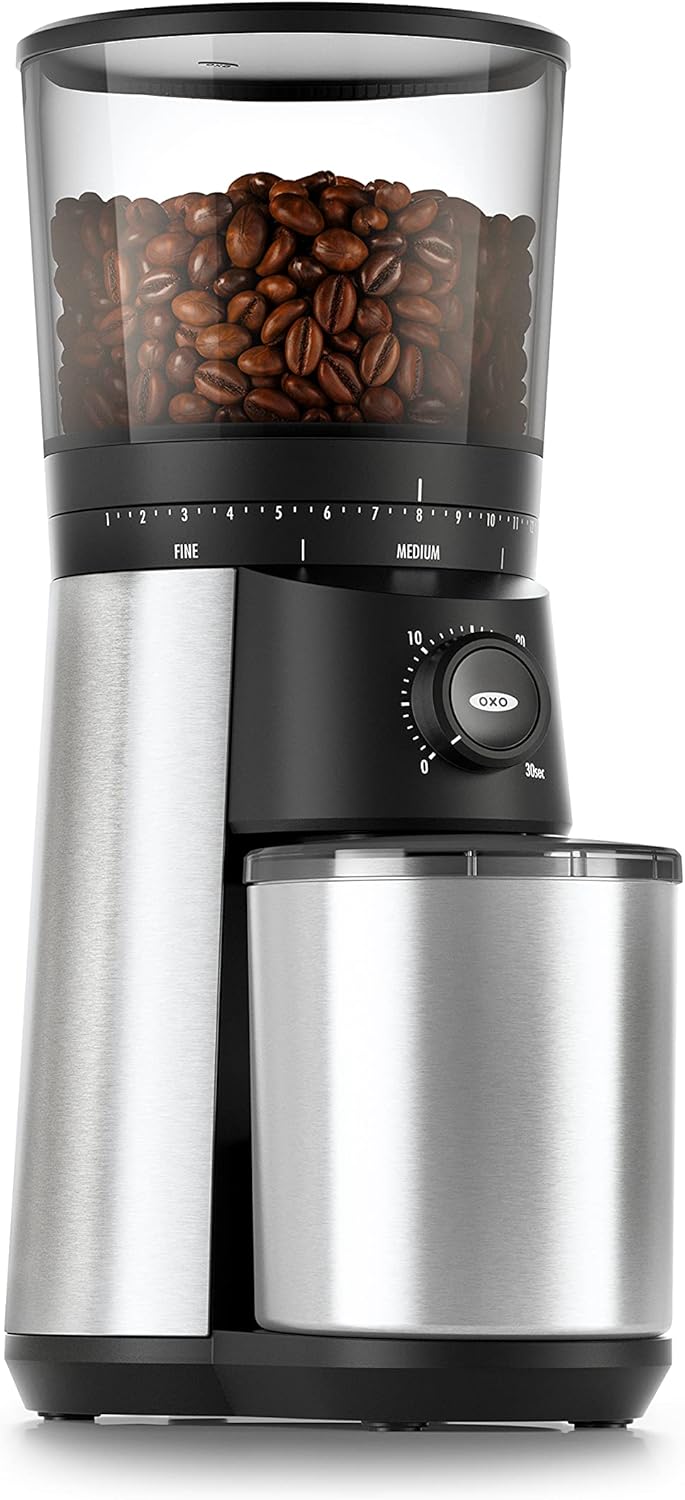
Best Conical Burr Coffee Grinder for Home Espresso and French Press - OXO Brew Stainless Steel Electric
The OXO Brew Conical Burr Grinder delivers uniform grounds across 15 settings with micro-adjustments, making it versatile enough for espresso, drip, and French press without the mess or static common in cheaper grinders. Buy it if you brew multiple styles at home and want consistent results without resetting preferences every morning.
Pros and Cons
Pros
- 43 micro-adjustments between 15 main settings give precise control for dialing in espresso or switching between brew methods without guesswork.
- Powerful DC motor grinds quietly and stays cool, preventing heat buildup that can degrade coffee flavor during longer grind sessions.
- Named Wirecutter's top pick in 2025 for grind consistency and ease of use, backed by over 22,000 verified buyer ratings averaging 4.3 stars.
Cons
- Grounds container capacity is smaller than the hopper, so grinding the full 12 ounces at once requires emptying the cup midway or using a separate container.
- No built-in scale or dosing by weight, which means espresso users who demand shot-to-shot precision will need to weigh separately.

Cuisinart
DBM-8P1 Burr Coffee Grinder with 18 Grind Settings for Fresh Ground Beans at Home
This electric burr grinder delivers consistent grounds across 18 settings from espresso-fine to French press coarse, with automatic shutoff and removable parts for quick cleanup. Buy it if you brew multiple coffee styles and want fresh-ground flavor without manual grinding or messy blade choppers.
Pros and Cons
Pros
- 18-position grind selector covers every brew method from Turkish coffee to cold brew, eliminating the need for multiple grinders.
- One-touch operation with separate power bar and electric timer requires no manual monitoring once started.
- Removable hopper and chamber design allows thorough cleaning between bean types to prevent flavor crossover.
- Black stainless finish resists fingerprints and matches most kitchen appliances without showing wear quickly.
Cons
- Static buildup can cause fine grounds to cling to the chamber walls, requiring a tap or brush sweep after each grind.
- Hopper holds only 3.2 ounces of beans despite the 18-cup capacity claim, so you may need to refill mid-grind for large batches.

BLACK+DECKER One Touch Coffee Grinder for Fresh Beans, Spices & Herbs - 2/3 Cup Capacity with Stainless Steel Blades
This electric blade grinder delivers uniform coffee grounds in seconds with one-touch operation and stainless steel blades that handle beans, spices, and grains. Buy it if you want fresh-ground coffee daily without the bulk or price of a burr grinder.
Pros and Cons
Pros
- Intuitive one-button operation requires no learning curve and works reliably for daily use.
- Durable stainless steel construction outlasts plastic grinder bowls that crack or stain over time.
- Lid safety lock eliminates spills and prevents the motor from running when improperly assembled.
Cons
- Blade grinders produce less consistent particle size than burr grinders, which matters for precision brewing methods like pour-over.
- 2/3 cup capacity requires multiple batches for large households or meal prep tasks like grinding spice blends in bulk.

AmazonBasics
Fast Coffee Bean Grinder for Daily Brewing | Amazon Basics Electric Blade Grinder with Stainless Steel Blade
This electric grinder pulverizes 30 grams of coffee beans in 10 seconds with a heavy-duty stainless steel blade, delivering consistent grounds for drip brewing. Buy it if you want fresh coffee daily without investing in expensive grinder equipment or need a multipurpose tool for spices and nuts.
Pros and Cons
Pros
- Achieves fine, even grounds suitable for drip coffee makers in seconds.
- Stainless steel blade construction resists corrosion and maintains sharpness over time.
- Clear lid with safety lock prevents accidental spills and lets you monitor grind progress.
- Affordable entry point for home grinding without sacrificing build quality.
Cons
- Blade-style grinding can produce less uniform particle size compared to burr grinders.
- Small 30-gram capacity requires multiple batches for larger households or entertaining.
The Best Deals This Week*
-
Best Conical Burr Coffee Grinder for Home Espresso
$98.99
($109.99)Save $11.00 -
Cuisinart DBM-8P1 Burr Coffee Grinder with 18
$53.99
($74.95)Save $20.96
*Deals are selected by our commerce team
Best Conical Burr Coffee Grinder for Home Espresso and French Press - OXO Brew Stainless Steel Electric
Best Conical Burr Coffee Grinder for Home Espresso and French Press - OXO Brew Stainless Steel Electric
The OXO Brew Conical Burr Grinder delivers uniform grounds across 15 settings with micro-adjustments, making it versatile enough for espresso, drip, and French press without the mess or static common in cheaper grinders. Buy it if you brew multiple styles at home and want consistent results without resetting preferences every morning.
$98.99 at AmazonEditors' Favorite
Brand Name: OXO Manufacturer Warranty Description: Two-Year Warranty Global Trade Identification Number: 00719812093611 Manufacture Year: 2025 Manufacturer: OXO UPC: 719812093611 Manufacturer Part Number: 8717000 Model Number: 8717000 Unit Count: 50.56 Ounce Item Type Name: Grinder Included Components: grinder Best Sellers Rank: #2,771 in Home & Kitchen (See Top 100 in Home & Kitchen) #2 in Burr Coffee Grinders ASIN: B07CSKGLMM Customer Reviews: 4.3 4.3 out of 5 stars (22,941) 4.3 out of 5 stars Item Weight: 4.5 Pounds Item Dimensions L x W x H: 7.5"L x 5.3"W x 12.9"H Capacity: 0.34 Kilograms Wattage: 100 watts Voltage: 120 Volts Recommended Uses For Product: Grinding coffee beans Specific Uses For Product: Grinding Color: Silver Style Name: Silver Burr Coffee Grinder Material Type: Stainless Steel Power Source: Electric Brand: OXO Material: Stainless Steel Style: Silver Burr Coffee Grinder
Shop NowCuisinart DBM-8P1 Burr Coffee Grinder with 18 Grind Settings for Fresh Ground Beans at Home
Cuisinart
DBM-8P1 Burr Coffee Grinder with 18 Grind Settings for Fresh Ground Beans at Home
This electric burr grinder delivers consistent grounds across 18 settings from espresso-fine to French press coarse, with automatic shutoff and removable parts for quick cleanup. Buy it if you brew multiple coffee styles and want fresh-ground flavor without manual grinding or messy blade choppers.
$53.99 at AmazonGreat Value
Brand Name: Cuisinart Manufacturer Warranty Description: Limited 18-month Warranty Global Trade Identification Number: 20086279193791 Manufacturer: Cuisinart Manufacturer Part Number: DBM-8P1 Model Number: DBM-8P1 Unit Count: 1.0 Count Item Type Name: Coffee Grinder Included Components: Burr Mill Best Sellers Rank: #1,558 in Home & Kitchen (See Top 100 in Home & Kitchen) #1 in Burr Coffee Grinders ASIN: B00018RRRK Customer Reviews: 4.2 4.2 out of 5 stars (48,689) 4.2 out of 5 stars Color: Stainless Steel Material Type: Stainless Steel Power Source: Electric Item Weight: 4.5 Pounds Item Dimensions L x W x H: 7.13"L x 6"W x 10.75"H Capacity: 0.23 Kilograms Wattage: 500.0 Voltage: 110 Volts Recommended Uses For Product: Home Specific Uses For Product: Personal Style Name: Supreme Grind Brand: Cuisinart Material: Stainless Steel Style: Supreme Grind
Shop NowBLACK+DECKER One Touch Coffee Grinder for Fresh Beans, Spices & Herbs - 2/3 Cup Capacity with Stainless Steel Blades
BLACK+DECKER One Touch Coffee Grinder for Fresh Beans, Spices & Herbs - 2/3 Cup Capacity with Stainless Steel Blades
This electric blade grinder delivers uniform coffee grounds in seconds with one-touch operation and stainless steel blades that handle beans, spices, and grains. Buy it if you want fresh-ground coffee daily without the bulk or price of a burr grinder.
$25.99 at AmazonBrand Name: BLACK+DECKER Manufacturer Warranty Description: 2 years manufacturer limited Global Trade Identification Number: 00050875825598 Manufacturer: Black+ Decker UPC: 050875825598 Manufacturer Part Number: CBG110S Model Number: CBG110S Item Type Name: One Touch Push-Button Control Included Components: Coffee Grinder, Coffee Grinder, Grinder Bowl, Grinder Bowl Best Sellers Rank: #963 in Home & Kitchen (See Top 100 in Home & Kitchen) #2 in Electric Coffee Blade Grinders ASIN: B07Z8G97PY Customer Reviews: 4.6 4.6 out of 5 stars (18,881) 4.6 out of 5 stars Color: Stainless Steel Material Type: Stainless Steel Power Source: Electric Item Weight: 0.65 Kilograms Item Dimensions L x W x H: 3.5"L x 3.4"W x 7.28"H Capacity: 56.6 Grams Wattage: 130 Voltage: 120 Volts Recommended Uses For Product: Coffee Bean Grinding, Grains, Herbs, Spices Specific Uses For Product: Grinding Style Name: Safety Brand: BLACK+DECKER Material: Stainless Steel Style: Safety
Shop NowAmazonBasics Fast Coffee Bean Grinder for Daily Brewing | Amazon Basics Electric Blade Grinder with Stainless Steel Blade
AmazonBasics
Fast Coffee Bean Grinder for Daily Brewing | Amazon Basics Electric Blade Grinder with Stainless Steel Blade
This electric grinder pulverizes 30 grams of coffee beans in 10 seconds with a heavy-duty stainless steel blade, delivering consistent grounds for drip brewing. Buy it if you want fresh coffee daily without investing in expensive grinder equipment or need a multipurpose tool for spices and nuts.
$18.71 at AmazonBrand Name: Amazon Basics Global Trade Identification Number: 04897074551066 Manufacturer: Amazon Manufacturer Part Number: CG9402-UL Model Number: CG9402-UL Unit Count: 1.0 Count Best Sellers Rank: #294 in Our Brands (See Top 100 in Our Brands) #1 in Electric Coffee Blade Grinders ASIN: B07SYTRPSG Customer Reviews: 4.4 4.4 out of 5 stars (18,600) 4.4 out of 5 stars Color: Stainless Steel Material Type: Stainless Steel Item Weight: 1.54 Pounds Item Dimensions L x W x H: 3.72"L x 3.5"W x 6.9"H Capacity: 2.1 ounces Voltage: 120 Volts Recommended Uses For Product: Grinding coffee beans, herbs, spices, grains, and nuts for home use Specific Uses For Product: Grinding Style Name: Modern Brand: Amazon Basics Material: Stainless Steel Style: Modern
Shop Now


Write Your Review
No reviews yet. Be the first to share your experience!