

TL;DR — If your chef knife isn’t cutting the way it used to, it’s almost always dull or in need of honing — not broken. A knife dulls as the fine edge rolls over or wears from use and contact with hard surfaces. Honing with a steel realigns that bent edge and restores bite in seconds; sharpening on a stone or system removes metal to create a new edge when honing no longer helps. Cutting boards, storage, and technique also affect how fast an edge fades. For picks, see our best chef knife guide.
The HomeWhisk editorial team researches kitchen equipment by analyzing manufacturer specifications, steel and edge-geometry data, and aggregated owner reviews from major retailers and communities like Reddit r/chefknives. “Why isn’t my chef knife cutting anymore?” is one of the most common kitchen frustrations, and the fix is usually simpler than people fear. This guide explains why knives lose their edge, the crucial difference between honing and sharpening, how to bring a blade back, and the habits that keep it sharp longer.
Why a Chef Knife Loses Its Edge
A knife cuts because its edge tapers to an extremely thin apex — often just a few microns wide. That fine edge is fragile, and two things degrade it.
First, the edge rolls or bends. Every time the blade strikes a cutting board or twists through dense food, the delicate apex folds slightly to one side. The steel is still there, but the edge is no longer aligned straight, so it stops biting and starts sliding. This is the most common reason a knife feels dull surprisingly fast, and it’s completely reversible.
Second, the edge wears away. Over longer use, friction and micro-chipping actually remove metal from the apex, rounding it off. No amount of realigning fixes this — the edge has to be reground. Harder steels (many Japanese knives, higher Rockwell hardness around 60-63 HRC) hold an edge longer but chip more easily; softer Western steels (around 55-58 HRC) roll sooner but are tougher and easier to sharpen.
Understanding which is happening — a rolled edge versus a worn one — tells you whether you need to hone or to sharpen. If your knife is old, cheaply made, or has visible chips, it may simply be time to upgrade; our best chef knife and best chef knife under 100 guides cover strong options at every budget.
Honing vs Sharpening: The Distinction That Fixes Most Dull Knives
This is the single most misunderstood point in knife care, and getting it right solves most “dull knife” complaints.
Honing does not sharpen. A honing steel (the long rod that comes in most knife blocks) doesn’t remove metal — it pushes the rolled-over edge back into straight alignment. It’s maintenance you do frequently, and it restores cutting performance in seconds when the edge has simply bent. A knife that “went dull” after a week of use is usually just misaligned and needs honing, not sharpening.
Sharpening removes metal to grind a fresh apex when the edge is genuinely worn or damaged. You do this occasionally — every few months to a year for a home cook, depending on use — with a whetstone, guided system, or pull-through sharpener. Sharpening is what people usually mean by “make it sharp again,” but it’s the less frequent task.
The practical rhythm: hone often (many cooks do it every use or every few uses), sharpen rarely. If honing no longer brings the edge back, that’s your signal it’s time to sharpen. Confusing the two is why so many people think their knife “won’t get sharp” — they’re honing a worn edge that needs regrinding, or sharpening constantly and wearing the blade down.
How to Hone a Chef Knife Correctly
Honing takes ten seconds once you know the motion, and doing it right is what keeps a knife feeling sharp between sharpenings.
1. Hold the honing steel vertically, tip down on a cutting board or stable surface (safer for beginners than holding it horizontally). 2. Set the blade against the top of the steel at roughly a 15-20 degree angle — for most Western knives, about the thickness of two stacked coins under the spine. Japanese knives often want a shallower angle (closer to 15 degrees or less); check the maker’s spec. 3. Draw the blade down and toward you in a smooth sweep, moving from heel to tip so the whole edge contacts the steel, keeping that angle constant. 4. Alternate sides with each stroke. Four to six light strokes per side is plenty. 5. Use light pressure — you’re aligning the edge, not grinding it. Pressing hard does nothing useful and can damage the edge.
The most common mistake is an inconsistent angle, which is also why some pull-through sharpeners “don’t work” for people — they grind at a fixed angle that may not match the blade, or too aggressively. A consistent, correct angle matters more than the tool.
How to Sharpen When Honing Isn’t Enough
When honing stops restoring the edge, the apex is worn and needs regrinding. You have three main routes.
A whetstone gives the most control and the best results, and it’s how enthusiasts sharpen. Soak or wet the stone, hold a consistent angle (again ~15-20 degrees), and draw the blade across a coarse grit (around 400-1000) to set a new edge, then a finer grit (3000-6000) to refine it, working both sides evenly until a slight burr forms and is removed. It has a learning curve but is the gold standard.
A guided or pull-through sharpener trades control for convenience: it holds a preset angle so you just draw the blade through. Multi-stage models (coarse then fine slots) work reasonably for Western knives, but cheap ones remove too much metal and can leave a rough edge, which is why they get mixed reviews. They’re a fine choice for beginners who want simplicity over perfection.
For a valuable knife you don’t want to risk, professional sharpening is worth the small cost. Whichever route you pick, the goal is the same: a new, aligned apex you then maintain with regular honing. If your current knife is low quality and won’t hold any edge, better steel is the real fix — see our best japanese chef knife and best chef knife set guides. A matched best knife sets purchase can be more economical if several of your knives are past their prime, and note that a serrated best bread knife is sharpened and maintained differently — its scalloped edge is honed rarely and usually sent out for professional sharpening rather than run over a steel.
Habits That Keep a Chef Knife Sharp Longer
How you use and store a knife affects edge life as much as sharpening does.
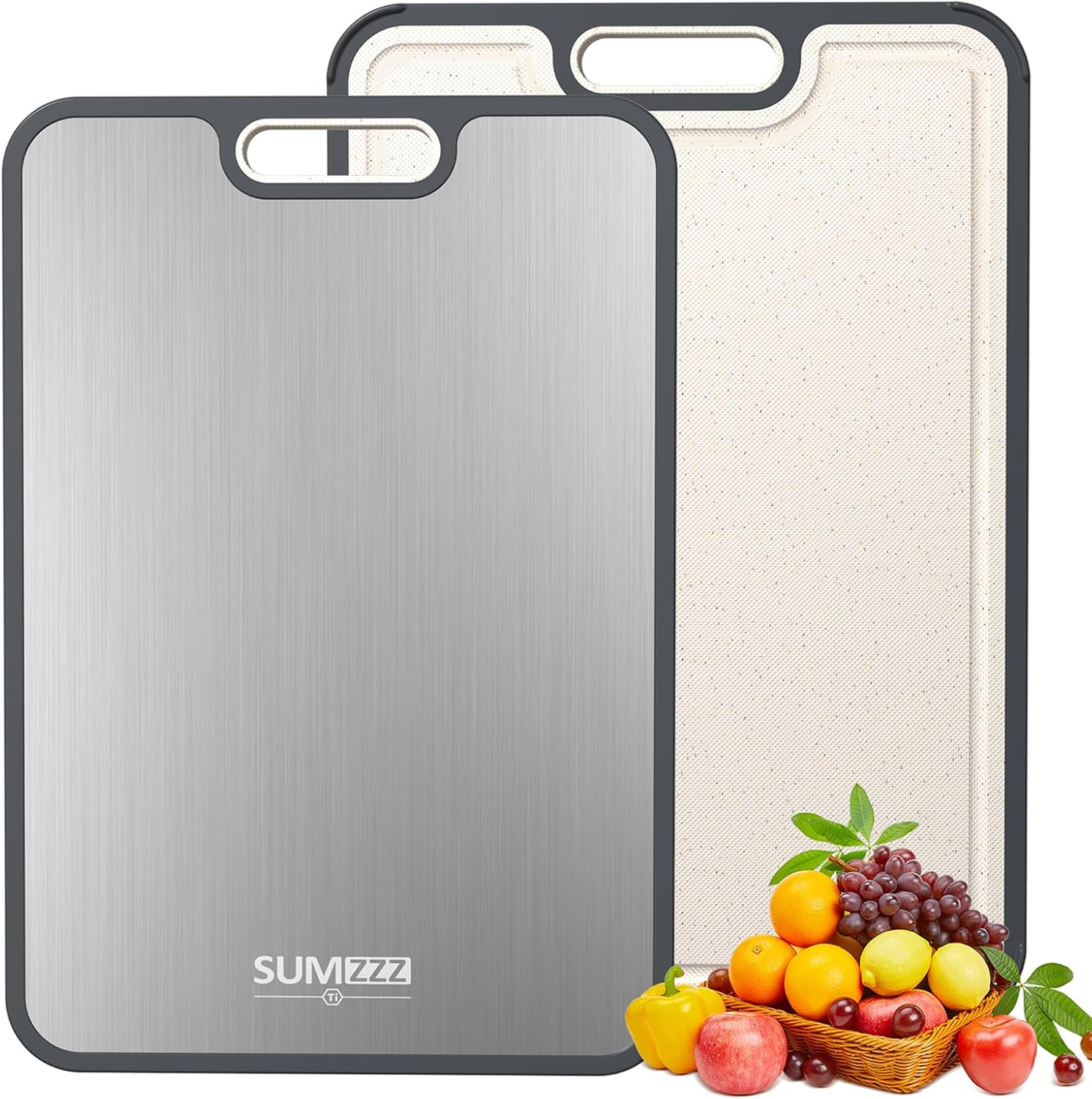
- Cutting board: use end-grain wood or soft plastic. Glass, stone, ceramic, and marble boards dull and chip edges almost immediately — a frequent hidden cause of a knife that “won’t stay sharp.”
- Technique: slice with a smooth forward-and-down motion rather than chopping straight down or scraping food sideways off the board with the edge (scrape with the spine instead).
- Storage: keep the blade in a block, on a magnetic strip, or in an edge guard — never loose in a drawer where it bangs against other utensils and rolls its edge.
- Washing: hand-wash and dry immediately. Dishwashers batter the edge against other items and expose the steel to harsh heat and detergent.
- Get on a schedule: hone regularly (many cooks each session), sharpen every few months to a year based on use.
Good habits can double or triple how long an edge lasts. A knife protected on a proper board and stored safely will feel sharp far longer than an identical one tossed in a drawer.
Frequently Asked Questions
Why won’t my chef knife get sharp even after sharpening?
Usually one of three things. You may be honing (realigning) a worn edge that actually needs regrinding on a stone or sharpener. You may be sharpening at an inconsistent angle, so you never fully form a clean new apex. Or your pull-through sharpener is too coarse or worn, leaving a ragged edge. Very cheap or damaged knives with poor steel also simply won’t take or hold a fine edge. Try sharpening at a steady 15-20 degrees until a burr forms along the whole edge, then remove it and hone.
What’s the difference between honing and sharpening?
Honing realigns a rolled-over edge without removing metal, using a honing steel; it restores cutting performance in seconds and should be done frequently. Sharpening removes metal to grind a brand-new apex, using a whetstone or sharpener; it’s done occasionally, when the edge is genuinely worn. Most “dull” knives just need honing. If honing no longer brings the edge back, then it’s time to sharpen. Confusing the two — honing a worn edge, or over-sharpening — is the most common reason knives seem to never cut well.
How often should I sharpen my chef knife?
For a typical home cook, sharpening every few months to about once a year is usually enough, provided you hone regularly in between. Heavy daily use shortens that interval; occasional use lengthens it. The real signal is when honing no longer restores the edge — that means the apex is worn and needs regrinding. Over-sharpening is a real mistake, since every sharpening removes metal and shortens the blade’s life. Hone often, sharpen only when honing stops working.
Can I sharpen a knife without a sharpener?
In a pinch, yes, though results are limited. The bottom rim of an unglazed ceramic mug or plate has a rough surface you can draw the blade across at a consistent angle to create a rough working edge. Some fine-grit sandpaper on a flat surface also works temporarily. These are emergency fixes, not substitutes for a proper whetstone or sharpener, and they give a coarse, short-lived edge. For a knife you value, use a real stone, a guided sharpener, or a professional service.
What angle should I sharpen a chef knife at?
Most Western chef knives are sharpened at roughly 15-20 degrees per side. Japanese knives, which use harder steel, are often ground shallower — around 10-15 degrees — for a keener edge, though that edge is more delicate. Check the manufacturer’s recommendation, since it varies by model. The single most important factor is holding that angle consistently through every stroke; an inconsistent angle rounds the edge instead of sharpening it and is the top reason home sharpening fails.
Why does my knife dull so quickly?
The usual culprit is your cutting surface: glass, stone, ceramic, or marble boards dull and chip an edge almost instantly, so switch to end-grain wood or soft plastic. Storing the knife loose in a drawer rolls the edge against other utensils, and dishwasher cycles batter and corrode it. Chopping straight down hard or scraping food with the edge also rolls the apex fast. Finally, softer steel dulls sooner by nature. Fix the board and storage first, hone regularly, and the edge will last far longer.
The Bottom Line
If your chef knife isn’t cutting, it’s almost certainly dull, and the fix depends on why. A rolled, misaligned edge — the most common cause of a knife going dull fast — is restored in seconds by honing with a steel, which realigns the edge without removing metal. A genuinely worn edge needs sharpening on a whetstone or guided system to grind a fresh apex, a task you do only occasionally. Hone often, sharpen rarely, and hold a consistent 15-20 degree angle. Just as important are the habits around the knife: a soft cutting board, safe storage, hand-washing, and gentle technique keep an edge sharp far longer. If your knife simply won’t hold an edge no matter what, the steel may be the problem — see our best chef knife, best chef knife set, and best japanese chef knife guides.

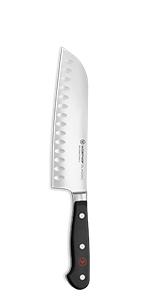
WÜSTHOF Classic 8-Inch Chef's Knife - Precision Forged German Steel for Professional Home Cooking
This precision-forged German chef's knife delivers 20% sharper cuts and twice the edge retention of previous models, making it ideal for daily chopping, mincing, and slicing tasks. Home cooks and professional chefs who want a reliable, balanced workhorse knife that holds its edge through heavy use should invest in this Classic series blade.
Pros and Cons
Pros
- German precision forging creates superior edge retention that stays sharp through months of regular kitchen use.
- The 8.5-ounce weight and ergonomic handle design reduce hand fatigue during extended meal prep.
- Backed by over 200 years of Solingen craftsmanship and strict German quality standards.
Cons
- The full bolster prevents sharpening the entire blade length on a standard whetstone without professional thinning.
- At 8.5 ounces, some cooks with smaller hands may find it heavier than Japanese-style chef's knives.

Zwilling
10-Inch Honing Steel for Kitchen Knife Maintenance and Edge Realignment
This honing steel uses an oval rod design that realigns knife edges with fewer strokes than traditional round rods, keeping your kitchen knives sharp between professional sharpening sessions. Home cooks who want to maintain their knife performance without learning complex sharpening techniques should consider this tool.
Pros and Cons
Pros
- Oval rod design requires fewer passes than traditional round honing steels to achieve the same edge realignment.
- Durable steel construction at 62 Rockwell hardness withstands regular contact with quality kitchen knives without deteriorating.
- Plastic handle with hanging hole makes storage simple in compact kitchens with limited drawer space.
Cons
- The product description contains a typo referring to the plastic handle, which may reflect less attention to quality control details.
- At this price point, some users may prefer a combination sharpening system that both hones and grinds rather than a honing-only tool.

Global Star Software
Mahjongg for Palm OS - Classic Tile Matching Game by Global Star Software for PC
This is a PC software product for installing Mahjongg solitaire on Palm OS handheld devices, not a kitchen product. It offers customizable tile sets and multiple difficulty levels for portable gaming on Palm-powered handhelds.
Pros and Cons
Pros
- Authentic mahjong solitaire experience optimized for Palm OS handhelds.
- Customizable graphics including tile sets and backgrounds for visual variety.
- Compatible with both color and grayscale Palm devices.
Cons
- Requires legacy Palm OS hardware that is no longer manufactured or widely supported.
- Not a kitchen product and provides no culinary functionality whatsoever.
WÜSTHOF Classic 8-Inch Chef's Knife - Precision Forged German Steel for Professional Home Cooking
WÜSTHOF Classic 8-Inch Chef's Knife - Precision Forged German Steel for Professional Home Cooking
This precision-forged German chef's knife delivers 20% sharper cuts and twice the edge retention of previous models, making it ideal for daily chopping, mincing, and slicing tasks. Home cooks and professional chefs who want a reliable, balanced workhorse knife that holds its edge through heavy use should invest in this Classic series blade.
$170.00 at AmazonEditors' Favorite
Brand Name: Wüsthof Set Name: Classic Manufacturer: Wüsthof UPC: 769194038526 670023145356 022934582438 Global Trade Identification Number: 00022934582438, 04002293158242, 40022931582422 Model Number: 4582-7/20 Manufacturer Part Number: 4582/20 Manufacturer Warranty Description: Lifetime warranty Item Type Name: Chef's Knives Unit Count: 16.0 Ounce Included Components: Cook's Knife Best Sellers Rank: #35,094 in Kitchen & Dining (See Top 100 in Kitchen & Dining) #103 in Chef's Knives ASIN: B00009ZK08 Blade Material Type: Stainless Steel Handle Material: Composite Is the item dishwasher safe?: No Material Type: Stainless Steel BladeLength: 8 Inches Item Weight: 0.24 Kilograms Item Length: 14 Inches Size: 8" Color: Black Blade Color: Silver Blade Edge: Chef's Knife Construction Type: Forged Blade Material: Stainless Steel Brand: Wüsthof
Shop NowZwilling 10-Inch Honing Steel for Kitchen Knife Maintenance and Edge Realignment
Zwilling
10-Inch Honing Steel for Kitchen Knife Maintenance and Edge Realignment
This honing steel uses an oval rod design that realigns knife edges with fewer strokes than traditional round rods, keeping your kitchen knives sharp between professional sharpening sessions. Home cooks who want to maintain their knife performance without learning complex sharpening techniques should consider this tool.
$59.95 at AmazonGreat Value
Material: Stainless Steel Brand: ZWILLING Color: Black/Stainless Steel Product Dimensions: 17"L x 9.8"W x 5.5"H Item Weight: 0.32 Kilograms Grit Type: Extra Fine Number of Items: 1 Manufacturer: ZWILLING J.A. HENCKELS Number of Packs: 1 Unit Count: 1.0 Count
Shop NowGlobal Star Software Mahjongg for Palm OS - Classic Tile Matching Game by Global Star Software for PC
Global Star Software
Mahjongg for Palm OS - Classic Tile Matching Game by Global Star Software for PC
This is a PC software product for installing Mahjongg solitaire on Palm OS handheld devices, not a kitchen product. It offers customizable tile sets and multiple difficulty levels for portable gaming on Palm-powered handhelds.
Check PriceASIN: B00005OL39 Customer Reviews: 4.0 4.0 out of 5 stars (6) 4.0 out of 5 stars Package Dimensions: 8.3 x 5.7 x 0.5 inches; 4.8 ounces Type of item: Video Game Rated: Everyone Item model number: GLS99509 Item Weight: 4.8 ounces Manufacturer: Global Star Software Date First Available: July 12, 2002
Shop Now


Write Your Review
No reviews yet. Be the first to share your experience!