

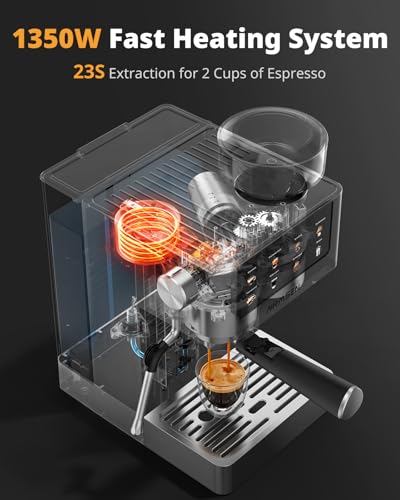
TL;DR — The best premium espresso machine for a home enthusiast is a dual-boiler or heat-exchanger machine with PID temperature control, a full 58mm commercial portafilter, a powerful articulating steam wand, and a rotary or robust vibratory pump, which delivers cafe-level shots and back-to-back milk drinks with repeatable precision. Pay for temperature stability and steam power, not chrome. For adjacent buys, see best coffee grinder and best coffee and espresso maker combo.
The HomeWhisk editorial team researches kitchen equipment by analyzing manufacturer specifications, material and build data, and aggregated user reviews from Amazon, Reddit communities like r/espresso, and long-term owner reports. For this premium guide we compared high-end espresso machines across boiler architecture, temperature control, steam performance, pump type, and the build details that separate a machine you keep for a decade from a fragile status symbol.

Premium espresso is where the specifications finally start to matter more than the styling, because at this tier the machine can hold water within a degree, steam a full pitcher of microfoam in seconds, and pull consistent shots morning after morning. Our research focused on the features a demanding home barista feels daily: boiler count and size, PID accuracy, group-head thermal stability, and steam pressure. If you are building a complete setup, stepping up from an entry machine, or weighing a combo unit instead, our guides on best coffee grinder, best espresso machine under 200, and best coffee and espresso maker combo cover the companion decisions a premium purchase depends on.
AIRMSEN
Home Espresso, Cappuccino and Iced Coffee: AIRMSEN Espresso Machine with Burr Grinder
This semi-automatic machine brews espresso, Americano, cappuccino, latte, and iced coffee while its built-in conical burr grinder simplifies the coffee-making process. It suits home baristas who want adjustable grind settings, manual milk texturing, and touchscreen controls in a compact stainless steel machine.
Pros and Cons
Pros
- The integrated grinder reduces the need for a separate coffee grinder and supports fresh-ground espresso.
- The touchscreen controls provide a straightforward way to select and start coffee drinks.
- The detachable steam wand rinses clean quickly and helps reduce milk residue buildup.
- The stainless steel casing offers a durable, modern exterior for daily kitchen use.
Cons
- The manual steam wand requires practice to produce consistent microfoam and latte art.
- Ten grind settings offer useful adjustment but less fine control than machines with more grinder increments.

AMZCHEF
Home Espresso, Cold Brew and Milk Drinks with AMZCHEF 44-Setting Grinder Espresso Machine
The AMZCHEF espresso machine grinds and brews coffee at home, with 44 grind settings providing its biggest advantage for dialing in different beans and brewing methods. It suits beginners and enthusiasts who want touch controls, adjustable temperature, cold brew, and milk steaming in one appliance.
Pros and Cons
Pros
- The broad temperature range gives users more control over espresso extraction than a fixed-temperature machine.
- Forty-four grind settings support fine adjustments and multiple coffee preparation methods.
- The touch display clearly shows grind time, brew time, and temperature during operation.
- Cold brew mode, grinding, espresso brewing, and milk steaming are combined in one machine.
Cons
- The extensive grind and temperature controls may require experimentation before beginners consistently achieve their preferred extraction.
- Product dimensions and weight are not provided, so buyers with limited counter space should confirm fit before ordering.

CASABREWS
Home Lattes and Cappuccinos: CASABREWS CM5418 Compact Espresso Machine
The CASABREWS CM5418 brews single or double espresso and steams milk, with a 20-bar pump and pressure gauge offering more control over extraction. It suits home or office users who want lattes, cappuccinos and macchiatos from a compact semi-automatic machine.
Pros and Cons
Pros
- A 20-bar pump, 1350-watt boiler and pressure gauge provide useful control for semi-automatic espresso brewing.
- The powerful steam wand expands the drink selection to milk-based coffees and supports microfoam for latte art.
- Its compact design is easier to place in kitchens with limited counter space.
- The package includes one-cup and two-cup filters, a portafilter, a removable water tank and a tamper with spoon.
Cons
- The machine must cool down after milk frothing before brewing coffee, which can slow preparation when making several drinks.
- No grinder is listed among the included components, so buyers need pre-ground espresso or a separate coffee grinder.

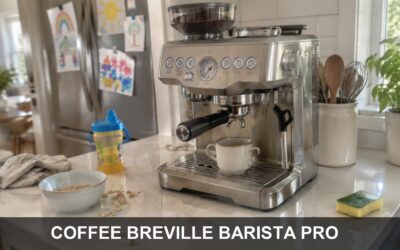
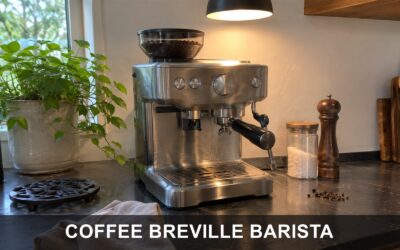
Breville Barista Express Espresso Machine with Built-In Grinder
This semi-automatic espresso machine grinds fresh beans directly into the portafilter and extracts espresso with precise temperature control, delivering café-quality shots at home in under a minute. Buy it if you want to skip the espresso shop and master microfoam milk texturing without a steep learning curve.
Pros and Cons
Pros
- Built-in grinder eliminates separate equipment and delivers freshly ground coffee directly into the portafilter for optimal flavor.
- Digital temperature control (PID) with thermocoil heating ensures consistent water temperature for reliable espresso extraction across every shot.
- Comprehensive accessory kit includes milk jug, tamper, cleaning tools, and filter baskets, so you can start pulling shots immediately.
Cons
- Manual tamping and milk steaming require practice to master; beginners may need several attempts to dial in proper technique.
- 54mm portafilter is proprietary to Breville, limiting compatibility with third-party baskets and accessories compared to standard 58mm machines.

atatix
Home Lattes and Cappuccinos with the atatix 20 Bar Espresso Machine and Milk Frother
The atatix espresso machine prepares espresso, lattes, cappuccinos and macchiatos, with NTC temperature control providing consistent extraction after a 30-second preheat. It suits home or office users who want adjustable shots, textured milk and a removable 44-ounce tank in a compact machine.
Pros and Cons
Pros
- The 20-bar pump is designed to maintain 9 to 10 bars during extraction for thorough saturation and crema development.
- Automatic and manual extraction settings accommodate both quick standard shots and customized coffee volumes.
- The focused steam wand adds milk-texturing capability without requiring a separate frother.
- The package includes a portafilter, funnel and coffee scoop with tamper, covering the basic tools needed to begin brewing.
Cons
- The housing combines ABS plastic with stainless steel, so buyers seeking an all-metal machine may prefer another model.
- Exact dimensions and weight are not provided, making it difficult to confirm clearance beneath cabinets before purchase.
The Best Deals This Week*
-
Home Espresso, Cappuccino and Iced Coffee
$179.99
($212.26)Save $32.27 -
Home Espresso, Cold Brew and Milk Drinks
$199.99
($299.99)Save $100.00 -
Home Lattes and Cappuccinos
$118.99
($139.99)Save $21.00 -
Breville Barista Express Espresso Machine
$499.95
($692.99)Save $193.04 -
Home Lattes and Cappuccinos with the atatix 20 Bar
$111.09
($179.21)Save $68.12
*Deals are selected by our commerce team
AIRMSEN Home Espresso, Cappuccino and Iced Coffee: AIRMSEN Espresso Machine with Burr Grinder
AIRMSEN
Home Espresso, Cappuccino and Iced Coffee: AIRMSEN Espresso Machine with Burr Grinder
This semi-automatic machine brews espresso, Americano, cappuccino, latte, and iced coffee while its built-in conical burr grinder simplifies the coffee-making process. It suits home baristas who want adjustable grind settings, manual milk texturing, and touchscreen controls in a compact stainless steel machine.
Check price on AmazonThis compact semi-automatic machine combines espresso brewing, coffee grinding, milk steaming, and iced coffee preparation, reducing the counter space and equipment needed for home coffee drinks.
A 20-bar pump, 1350W motor, and pre-infusion help saturate grounds before extraction, while the conical burr grinder offers 10 settings for adjusting flavor and texture.
The stainless steel casing supports daily use, and the 7.9-by-10.2-by-14.6-inch footprint fits smaller counters. The removable 61-ounce tank simplifies refilling and cleaning.
Because the steam wand is manual, creating smooth microfoam takes hands-on technique rather than one-touch automation.
Best for home coffee drinkers who want fresh-ground espresso and hands-on milk steaming without separate countertop equipment.
AMZCHEF Home Espresso, Cold Brew and Milk Drinks with AMZCHEF 44-Setting Grinder Espresso Machine
AMZCHEF
Home Espresso, Cold Brew and Milk Drinks with AMZCHEF 44-Setting Grinder Espresso Machine
The AMZCHEF espresso machine grinds and brews coffee at home, with 44 grind settings providing its biggest advantage for dialing in different beans and brewing methods. It suits beginners and enthusiasts who want touch controls, adjustable temperature, cold brew, and milk steaming in one appliance.
Check price on AmazonThis semi-automatic AMZCHEF machine combines grinding, espresso brewing, cold brew, and milk frothing, reducing the need for separate countertop appliances.
Its 44 grind settings and adjustable 190°F to 201°F brewing range let users tune extraction for different beans, roast levels, and coffee styles.
An 8mm stainless steel steam wand supports daily milk steaming, while the 60oz water tank handles multiple servings. Dimensions and weight are not listed, so confirm available counter space.
Getting the best results may take trial and adjustment because grind size, temperature, and brew time all affect extraction.
Best for home coffee drinkers who want broad brewing control without buying a separate grinder, cold brew maker, and milk frother.
CASABREWS Home Lattes and Cappuccinos: CASABREWS CM5418 Compact Espresso Machine
CASABREWS
Home Lattes and Cappuccinos: CASABREWS CM5418 Compact Espresso Machine
The CASABREWS CM5418 brews single or double espresso and steams milk, with a 20-bar pump and pressure gauge offering more control over extraction. It suits home or office users who want lattes, cappuccinos and macchiatos from a compact semi-automatic machine.
Check price on AmazonThe CASABREWS CM5418 is a compact semi-automatic machine that replaces separate espresso and milk-frothing appliances when preparing lattes, cappuccinos, macchiatos and flat whites.
Its 20-bar Italian pump and 1350-watt boiler support espresso extraction, while the pressure gauge helps users adjust brewing based on their coffee and preferred flavor.
The steam wand textures milk into creamy microfoam, giving home users more control over drink texture and basic latte art.
It has a stainless steel appearance, compact footprint and removable 34-ounce tank, but exact dimensions and weight are not provided in the product data.
The required cooling period after steaming makes it best for buyers preparing a few handcrafted espresso drinks rather than serving several drinks quickly.
Breville Barista Express Espresso Machine with Built-In Grinder
Breville Barista Express Espresso Machine with Built-In Grinder
This semi-automatic espresso machine grinds fresh beans directly into the portafilter and extracts espresso with precise temperature control, delivering café-quality shots at home in under a minute. Buy it if you want to skip the espresso shop and master microfoam milk texturing without a steep learning curve.
Check price on AmazonThe Breville Barista Express solves the problem of buying pre-ground coffee that loses flavor within minutes. It grinds whole beans on demand directly into the portafilter, then extracts espresso with precise temperature control in under 60 seconds.
The integrated conical burr grinder with 16 precision settings lets you adjust grind size for any bean roast, while the thermocoil heating system with PID control delivers water at exactly the right temperature for balanced extraction. Low-pressure pre-infusion gradually increases pressure during extraction, ensuring all flavors are drawn out evenly.
Built from brushed stainless steel with a 1/2 lb bean hopper and 67 oz water tank, this machine measures compactly enough for standard countertops. The 54mm portafilter and dual/single wall filter baskets are durable stainless steel, and the powerful steam wand is built for hand-texturing microfoam.
One limitation: the 54mm portafilter is proprietary to Breville, so third-party accessories are limited compared to standard 58mm espresso machines.
Best for home coffee enthusiasts who want café-quality espresso and milk drinks without visiting a coffee shop, and don't mind learning manual tamping and steaming techniques.
atatix Home Lattes and Cappuccinos with the atatix 20 Bar Espresso Machine and Milk Frother
atatix
Home Lattes and Cappuccinos with the atatix 20 Bar Espresso Machine and Milk Frother
The atatix espresso machine prepares espresso, lattes, cappuccinos and macchiatos, with NTC temperature control providing consistent extraction after a 30-second preheat. It suits home or office users who want adjustable shots, textured milk and a removable 44-ounce tank in a compact machine.
Check price on AmazonThe atatix is a compact manual espresso machine that prepares espresso-based drinks at home or in an office, reducing the need for separate brewing and milk-frothing appliances.
Its 20-bar pump maintains a stated 9 to 10 bars during extraction, while NTC control targets 90 to 96°C and preheats in 30 seconds for more consistent shots.
The machine combines BPA-free ABS and stainless steel, with suction-cup feet for stability and a heated metal top for warming cups. Exact dimensions and weight are not listed.
The partly plastic construction may disappoint buyers who prioritize an all-metal body, and manual milk texturing requires practice.
Best for espresso drinkers who want automatic shots, adjustable extraction and a steam wand without dedicating extensive counter space.
Editor’s Picks
| Category | Pick | Why |
|---|---|---|
| Best Overall Premium | Dual-boiler with PID and 58mm group | Simultaneous brew and steam, tight temperature control, cafe-level consistency |
| Best Value Premium | Heat-exchanger (HX) single-boiler with PID | Near dual-boiler steam power at a lower price and smaller footprint |
| Best for Milk Drinks | Machine with high-output steam boiler and articulating wand | Fast, dry steam for silky microfoam and back-to-back lattes |
At a Glance: Comparison Table
| Pick Type | Boiler | Temperature Control | Pump | Steam Power | Best For |
|---|---|---|---|---|---|
| Best Overall Premium | Dual boiler | PID, adjustable | Rotary or vibratory | High, dry steam | Enthusiasts wanting full control |
| Best Value Premium | Heat exchanger | PID or pressurestat | Vibratory | High | Espresso plus frequent milk |
| Best for Milk | Large steam boiler | PID | Rotary | Very high | Households of latte drinkers |
| Single-boiler PID | Single boiler | PID | Vibratory | Moderate | Straight espresso, low volume |
| Manual lever premium | Boiler or on-demand | Manual / group temp | Lever (spring or direct) | Moderate | Hands-on shot profiling |
How We Evaluated These Products
This guide is research-based. we synthesized manufacturer engineering documentation, published boiler and PID specifications, retailer listings, and recurring patterns across aggregated owner reviews to determine which premium espresso machines deliver genuine prosumer performance and which charge a premium for appearance alone.
We weighted boiler architecture and temperature control first, because at this price they define whether a machine can hold brew temperature within a fraction of a degree and steam without a wait. Dual-boiler machines dedicate one boiler to brewing and another to steam, enabling simultaneous operation and independent temperature setting. Heat-exchanger machines route brew water through a steam boiler for a clever single-boiler compromise, while single-boiler PID machines prioritize brew precision over steam speed.
We also read owner reviews for long-term reliability, the true test of a premium purchase: pump longevity, solenoid and gasket wear, PID accuracy over years, and how serviceable the machine is when something fails. Machines with deep review histories, strong parts availability, and consistent multi-year satisfaction were prioritized over newer or purely decorative entrants. At this price, a machine should be repairable, and we noted every recurring complaint about proprietary parts or poor support.
What Actually Matters:
Boiler Architecture: Single, Heat Exchanger, or Dual
Boiler design is the defining specification of a premium espresso machine, because it dictates whether you can brew and steam at once and how stable your shots are. A dual-boiler machine runs two independent boilers, one held at brew temperature and one at steam temperature, so you can pull a shot and steam milk simultaneously with no waiting and no temperature compromise. This is the architecture of most serious cafes and the gold standard for a home enthusiast who makes milk drinks.
A heat-exchanger (HX) machine is the clever middle path. It maintains a single hot steam boiler and draws brew water through a heat-exchange tube that passes through that boiler, delivering steam power close to a dual-boiler while costing less and taking less space. The trade-off is that brew water can overheat if the machine sits idle, requiring a quick cooling flush before the shot. For many enthusiasts, an HX hits the sweet spot of steam power and value.
Single-boiler machines hold one boiler that switches between brew and steam temperatures, which means waiting after brewing for the boiler to reach steam heat, then waiting again to cool down. At the premium tier these are chosen by cooks who drink mostly straight espresso and value brew precision over milk speed. The right architecture depends on your drink mix: dual boiler for milk-heavy households, HX for a balance, single boiler for espresso purists. Pair any of them with a quality grinder from best coffee grinder.
Temperature Control and PID
Temperature control is the difference between a premium machine and a merely expensive one, because espresso flavor is exquisitely sensitive to brew temperature. A swing of even two or three degrees shifts a shot from balanced to sour or bitter. Premium machines use a PID controller, an electronic system that holds boiler temperature within roughly a single degree and lets you dial in a target temperature to match the coffee you are brewing. Lighter roasts favor higher temperatures, darker roasts lower.
Beyond boiler temperature, thermal stability at the group head matters just as much. A heavy brass group head that stays thermally connected to the boiler, sometimes called a saturated group, buffers temperature swings during the shot and keeps the puck at a consistent heat from first drop to last. Premium machines invest in group-head mass for this reason, and aggregated reviews frequently credit group stability for the shot-to-shot repeatability that defines the tier.
Temperature stability also enables finer techniques like temperature surfing and pressure profiling. Some premium machines expose the PID for adjustment on the fly or let the barista shape the shot. For most buyers, a well-implemented PID holding a set temperature is the meaningful feature; the exotic profiling capabilities are a bonus. Either way, precise, stable temperature is the single specification most worth paying for at this level.
Steam Power and Milk Texturing
Steam performance is where premium machines pull decisively ahead of budget and mid-range units, and for milk drinkers it is often the most felt upgrade. A dedicated steam boiler or a large heat-exchanger produces dry, high-pressure steam that textures a full pitcher of microfoam in seconds rather than the slow, wet struggle of a small thermoblock. That power lets you create the silky microfoam needed for latte art, and it lets you make several drinks in a row without waiting for recovery.
The steam wand hardware matters alongside boiler power. Premium machines typically fit a bare, articulating stainless wand with a multi-hole tip that you can position freely and swivel out of the way, giving full control over aeration and the roll of the milk in the pitcher. Cheaper frothing aids like panarello sleeves are absent at this tier because they defeat that control. Owner reviews consistently rank steam power and wand design among the top reasons enthusiasts upgrade.
Steam capacity should match your household. A single espresso drinker who occasionally makes a latte is well served by a heat-exchanger’s steam, while a family that makes several milk drinks each morning benefits from a large dedicated steam boiler. If you make more milk drinks than straight shots, prioritize steam boiler size and wand quality over almost any other feature. For those who would rather have milk and grinding automated in one body, combo approaches are covered in best coffee maker with grinder and best coffee and espresso maker combo.
Build Quality, Pump, and Serviceability
Build quality is what a premium price is ultimately supposed to secure, and it determines whether the machine lasts a decade or disappoints in three years. Look for a stainless steel body, brass or stainless boilers rather than aluminum, and commercial-grade internal components. The 58mm portafilter, the commercial standard, signals a machine built around professional parts and opens access to a vast aftermarket of baskets, tampers, and bottomless portafilters.
Pump type is a meaningful build distinction. Most premium machines use a vibratory pump, which is compact, effective, and slightly noisy, while higher-end and plumbed-in machines use a rotary pump that runs quieter and can connect directly to a water line. Rotary pumps are prized for their smoothness and longevity and suit a permanent, cafe-like installation. For most home counters, a good vibratory pump is entirely sufficient and easier to place.
Serviceability separates a lasting investment from a throwaway luxury. The best premium machines use standardized, replaceable parts, group gaskets, solenoids, and seals that a competent owner or technician can swap, so the machine can be maintained indefinitely. Aggregated reviews from long-term owners repeatedly praise machines with strong parts availability, and warn against beautiful machines that become paperweights when a proprietary board fails. When spending at this level, buy a machine you can keep alive.
Frequently Asked Questions
What makes an espresso machine premium rather than mid-range?
Premium machines are defined by prosumer engineering: PID or pressurestat temperature control that holds brew heat within about a degree, a dual-boiler or heat-exchanger design that enables simultaneous or near-instant steaming, a powerful bare steam wand, a commercial 58mm portafilter, and a stainless, serviceable build. Mid-range machines usually compromise on one or more of these, most often temperature stability or steam power. The premium tier buys repeatable, cafe-level results and longevity rather than cosmetic extras.
Do I need a dual boiler, or is a heat exchanger enough?
It depends on how many milk drinks you make. A dual boiler lets you brew and steam at the same time with independent temperatures, ideal for households making several lattes each morning. A heat-exchanger delivers strong steam from a single boiler at lower cost and smaller size, requiring only a brief cooling flush before brewing when idle. For a solo enthusiast or a mostly-espresso drinker, an HX or even a single-boiler PID machine is plenty; dual boilers shine for milk volume.
Is a premium espresso machine worth it over a budget one?
For a committed daily enthusiast, yes. Premium machines deliver temperature stability, steam power, and build quality that budget machines cannot match, translating into more consistent shots, faster and better milk texturing, and a machine that lasts and can be repaired for a decade or more. That said, the grinder matters enormously; a premium machine paired with a poor grinder underperforms. If you drink casually, a budget machine and a good grinder is the smarter spend.
How important is the grinder with a premium machine?
Critically important, arguably more than the machine itself. A premium espresso machine can only extract as well as the grind it receives, and espresso demands a fine, uniform, precisely adjustable grind that only a quality burr grinder provides. Pairing a high-end machine with a cheap or inconsistent grinder wastes much of the machine’s capability, producing channeling and uneven extraction. Enthusiasts commonly budget a substantial share of the total for the grinder; see our recommendations in best coffee grinder.
What maintenance does a premium espresso machine need?
Regular backflushing with water and periodic backflushing with detergent cleans the group and three-way valve, descaling on schedule if not using softened water, and replacing group gaskets and shower screens as they wear. Using filtered or softened water dramatically reduces scale in the boilers, the leading long-term threat. The upside of a serviceable premium machine is that these tasks are straightforward and parts are available.
Should I consider a manual lever machine at the premium level?
A lever machine is worth considering if you enjoy hands-on control and want to shape the pressure profile of each shot manually. Spring-lever and direct-lever machines are prized for the tactile ritual and the distinctive shots they produce, and many are beautifully built to last. The trade-off is a steeper learning curve and less push-button convenience. If you value process as much as the cup, a premium lever machine is a rewarding choice.
Our Top Pick
After comparing boiler architectures, temperature control, steam performance, and aggregated owner feedback, a dual-boiler machine with PID temperature control, a 58mm commercial group, a powerful articulating steam wand, and a serviceable stainless build is the best premium espresso machine for the widest range of home enthusiasts. It brews and steams simultaneously, holds temperature within a degree for repeatable shots, textures microfoam quickly for back-to-back milk drinks, and is built to be maintained for a decade or more.
Consider these decision points:
- If you make milk drinks for a household and want no-compromise control, choose a dual-boiler machine with PID and a strong steam wand.
- If you want most of that capability for less and can flush before brewing, a heat-exchanger machine is the premium value.
- If you drink mostly straight espresso at low volume, a single-boiler PID machine delivers brew precision without paying for steam power you will not use.
- If you love process and want to profile shots by hand, a premium lever machine rewards the effort, and whatever you choose, invest in a serious grinder from best coffee grinder and consider automation in best coffee and espresso maker combo.
The best premium espresso machine is the one whose boiler, temperature control, and steam power match how you actually drink and how much you want to tinker. Buy for stability, steam, and serviceability first, and a prosumer machine will pull cafe-quality shots on your counter for many years.




Write Your Review
No reviews yet. Be the first to share your experience!