

TL;DR — Match the blender to your use: for smoothies, frozen drinks, and tough tasks, prioritize high wattage/power (1000W+) and quality blades; for occasional light blending, a mid-power blender suffices. Consider power, jar size and material, speed settings, ease of cleaning, and whether you need a full-size, personal, or immersion blender. Power and intended use are the key factors. The HomeWhisk team compared blender types against aggregated feedback. For picks, see our best blender guide.
The HomeWhisk editorial team researches kitchen equipment by analyzing manufacturer specifications, motor power, and aggregated user reviews from major retailers and cooking communities. Our recommendations are based on what the products actually deliver, not what brands promise.

Blenders range from cheap personal cups to powerful high-end machines, and choosing well means matching power and features to what you’ll blend. Here’s how. For picks, see our best blender guide.
Pros & Cons
Pros
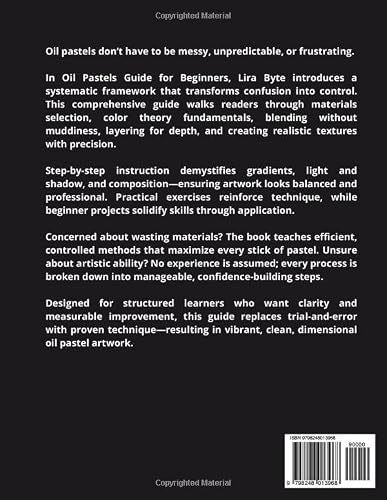
- It is written specifically for beginners.
- It covers blending and paper selection in one guide.
- Its daily practice approach is designed for short creative sessions.
- It aims to help readers produce frame-worthy art.
Cons
- This is an art instruction book, not a kitchen product or cooking resource.
- No specifications, detailed features, or top-review feedback were provided.
Details
This book does not solve a kitchen problem; it teaches beginners how to use oil pastels for artwork that could be displayed in a kitchen or other room.
Its main instruction areas are blending, paper selection, and progressing from crayon-style work to canvas.
The available data does not specify the book’s page count, dimensions, weight, binding, or material details.
Buyers seeking kitchen organization, preparation, or cooking guidance should choose a different product.
Best for beginners who want structured oil pastel lessons for creating displayable home artwork.
Best Uses
Use the guide to structure short daily oil pastel practice sessions and build foundational technique.
Follow the blending and paper-selection sections before attempting more ambitious artwork.
Choose it for learning oil pastel art, not for kitchen tasks or culinary instruction.
Pros & Cons
Pros
- Recognized publisher edition of a widely read nonfiction title.
- Paperback format is lighter and cheaper than hardcover.
Cons
- Listing has no description, feature list, or verified customer reviews.
- The displayed 4.9 rating is drawn from zero reviews and should not be treated as meaningful.
Details
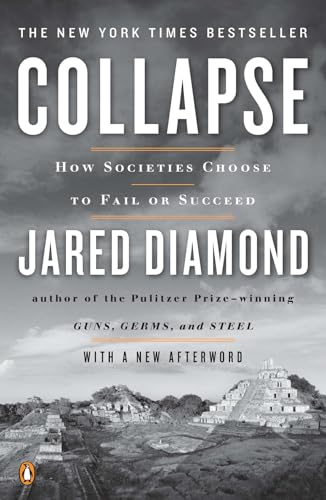
A Penguin Books paperback of Jared Diamond’s Collapse, examining why societies fail or endure.
The Amazon listing supplies no description, feature bullets, or specifications beyond format and publisher.
Rating shown is unsupported by any review volume.
This item has no kitchen application and does not fit a kitchen affiliate site.
Best for: readers of environmental and historical nonfiction, not kitchen shoppers.
Match the Blender Type to Your Use
The first decision is which type of blender fits your needs, since they suit very different uses.
Full-size countertop blender: the standard blender with a large jar (usually 48-64 oz) and a powerful base. Best for smoothies, soups, sauces, frozen drinks, and family-size batches. The most versatile for most kitchens. See our best blender guide.
Personal/single-serve blender: a small blender that blends directly into a portable cup. Best for individual smoothies and shakes — compact, convenient, and easy to clean, but limited power and capacity. Great for one person or smoothie-focused use.
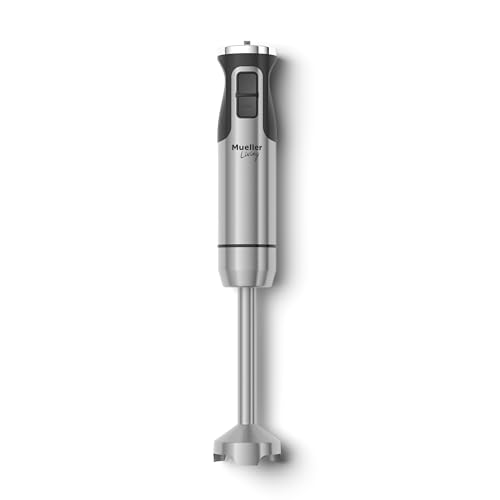
Immersion (hand) blender: a handheld wand you blend directly in a pot or container. Best for blending soups in the pot, sauces, and small tasks — versatile, compact, and easy to store, but less powerful for tough blending like frozen fruit or ice. See our immersion-blender-vs-regular-blender and best immersion blender guides.
High-performance blender: a powerful, premium countertop blender that handles the toughest tasks (crushing ice, nut butters, hot soups, very smooth blends) and is durable. Best for frequent, demanding use or those who want the smoothest results — but expensive.
Which type?
- Smoothies/soups/family batches: full-size countertop blender.
- Individual smoothies on the go: personal blender.
- Blending soups in the pot, light tasks: immersion blender.
- Frequent, demanding, or premium use: high-performance blender.
- Also consider a food processor if you do more chopping than blending (see our blender-vs-food-processor guide).
Matching the type to your primary use is the first and biggest choice. Our best blender and best immersion blender guides cover the types.
Key Factors to Consider
Once you know the type, these features determine which blender to buy.
Power (wattage) — the most important factor: more power means the blender handles tougher tasks (ice, frozen fruit, nut butters, tough greens) smoothly and lasts longer under load.
- 500-800W: fine for basic smoothies and light blending.
- 1000W+: better for frozen fruit, ice, and tough ingredients — a good target for regular smoothie/frozen-drink makers.
- 1500W+ (high-performance): crushes anything, ultra-smooth results, for demanding use.
Match wattage to your toughest task — if you crush ice and frozen fruit, prioritize higher power; for soft ingredients, less is needed. Underpowered blenders struggle, strain, and leave chunks.
Blade quality and design: durable stainless steel blades and a good design (that creates a vortex to pull ingredients down) blend more smoothly. Quality blades matter as much as raw power.
Jar size and material:
- Size: larger jars (48-64 oz) for family batches; smaller/personal for individuals.
- Material: BPA-free plastic (light, won’t shatter), glass (heavier, scratch-resistant, doesn’t retain odors), or stainless (durable, opaque). Plastic and glass are common; choose by preference.
Speed settings and controls: variable speeds and presets (smoothie, ice crush, pulse) add versatility. Pulse is useful for controlled chopping. More settings help but simplicity is fine for basic use.
Ease of cleaning: look for dishwasher-safe jars or a self-clean function (blend warm water and soap). Easy cleaning matters for frequent use. See our how-to-clean-a-blender guide.
Other factors: noise level, footprint/storage size, jar-to-base locking, warranty (high-end blenders often have long warranties reflecting durability), and stability.
Prioritize power matched to your toughest task and the right type/size, then weigh blades, jar, settings, and cleaning. Our best blender guide covers options by use case.
Matching the Blender to Your Needs
Bringing it together, here’s how to choose based on what you actually blend.
For daily smoothies with frozen fruit and ice: a full-size or high-performance countertop blender with 1000W+ power and quality blades — enough to crush ice and frozen fruit smoothly. Don’t skimp on power here. See our best blender guide.
For individual smoothies on the go: a personal/single-serve blender — compact, blends into a to-go cup, easy to clean, sufficient power for soft-to-moderate ingredients (choose a higher-powered personal blender if you use lots of ice/frozen fruit).
For soups, sauces, and pot blending: an immersion blender — blend soups right in the pot, plus sauces and small tasks; compact and easy to store. Pair with a countertop blender if you also make smoothies. See our best immersion blender guide.
For occasional, light blending: a mid-power (500-800W) countertop blender — sufficient for basic smoothies and light tasks without overspending.
For frequent, demanding use or best results: a high-performance blender — powerful, durable, ultra-smooth, handles everything (worth it for heavy users; pricey).
For mostly chopping/food prep (not liquids): consider a food processor instead (see our blender-vs-food-processor guide) — different tool for chopping, slicing, and dough.
The decision path: 1. Pick the type (countertop, personal, immersion, high-performance) for your primary use. 2. Match power to your toughest task (1000W+ for ice/frozen fruit). 3. Choose jar size for your batch needs. 4. Weigh blades, settings, cleaning, and budget.
Match power and type to what you blend, and you’ll get a blender that performs without overspending. Our best blender and best immersion blender guides cover the options.
Frequently Asked Questions
How do I choose a blender?
Match it to your use. Pick the type first — a full-size countertop blender for smoothies, soups, and family batches; a personal blender for individual smoothies on the go; an immersion blender for blending soups in the pot; or a high-performance blender for frequent, demanding use. Then prioritize power (1000W+ for ice and frozen fruit, less for soft ingredients), quality blades, the right jar size and material, useful speed settings, and easy cleaning. Power matched to your toughest task and the right type are the key factors. Don’t underpower a blender that must crush ice.
How much power (wattage) do I need in a blender?
It depends on what you blend. For basic smoothies and light blending, 500-800W is fine. For frozen fruit, ice, and tough ingredients, aim for 1000W or more, which blends them smoothly without straining. High-performance blenders (1500W+) crush anything and give ultra-smooth results for demanding use. Match the wattage to your toughest task — if you regularly crush ice and frozen fruit, prioritize higher power, since underpowered blenders struggle, overheat, and leave chunks. For soft ingredients only, you need less power.
What type of blender is best for smoothies?
For daily smoothies with frozen fruit and ice, a full-size or high-performance countertop blender with 1000W+ power and quality blades handles them smoothly. For individual smoothies on the go, a personal/single-serve blender is convenient (blends into a to-go cup and cleans easily) — choose a higher-powered one if you use lots of ice or frozen fruit. The key for smoothies is enough power to crush frozen ingredients smoothly, so don’t underpower it. Match the size (family vs individual) to how you make smoothies.
What’s the difference between a countertop and immersion blender?
A countertop blender is a standalone machine with a jar and powerful base, best for smoothies, frozen drinks, and larger batches with more power. An immersion (hand) blender is a handheld wand you blend directly in a pot or container, best for blending soups in the pot, sauces, and small tasks — it’s compact, versatile, and easy to store, but less powerful for tough tasks like crushing ice. Choose a countertop blender for smoothies and power, an immersion blender for pot blending and convenience. Many kitchens have both. See our immersion-blender-vs-regular-blender guide.
What should I look for when buying a blender?
Prioritize power matched to your toughest task (1000W+ for ice/frozen fruit, less for soft ingredients), quality stainless steel blades and good blade design, the right jar size (family vs personal) and material (BPA-free plastic, glass, or stainless), useful speed settings and presets (including pulse), and easy cleaning (dishwasher-safe jar or self-clean function). Also consider noise, footprint, and warranty. First pick the right type (countertop, personal, immersion, high-performance) for your use, then weigh these factors. Power and the right type matter most.
Do I need an expensive high-performance blender?
Only if you use it frequently and demandingly or want the smoothest possible results. High-performance blenders (powerful, durable, 1500W+) crush anything — ice, nut butters, tough greens — and blend ultra-smooth, and they last a long time (often with long warranties). They’re worth it for heavy daily users, green-smoothie makers, and those wanting the best results. But for occasional smoothies or light blending, a good mid-power (1000W) blender does the job for far less. Match the investment to how hard and often you’ll use it; don’t overspend for light use.
Related buying guides: best air fryer, best instant pot and best toaster oven.
The Bottom Line
Choosing a blender comes down to matching power and type to what you’ll blend. First pick the type: a full-size countertop blender for smoothies, soups, and family batches; a personal blender for individual on-the-go smoothies; an immersion blender for blending soups in the pot; or a high-performance blender for frequent, demanding use. Then prioritize power (1000W+ for ice and frozen fruit), quality blades, the right jar size and material, useful speed settings, and easy cleaning. Power matched to your toughest task and the right type are the key factors — don’t underpower a blender that must crush ice, and don’t overspend for light use. See our best blender and best immersion blender guides.


Write Your Review
No reviews yet. Be the first to share your experience!