

HomeWhisk earns commission from qualifying purchases made through links on this page. We research picks from specifications and owner reviews; we do not test products ourselves.
TL;DR — Fill the kettle with equal parts white vinegar and water (or a descaling solution), boil it, let it sit 20-30 minutes, then discard and rinse thoroughly, boiling a few batches of fresh water to clear any taste. Descale every 1-3 months depending on water hardness to remove limescale. Limescale slows heating, affects taste, and shortens the kettle’s life. The HomeWhisk team compiled this from care guidance and aggregated feedback. For picks, see our best electric kettle guide.
The HomeWhisk editorial team researches kitchen equipment by analyzing manufacturer specifications, cleaning guidance, and aggregated user reviews from major retailers and cooking communities. This guide reflects established descaling principles, not personal testing.
Electric kettles build up limescale from heating water, which affects performance and taste. Descaling is a simple periodic task that keeps the kettle working well. Here’s how. For choosing a kettle, see our best electric kettle guide.
Deeper Dive: Our Top Picks
Our Top Picks
Erigathe
Electric Kettle and Coffee Maker Limescale Remover: Erigathe Descaler Tablets
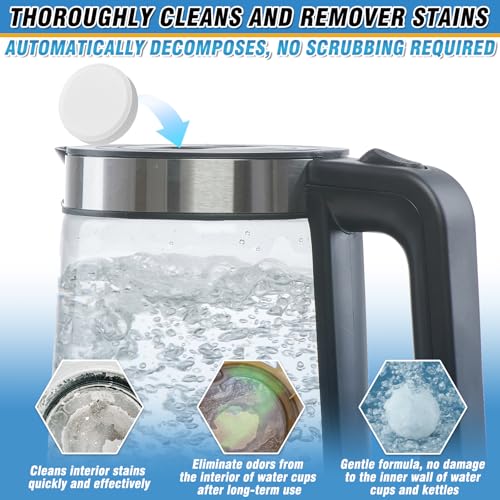
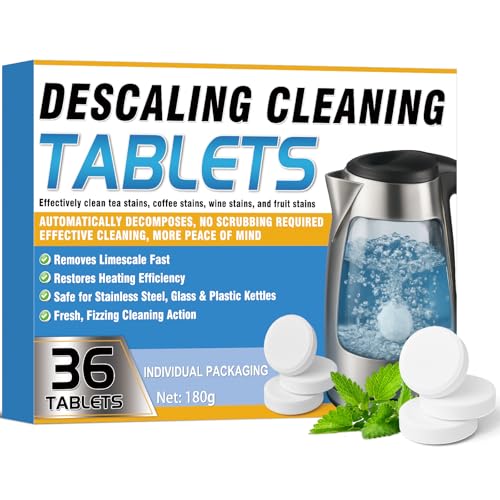
Erigathe descaling tablets dissolve limescale and mineral buildup in kettles and coffee makers, with a fast 15-to-30-minute treatment that avoids strenuous scrubbing. Buy them if you use hard water and want one citric-acid cleaner for multiple kitchen appliances.
Pros and Cons
Pros
- Natural citric acid formula targets limescale, calcium deposits, and mineral buildup.
- Works with several kitchen appliances, including electric kettles and coffee machines.
- The three-step drop, wait, and rinse process is straightforward.
- Monthly use is recommended for hard-water areas to help maintain appliance performance.
Cons
- The solution must use warm water rather than boiling water, so treatment is not completely hands-off.
- Appliances require thorough rinsing after the 15-to-30-minute treatment.
Editors' Picks
Erigathe Electric Kettle and Coffee Maker Limescale Remover: Erigathe Descaler Tablets
Erigathe
Electric Kettle and Coffee Maker Limescale Remover: Erigathe Descaler Tablets
Erigathe descaling tablets dissolve limescale and mineral buildup in kettles and coffee makers, with a fast 15-to-30-minute treatment that avoids strenuous scrubbing. Buy them if you use hard water and want one citric-acid cleaner for multiple kitchen appliances.
$8.99 at AmazonEditors' Favorite
Size: 0.47 Fl Oz (Pack of 36) Product Group: Drugstore
Shop NowWhy Kettles Need Descaling
Understanding limescale explains why descaling matters and how often you need it.
Limescale is the chalky, white/off-white mineral deposit that builds up inside a kettle. It forms because tap water contains dissolved minerals (mainly calcium and magnesium — “hard water”), and when you boil water, these minerals precipitate out and deposit on the kettle’s heating element and interior walls. Over time, scale:
- Slows heating and wastes energy — scale insulates the heating element, so the kettle takes longer to boil and uses more power.
- Affects taste — scale flakes can end up in your water and coffee/tea, and buildup can give an off taste.
- Shortens the kettle’s life — heavy scale strains the element and can eventually cause failure.
- Looks unpleasant — chalky deposits and floating flakes in your water.
How fast scale builds depends on water hardness: hard-water areas build scale quickly (descale more often), soft-water areas build it slowly (descale less). If you see white chalky buildup inside, flakes in your water, or slower boiling, it’s time to descale.
The good news: descaling is easy and cheap, using common household vinegar or a descaling solution. Doing it regularly keeps the kettle efficient, the water clean-tasting, and the kettle lasting longer. This is the same scale principle that affects coffee makers and espresso machines (see our descale-a-coffee-maker and espresso-cleaning guides). Our best electric kettle guide covers kettles worth maintaining.
How to Descale with Vinegar
White vinegar is the cheap, effective, common way to descale a kettle. Here’s the method.
You’ll need: white vinegar and water (equal parts).
Steps: 1. Fill the kettle with a 50/50 mix of white vinegar and water — enough to cover the scaled areas (usually filling it halfway to full, ensuring the heating element and scale are submerged). 2. Boil the mixture. Turn the kettle on and let it come to a boil. 3. Let it sit 20-30 minutes (or up to an hour for heavy scale) after boiling. The warm vinegar solution dissolves the limescale. For stubborn scale, you can boil again partway through. 4. Pour out the solution. The scale should be dissolved or loosened. 5. Scrub gently if needed: for any remaining loosened scale, wipe with a soft cloth or non-abrasive sponge. Don’t use abrasive scrubbers or metal, which scratch the interior and can damage the element. 6. Rinse thoroughly: fill with clean water and rinse several times. 7. Boil fresh water and discard — repeat 2-3 times. This is important to remove all vinegar taste and residue, so your next cup of tea or coffee doesn’t taste of vinegar. Boil a full kettle of fresh water, discard, and repeat until no vinegar smell remains.
Descaling solution alternative: commercial kettle/appliance descaling solutions work the same way (follow the package instructions) and may rinse cleaner than vinegar. Citric acid (food-grade, dissolved in water) is another effective, less-smelly option — dissolve a tablespoon or two in water, boil, sit, and rinse.
Lemon juice also works (natural citric acid) if you prefer, using a similar boil-and-sit method.
The vinegar method is cheap and effective for most kettles; just rinse thoroughly afterward. Our best electric kettle guide covers kettle options.
How Often and Prevention
Knowing the frequency and how to slow scale keeps descaling manageable.
How often to descale:
- Every 1-3 months for typical use, adjusted for water hardness.
- Hard-water areas: monthly (scale builds fast).
- Soft-water areas: every 2-3 months or as needed.
- By signs: descale when you see white chalky buildup, flakes in the water, slower boiling, or a taste change — don’t wait for heavy buildup, which is harder to remove.
Preventing scale buildup:
- Empty the kettle after use rather than leaving water sitting in it — standing water deposits more scale (and can develop staleness). Don’t leave water in the kettle overnight.
- Use filtered water if your tap water is hard — a water filter (pitcher or tap filter) reduces the minerals that cause scale, so you descale far less often. This is the most effective prevention.
- Descale regularly (as above) so scale never builds up heavily — regular light descaling is easier than tackling thick scale.
- Wipe the interior occasionally and keep the kettle clean.
- Some kettles have a limescale filter in the spout — clean or replace it per the manual.
A note on avoiding damage: never use abrasive scrubbers, steel wool, or harsh chemicals inside a kettle — they scratch the interior and can damage the heating element. Stick to vinegar, citric acid, or descaling solution, and soft cloths. Also don’t immerse the kettle’s electrical base in water.
Regular descaling plus using filtered water (in hard-water areas) and emptying the kettle after use keeps limescale under control, the kettle efficient, and your water clean-tasting. Our best electric kettle and best coffee maker with grinder guides cover related gear.
Frequently Asked Questions
How do I descale an electric kettle?
Fill it with a 50/50 mix of white vinegar and water (enough to cover the scale), boil it, then let it sit 20-30 minutes so the vinegar dissolves the limescale. Pour it out, wipe away any loosened scale with a soft cloth, and rinse thoroughly. Then boil a few batches of fresh water and discard them to remove all vinegar taste before using the kettle again. Descaling solution or citric acid work the same way. Descale every 1-3 months depending on water hardness.
Can I use vinegar to descale my kettle?
Yes — white vinegar is the cheapest and most common way to descale a kettle. Use equal parts vinegar and water, boil, let it sit 20-30 minutes to dissolve the limescale, then pour out, wipe, and rinse. The key is to rinse thoroughly and boil a few batches of fresh water afterward to remove all vinegar taste, so your tea or coffee doesn’t taste of vinegar. Citric acid and commercial descaling solutions are alternatives that may rinse cleaner, but vinegar works well and is readily available.
How often should I descale my electric kettle?
Every 1-3 months for typical use, adjusted for your water hardness — monthly in hard-water areas (scale builds fast) and every 2-3 months in soft-water areas. Also descale whenever you notice signs: white chalky buildup inside, flakes floating in the water, slower boiling, or a change in taste. Don’t wait for heavy scale, which is harder to remove. Using filtered water and emptying the kettle after each use slows scale buildup and lets you descale less often.
What causes limescale in a kettle?
Limescale comes from the minerals (mainly calcium and magnesium) dissolved in tap water — “hard water.” When you boil water, these minerals precipitate out and deposit as chalky white scale on the heating element and interior walls. Hard-water areas build scale quickly; soft-water areas build it slowly. Scale slows heating, wastes energy, affects taste, and shortens the kettle’s life. Using filtered water reduces the minerals and thus the scale, which is why filtered water is the best prevention in hard-water areas.
How do I prevent limescale buildup in my kettle?
Empty the kettle after each use rather than leaving water sitting in it (standing water deposits more scale), and use filtered water if your tap water is hard — a filter reduces the minerals that cause scale, so you descale far less often. Descale regularly (every 1-3 months) so scale never builds up heavily, and clean any limescale filter in the spout per the manual. These habits, especially using filtered water in hard-water areas, keep scale under control and the kettle efficient.
Is limescale in my kettle dangerous?
No, limescale itself isn’t harmful to drink — it’s just calcium and magnesium minerals. However, it’s unpleasant (chalky flakes in your water, off taste), reduces the kettle’s efficiency (slower boiling, more energy), and can shorten the kettle’s life by straining the heating element. So while it’s not a health hazard, descaling is worth doing for performance, taste, and longevity. If you see flakes in your water, they’re harmless but a clear sign it’s time to descale for better-tasting water and a better-working kettle.
Related buying guides: best coffee grinder, best grind and brew coffee maker and best cold brew coffee maker.
The Bottom Line
Descaling an electric kettle is simple: fill it with equal parts white vinegar and water (or a descaling solution or citric acid), boil, let it sit 20-30 minutes to dissolve the limescale, then discard, wipe, and rinse thoroughly — boiling a few batches of fresh water afterward to remove any vinegar taste. Do this every 1-3 months depending on your water hardness, or whenever you see chalky buildup, flakes, or slower boiling. Prevent scale by emptying the kettle after use and using filtered water in hard-water areas. Regular descaling keeps the kettle efficient, the water clean-tasting, and the kettle lasting longer. See our best electric kettle and best coffee maker with grinder guides.



Write Your Review
No reviews yet. Be the first to share your experience!