

HomeWhisk earns commission from qualifying purchases made through links on this page. We research picks from specifications and owner reviews; we do not test products ourselves.
TL;DR — A French press makes a full-bodied, rich cup by steeping grounds in water and pressing them out (easy, forgiving, heavier texture); pour over makes a clean, bright, nuanced cup by pouring water through a paper filter (more technique, lighter and clearer). The HomeWhisk team compared the two on flavor, effort, and equipment. If you like a bold, textured coffee and minimal fuss, French press. If you like a clean, delicate cup and enjoy a short ritual, pour over. Both are cheap. This guide sorts out which suits your taste.
The HomeWhisk editorial team researches kitchen equipment by analyzing manufacturer specifications, brewing methods, and aggregated user reviews from major retailers and coffee communities. Our recommendations are based on what the products actually deliver, not what brands promise.

For this comparison, we analyzed how each method brews, the resulting flavor and texture, and real-world feedback from home brewers. Here’s how French press and pour over differ, and which fits your taste. For picks, see our best french press and best pour over coffee maker guides.
The Best Deals This Week*
-
QUQIYSO 21oz French Press Coffee Maker
$17.99
($19.99)Save $2.00 -
34 Oz Borosilicate Glass French Press Coffee Maker
$14.24
($14.99)Save $0.75
*Deals are selected by our commerce team
Deeper Dive: Our Top Picks
Our Top Picks

Bodum
Everyday French Press Coffee Brewing: Bodum Brazil 12oz Coffee Maker
The Bodum Brazil French Press brews full-flavored coffee without paper filters, while its borosilicate glass preserves the coffee's natural taste. It suits solo coffee drinkers who want an easy-to-clean, compact brewer with a stainless steel filter.
Pros and Cons
Pros
- Heat-resistant borosilicate glass supports dependable everyday brewing.
- The stainless steel plunger and filter provide a paperless brewing method.
- The plastic body, handle, and lid keep the French press lightweight.
- Dishwasher-safe parts make routine cleanup easier.
Cons
- The 12oz capacity is limited for households that brew multiple cups at once.
- The plastic body and lid may feel less premium than an all-metal or glass design.

AgcKuzt
34 oz Stainless Steel French Press for Hot Coffee and Cold Brew
The AgcKuzt French press brews hot coffee or cold brew with a double-wall stainless steel body that retains heat without breakage concerns. It suits daily coffee drinkers, campers, travelers, and hikers who need a durable 34-ounce brewer with simple cleanup.
Pros and Cons
Pros
- The brushed stainless steel construction provides durability without relying on breakable glass.
- The filter is easy to disassemble and assemble, which helps beginners get started.
- The brewer supports both hot coffee and cold brew.
- The handle and precise spout make pouring more controlled.
Cons
- The 34-ounce capacity may be larger than needed for someone who usually makes one small serving.
- The product data does not specify the unit's weight.

QUQIYSO-EnjoyWonderfulCoffee
QUQIYSO 21oz French Press Coffee Maker with 4-Layer Filter - Borosilicate Glass & Stainless Steel
This 21-ounce French press uses a 4-layer stainless steel filter system to keep coffee grounds out while its heat-resistant borosilicate glass withstands temperature swings from -58°F to 572°F. Best for home baristas who want clean, full-bodied coffee without buying paper filters or dealing with fragile glass that cracks easily.
Pros and Cons
Pros
- Stable tripod base design prevents the wobbling and tipping common with cheaper French presses.
- Thicker borosilicate glass resists cracking from temperature changes that break standard glass carafes.
- Extra replacement filters included in the package extend the product lifespan.
Cons
- Fine espresso grind clogs the filter and makes the plunger extremely difficult to press down.
- Glass component can arrive cracked during shipping due to inadequate packaging protection.

UTOPIAKITCHEN
34 Oz Borosilicate Glass French Press Coffee Maker by Utopia Kitchen with 4-Filter System
This 34 oz borosilicate glass French press uses a 4-filter system with 80 mesh filtration to brew residue-free coffee with full flavor extraction. Buy it if you want consistent, sediment-free coffee at home or while camping without spending more than $15.
Pros and Cons
Pros
- The 80 mesh filter captures fine grounds that slip through standard French press screens, delivering cleaner cups.
- Heat-resistant borosilicate glass maintains flavor integrity and survives rapid temperature changes without breaking.
- Dishwasher-safe components (except lid) simplify cleanup after daily use.
Cons
- The lid requires hand-washing with gentle detergent to prevent finish damage, adding an extra cleanup step.
- Some users report the plunger requires firm, steady pressure to avoid grounds bypassing the filter.
Editors' Picks
Bodum Everyday French Press Coffee Brewing: Bodum Brazil 12oz Coffee Maker
Bodum
Everyday French Press Coffee Brewing: Bodum Brazil 12oz Coffee Maker
The Bodum Brazil French Press brews full-flavored coffee without paper filters, while its borosilicate glass preserves the coffee's natural taste. It suits solo coffee drinkers who want an easy-to-clean, compact brewer with a stainless steel filter.
$14.99 at AmazonEditors' Favorite
Color: Black Size: 12 oz Dimensions: 6.33 x 4.52 x 3.15 inches Weight: 0.4 pounds Product Group: Kitchen Binding: Kitchen
Shop NowAgcKuzt 34 oz Stainless Steel French Press for Hot Coffee and Cold Brew
AgcKuzt
34 oz Stainless Steel French Press for Hot Coffee and Cold Brew
The AgcKuzt French press brews hot coffee or cold brew with a double-wall stainless steel body that retains heat without breakage concerns. It suits daily coffee drinkers, campers, travelers, and hikers who need a durable 34-ounce brewer with simple cleanup.
$19.49 at AmazonGreat Value
Color: Silver Size: 34 OZ Dimensions: 4.15 x 7.37 x 7.18 inches Weight: 1.32 pounds Product Group: Kitchen
Shop NowQUQIYSO-EnjoyWonderfulCoffee QUQIYSO 21oz French Press Coffee Maker with 4-Layer Filter - Borosilicate Glass & Stainless Steel
QUQIYSO-EnjoyWonderfulCoffee
QUQIYSO 21oz French Press Coffee Maker with 4-Layer Filter - Borosilicate Glass & Stainless Steel
This 21-ounce French press uses a 4-layer stainless steel filter system to keep coffee grounds out while its heat-resistant borosilicate glass withstands temperature swings from -58°F to 572°F. Best for home baristas who want clean, full-bodied coffee without buying paper filters or dealing with fragile glass that cracks easily.
$17.99 at AmazonOther Special Features of the Product: Manual Coffee Maker Type: French Press Specific Uses For Product: Cold Brew Recommended Uses For Product: Coffee, Tea, Cold Brew, Plant-based Drinks Operation Mode: Manual Wattage: 1000 watts Human Interface Input: Buttons Coffee Input Type: ground Smart Home Compatibility: Not Smart Home Compatible Power Source: Manual Filter Type: Reusable Color: Copper Style: french Material: Borosilicate Glass Exterior Finish: Copper Is the item dishwasher safe?: Yes Brand Name: QUQIYSO Included Components: French Press Coffee Maker x 1; Filter x 2; User Manual x 1 Model Name: Copper-21 Model Number: Copper-21 Part Number: Copper-21-Without accessories Best Sellers Rank: #5,659 in Home & Kitchen (See Top 100 in Home & Kitchen) #6 in Coffee Presses ASIN: B0B589S46B Customer Reviews: 4.6 4.6 out of 5 stars (10,864) 4.6 out of 5 stars Capacity: 1.3 Pounds Item Dimensions D x W x H: 3.34"D x 5.27"W x 6.3"H Item Weight: 1.31 Pounds Number of Items: 1 Unit Count: 1.0 Count coffee_filter_size: #4 Brand: QUQIYSO Product Dimensions: 3.34"D x 5.27"W x 6.3"H Special Feature: Manual
Shop NowUTOPIAKITCHEN 34 Oz Borosilicate Glass French Press Coffee Maker by Utopia Kitchen with 4-Filter System
UTOPIAKITCHEN
34 Oz Borosilicate Glass French Press Coffee Maker by Utopia Kitchen with 4-Filter System
This 34 oz borosilicate glass French press uses a 4-filter system with 80 mesh filtration to brew residue-free coffee with full flavor extraction. Buy it if you want consistent, sediment-free coffee at home or while camping without spending more than $15.
$14.24 at AmazonOther Special Features of the Product: Coffee Plunger Coffee Maker Type: French Press Specific Uses For Product: Instant Coffee Maker Recommended Uses For Product: Home use, Office use, Travel, Camping, Outdoor activities Operation Mode: Manual Wattage: 1000 watts Human Interface Input: Buttons Coffee Input Type: Ground Smart Home Compatibility: Not Smart Home Compatible Power Source: Manual Filter Type: Stainless Steel Color: Black Style: French Press Material: Plastic, Borosilicate Glass Is the item dishwasher safe?: Yes Brand Name: Utopia Kitchen Included Components: Plunger Model Name: PARENT Model Number: UKFRENCHPRESSPRNT UPC: 817706022089 Part Number: UKFRENCHPRESSBLACKNEW Best Sellers Rank: #2,733 in Home & Kitchen (See Top 100 in Home & Kitchen) #3 in Coffee Presses ASIN: B01N78X92P Customer Reviews: 4.4 4.4 out of 5 stars (11,433) 4.4 out of 5 stars Capacity: 2.1 Pounds Item Dimensions D x W x H: 9"D x 6"W x 6"H Item Weight: 1.2 Pounds Number of Items: 1 Unit Count: 1.0 Count coffee_filter_size: #4 Brand: Utopia Kitchen Product Dimensions: 9"D x 6"W x 6"H Special Feature: Coffee Plunger
Shop NowTwo Different Brewing Principles
The methods differ fundamentally in how water meets coffee, which shapes everything about the cup.
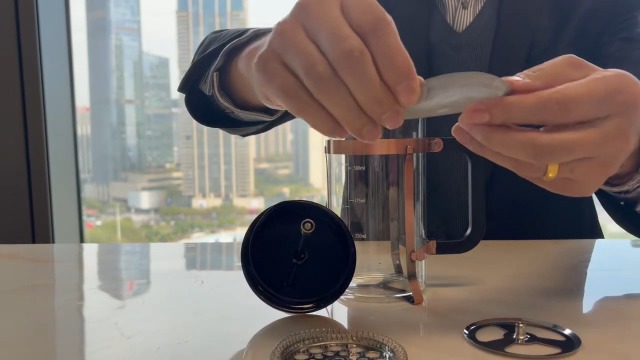
French press is immersion brewing: coffee grounds sit fully submerged in hot water and steep for about 4 minutes, then you press a metal mesh plunger down to separate the grounds from the coffee. The coffee is in constant contact with all the water for the whole brew, extracting fully and evenly. The metal filter lets oils and fine particles through into the cup.
Pour over is percolation (drip) brewing: you pour hot water over grounds held in a paper (or metal) filter in a cone, and gravity pulls the water through the coffee bed and into your cup below. The water passes through once, and you control the flow. The paper filter traps oils and fine sediment, letting only clear liquid through.
The consequence: the French press’s full immersion plus metal filter produces a heavy, full-bodied, textured cup with oils and some sediment — rich and bold. The pour over’s single pass plus paper filter produces a clean, bright, light-bodied cup that highlights delicate flavors, with no oils or grit. This single difference — immersion-and-metal versus drip-and-paper — drives all the flavor and texture differences below.
Flavor and Texture: The Core Difference
The cup each method produces is distinctly different, and this is usually what decides your preference.
French press gives a full-bodied, rich, robust cup. Because the metal mesh lets the coffee’s natural oils and some fine particles through, the coffee has weight and texture in the mouth — heavier and more “substantial.” Flavors are bold and rounded. Some find a slight sediment at the bottom of the cup (from fines passing the mesh). If you like a strong, hearty coffee with body, the French press delivers it.
Pour over gives a clean, bright, nuanced cup. The paper filter removes oils and sediment, producing a clear, light-bodied coffee that lets subtle flavors — floral, fruity, acidic notes — shine. It’s the method for tasting a coffee’s complexity and origin character. It’s crisp rather than heavy.
Which is “better” is purely taste: neither is objectively superior. People who love bold, textured coffee (and often take it black and strong) prefer French press. People who love clean, delicate, tea-like clarity (and single-origin nuance) prefer pour over. Many coffee lovers enjoy both depending on the bean and mood — a rich dark roast in a French press, a bright single-origin as pour over.
A health note sometimes raised: French press coffee contains cafestol (a compound in the oils that the paper filter removes), which can slightly raise cholesterol with heavy long-term consumption. It’s a minor consideration for most, but pour over’s paper filter removes it.
Effort, Skill, and Consistency
How much work and skill each demands is the other major deciding factor.
French press is easier and more forgiving. The process is simple: add grounds and water, wait 4 minutes, press, pour. There’s little technique — the timing is loose, and it’s hard to mess up badly. It makes multiple cups at once easily. The main “skill” is using a coarse grind and not over-steeping. For someone who wants good coffee with minimal fuss and no learning curve, the French press wins on ease. See our best french press guide.
Pour over takes more technique and attention. You control the water temperature, the pour rate, and the pattern (many do a “bloom” — wetting the grounds first to release gas — then pour in slow circles). Done well, it makes an exceptional cup; done carelessly, it can be uneven. It rewards practice and attention, and it’s hands-on for the 3-4 minutes of brewing. It typically makes one or two cups at a time, not a batch. A gooseneck kettle (for controlled pouring) helps. See our best pour over coffee maker guide.
Consistency: the French press is more repeatable for beginners (loose technique still gives decent results), while pour over’s results vary more with your technique — better upside, but less consistent until you’ve practiced.
Time and batch: French press brews multiple cups in one go with a fixed 4-minute wait; pour over is a per-cup (or small-batch) hands-on ritual. For serving several people, French press is more practical; for a single carefully-made cup, pour over.
Equipment, Cost, and Cleanup
The practical logistics slightly favor different methods depending on what you value.
Equipment and cost: both are inexpensive. A French press is a single vessel (carafe + plunger) — that’s all you need. Pour over needs a dripper, paper filters (an ongoing small cost), and ideally a gooseneck kettle for pour control (optional but helpful). Both are far cheaper than espresso machines. The French press has no consumable filters; pour over needs paper filters (though reusable metal filters exist).
Cleanup:
- French press requires disposing of the wet grounds (which can be messy — you scoop or rinse them out) and washing the caragfe and plunger/mesh. The mesh can trap grounds and needs occasional disassembly to clean well.
- Pour over cleanup is simple: lift out the paper filter with the grounds and toss it (compost-friendly), then rinse the dripper. Less mess, though you generate filter waste.
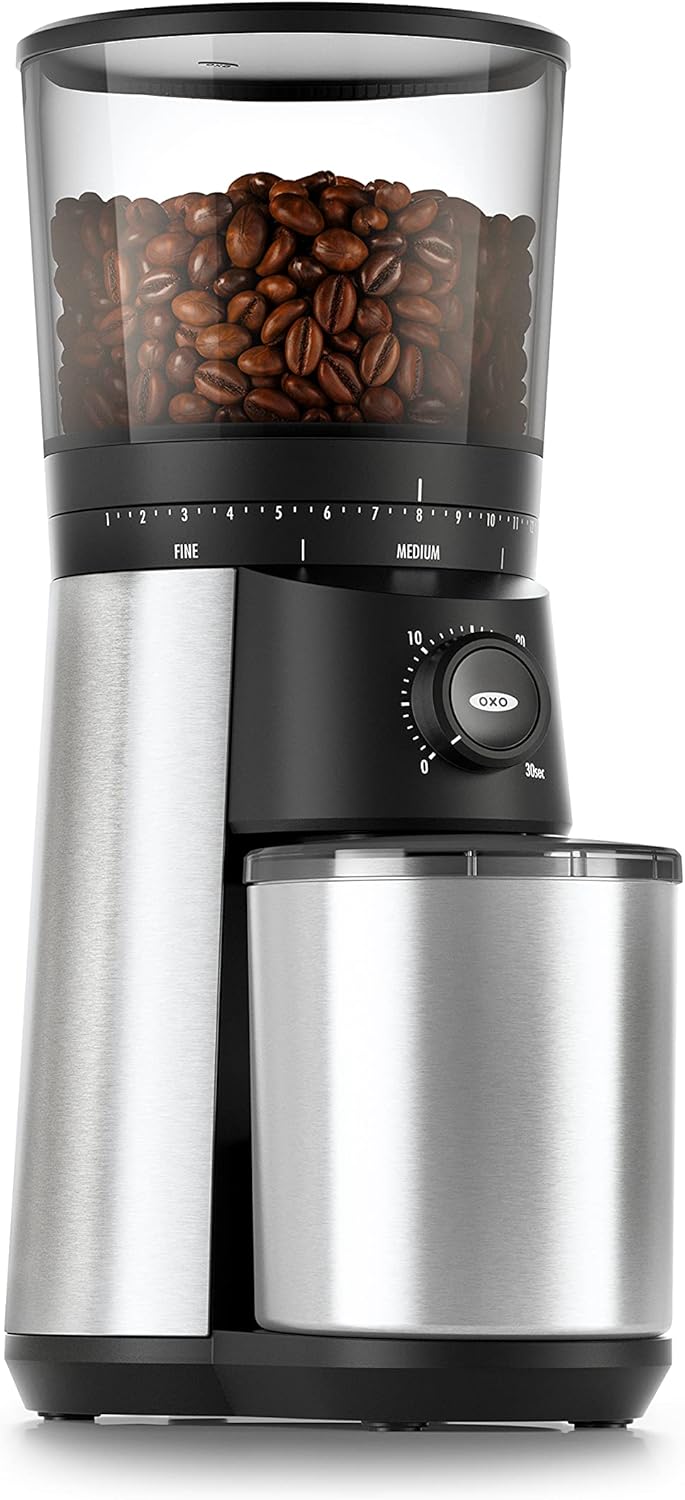
Grind: both want specific grinds — French press needs coarse (fine grounds slip through the mesh and make it muddy and bitter), pour over needs medium-fine. A burr grinder helps both; see our best coffee grinder guide.
Durability: French presses with glass carafes can break; stainless ones are durable. Pour-over drippers in ceramic can chip but are generally sturdy; plastic ones are near-indestructible.
Neither has a decisive practical edge — French press is simpler gear, pour over has simpler cleanup. Choose on taste and effort preference.
Frequently Asked Questions
What’s the difference between French press and pour over coffee?
French press steeps grounds fully submerged in water, then presses them out with a metal mesh, producing a full-bodied, rich cup with oils and some sediment. Pour over pours water through grounds in a paper filter, producing a clean, bright, light-bodied cup with no oils or grit. French press is immersion brewing with a metal filter; pour over is drip brewing with a paper filter. The result: French press is bold and textured, pour over is clean and nuanced.
Which makes stronger coffee, French press or pour over?
French press typically tastes stronger and fuller-bodied because full immersion extracts robustly and the metal filter lets oils and fines through, giving weight and boldness. Pour over tastes cleaner and lighter-bodied, though it can be brewed strong by adjusting the ratio. “Strength” here is more about body and mouthfeel than caffeine — French press feels heavier and richer, pour over crisper. If you want a bold, hearty cup, French press; if you want clarity, pour over.
Is pour over harder than French press?
Yes, pour over takes more technique and attention. You control water temperature, pour rate, and pattern (often blooming the grounds first, then pouring in slow circles), and results vary with your skill. French press is simpler and more forgiving — add grounds and water, wait, press, pour, with loose timing that’s hard to mess up. Pour over rewards practice with an exceptional cup; French press gives reliably good coffee with minimal learning. Beginners find French press easier and more consistent.
Which is healthier, French press or pour over?
Pour over’s paper filter removes cafestol, an oil compound that can slightly raise cholesterol with heavy long-term consumption; French press’s metal mesh lets it through. So pour over has a minor edge for those watching cholesterol with high daily intake. For most people drinking moderate amounts, the difference is small. Otherwise both are just coffee — the health distinction is minor and only relevant to heavy daily French-press drinkers concerned about cholesterol.
Which should a beginner choose?
A French press, generally. It’s easier, more forgiving, requires no special technique or gooseneck kettle, and makes multiple cups at once — hard to mess up beyond using the right coarse grind and not over-steeping. Pour over has a learning curve and rewards practice, so it’s better for those who enjoy a hands-on ritual and want to refine their cup. Beginners wanting reliably good coffee with minimal fuss should start with a French press. See our best french press guide.
Do French press and pour over need different grinds?
Yes. French press needs a coarse grind (like coarse sea salt) — fine grounds slip through the metal mesh, making the coffee muddy, gritty, and bitter. Pour over needs a medium-fine grind so water flows through the paper filter at the right rate. Using the wrong grind hurts both: too fine for French press is gritty and over-extracted; too coarse for pour over runs through too fast and tastes weak. A burr grinder set correctly for each method gives the best results.
Related buying guides: best coffee maker with grinder and best grind and brew coffee maker.
The Bottom Line
French press and pour over are both cheap, excellent ways to make coffee that produce very different cups. French press (immersion + metal filter) makes a full-bodied, rich, textured cup and is easier, more forgiving, and better for multiple cups — ideal for bold-coffee lovers who want minimal fuss. Pour over (drip + paper filter) makes a clean, bright, nuanced cup and rewards technique — ideal for those who love delicate clarity and enjoy the ritual. Neither is better; it’s purely taste and effort preference. Many coffee lovers own both. See our best french press and best pour over coffee maker guides.


Write Your Review
No reviews yet. Be the first to share your experience!