

HomeWhisk earns commission from qualifying purchases made through links on this page. We research picks from specifications and owner reviews; we do not test products ourselves.
TL;DR — The right way to handle a dehydrator depends on material, edge or surface, and how the tool is used day to day. Use this as the practical background, then check best air fryer, best blender, and best instant pot for specific product options.
We treated this as an editor’s note for home cooks: what matters, what is optional, and which related product guides are worth checking before you buy. For appliance topics, we pay close attention to capacity, controls, cleanup, storage, reliability complaints, and whether the machine saves enough effort to justify the space.

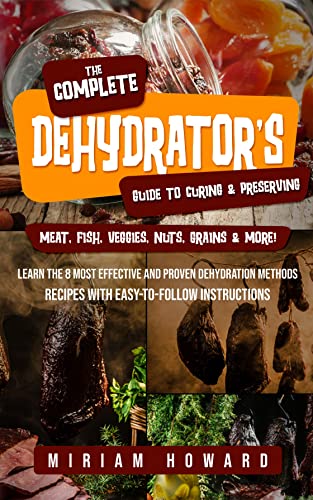
Pros
- Covers meat, fish, vegetables, nuts and grains in a single book rather than one narrow food category.
- Structured around eight repeatable techniques, so you learn methods you can apply beyond the printed recipes.
- Rated 4.6 out of 5 by buyers, which points to instructions people could actually follow.
- Written for beginners, requiring no prior curing or preserving experience.
Cons
- Spanning so many food groups means each category gets breadth rather than deep single subject detail.
- Times and temperatures are general guidance, so you still adapt them to your specific dehydrator model.
A recipe and technique manual for dehydrator owners unsure how long to dry food, how much salt to use, or which method suits meat versus produce.
The eight method framework is the core draw, with each technique explained separately so jerky, dried fish, vegetable chips and nut batches get an appropriate process.
Format is a compact reference organized by method and ingredient, easy to keep open beside the machine, with instruction text carrying the weight rather than large photography.
It does not tune settings to individual dehydrator brands, so first batches may need small time adjustments for your unit.
Best for new dehydrator owners who want one starting reference covering both meat curing and produce drying.
Start with fruit and vegetable slices to learn how your machine actually dries, then move to meat, where salt and temperature control matter most.
Use the curing chapters when you buy protein in bulk and want jerky or dried fillets that store without refrigeration.
The nut and grain sections suit trail mix, granola prep and harvest overflow, keeping garden surplus usable through winter.
Storing a Dehydrator: The Essentials
How you store a dehydrator decides how long it lasts as much as how you use it. Good storage keeps edges and surfaces protected, prevents moisture damage, and keeps the tool easy to grab without hunting.
Step By Step
1. Make sure the dehydrator is fully clean and bone-dry before it goes away. 2. Protect the working surface — a guard, sleeve, or dedicated slot beats loose in a drawer. 3. Keep it somewhere dry and ventilated to avoid gaskets that stop sealing. 4. Store it where it is easy to reach, so care stays a habit.
How To Know You Did It Right
The result should be practical and repeatable: the appliance should work cleanly, feel controlled, and show no signs of lingering odors. If the same issue returns quickly, the cause is usually a missed care step — not the tool itself.
Common Mistakes To Avoid
The usual failure is treating a durable appliance as indestructible. Harsh shortcuts lead to motors that bog down under load, and unresponsive controls. Do not assume pricier gear removes the need for care, either — technique matters more than the badge. Start your shortlist with best air fryer, best blender, and best instant pot before narrowing by budget.
Keeping It That Way
Maintenance beats repair. Fold wiping the interior after use, cleaning removable parts by hand, and letting the motor rest between heavy loads into your routine and the appliance will stay reliable for years. Neglect any one of them and you invite uneven cooking or heating back.
Before You Start
Match the method to the appliance in front of you. Store a dehydrator is not hard, but the details matter — the wrong approach to checking the seals and gaskets can shorten the life of otherwise good small kitchen appliances. For product picks, compare best air fryer, best blender, and best instant pot.
Related Product Guides
If this topic is part of a buying decision, these are the HomeWhisk guides most closely tied to it:
Frequently Asked Questions
What is the right way to store a dehydrator?
How you store a dehydrator decides how long it lasts as much as how you use it. Do it consistently and you avoid motors that bog down under load.
Who is this most useful for?
Mainly busy weeknight cooks, and meal-preppers batching food. If that is you, treat build quality of seals as a requirement rather than a nice-to-have.
What is the bottom line?
Match the appliance to your real habits: buy for durability if it is daily, for value and storage if it is occasional.
What gear pairs well with it?
Start with a reliable core piece, then add as needs appear. Compare best air fryer, best blender, and best instant pot for related choices.
Is a premium appliance worth it?
Only if you use it enough to notice better control, durability, or cleanup regularly. Occasional users are well served by a mid-range pick like those in best instant pot.
The Bottom Line
A good dehydrator decision should feel obvious after you line up size, material, cleaning, and durability. If it is still a purchase question, the next step is best air fryer, best blender, and best instant pot.
{“@context”:”https://schema.org”,”@type”:”FAQPage”,”mainEntity”:[{“@type”:”Question”,”name”:”What is the right way to store a dehydrator?”,”acceptedAnswer”:{“@type”:”Answer”,”text”:”How you store a dehydrator decides how long it lasts as much as how you use it. Do it consistently and you avoid motors that bog down under load.”}},{“@type”:”Question”,”name”:”Who is this most useful for?”,”acceptedAnswer”:{“@type”:”Answer”,”text”:”Mainly busy weeknight cooks, and meal-preppers batching food. If that is you, treat build quality of seals as a requirement rather than a nice-to-have.”}},{“@type”:”Question”,”name”:”What is the bottom line?”,”acceptedAnswer”:{“@type”:”Answer”,”text”:”Match the appliance to your real habits: buy for durability if it is daily, for value and storage if it is occasional.”}},{“@type”:”Question”,”name”:”What gear pairs well with it?”,”acceptedAnswer”:{“@type”:”Answer”,”text”:”Start with a reliable core piece, then add as needs appear. Compare best air fryer, best blender, and best instant pot for related choices.”}},{“@type”:”Question”,”name”:”Is a premium appliance worth it?”,”acceptedAnswer”:{“@type”:”Answer”,”text”:”Only if you use it enough to notice better control, durability, or cleanup regularly. Occasional users are well served by a mid-range pick like those in best instant pot.”}}]} {“@context”:”https://schema.org”,”@type”:”ItemList”,”numberOfItems”:5,”itemListElement”:[{“@type”:”ListItem”,”position”:1,”url”:”https://www.amazon.com/dp/B095S2JN3S?tag=homewhisk06-20″},{“@type”:”ListItem”,”position”:2,”url”:”https://www.amazon.com/dp/B0H2R5GTLJ?tag=homewhisk06-20″},{“@type”:”ListItem”,”position”:3,”url”:”https://www.amazon.com/dp/B0H1T81PK3?tag=homewhisk06-20″},{“@type”:”ListItem”,”position”:4,”url”:”https://www.amazon.com/dp/B0C5NDRS12?tag=homewhisk06-20″},{“@type”:”ListItem”,”position”:5,”url”:”https://www.amazon.com/dp/B09L835G4N?tag=homewhisk06-20″}]}




Write Your Review
No reviews yet. Be the first to share your experience!