

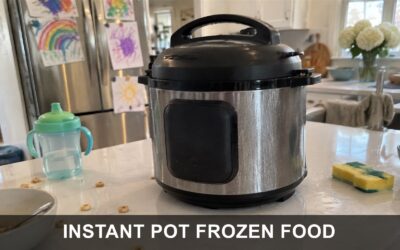
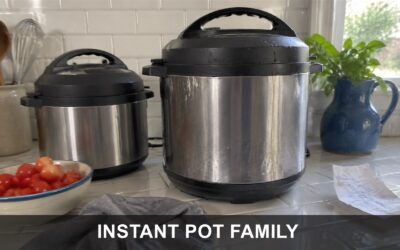
A pressure cooker heats liquid in a sealed pot. As steam builds, the pressure inside rises, allowing the water to reach a higher temperature than in an open pot. That higher temperature is what cooks foods such as beans and stews more quickly. The lid and valves control when pressure can build and when it can escape.
Here’s what happens as the pot heats
The gasket seals the lid so steam can build. A stovetop cooker uses heat from the burner, while an electric model controls its own heating cycle. Use the minimum liquid and fill limits specified by the manufacturer. Foods that swell or foam may have a lower maximum fill line.
Release the pressure the way the recipe and model direct
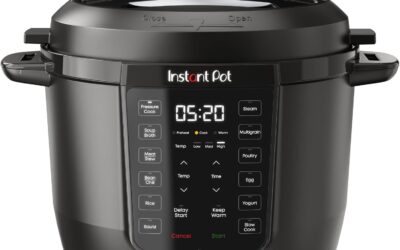
During a natural release, pressure falls as the cooker cools. During a quick release, steam leaves through the release valve. Follow the model and recipe directions, and keep hands and face clear of the steam path. Instant Pot explains how its release options differ. Wait for the cooker to show it is safe to open. Never force a locked lid.
Check the seal and valves before a new batch
Use the manual to check how the gasket, lid and valve are fitted and cleaned. If steam escapes around the edge unexpectedly or the cooker fails to seal, stop and follow the troubleshooting directions for that exact model once it is safe to handle.
Frequently asked questions
Does the cook time include heating and pressure release?
Check the recipe. The stated time at pressure is only one part of the total time. The cooker also has to build pressure and release it before serving.
Can I use a pressure cooker for canning?
Use equipment and a process specifically approved for the food and canning method. A pressure-cooking mode does not establish that the appliance is a pressure canner.





Write Your Review
No reviews yet. Be the first to share your experience!