

A keep cool lunch box works by slowing heat transfer with insulation, and it works best when you pair it with a frozen ice pack and pre-chilled food. Food safety guidance says perishable food shouldn’t sit between 40°F and 140°F for more than two hours, or one hour when it’s above 90°F outside. That’s the window you’re trying to beat.
This guide explains how a keep cool lunch box keeps food cold, how to pack one so it holds up through a long morning, and which of three styles from our product research fits which kind of lunch. We haven’t handled these products ourselves. Everything here comes from the listing details and general food safety practice.
How a keep cool lunch box actually keeps food cold
Insulation doesn’t create cold. It only slows the warm air outside from reaching the food inside. A soft insulated bag typically has a foam or foil-lined layer between the outer fabric and an inner liner, and that layer buys you time. Without a cold source inside, though, the contents drift toward room temperature anyway. Think of the bag as a lid on a cooler, not a fridge.
The cold source matters more than most people expect. A frozen gel pack or a frozen water bottle does the heavy lifting, and the bag just protects it. Cold air also sinks, so the pack works best on top of the food rather than underneath.
One soft-sided option is the Genteen insulated lunch bag. The listing describes it as a reusable insulated bag for school, office and outdoor use in black, which is the kind of everyday format most people mean when they say keep cool lunch box.

Genteen
Insulated Meal Storage for School and Office, Genteen Kids Lunch Box
This insulated lunch box keeps drinks cool and meals fresh, with a spacious interior and durable 600D oxford fabric for everyday meal transport. It suits grade 6+ students, teens, office workers, and anyone needing a wipe-clean lunch bag with multiple carrying options.
Pros and Cons
Pros
- The 600D oxford fabric and thick EPE insulation combine durability with practical food temperature retention.
- The detachable handle creates flexible carrying options for backpacks, briefcases, or hand carrying.
- The front pocket and inner mesh pouch make small lunch accessories easier to organize.
- The double-zipper design allows continued use if one zipper is damaged.
Cons
- The listed dimensions may not accommodate large meal containers or oversized bottles.
- The product data does not provide a weight, which may matter to buyers planning to carry it in a full backpack.
Genteen Insulated Meal Storage for School and Office, Genteen Kids Lunch Box
Genteen
Insulated Meal Storage for School and Office, Genteen Kids Lunch Box
This insulated lunch box keeps drinks cool and meals fresh, with a spacious interior and durable 600D oxford fabric for everyday meal transport. It suits grade 6+ students, teens, office workers, and anyone needing a wipe-clean lunch bag with multiple carrying options.
$8.54 at AmazonEditors' Favorite
Color: Black Size: 9.9" x 9.5" x 3.5" Dimensions: 9.9 x 3.5 x 9.5 inches Weight: 0.37037660016 Pounds Product Group: Kitchen Binding: Kitchen
Shop NowPack it cold from the start
Start with food that’s already chilled. A sandwich pulled straight from the fridge gives your bag a head start. Warm leftovers dumped into a bag will heat everything around them and drag the ice pack down fast.
Chill the bag itself
If you’ve got room in the freezer, park the empty bag there for 15 to 20 minutes. A cool liner holds the temperature better than one that’s been sitting on a warm counter. Skip this for bags with delicate printed fabric if the care label says no.
Freeze a drink as your ice pack
A half-full water bottle frozen overnight doubles as a cold source and a drink. By lunchtime it’s melted enough to sip. Yogurt tubes and juice boxes freeze well too, and they thaw by midday.
Use the right layout for the food
Cold-sensitive items include dairy, deli meat, cut fruit, cooked rice and anything with mayo. Put those next to the ice pack. Sturdier items like whole fruit, crackers and nuts can sit farther away.
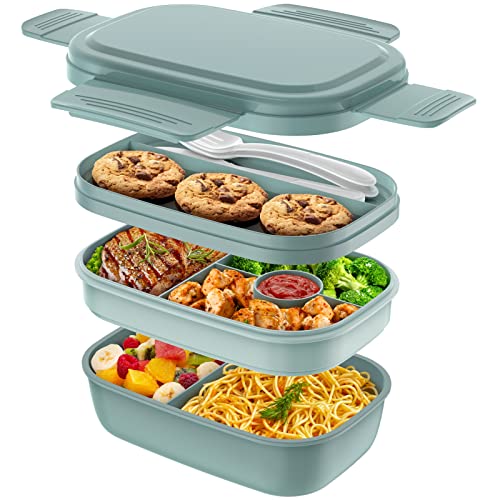
Containers matter too. Separate compartments stop cold foods from sharing a space with warm ones and keep wet items from soaking dry ones. The HOMETALL set is a three-tier stackable bento style for adults. The listing doesn’t call it insulated, so think of it as an organizer you’d slip inside an insulated bag, not a replacement for one.
HOMETALL Adult Lunch Box,3 Stackable Bento Lunch Containers for Adults
Editors' Favorite
Color: Green Size: 7.87 x 5.86 x 3.94 inches Dimensions: 7.87007873213 x 5.85826771056 x 3.94094487787 inches Weight: 0.82 Pounds Product Group: Kitchen Binding: Tools & Home Improvement
Shop NowHard-sided or soft: which keeps cool better
Soft bags are light and fold flat. They’re easy to toss into a backpack and usually cost less. Hard-sided boxes resist crushing, so a sandwich arrives looking like a sandwich.
Stainless steel
Stainless is durable and doesn’t hold smells or stains the way some plastics do. The Bentgo Kids stainless steel box is listed as leak-resistant with 3 compartments, which suits wet and dry foods side by side. Steel by itself isn’t a strong insulator unless the walls are double-layered, and the listing doesn’t say they are, so plan on adding an ice pack.
Fabric and foam
Fabric bags with a thick liner often hold temperature longer for the weight. Look for a zip closure that seals fully, since a gap lets warm air in. A wipe-clean liner helps, because spills in a lunch bag go sour fast.
Bentgo Kids Stainless Steel Leak-Resistant Lunch Box, 3 Compartments

Editors' Favorite
Color: Fuchsia Size: 9.8 in x 7.6 in x 1.6 in Dimensions: 2.9921259812 x 3.8582677126 x 0.6299212592 inches Weight: 1.6 Pounds Product Group: Kitchen Binding: Office Product
Shop NowWhat to pack when there’s no fridge
Some foods are forgiving and some aren’t. Hard cheese, whole fruit, raw vegetables, nut butter sandwiches and hummus in a small cold container all handle a few hours well. Raw fish, cut melon, egg salad and cooked pasta with cream sauce are the ones to treat carefully.
Foods that travel well cold
Pasta salad with an oil-based dressing, grain bowls, wraps, boiled eggs in the shell and sliced cucumbers keep their texture when cool. Pack dressings separately so nothing goes soggy. Berries do better in a small rigid container than loose in the bag.
Foods to reconsider
Anything creamy, anything with raw egg, and anything that was cooked and then left out before packing. If you can’t keep it under 40°F, pick something shelf-stable instead. Peanut butter crackers beat a questionable chicken salad every time.
Match the box to your day
A short school morning needs less than a ten-hour workday. For a kid heading to class, a small soft bag and one slim ice pack is plenty. For an adult commuting by train and eating at a desk with no fridge, a thicker liner and two packs make more sense. If you’ll be outside in summer, go heavier on the cold source and lighter on the perishable items.
Size matters here as well. A bag that’s too big leaves air space, and a bag that’s too small forces you to crush the pack against the food. Aim for a snug fit, with room for one ice pack and a drink. Check the product dimensions on the listing before you buy, since a lunch bag that looks roomy in a photo can turn out smaller in person.
Common mistakes that warm up your lunch
Leaving the bag in a hot car is the big one. Even a good insulated bag loses ground quickly in a parked car, and the inside of a car can climb well past 100°F. Keep it with you, or at least in the shade.
Opening the bag repeatedly is another. Every peek lets cool air out. Pack in the order you’ll eat, with the ice pack on top, and open it once.
Packing too loose also hurts. Empty space holds warm air. Fill gaps with a napkin or an extra snack so the pack stays in contact with the food.
Skipping the ice pack
Relying on insulation alone is the most common error. Insulation without a cold source only delays the warm-up a little.
When to replace your lunch box
Replace a bag when the zipper no longer closes, the liner peels, or a smell lingers after washing. A torn liner can’t be cleaned properly, and trapped residue is a food safety problem. Plastic lids that no longer seal are another sign.
Wash it every day or two. Wipe the liner with warm soapy water, then let it dry open. A damp, closed bag grows mildew.
If you’re shopping from scratch, our roundups can narrow the field. Start with the best lunch box guide, or look at the best lunch container picks if you want leak-proof boxes to slip inside an insulated bag. Long days call for a different setup, so see the best lunch box for a 12 hour shift. Teachers can check the best lunch box for teachers, and parents of little ones might like the best lunch box for kindergarten. Older students have their own list in best lunch box for high schoolers.
FAQ
How long does a keep cool lunch box stay cold?
It depends on the insulation, the ice pack and the outside temperature. With a frozen pack and chilled food, many insulated soft bags hold safe temperatures for around four hours, but we can’t promise a number for any one product. Keep the two-hour rule in mind for perishables if there’s no cold source.
Do I need an ice pack in an insulated lunch bag?
Yes, for perishable food. Insulation slows warming but doesn’t cool anything. A frozen gel pack or frozen water bottle is what keeps dairy, meat and cut fruit under 40°F.
Where should the ice pack go?
On top of the food, or on both sides if the bag is large. Cold air sinks, so a pack on top cools everything beneath it.
Can I use a stainless steel lunch box to keep food cold?
You can, but add an ice pack. Single-wall steel conducts heat, so it won’t keep food cold by itself. Slipping it into an insulated bag helps a lot.
How do I keep a lunch box from smelling?
Wash it after every use, dry it fully with the lid open, and wipe the zipper track. A little baking soda in a dry bag overnight can absorb leftover odors.









Write Your Review
No reviews yet. Be the first to share your experience!