

A bbq grill electric outdoor setup works best when you match the power source to your patio: a plug-in electric grill needs a safe outlet within reach, while pellet models like the DAMNISS combo use electric controls to feed and regulate wood pellets. Either way, you get steadier heat than a pile of lit charcoal.
This guide explains how outdoor electric grills work, what to check before you buy, how to cook on one, and where a thermometer or a charcoal backup fits in. No hype. Just the points that decide whether you’ll actually enjoy using it.
What an outdoor electric BBQ grill actually is
Most people mean one of two things. The first is a plug-in grill with a heating element under the grate. You switch it on, set a dial, and cook. The second is a pellet grill, which burns compressed wood pellets but relies on electricity for the auger, the fan and the controller. Both count as “electric” in everyday talk, and they behave very differently.
A plug-in element grill is simple and quick to start. It won’t give you a deep wood-smoke flavor, though. A pellet grill gives you real smoke, but it’s bigger, heavier and costs more. If you want to browse the wider category first, our best electric grill roundup compares the common styles.
Pellet grills with electric control
The DAMNISS Pellet Smoker Grill Combo is a good example of the second type. Its listing describes a 456 square inch cooking area and PID temperature control with a range of 180 to 450 degrees Fahrenheit. PID control adjusts heat in small, constant steps instead of letting it swing up and down. That matters for long cooks like ribs or a pork shoulder.
Because it’s built for patios and backyards, it needs a power outlet for the controller. Plan for that before you pick a spot.

DAMNISS
8-in-1 Pellet Smoker Grill with PID Control: DAMNISS 456 Sq In Electric BBQ Smoker for Backyard Cooking
This DAMNISS pellet grill smokes, sears, bakes, and roasts across 456 square inches using wood pellets, with PID temperature control holding your set point from 180°F low-and-slow up to 450°F searing heat. Buy it if you want one outdoor cooker that replaces a separate smoker and grill without babysitting the fire or juggling charcoal.
Pros and Cons
Pros
- Eight cooking modes including smoke, sear, bake, roast, braise, and char-grill from a single appliance.
- Stainless steel body resists corrosion through seasons of outdoor exposure.
- The tight-sealing lid holds heat, which matters most during long low-temperature smokes.
- Compact footprint fits a patio or small backyard without dominating the space.
Cons
- It needs an electrical outlet to run the auger and controller, which limits placement and rules out tailgating without a generator.
- The 450°F ceiling is lower than a gas grill, so you will not get hard steakhouse-grade char.
DAMNISS 8-in-1 Pellet Smoker Grill with PID Control: DAMNISS 456 Sq In Electric BBQ Smoker for Backyard Cooking
DAMNISS
8-in-1 Pellet Smoker Grill with PID Control: DAMNISS 456 Sq In Electric BBQ Smoker for Backyard Cooking
This DAMNISS pellet grill smokes, sears, bakes, and roasts across 456 square inches using wood pellets, with PID temperature control holding your set point from 180°F low-and-slow up to 450°F searing heat. Buy it if you want one outdoor cooker that replaces a separate smoker and grill without babysitting the fire or juggling charcoal.
$279.99 at AmazonEditors' Favorite
Color: Olive Green Size: 456 Sq.In with shelf tray & meat probe Dimensions: 21 x 39 x 35 inches Weight: 80 pounds Product Group: Lawn & Patio Binding: Unknown Binding
Shop NowHow to pick the right size and power setup
Start with how many people you cook for. A 456 square inch grate is a mid-size surface. It suits a family dinner or a small gathering, but a big cookout would mean cooking in batches. Count your usual burgers or chicken pieces and compare that with the listed area.
Outlet and cord
Keep the grill within reach of a grounded outdoor outlet. Skip thin indoor extension cords. If you have to use one, choose a heavy-duty outdoor-rated cord and keep the plug connection off wet ground.
Weather and placement
Electronics and rain don’t mix. Put the grill on a flat, stable surface with open air around it, away from siding, railings and low branches. A cover helps when it’s not in use. Check the maker’s manual for clearance distances, since they vary by model.
Cooking on an electric grill
Preheat first. Give the grate several minutes to come up to temperature before food goes on, then oil the food lightly rather than the grate. Thin cuts such as burgers, sausages, chicken thighs and vegetables do well at medium-high heat. Thicker cuts want a lower setting and more time.
On a pellet unit with a 180 to 450 degree range, the low end suits slow smoking and the high end suits finishing and browning. It tops out at 450, so it’s more of a roaster and smoker than a screaming-hot steakhouse grill.
Low and slow
For ribs, brisket or pulled pork, set a low temperature and leave the lid shut. Every peek lets heat out. Pull the meat by internal temperature, not by the clock.
Quick weeknight cooks
For fast meals, pick a higher setting and keep the pieces uniform in size so they finish together. Rest the meat a few minutes before slicing.
Why a thermometer is worth adding
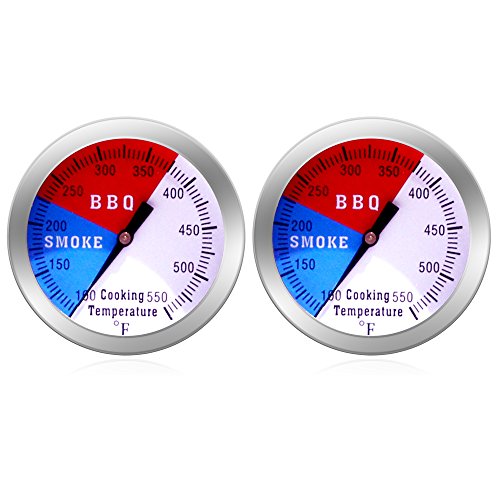
Built-in dials can drift, and lid thermometers only tell you about the air near the top. A separate gauge gives you a second opinion. The NEWSTART BBQ Thermometer Gauge comes as a 2 pack and is described as a charcoal grill, pit and smoker temperature gauge with Fahrenheit markings and a heat indicator. At about $12 it’s a cheap check.
One caution: it’s a dial gauge made for lids and pits, not a probe for the inside of your meat. Use it to watch grill heat, and use a separate meat thermometer for doneness.
NEWSTART
Charcoal Grill and Smoker Temperature Gauge with Color-Coded Heat Zones - NEWSTART BBQ Thermometer, 2 Pack
This stainless steel gauge mounts directly into a charcoal grill or smoker lid and reads pit temperature from 100 to 550 degrees Fahrenheit on an oversized dial you can check from across the patio. Buy it if you run a kettle grill, drum smoker, or DIY build that shipped without a lid thermometer, since the two-pack lets you monitor both the firebox and cooking chamber.
Pros and Cons
Pros
- Stainless steel housing stands up to direct lid heat and outdoor storage between cooks.
- Wing nut fastening means you can pull the gauge for cleaning or swap it to another pit.
- The two-pack covers multiple cookers or gives you a spare for the price of most single gauges.
- Backed by a 12 month warranty with manufacturer support.
Cons
- The stem measures dome temperature at lid level, which typically runs hotter than the grate where your food sits, so expect an offset.
- Mounting requires an existing hole in your lid or drilling one yourself, and the gauge ships without a calibration adjustment.
NEWSTART Charcoal Grill and Smoker Temperature Gauge with Color-Coded Heat Zones - NEWSTART BBQ Thermometer, 2 Pack
NEWSTART
Charcoal Grill and Smoker Temperature Gauge with Color-Coded Heat Zones - NEWSTART BBQ Thermometer, 2 Pack
This stainless steel gauge mounts directly into a charcoal grill or smoker lid and reads pit temperature from 100 to 550 degrees Fahrenheit on an oversized dial you can check from across the patio. Buy it if you run a kettle grill, drum smoker, or DIY build that shipped without a lid thermometer, since the two-pack lets you monitor both the firebox and cooking chamber.
$11.99 at AmazonEditors' Favorite
Color: 2 Pack Size: thermometer-2 Dimensions: 3.0708661386 x 1.574803148 x 1.574803148 Inches Weight: 0.15 Pounds Product Group: Lawn & Patio Binding: Misc.
Shop NowWhen a charcoal or portable grill makes more sense
Not everyone has an outlet near the grilling spot. If you cook at a campsite, on a beach or at a park, electric simply won’t work. In that case a compact charcoal grill is the practical alternative. It’s not electric, so treat it as a different tool for a different job.
The Kendane 12-inch foldable camping charcoal grill is a tabletop model with a detachable grate, listed as rust-resistant and quick to assemble. It’s small, so think two or three burgers at a time. For more options in this style, see our best portable grill and best charcoal grill pages.
Kendane 12" Foldable Portable Camping Charcoal Grill - Rust-Resistant Compact Tabletop Grill with Detachable Grate & Quick Assembly for Outdoor Cooking BBQ Smokes Beach Patio Backyard

Kendane
12" Foldable Portable Camping Charcoal Grill - Rust-Resistant Compact Tabletop Grill with Detachable Grate & Quick Assembly for Outdoor Cooking BBQ Smokes Beach Patio Backyard
$27.64 at AmazonEditors' Favorite
Color: S Black Size: 12" Dimensions: 9.5 x 12 x 5.1 inches Weight: 6 pounds Product Group: Lawn & Patio
Shop NowCommon mistakes with outdoor electric grills
Overloading the grate is the big one. Crowded food steams instead of browning. Leave gaps.
Another is ignoring grease. Drippings build up and can flare or smoke. Clean the grate and drip area after each cook while it’s still warm. A grill mat can make cleanup easier on some setups, though you should check that a mat is safe for your model’s temperature range first.
People also forget to budget. If you’re weighing price against features, our guides for grills under $300 and cheap BBQ grills help set expectations.
Care and when to replace
Seasonal storage matters too. Before winter, clean out the grill completely, check that nothing is left inside to attract pests, and store it covered in a dry spot if you can. A little attention at the end of the season saves you from surprises at the first cookout of spring.
Wipe down the exterior, empty ash or pellet dust, and cover the grill between uses. Keep the cord dry and look it over for cracks before each season. If the controller misbehaves, the heating element won’t hold temperature or the body is rusting through, it’s time to shop again. Smoker fans can compare picks in our best smoker grill guide.
Safety basics before the first cook
Read the manual start to finish before you plug anything in. Electric and pellet grills each have their own startup routine, and skipping a step can mean a failed ignition or an error code. Keep children and pets back from the grill while it heats, because the lid, grate and sides stay hot long after you switch it off.
Grease and fire awareness
Built-up grease is the usual cause of flare-ups. Scrape the grate before and after cooking, empty the drip tray, and never leave a hot grill unattended. Keep a lid, a spray bottle or a fire extinguisher rated for grease nearby. Don’t use water on a grease fire.
Power and moisture
Unplug the grill when you’re done and let it cool fully before covering it. Don’t hose down the controller or the plug area. Wipe those parts with a damp cloth instead, and let everything dry before storing.
Wood pellets and storage
If you use a pellet model, keep the pellets in a sealed container away from rain. Damp pellets swell, jam the auger and burn poorly. Only fill the hopper with what you plan to use soon, and brush out leftover dust now and then.
FAQ
Can you use an electric grill outdoors?
Yes, if it’s designed for outdoor use. Plug it into a grounded outlet, keep the cord off wet surfaces, and store or cover it when it rains. Always follow the manual for your model.
Do electric grills give food a smoky flavor?
Plug-in element grills mostly don’t. Pellet grills with electric controls, like the DAMNISS combo, burn wood pellets and do add smoke flavor. Pick based on how much smoke you want.
How hot does a pellet-electric grill get?
The DAMNISS listing states a 180 to 450 degree Fahrenheit range with PID control. That’s plenty for smoking, roasting and general grilling, but it isn’t built for extreme searing heat.
Do I need a separate thermometer?
It’s smart to have one. Built-in readings can be off, and a dial gauge such as the NEWSTART 2 pack gives a quick second reading of grill temperature. For meat doneness, use a dedicated meat probe.
What if I don’t have power outdoors?
Go with a charcoal or propane grill instead. A small foldable charcoal model like the Kendane 12-inch works for camping and tabletop use, as long as you follow safe charcoal practices.








Write Your Review
No reviews yet. Be the first to share your experience!