

A Jenn Air barbecue grill is a premium outdoor cooking appliance from a brand best known for high-end kitchen equipment, and the right way to shop for one is to start with the burner layout, the cooking surface and your space, not the badge. This guide walks through what to look at, what to budget for, and which accessories are worth buying alongside the grill.
We’re a research team, so we won’t pretend to have cooked on every model. What we can do is lay out the decisions that matter and point you to products from our database that fit the job.
What to know before you shop for a Jenn Air barbecue grill
Start with the fuel and the install type. Gas grills heat fast and hold steady temperatures. Charcoal grills take longer to set up but give a deeper smoky flavor. Electric grills suit balconies where open flame is banned. Built-in grills sit inside an outdoor kitchen island, while freestanding carts can move around the patio.
Pick the install type first. A built-in unit needs a cutout, a gas line and clearance from combustible surfaces. That’s a contractor job, not a weekend project.
Budget and warranty
Premium grills cost real money, and the price gap between a mid-range cart and a built-in outdoor kitchen unit can run into the thousands. If your budget is tighter, our guides to the best grill under 400 and the best grill under 600 show what the mid-range looks like. Check the warranty terms on burners, the firebox and the lid before you buy, since those are the parts that wear first.
Size and cooking area
Count how many people you cook for on a normal weekend. Four burgers fit on almost anything. Twelve, plus corn and vegetables, need a larger grate and at least two heat zones. Bigger isn’t always better, though. A huge grill burns more fuel and takes longer to preheat.
How to choose the cooking surface
The grate material decides how well the grill sears and how much cleanup you’ll face. Cast iron holds heat and leaves strong grill marks, but it needs seasoning. Stainless steel is easier to maintain and resists rust. Porcelain-coated grates sit in between.
Whatever the grate, a good grill pan is a handy backup for small items that would fall through the bars: shrimp, sliced vegetables, thin fish fillets. A ridged cast iron pan also lets you grill indoors on the stove when the weather turns bad.
The Outset Cast Iron Grill Pan With Ridges measures 8.5 by 14.25 by 1.5 inches, so it’s sized for a couple of steaks or a handful of vegetables rather than a full family meal. The ridges lift food off the surface so fat drains away, and the cast iron holds heat well. The trade-off is weight and upkeep. Cast iron needs drying and a light oil coat after washing, and it won’t suit anyone who wants to toss cookware in the dishwasher.

Outset
Indoor and Outdoor Grilling: Outset Cast Iron Grill Pan With Ridges, 8.5 x 14.25 Inches
The Outset cast iron grill pan creates grill marks on steaks, chicken, vegetables, and paninis while deep ridges lift food away from excess oil. Buy it if you want a durable pan for grill, oven, and stovetop cooking and do not mind hand washing.
Pros and Cons
Pros
- Works on a grill, in an oven, or on a stove for flexible meal preparation.
- Deep ridges help separate food from excess oil while limiting splatters.
- Heavy-duty cast iron withstands high cooking temperatures and is built for durability.
- Stainless steel handles improve transport from the cooking surface to the counter.
Cons
- Hand washing and immediate drying are required to maintain the cast iron.
- The 8.5 x 14.25-inch rectangular design may need substantial storage space.
Outset Indoor and Outdoor Grilling: Outset Cast Iron Grill Pan With Ridges, 8.5 x 14.25 Inches
Outset
Indoor and Outdoor Grilling: Outset Cast Iron Grill Pan With Ridges, 8.5 x 14.25 Inches
The Outset cast iron grill pan creates grill marks on steaks, chicken, vegetables, and paninis while deep ridges lift food away from excess oil. Buy it if you want a durable pan for grill, oven, and stovetop cooking and do not mind hand washing.
$42.99 at AmazonEditors' Favorite
Color: Black Size: 14.3" x 8.5" x 1.5" Dimensions: 14.25 x 8.5 x 1.5 inches Product Group: Kitchen Binding: Kitchen
Shop NowHeat zones and temperature control
Most good grilling comes down to heat control. Set up a hot side and a cooler side, sear on the hot side, then move food over to finish. Gas grills make this easy with independent burner knobs. Charcoal makes you build it by hand, piling coals to one side.
Direct heat
Direct heat suits thin cuts and quick foods: burgers, hot dogs, sausages, sliced vegetables. Keep the lid open for thin items so they don’t overcook while you look away.
Indirect heat
Indirect heat suits thick cuts, whole chickens and ribs. Turn off the burner under the food, or push the coals aside, then close the lid and let the grill act like an oven. Patience pays here.
If you lean toward smoky flavor, look at our picks for the best smoker grill and the best charcoal grill. For apartment living, the best electric grill guide covers the no-flame option.
Lighting the fire the easy way
If you cook on charcoal, or use a gas grill with a charcoal tray, a reliable starter saves time and keeps lighter fluid away from your food. Fluid can leave a chemical taste when it doesn’t burn off fully.
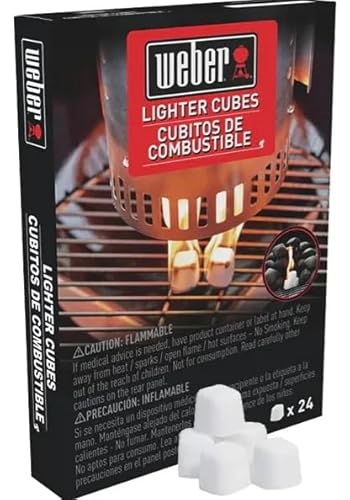
The Weber Grill Fire Starter set comes as a 24-piece pack, sold here as a three-pack. Starter cubes like these light with a match, burn long enough to catch the coals, and they’re easy to store. They don’t replace good airflow, though. Stack the charcoal in a pyramid or chimney and leave room for air, or even the best starter won’t help much.
Weber
Charcoal Grill Fire Starter Cubes for Fast Lighting: Weber Lighter Cubes, 24-Count Box (3-Pack, 72 Cubes)
These paraffin wax cubes light a charcoal grill or chimney starter quickly and stay lightable even when wet, so you skip lighter fluid entirely. Buy them if you cook over charcoal regularly and want coals going without the chemical aftertaste fluid leaves behind.
Pros and Cons
Pros
- Lights reliably even when wet, unlike newspaper or cardboard starters.
- No chemical aftertaste transfers to burgers, steaks, or smoked meats.
- Compact cubes store easily beside a chimney starter or in a grill cabinet.
- Buying three boxes at once lowers the cost per cook compared to single boxes.
Cons
- Cubes are single-use, so heavy grillers will burn through a box faster than expected.
- Paraffin wax can soften or stick together if boxes sit in direct summer heat.
Weber Charcoal Grill Fire Starter Cubes for Fast Lighting: Weber Lighter Cubes, 24-Count Box (3-Pack, 72 Cubes)
Weber
Charcoal Grill Fire Starter Cubes for Fast Lighting: Weber Lighter Cubes, 24-Count Box (3-Pack, 72 Cubes)
These paraffin wax cubes light a charcoal grill or chimney starter quickly and stay lightable even when wet, so you skip lighter fluid entirely. Buy them if you cook over charcoal regularly and want coals going without the chemical aftertaste fluid leaves behind.
$25.83 at AmazonEditors' Favorite
Color: White Dimensions: 6.3 x 5.2 x 8.8 inches Weight: 0.000625 pounds Product Group: Outdoors Binding: Apparel
Shop NowCommon mistakes with premium grills
Expensive grills don’t fix bad habits. Here are the mistakes that show up most often.
Skipping the preheat
Give a gas grill 10 to 15 minutes with the lid closed. Cold grates make food stick and sear poorly.
Pressing the meat
Squeezing burgers with a spatula pushes juices into the fire. Leave them alone.
Ignoring cleanup
Brush the grates while they’re still warm. Burned-on residue turns bitter and builds up fast. Grease left in the tray is also a fire risk.
A grill mat can help with sticky or small foods and makes cleanup easier. See our list of the best grill mats for options.
When to repair, replace or step down in price
Burners, igniters and grates are all replaceable. If the firebox is rusted through or the frame is bent, replacement makes more sense. And if a premium model is more than you need, plenty of strong choices cost far less. Compare the best portable grill, the best cheap BBQ grill and the best grill under 300 before you commit.
Gift shopping for a grill fan? You don’t have to buy the grill itself. Accessories, sauces and tools make a good present, and they let the recipient choose their own cooker.
Caring for the grill season after season
A premium grill lasts longer when you treat it well. After each cook, burn off residue for a few minutes, then brush the grates. Once a month in season, empty the grease tray and wipe the inside of the lid, where baked-on smoke can flake off onto food.
Covers and storage
A fitted cover keeps rain, pollen and leaves out of the burners. Let the grill cool fully before covering it, or trapped heat and moisture will speed up rust. In cold climates, disconnect and store propane tanks upright, outdoors and away from the house.
Yearly checks
Once a year, look over the gas hose and connections for cracks. Brush a little soapy water on the joints with the gas on. Bubbles mean a leak, so shut off the supply and get it fixed before you cook again. Clear spider webs from burner tubes too, since they can block the flow of gas.
Seasoning cast iron accessories
Cast iron pans and grates like a thin coat of high-heat oil after cleaning. Wipe on a very light layer, then heat until it stops smoking. That builds a natural nonstick surface and keeps rust away.
Wind and placement
Set the grill on a flat, non-combustible surface at least a few feet from walls, railings and overhanging branches. Wind can blow out gas burners and pull heat away from the food, so a sheltered spot gives steadier temperatures. Keep a fire extinguisher or a bucket of sand within reach, and never leave a lit grill alone with kids or pets nearby. Those habits matter more than any feature on the spec sheet.
FAQ
Is a Jenn Air barbecue grill worth the price?
It depends on how often you cook outdoors and whether you’re building an outdoor kitchen. Premium grills offer sturdier construction and better fit and finish, but a mid-range grill cooks food just as well for many households. Compare warranty terms and parts availability before paying extra.
Are Jenn Air grills gas or charcoal?
Check the exact model listing, since fuel type varies by product and by year. Confirm whether it uses natural gas, propane or another fuel before buying, because converting a grill later isn’t always possible.
Can I put a grill in an outdoor kitchen island?
Only if it’s a built-in model designed for that. Freestanding carts aren’t meant to sit inside combustible enclosures. Follow the manufacturer’s clearance specs and local codes.
How do I light charcoal without lighter fluid?
Use a chimney starter or fire starter cubes. Stack the charcoal loosely, light the starter underneath, and wait until the coals are covered with gray ash before you spread them out.
What accessories do I need first?
A good brush, long tongs, a grill pan for small foods, and a reliable way to light the fire. Add a thermometer if you cook thick cuts often.






Write Your Review
No reviews yet. Be the first to share your experience!