

TL;DR — The best enameled cast iron frying pan is a moderately weighted skillet (around 5–6 lb for a 10-inch) with gently flared sides, a large main handle plus a helper handle, and a smooth, light-colored interior enamel. Enamel is a glass coating fused onto cast iron, so it delivers cast iron’s heat retention without the seasoning or rust worries of bare iron and, being non-reactive, it handles tomatoes, wine, and citrus that raw iron can’t. It’s not nonstick, so it wants preheating and fat. Le Creuset and Staub lead the premium tier; Lodge, Cuisinart, and Crock-Pot cover value. For adjacent gear, see our best cookware sets and best nonstick cookware guides.
The HomeWhisk editorial team researches kitchen equipment by analyzing manufacturer specifications, material construction, and aggregated user reviews from major retailers and cooking communities like Reddit’s r/castiron and r/Cooking. Our guidance reflects how enameled cast iron actually behaves over years of use, not marketing claims.
“What is the best enameled for frying pan” is really a question about enameled cast iron skillets — the frying pans that pair cast iron’s mass and heat retention with a fused glass coating instead of a seasoned surface. They occupy a useful middle ground: more forgiving than bare cast iron, more capable with acidic and saucy foods, and more attractive at the table. But enamel behaves differently from both raw iron and nonstick, and picking the right one means understanding what the coating can and can’t do. This guide covers the mechanism, the features that separate good pans from frustrating ones, and where the well-known brands land. For broader kitchen kits, see our best cookware sets and best copper cookware guides.
What Enameled Cast Iron Actually Is
An enameled cast iron pan starts as ordinary cast iron — molten iron poured into a mold, giving a thick, heavy pan with high thermal mass. The difference is the surface: a layer of porcelain enamel, which is powdered glass fused to the iron at around 1,500°F. That glass coating changes everything about how you use the pan.
- No seasoning required. Bare cast iron relies on a baked-on layer of polymerized oil to become stick-resistant and rust-proof. Enamel replaces that entirely — the glass surface is already sealed, so you never season it and it won’t rust.
- Non-reactive. Bare iron reacts with acidic foods, stripping seasoning and lending a metallic taste. Enamel is chemically inert, so tomato sauce, wine, lemon, and vinegar are all fine.
- Easier care. You can wash it with soap and a little scrubbing, and long simmers of acidic braises won’t harm it.
The trade-off: enamel is glass, so it can chip if dropped or banged, and it can crack or craze under thermal shock. It’s also not nonstick — the smooth surface helps, but eggs and delicate fish still stick without adequate preheating and fat.
Enameled Cast Iron vs. Bare Cast Iron vs. Nonstick
Choosing well means knowing what each surface is for.
- Bare cast iron develops a genuinely nonstick, high-heat-tolerant seasoned surface and is cheapest, but it rusts if neglected, reacts with acid, and needs upkeep. Great for searing steak, cornbread, and skillet pizza.
- Enameled cast iron trades that seasoned nonstick quality for zero maintenance, acid tolerance, and looks. Best for braises, sauces, shallow frying, and anything you want to bring to the table. See our best cookware sets guide for multi-piece options.
- Nonstick (PTFE or ceramic) is unbeatable for eggs and low-fat cooking but wears out in a few years and can’t take high heat or metal utensils. Our best nonstick cookware guide covers that category.
Enameled cast iron is the versatile all-rounder — not the best at any single extreme, but capable across the widest range without fuss.
Weight and Heat Behavior: Lighter Is Often Better
Cast iron’s reputation for even heat is partly a myth: iron is actually a mediocre heat conductor, which is why bare cast iron develops hot spots over a burner. What cast iron does well is retain and store heat thanks to its mass, so it holds temperature when cold food hits it.
The practical consequence for a frying pan is that excessively heavy pans aren’t better — they take longer to heat, respond sluggishly to burner changes, and are punishing to lift and maneuver. Aggregated reviews and buying guides consistently favor moderately weighted skillets (roughly 5–6 lb for a 10-inch) that heat more evenly and quickly and are far easier to handle. Extremely heavy pans strain the wrist, especially when full. Give any enameled skillet a few minutes of preheat on medium before cooking — that lets the mass equalize and prevents sticking.
Shape, Handles, and Interior Color
Three physical details separate a pleasant skillet from an annoying one.
- Gently flared sides. Sloped, curved sides make it easy to slide a spatula under food, flip, and pour off fat or sauce. Straight, tall walls trap steam and make maneuvering awkward. Flared sides are better for a frying pan (as opposed to a braiser).
- A large main handle plus a helper handle. Cast iron is heavy, and a big, comfortable main handle plus a loop helper handle on the opposite side lets you lift and move the pan safely with two hands — important when it’s full and hot from the oven.
- Light-colored interior enamel. A cream or light interior lets you monitor fond (the browned bits) and how dark a sauce is getting. Dark interiors (like Staub’s black matte enamel) hide fond but are designed to be more scratch- and stain-forgiving. Both work; it’s a visibility-versus-forgiveness trade.
Oven Use, Induction, and Care
Enameled cast iron is genuinely versatile across heat sources:
- Oven-safe to high temperatures, though the limiting factor is often the knob or handle material — check the manufacturer’s rating (many go to 450–500°F). This makes it ideal for stovetop-to-oven braises and roasts.
- Induction-compatible. Because the base is solid iron, enameled cast iron works on every cooktop including induction, and holds heat well on all of them. For induction, keep the pan centered and avoid sliding it, which can scratch a glass cooktop.
- Care: let the pan cool before washing to avoid thermal shock, avoid harsh abrasives that scratch enamel, and use wood, silicone, or nylon utensils. For stubborn stains, a paste of baking soda and water lifts most discoloration. Never drop it — a chip in the enamel exposes the iron beneath.
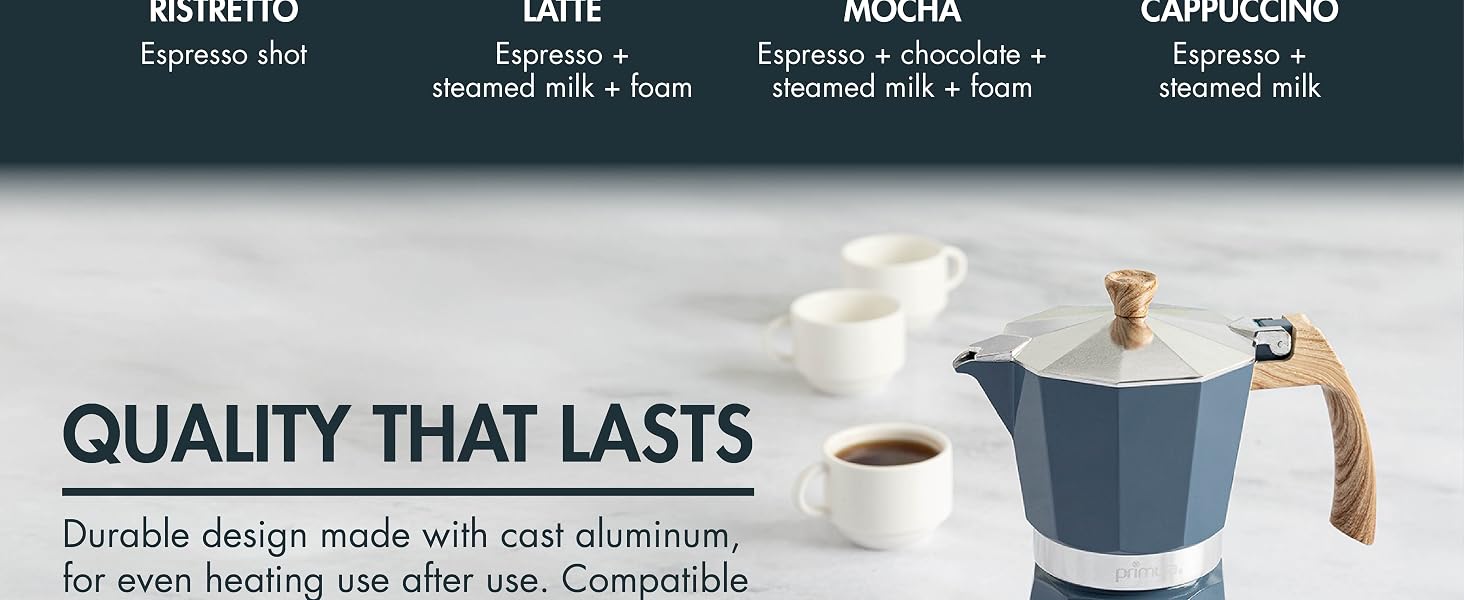
You do not season enameled cast iron, and metal utensils should be avoided even though the surface is hard, since they can eventually mar it. For camping-style rugged cookware, see our best camping cookware guide; for stovetop espresso, our best moka pot guide; for pressure cooking, our best instant pot guide.
Frequently Asked Questions
Which is better, cast iron or enameled cast iron?
Neither is universally better — they suit different cooking. Bare cast iron develops a seasoned, high-heat-tolerant nonstick surface ideal for searing and baking, but it rusts, reacts with acidic food, and needs maintenance. Enameled cast iron needs no seasoning, won’t rust, tolerates tomato and wine, and looks good enough for the table, but it isn’t as nonstick and can chip. If you sear steaks and bake cornbread, choose bare iron; if you braise, make sauces, and want zero upkeep, choose enameled.
Is there anything you can’t cook in an enameled cast iron skillet?
It handles almost everything, but two things are weak spots. Delicate proteins like eggs and flaky fish still stick because enamel isn’t nonstick, so a nonstick pan is easier there. And very high, prolonged dry heat — such as aggressive smoke-point searing or preheating an empty pan on high — can damage or discolor the enamel over time. For daily eggs, use nonstick; for everything from shallow frying to braising, enameled cast iron excels.
Can you put an enameled cast iron skillet in the oven?
Yes, and it’s one of its best features. The iron body and enamel tolerate high oven temperatures, so you can sear on the stovetop then finish in the oven, or braise low and slow. The real limit is usually the handle or knob material rather than the pan itself — check the manufacturer’s maximum, often around 450–500°F. Use oven mitts, because the handles get every bit as hot as the pan and stay hot for a long time.
Can you use enameled cast iron on an induction burner?
Yes. Induction needs a magnetic ferrous base, and cast iron is solid iron, so enameled cast iron works on induction as well as gas, electric, and ceramic cooktops. It holds heat especially well on induction. Two tips: enameled cast iron is heavy, so lift rather than slide it to avoid scratching a glass induction surface, and center the pan on the element for even heating. The pan’s thermal mass means it’s slower to respond to induction’s quick power changes.
Do you have to season enameled cast iron?
No. Seasoning is only for bare cast iron, where baked-on oil creates the rust-proof, stick-resistant surface. Enameled cast iron is coated in fused glass that’s already sealed, so it never needs seasoning and won’t rust. Just wash it, dry it, and store it. The one thing enamel does need is care against chipping and thermal shock: don’t drop it, let it cool before washing, and avoid harsh abrasives that can scratch the glass surface.
Is enameled cast iron safe? Are there health risks?
Quality enameled cast iron is considered safe for cooking. The enamel is inert glass, contains no PTFE or PFOA, and doesn’t leach the way some worry bare metal might. The main historical concern was lead or cadmium in colored glazes on cheap, imported decorative pieces; reputable cookware brands manufacture to food-safe standards and test their glazes. Buy from established makers, avoid unbranded decorative ware sold as cookware, and discard any pan whose interior enamel has chipped into the food.
The Bottom Line
The best enameled cast iron frying pan is a moderately weighted skillet with gently flared sides, a big main handle plus a helper handle, and an interior enamel color that fits how you cook — light to watch fond, dark for forgiveness. Enamel gives you cast iron’s heat retention and oven-and-induction versatility without seasoning, rust, or acid reactions, at the cost of true nonstick performance and a risk of chipping. Le Creuset and Staub lead the premium tier on fit and finish; Lodge, Cuisinart, and Crock-Pot deliver most of the function for far less. Preheat it, keep it off harsh abrasives, and don’t drop it, and it will outlast almost anything else in the kitchen. For related gear, see our best cookware sets, best nonstick cookware, best copper cookware, best camping cookware, best moka pot, and best instant pot guides.

Tastedeli
Searing and Baking Skillet: Tastedeli 8-Inch Enameled Cast Iron Pan with Pour Spouts
This 8-inch Tastedeli enameled cast iron skillet sears, bakes, grills, and roasts while retaining heat for even cooking. It suits solo cooks, couples, and campers who need a compact pan that moves from stove to oven or campfire.
Pros and Cons
Pros
- Enameled cast iron offers durable construction, strong heat retention, and even cooking.
- Dual pour spouts add practical control when draining oil or serving sauces.
- The skillet works on gas, electric, and induction stoves and is oven safe.
- Its removable silicone handle cover supports safer, more comfortable handling.
Cons
- The compact 1-quart capacity is intended for one or two people rather than family-size meals.
- Cast iron construction can be heavier to handle than similarly sized lightweight pans.
Zevpfulton Enameled Cast Iron Skillet, Nonstick Frying Pan (Peacock Blue, 10 inch)

Editors' Favorite
Color: Peacock Blue Size: 10 inch Dimensions: 10 x 10 x 2 inches Weight: 4.95 pounds Product Group: Kitchen Binding: Kitchen
Shop NowTastedeli Enameled Cast Iron Skillet 10inch with Pour Spouts for Searing Baking Grilling and Roasting,10" Frying Pan Cookware with Silicone Handel Cover,Durable Oven Safe Pan,Stove Campfire Use(Red)
Tastedeli
Enameled Cast Iron Skillet 10inch with Pour Spouts for Searing Baking Grilling and Roasting,10" Frying Pan Cookware with Silicone Handel Cover,Durable Oven Safe Pan,Stove Campfire Use(Red)
$29.99 at AmazonGreat Value
Color: Red Size: 10 INCH+ Handle Cover Dimensions: 4.25 x 10 x 1.97 inches Weight: 4.7 pounds Product Group: Kitchen
Shop NowHisencn Enameled Cast Iron Skillet Set - 3 Piece Ceramic Coated Fry Pan Set(8'',9.5'' 11''), PFAS/PTFE/PFOA Free, Oven & Induction Safe, Navy Blue Cookware for Gas/Electric Stovetop

Hisencn
Enameled Cast Iron Skillet Set - 3 Piece Ceramic Coated Fry Pan Set(8'',9.5'' 11''), PFAS/PTFE/PFOA Free, Oven & Induction Safe, Navy Blue Cookware for Gas/Electric Stovetop
$85.99 at AmazonColor: Navy Blue Size: 3 Pieces Dimensions: 46 x 27 x 2.24 inches Product Group: Kitchen
Shop NowTastedeli Searing and Baking Skillet: Tastedeli 8-Inch Enameled Cast Iron Pan with Pour Spouts
Tastedeli
Searing and Baking Skillet: Tastedeli 8-Inch Enameled Cast Iron Pan with Pour Spouts
This 8-inch Tastedeli enameled cast iron skillet sears, bakes, grills, and roasts while retaining heat for even cooking. It suits solo cooks, couples, and campers who need a compact pan that moves from stove to oven or campfire.
$24.99 at AmazonColor: Red Size: 8 INCH+ Handle Cover Dimensions: 3.9 x 8 x 1.68 inches Product Group: Kitchen
Shop NowMaldira Enameled Cast Iron Skillet, Frying Pan for Stove top and Oven Induction Compatible (Peacock Blue, 10 Inch)

Maldira
Enameled Cast Iron Skillet, Frying Pan for Stove top and Oven Induction Compatible (Peacock Blue, 10 Inch)
$36.99 at AmazonColor: Peacock Blue Size: 10 Inch Dimensions: 10 x 10 x 2 inches Weight: 2.3 Pounds Product Group: Kitchen
Shop Now


Write Your Review
No reviews yet. Be the first to share your experience!