

A metal French press coffee maker is a smart pick if you want full-bodied coffee from a brewer that won’t crack when it bumps the sink. Stainless steel is tougher than thin glass, and a double-wall pot can hold heat through the whole four-minute steep.
This guide covers what sets a metal press apart, how to brew with one, what to check before you buy, and when a different brewer is the better call. It’s built on product research and standard brewing practice, so you get the reasoning behind each tip.
What a metal French press does differently
Most French presses sold are glass beakers in a metal frame. They brew great coffee, but glass loses heat quickly and it chips, cracks and shatters. A metal press, usually stainless steel, swaps that fragility for a sturdier body. It’s the easier option for camping bags, crowded cabinets and kitchens with kids.
Heat is the other big difference. Brewing works best with water around 195 to 205 degrees Fahrenheit, and a single-wall pot of any material cools steadily while it steeps. A double-wall steel pot slows that loss, so the last minute of the steep is closer to the first. Single-wall steel conducts heat away quickly, so it behaves more like glass. Check the product page to see which construction you’re getting.
There’s one trade-off. You can’t see through steel, so you can’t watch the bloom rise or judge the brew by color. A kitchen timer fixes that. Set it and trust the clock.
How to brew coffee in a metal French press
The method is the same as for any immersion press: coarse grounds, hot water, a timed steep and a slow plunge. Small changes in each step show up in the cup, so it’s worth getting them right.
Grind and dose
Use a coarse grind, about the size of raw sea salt or coarse breadcrumbs. Fine grounds slip through the mesh filter, turn the cup muddy and over-extract into bitterness. A burr grinder gives the most even particles. If you’re shopping for one, our roundup of the best coffee grinding coffee maker options covers machines that grind and brew in one unit.
A good starting ratio is 1 part coffee to 15 parts water by weight. That means 30 grams of coffee for 450 grams of water, enough for about two small mugs. Want it stronger? Move toward 1 to 13. Want it lighter? Go to 1 to 17.
Water, bloom and steep
Pour in just enough hot water to wet all the grounds, about twice the weight of the coffee. Wait 30 seconds. That’s the bloom, and it lets trapped gas escape so the water can reach the grounds evenly. Then add the rest of the water, stir once gently, and set the lid with the plunger raised.
Steep for four minutes. Press the plunger down slowly, taking about 20 seconds. If it fights you, the grind is too fine. If it drops with no resistance, it’s too coarse.
Pour everything out right away. Coffee left sitting on the grounds keeps extracting and gets harsh within minutes. If you want to keep a second cup warm, decant it into a thermal carafe instead.
For a basic press at a modest price, the French Press Coffee Maker below is the simplest place to start. The listing title doesn’t say what the body is made of or how big it is, so confirm the material, capacity and whether the walls are insulated on the product page before you order.

French Press
12 oz French Press Coffee Maker for Single Serve Morning Brew - Affordable Small Batch Brewer
This 12 oz French Press brews a single serving of full-bodied coffee in under 5 minutes with no paper filters required. Best for solo coffee drinkers who want rich flavor without the waste or cost of pod machines.
Pros and Cons
Pros
- 12 oz capacity is ideal for single servings without brewing excess coffee that sits and gets bitter.
- Works without electricity, giving you hot coffee even during power outages or while traveling.
- Price point under $20 makes it an affordable entry into manual brewing methods.
Cons
- 3.6 star rating with zero verified reviews means performance and durability are unproven by actual buyers.
- Generic branding and minimal product details suggest basic construction that may not last through daily use.
French Press 12 oz French Press Coffee Maker for Single Serve Morning Brew - Affordable Small Batch Brewer
French Press
12 oz French Press Coffee Maker for Single Serve Morning Brew - Affordable Small Batch Brewer
This 12 oz French Press brews a single serving of full-bodied coffee in under 5 minutes with no paper filters required. Best for solo coffee drinkers who want rich flavor without the waste or cost of pod machines.
$19.50 at AmazonEditors' Favorite
Other Special Features of the Product: French Press Brewing Method Coffee Maker Type: French Press Specific Uses For Product: Regular Coffee, Espresso Operation Mode: Manual Human Interface Input: Buttons Coffee Input Type: Ground Coffee Smart Home Compatibility: Not Smart Home Compatible Power Source: Crank Filter Type: Reusable Capacity: 12 ounces Item Dimensions D x W x H: 3"D x 3"W x 7"H Item Weight: 0.5 Pounds Number of Items: 7 Unit Count: 1 Count coffee_filter_size: #4 Brand Name: French Press Included Components: Carafe, Filter Model Name: French Press Model Number: 8541895149 Customer Package Type: Standard Packaging Manufacturer: Kole Imports UPC: 731015245826 Part Number: OT368 Best Sellers Rank: #2,852,951 in Home & Kitchen (See Top 100 in Home & Kitchen) #460 in Coffee Presses ASIN: B07DQK7Y8B Color: black Style: French Material: Stainless Steel Exterior Finish: Matte Is the item dishwasher safe?: No Brand: French Press Product Dimensions: 3"D x 3"W x 7"H Special Feature: French Press Brewing Method
Shop NowHow to choose a metal French press
Once you know you want steel, a few details separate a pot you’ll use daily from one that ends up in the back of a cabinet.
Size
Presses are usually labeled by cups, but a “cup” in coffee-maker terms is only about 4 to 5 ounces. A 12-ounce press makes one large mug or two small cups. A 34-ounce press makes roughly four mugs. Pick the size you’ll fill most mornings, because a half-full press brews a little differently than a full one.
Filter and plunger
The filter does the real work. Look for a fine mesh screen, ideally two layers, that sits snug against the wall of the pot. Gaps let grounds escape. Metal mesh lets coffee oils through, which is why press coffee tastes richer and heavier than paper-filtered drip. It also leaves a little silt at the bottom of the cup. Don’t drink the last sip.
Insulation, handle and lid
A double-wall body keeps the outside cool enough to touch, but not every steel press has one. Check that the handle is attached firmly and stays cool, since you’ll be pouring near-boiling water. The lid should seat well so heat stays in during the steep. And if you plan to take the press outdoors, a compact shape packs more easily.
Cleaning
Read the maker’s care notes. Many steel pots can go in the dishwasher, but plungers with multiple screens collect grounds in the seams and need a hand rinse and a quick unscrew. A pot that comes apart easily is a pot you’ll actually clean.
If you’re still deciding between brewer types, the broader best coffee maker guide compares the main options side by side.
Metal French press vs. other ways to brew
A French press makes a heavy, rounded cup. It’s not the only way to get strong coffee at home, and sometimes another brewer fits better.
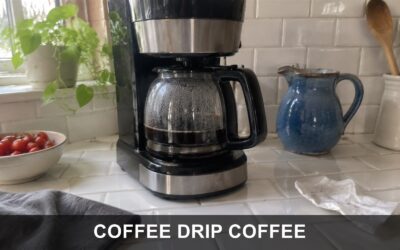
A drip machine is the fast, hands-off route, and it filters out the oils, so the cup is lighter and cleaner. If you drink your coffee plain, our picks for the best coffee maker for black coffee focus on machines that keep flavor clear. If heat is your priority, the best coffee maker for hot coffee roundup covers brewers that deliver a properly hot cup.
A moka pot is the closest alternative if you like intense coffee. It sits on the stove, and steam pressure pushes hot water up through the grounds into the top chamber. The result is concentrated and espresso-style, though it isn’t true espresso. The GROSCHE Milano Moka Pot is described in its title as a stovetop espresso percolator and coffee maker that’s portable and suited to home and camping. It’s a different brewer from a press, so think of it as an alternative, not a swap. A moka pot brews smaller batches and needs a finer grind than a press.

GROSCHE
Milano Stovetop Moka Pot Espresso Maker - 6 Cup Italian Coffee Percolator for Gas & Electric Stoves
This Italian-made moka pot brews rich stovetop espresso in minutes using gas or electric heat, with a safety valve and heat-resistant handle that solves the burnt-finger problem common in cheaper models. Buy it if you want barista-quality coffee at home without the cost or complexity of an electric espresso machine.
Pros and Cons
Pros
- Made in Italy with a larger, cooler-touch handle that addresses the most common moka pot complaint.
- Premium silicone gasket uses standard replacement sizes and creates a better seal than cheaper rubber versions.
- Works reliably on gas and electric stovetops plus camping stoves, giving you flexibility other brewers lack.
Cons
- Heats very slowly on induction cooktops because aluminum is not magnetic, requiring a separate induction adapter disk.
- Requires manual monitoring during brewing since there is no automatic shutoff like electric espresso makers.
GROSCHE Milano Stovetop Moka Pot Espresso Maker - 6 Cup Italian Coffee Percolator for Gas & Electric Stoves
GROSCHE
Milano Stovetop Moka Pot Espresso Maker - 6 Cup Italian Coffee Percolator for Gas & Electric Stoves
This Italian-made moka pot brews rich stovetop espresso in minutes using gas or electric heat, with a safety valve and heat-resistant handle that solves the burnt-finger problem common in cheaper models. Buy it if you want barista-quality coffee at home without the cost or complexity of an electric espresso machine.
$44.99 at AmazonEditors' Favorite
Other Special Features of the Product: Electric Stovetop Compatible, Gas Stovetop Compatible, Manual, Permanent Filter Coffee Maker Type: Percolator Specific Uses For Product: Coffee maker Operation Mode: Manual Wattage: 230 watts Human Interface Input: Touchscreen Coffee Input Type: ground Power Source: Manual Filter Type: Reusable Capacity: 9.3 ounces Item Dimensions D x W x H: 3.9"D x 3.9"W x 7.8"H Item Weight: 0.58 Pounds Number of Items: 1 Unit Count: 1.0 Count Brand Name: GROSCHE Included Components: Milk Frother Model Number: GR 439 Manufacturer: GROSCHE UPC: 627982004392 Part Number: GR 439 Best Sellers Rank: #4,013 in Home & Kitchen (See Top 100 in Home & Kitchen) #2 in Stovetop Espresso & Moka Pots ASIN: B0984GXSSP Customer Reviews: 4.4 4.4 out of 5 stars (25,253) 4.4 out of 5 stars Color: Blue Style: Modern Material: Aluminum Is the item dishwasher safe?: No Brand: GROSCHE Product Dimensions: 3.9"D x 3.9"W x 7.8"H Special Feature: Electric Stovetop Compatible, Gas Stovetop Compatible, Manual, Permanent Filter
Shop NowCommon mistakes with a metal French press
Most bad press coffee comes down to a handful of fixable habits.
The grind is too fine. This causes sludge, a stuck plunger and bitterness. Go coarser first before changing anything else.
The water is too hot. Boiling water scorches grounds. Let the kettle sit for 30 to 45 seconds after it boils.
The steep runs long. Four minutes is the standard. Past that you’re pulling out the bitter compounds.
The coffee sits in the pot. Pour it all out as soon as you’ve plunged.
The filter is dirty. Old oils turn rancid and make fresh coffee taste stale, so rinse the screen after every use and do a deeper clean weekly.
Also skip pre-ground coffee sold for drip machines. It’s almost always too fine for a press.
Cold brew and other uses
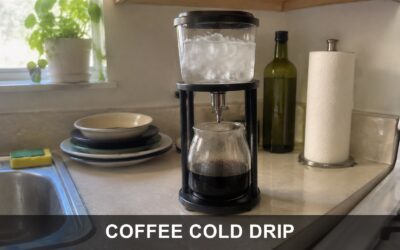
A press does more than hot coffee. Combine coarse grounds with cold water at about 1 part coffee to 8 parts water, leave it in the fridge for 12 to 16 hours, then plunge and pour over ice. It makes a smooth concentrate. If iced drinks are your main goal, the best iced coffee maker list covers machines built for it. You can also use a press to froth warm milk by pumping the plunger, or to steep loose-leaf tea.
When to replace your press
A steel press lasts years, but parts wear out first. Replace the filter or the whole unit if the mesh is bent, if grounds reach your cup no matter how coarse you grind, or if the plunger no longer seals against the wall. Dents in the body are mostly cosmetic. A loose or wobbly handle is a safety problem, so retire the pot.
If you mostly brew one mug at a time, a compact press may serve better than a large one. Our best cup coffee maker page lists single-serve options if a press feels like too much work on busy mornings.
FAQ
Is a metal French press better than a glass one?
It depends on what you value. Metal is more durable and, with double walls, holds heat longer. Glass lets you watch the brew and is often cheaper. The coffee itself tastes the same if grind, ratio and time match.
What grind should I use in a metal French press?
Use a coarse grind, similar to raw sea salt. Fine grounds pass through the mesh, make the cup silty and increase bitterness. If the plunger is hard to push, grind coarser.
How long should I steep coffee in a French press?
Four minutes is the usual starting point. Shorten it to three for a lighter cup or stretch it to five if you prefer more body, but pour out immediately once you’ve plunged.
Can I use a metal French press for cold brew?
Yes. Add coarse grounds and cold water at roughly 1 to 8, refrigerate for 12 to 16 hours, then plunge and dilute to taste. Rinse the filter well afterward so no oils linger.
Is a moka pot the same as a French press?
No. A moka pot is a stovetop brewer that pushes hot water up through the grounds under steam pressure, and it makes a concentrated, espresso-style coffee. A French press steeps coarse grounds in water and filters them with a plunger, giving a fuller, lighter-bodied cup.




Write Your Review
No reviews yet. Be the first to share your experience!