

TL;DR — A frying pan that “leaks” is almost never leaking through solid metal. The usual cause is water that got trapped inside an encapsulated disc base or a hollow handle during washing, then steams and seeps out of a seam when the pan heats up. Other real culprits are a warped base that lets oil or water run off the edge, loose or corroded handle rivets, and pinholes in a worn nonstick coating. Most of these are cosmetic or fixable; a delaminated base or perforated pan is done. For replacements, see our best cookware sets and best nonstick cookware guides.
The HomeWhisk editorial team researches cookware failures by studying construction methods, metallurgy, and aggregated owner reports from retailers and cooking communities like Reddit’s r/Cooking and r/castiron. “Why is my frying pan leaking” is a genuinely confusing problem, because a solid metal pan should not leak at all. The good news is that the water you are seeing has a small number of well-understood sources, and once you know which one it is, you know whether to dry it, tighten it, or replace it. Here is what is actually happening.
The Most Common Cause: Water Trapped in the Base
Most mid-range and budget frying pans use an encapsulated disc base — a slug of aluminum or copper sandwiched under the cooking floor and sealed in by a stainless steel outer layer, bonded under pressure. This spreads heat evenly across an otherwise thin pan.
The problem is the seal around the edge of that disc. If the bond has a microscopic gap or the edge weld is imperfect, water can wick into the void when you soak, submerge, or dishwasher-wash the pan. It sits there invisibly. The next time you heat the pan, that trapped water turns to steam, builds pressure, and hisses or seeps out of the seam at the base rim — often with a faint sizzle or bubbling around the bottom edge. This is the classic “leaking from the bottom” and “leaking after cleaning” complaint, and it is why the two happen together.
A void that only holds a little water may dry out and behave for a while; one that fills every wash points to a base that is slowly delaminating. A pan that leaks steam from its base seam on every heat-up has a failing bond and is at the end of its life. Fully clad pans, which bond the aluminum or copper across the entire pan rather than in a disc, avoid this failure mode — our best copper cookware guide covers clad construction.
Hollow Handles That Fill With Water
Many stainless frying pans have a hollow, stamped-metal handle — two pieces welded into a tube to save weight. If the welds have a gap, or if there is a vent hole, water runs into the handle while you wash the pan and pools inside.
Later, when you pick the pan up, tilt it, or heat it, that water drips out of the handle joint or the rivet holes, and it looks like the pan is leaking. You can confirm it by shaking a clean, dry-looking pan and listening for a slosh. The fix is prevention: do not submerge the pan for long, and stand it handle-down to drain and dry after washing. A handle that leaks rusty water is corroding inside and the pan is nearing replacement.
A Warped Base Letting Liquid Escape
Sometimes nothing is leaking through the pan at all — the base is warped, and liquid is simply running off it. Thin aluminum and some stainless pans warp when they suffer thermal shock, most often from putting a screaming-hot pan under cold water or onto a wet counter. The base bows into a convex or rocking shape.
On a warped pan, oil and rendered fat slide to the low edge instead of pooling in the center, and on a flat glass or induction cooktop, water and food liquid can run off the tilted base and pool underneath, mimicking a leak. A rocking, spinning pan on a flat surface confirms the warp. Mild warps are livable; a badly warped pan heats unevenly and never cooks well again. To avoid it, let pans cool before washing and never quench a hot pan.
Rivets, Cracks, and Coating Pinholes
A few structural faults let actual cooking liquid escape:
- Loose or corroded rivets: The rivets that fasten a handle pierce the pan wall. Over years they can loosen or corrode, and if you cook with enough liquid, it can weep through the rivet holes. Retightening helps briefly, but a leaking-rivet pan is usually past saving.
- Cracks and pitting: Cheap thin aluminum can crack, and corrosion or salt pitting can eventually perforate a thin base. Cast iron can crack from a sharp thermal shock or a drop. A pan with a real crack should be retired.
- Nonstick pinholes: A worn nonstick coating can flake and expose pinholes in thin substrate, and once the metal underneath corrodes, liquid seeps through. That pan is both leaking and no longer food-safe to keep using. Our best nonstick cookware guide covers more durable, thicker-based replacements.
If liquid comes through the cooking surface itself rather than the base seam, the pan is structurally failed and should be replaced — see our best cookware sets guide for a full-kitchen refresh.
Is It Actually Leaking, or Just Condensation?
Before condemning a pan, rule out the harmless explanation. A hot frying pan set on a cool countertop condenses moisture underneath it, leaving a ring of water that looks like a leak but wiped up came from the air, not the pan. Likewise, condensation on a lid runs down and can pool at the pan’s edge. Set a suspect pan on a dry paper towel over dry heat: if the towel stays dry from below and only the base seam hisses, you have trapped-water steam, not a structural leak.
When “Leaking” Means a Different Piece of Gear
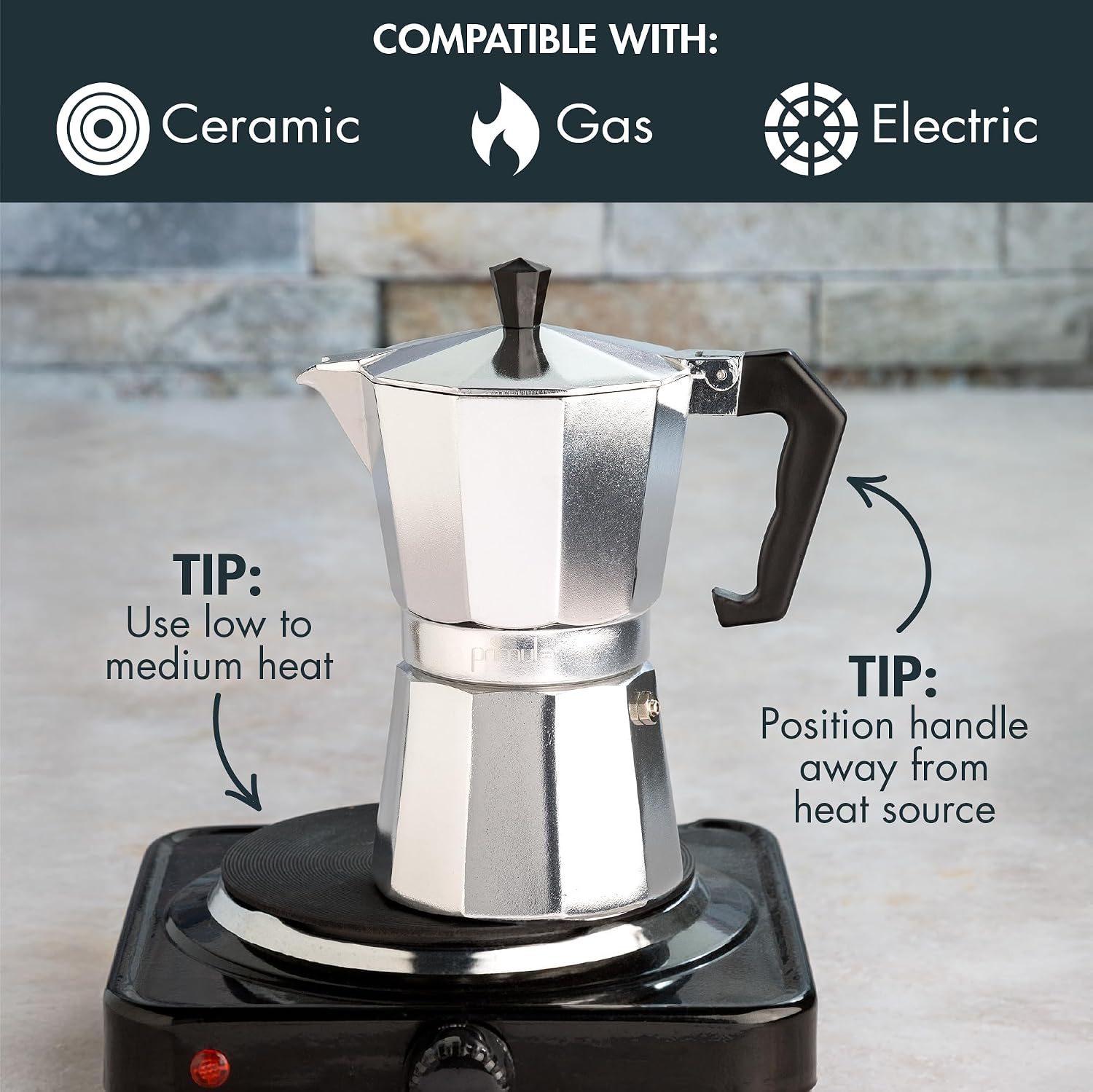
It is worth noting that the kitchen items that most often genuinely leak are not frying pans at all — they are sealed, pressurized brewers and cookers. A stovetop best moka pot leaks from a worn rubber gasket or a stuck safety valve, spraying coffee or steam from the seam between its two chambers. A best instant pot leaks steam around the lid gasket or float valve when the seal is dirty, misseated, or worn. If your “leaking pan” is actually one of those, the fix is almost always cleaning or replacing a cheap gasket, not the whole appliance. For rugged, low-maintenance stovetop gear that travels well, our best camping cookware guide is a useful comparison.
Frequently Asked Questions
Why is my frying pan leaking from the bottom?
Leaking from the bottom is almost always trapped water in an encapsulated disc base. Water wicks into the sealed void between the cooking floor and the outer stainless layer during washing, then flashes to steam when heated and seeps out of the base seam with a hiss or bubble. Less commonly, a warped base lets liquid run off the edge and pool underneath. If steam escapes the base seam on every heat-up, the bonded base is delaminating and the pan is failing.
Why is my frying pan leaking after cleaning?
Because cleaning is when water gets inside. Soaking, submerging, or dishwashing a pan pushes water into an imperfectly sealed disc base or a hollow handle. It stays hidden until you next heat or tilt the pan, at which point it steams or drips out and looks like a fresh leak. Dry the pan thoroughly, stand it handle-down to drain, and avoid long soaks. If water reappears after every wash, the base or handle seal is compromised and the pan is wearing out.
Is it dangerous to use a frying pan that leaks?
A pan that only hisses a little trapped steam from its base seam is not dangerous, just annoying and a sign of aging. It becomes a problem when the leak means a warped base (uneven, unsafe cooking), loose rivets (a handle that could fail), a crack, or nonstick pinholes exposing corroding metal to your food. If liquid comes through the cooking surface, or the handle feels loose, retire the pan. Structural leaks do not heal, and a failing handle on a hot, full pan is a real burn risk.
Can a warped frying pan be fixed?
Sometimes, partially. A mildly warped thin pan can occasionally be flattened by heating it gently and pressing the base against a flat surface, but results are unreliable and the metal often bows again. Realistically, a badly warped pan heats unevenly, spins on flat cooktops, and never cooks as well as it did. Prevention is the real fix: let pans cool before washing, never quench a hot pan in cold water, and choose a thicker-based pan that resists warping in the first place.
How do I stop water from getting into my pan?
Keep washing brief and thorough. Do not leave the pan soaking or submerged, hand-wash rather than dishwash pans with disc bases or hollow handles, and dry the pan completely after every wash — including standing it handle-down so any water in the handle drains out. Choosing fully clad cookware, which bonds the metal across the whole pan instead of sealing a disc, eliminates the trapped-water void entirely. Our best copper cookware guide explains clad construction that avoids this failure.
The Bottom Line
A leaking frying pan is usually a plumbing problem in miniature: water sneaks into a sealed disc base or a hollow handle during washing and escapes later as steam, which explains the twin complaints of leaking from the bottom and leaking after cleaning. Warped bases, loose rivets, cracks, and nonstick pinholes account for the rest, and simple condensation fools people into thinking a sound pan is failing. Diagnose it by drying the pan and heating it on a dry towel: harmless trapped steam you can live with, but a delaminating base, a failing handle, or a perforated surface means it is time to replace the pan. For upgrades, see our best cookware sets and best nonstick cookware guides.

Tramontina
Professional 10-Inch Non-Stick Frying Pan for Fast, Even Cooking | Tramontina Heavy-Gauge Aluminum Skillet
This heavy-gauge aluminum skillet heats quickly and evenly with a reinforced non-stick surface that releases food without oil and cleans up in seconds. Buy it if you want restaurant-grade durability and performance without induction compatibility, backed by a lifetime warranty.
Pros and Cons
Pros
- Heavy-gauge aluminum heats faster and more evenly than thin pans, reducing cooking time and preventing burned spots.
- Reinforced non-stick coating holds up to daily use better than standard non-stick finishes, extending the pan's usable life.
- Removable handle sleeve and 400°F oven rating add versatility for finishing dishes under the broiler or baking frittatas.
Cons
- Not compatible with induction cooktops, limiting use in kitchens with induction ranges.
- 10-inch size may be too small for cooking large batches or family-sized portions in one go.

MUELLER HOME
Everyday Nonstick Frying Pan for Eggs and Browning, MUELLER HOME German Stone Coating Skillet
This MUELLER HOME frying pan delivers easy food release and even heating through a reinforced German stone-derived nonstick coating and aluminum body. It suits everyday cooks who want an induction-compatible pan with a cool-touch handle and simpler cleanup.
Pros and Cons
Pros
- The German-engineered stone-derived coating supports nonstick cooking and easier cleanup.
- The magnetic base makes the pan compatible with induction cooktops as well as other cooktop types.
- The corrosion-resistant aluminum construction is designed for even heating and long-lasting use.
- The ergonomic stainless steel handle is intended to remain cool during cooking.
Cons
- The manufacturer recommends low to medium heat, so it may not suit frequent high-heat searing.
- The available specifications do not state the pan's diameter or maximum oven-safe temperature.
The Best Deals This Week*
-
Vocvee Frying Pans, 10-inch with Lid
$16.14
($16.99)Save $0.85 -
Everyday Nonstick Frying Pan for Eggs
$29.99
($49.99)Save $20.00 -
SENSARTE Nonstick Frying Pan Skillet with Lid
$36.99
($49.99)Save $13.00
*Deals are selected by our commerce team
Tramontina Professional 10-Inch Non-Stick Frying Pan for Fast, Even Cooking | Tramontina Heavy-Gauge Aluminum Skillet
Tramontina
Professional 10-Inch Non-Stick Frying Pan for Fast, Even Cooking | Tramontina Heavy-Gauge Aluminum Skillet
This heavy-gauge aluminum skillet heats quickly and evenly with a reinforced non-stick surface that releases food without oil and cleans up in seconds. Buy it if you want restaurant-grade durability and performance without induction compatibility, backed by a lifetime warranty.
$34.95 at AmazonEditors' Favorite
Color: Red Size: 10 Inch Dimensions: 18.54 x 10.43 x 4.25 Inches Weight: 2.0502990366 Pounds Product Group: Kitchen Binding: Kitchen
Shop NowVocvee Frying Pans, 10-inch with Lid, Hybrid Frying Pans Stainless Steel Skillets, Dishwasher & Oven-Safe, Stay-Cool Handle, PFOA Free Cookware, Compatible with All Cooktops

Vocvee
Frying Pans, 10-inch with Lid, Hybrid Frying Pans Stainless Steel Skillets, Dishwasher & Oven-Safe, Stay-Cool Handle, PFOA Free Cookware, Compatible with All Cooktops
$16.14 at AmazonGreat Value
Color: Stainless Steel Size: 10" + Lid Dimensions: 1.18 x 10.94 x 3.74 inches Weight: 3.77 pounds Product Group: Kitchen
Shop NowMUELLER HOME Everyday Nonstick Frying Pan for Eggs and Browning, MUELLER HOME German Stone Coating Skillet
MUELLER HOME
Everyday Nonstick Frying Pan for Eggs and Browning, MUELLER HOME German Stone Coating Skillet
This MUELLER HOME frying pan delivers easy food release and even heating through a reinforced German stone-derived nonstick coating and aluminum body. It suits everyday cooks who want an induction-compatible pan with a cool-touch handle and simpler cleanup.
$29.99 at AmazonColor: L. Grey Size: 10 inch Dimensions: 15 x 8 x 2.64 inches Weight: 2.79 pounds Product Group: Kitchen Binding: Kitchen
Shop NowSENSARTE Nonstick Frying Pan Skillet with Lid, 10.5 Inch Deep Frying Pan, 3.8 Qt Non Stick Saute Pan with Cover, Induction Pan, Healthy Non Toxic Cooking Pan with Helper Handle, PFOA PFOS Free

SENSARTE
Nonstick Frying Pan Skillet with Lid, 10.5 Inch Deep Frying Pan, 3.8 Qt Non Stick Saute Pan with Cover, Induction Pan, Healthy Non Toxic Cooking Pan with Helper Handle, PFOA PFOS Free
$36.99 at AmazonColor: Classic Black Size: 3.8QT / 10.5IN Product Group: Kitchen Binding: Kitchen
Shop NowMICHELANGELO 12 Inch Nonstick Frying Pan, Family-Size Skillet, Induction

Color: Black Size: 12-Inch Dimensions: 19.88 x 12 x 2.56 inches Weight: 3.1526103466 Pounds Product Group: Kitchen
Shop Now



Write Your Review
No reviews yet. Be the first to share your experience!