

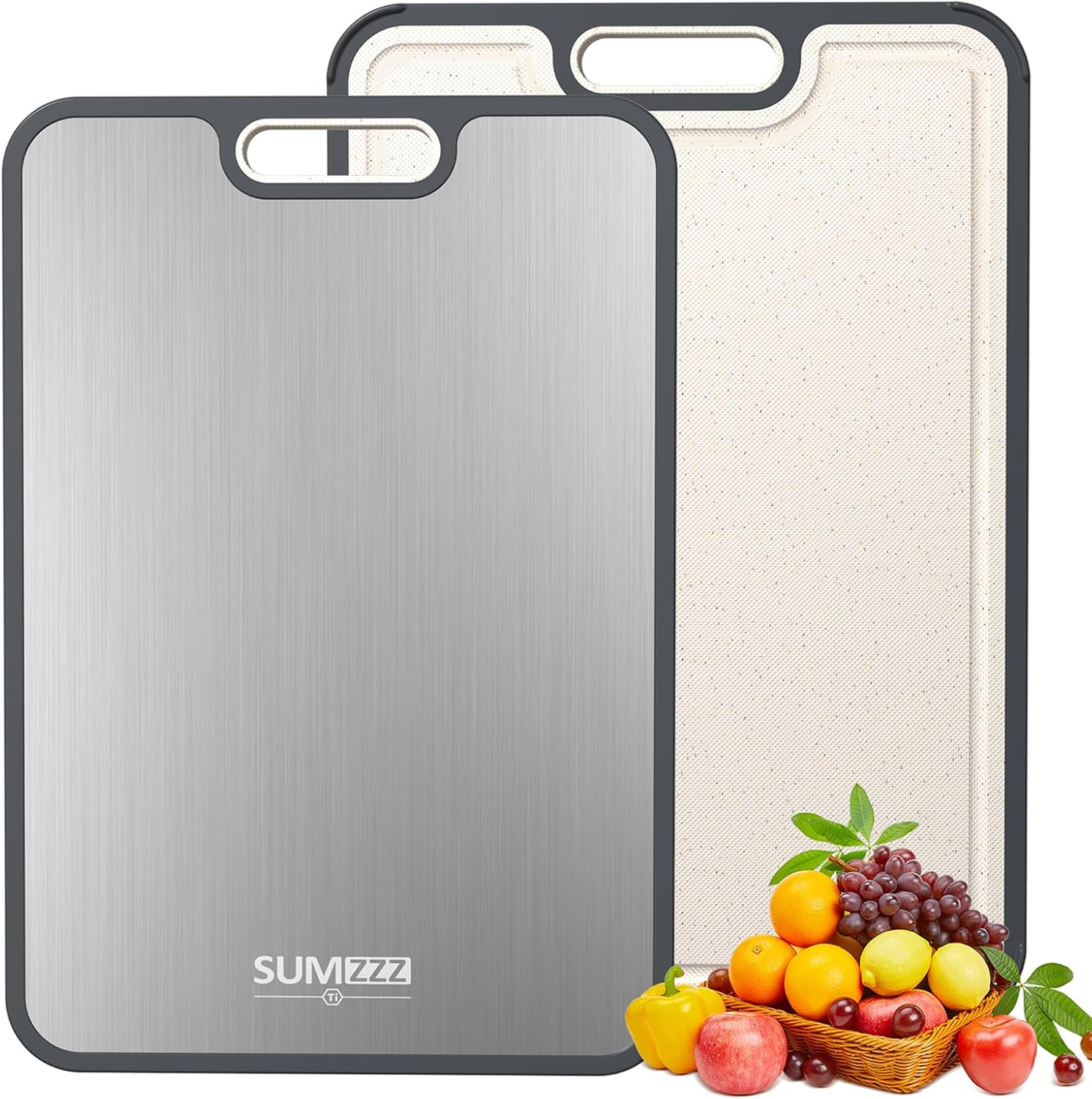
TL;DR — When people ask about portable cutting board, they are usually trying to make a buying or care decision without wasting money. This guide keeps the focus on what changes day-to-day use. For product picks, the closest next steps are best chef knife, best knife sets, and best bread knife.
Our view is based on product specs, material trade-offs, and repeated owner feedback — not one-off kitchen anecdotes or brand claims. For knife topics, the details that usually matter are edge geometry, steel, handle comfort, sharpening habits, and whether the knife suits the cuts you make most often.
When It Is Worth Paying More
Spending up pays off when you use the kitchen knife often enough to notice better easier cleanup every week. If it only comes out occasionally, a mid-range pick is the smarter call. Match the money to frequency of use, not marketing.
How To Get It Right
Think through the whole workflow: storing on a magnetic strip or in a block, oiling carbon steel after washing, and periodic sharpening on a whetstone. A kitchen knife that fits your routine and cleanup habits beats a technically superior one you fight with. We cover specific models in best chef knife, best knife sets, and best bread knife.
Common Misconceptions
The biggest myth is that the most expensive kitchen knife is automatically the best for you. In reality, the right choice depends on tang construction, and blade steel and hardness — plus your own habits. Another trap is buying by brand alone — the same maker sells both excellent and forgettable lines.
The Short Answer
Portable cutting board usually comes down to one thing: matching the kitchen knife to how you actually cook rather than to a spec sheet. The practical takeaway is that blade steel and hardness matters more day to day than headline features. For product picks, compare best chef knife, best knife sets, and best bread knife.
What To Look For
Hold a kitchen knife to a short checklist: fit, control, cleanup, and durability. Those are the variables that decide whether it earns a spot in your kitchen or ends up unused. Ignore cosmetic upgrades until the fundamentals check out.
Why It Matters
You feel grind type, edge retention, and tang construction in the results far more than the price tag suggests. That is why two knives that look alike can feel completely different in use — one saves time, the other quietly adds friction to every task. If you are shopping, our best chef knife and best knife sets guides are the fastest way in.

Related Product Guides
If this topic is part of a buying decision, these are the HomeWhisk guides most closely tied to it:
Frequently Asked Questions
What should I avoid?
Avoid buying by brand alone, ignoring periodic sharpening on a whetstone, and oversizing for your space. Each invites surface rust down the line.
What matters most for portable cutting board?
Focus on spine thickness, edge retention, and corrosion resistance first. Those decide real performance; the rest is secondary. Compare best chef knife and best knife sets for options that get the basics right.
How do I keep it in good shape?
Build periodic sharpening on a whetstone, and honing before each use into normal cleanup. Light, consistent care prevents pitting along the bevel far better than occasional deep effort.
What is the bottom line?
Match the kitchen knife to your real habits: buy for durability if it is daily, for value and storage if it is occasional.
What gear pairs well with it?
Start with a reliable core piece, then add as needs appear. Compare best chef knife, best knife sets, and best bread knife for related choices.
The Bottom Line
The simplest takeaway: buy for your real routine, not the most impressive feature list. Match the portable cutting board to your cooking frequency, cleanup habits, and storage, then use best chef knife, best knife sets, and best bread knife to compare actual products.





Write Your Review
No reviews yet. Be the first to share your experience!