

TL;DR — A frying pan rusts when bare iron meets water and oxygen. Cast iron and carbon steel rust because they’re reactive metals protected only by a thin layer of seasoning; once that layer thins — from soap scrubbing, soaking, air-drying, or acidic food — moisture reaches the iron and oxidizes it. Even “stainless” pans can spot if the passive chromium layer is damaged. The fix is simple: scrub off the rust, dry completely, and re-season. Light surface rust is not dangerous and wipes away. For rust-resistant options, see our best cookware sets guide.
The HomeWhisk editorial team researches cookware by analyzing metallurgy, seasoning chemistry, manufacturer care guidance, and aggregated user reviews from communities like Reddit r/castiron. This guide explains exactly why your pan is rusting and how to stop it.
Rust surprises people most on cast iron and carbon steel pans, but the chemistry is the same for any iron-based cookware: iron plus water plus oxygen equals iron oxide, which is rust. The reason some pans rust and others don’t comes down to what protects the metal and how well that protection is maintained. Here’s the full picture, plus how to rescue a rusted pan and keep it from happening again.
What Actually Causes a Pan to Rust
Rust is an electrochemical reaction. When iron atoms are exposed to both water and oxygen, they give up electrons and combine with oxygen to form iron oxide — the flaky, reddish-brown layer you see. The key word is exposed: as long as something keeps water and air off the bare iron, it won’t rust.
On cast iron and carbon steel, that “something” is seasoning — a layer of polymerized oil bonded to the metal. When you heat oil on the pan, it undergoes polymerization, cross-linking into a hard, plasticky, water-repelling coating. A well-seasoned pan resists rust because water beads and rolls off rather than sitting on the iron. Rust appears when that seasoning is thin, patchy, or stripped away, letting moisture reach the metal.
The most common triggers:
- Soaking the pan or leaving it in a wet sink — prolonged water contact overwhelms the seasoning.
- Air-drying instead of towel-drying — droplets sit long enough to start oxidation.
- Harsh scrubbing or dishwasher use — strips seasoning down to bare metal, and dishwasher detergent is especially aggressive.
- Cooking acidic foods (tomato, wine, citrus) for long periods — acid dissolves seasoning and can etch iron.
- Humid storage — a lidded, damp cabinet keeps moisture against the surface.
Understanding this makes the fix obvious: restore the barrier and keep water off the iron. For pans that avoid the issue entirely, our best cookware sets guide covers non-reactive options.
Which Pan Materials Rust — and Which Don’t
Not all cookware is equally vulnerable, and knowing your pan’s metal tells you what to expect.
- Cast iron rusts readily when bare. It’s essentially raw iron with a rough, porous surface that holds moisture, so it depends entirely on seasoning. The upside: it’s thick and forgiving, and rust can always be scrubbed off and re-seasoned.
- Carbon steel is the same iron-plus-carbon chemistry with less carbon and a smoother surface. It rusts just as easily as cast iron and is protected the same way, by seasoning. Woks and lightweight skillets are often carbon steel.
- Stainless steel resists rust because ~18% chromium forms a passive oxide layer that self-repairs in the presence of oxygen. It’s not truly rust-proof, though: salty or acidic residue left sitting, or abrasive damage, can cause pitting and rust spots. These are usually cosmetic and clean off.
- Aluminum doesn’t rust at all — it corrodes differently, forming a dull oxide layer, and bare aluminum reacts with acidic food. It’s not iron, so no red rust.
- Enameled cast iron (like a Dutch oven) has a glass coating that prevents rust on the enameled surfaces, though exposed rim edges can still rust.
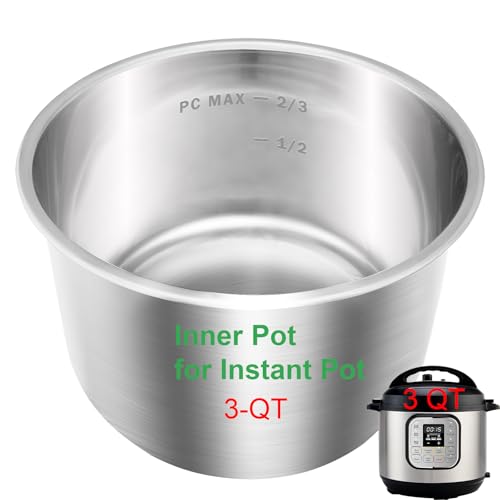
If rust frustrates you, low-maintenance materials sidestep it — our best instant pot (stainless insert), best copper cookware, and best nonstick cookware guides cover pans that don’t need seasoning.
How to Fix a Rusted Pan (Cast Iron and Carbon Steel)
Rust on cast iron or carbon steel is almost always fully reversible. The three-step process:
1. Scrub off the rust. Use steel wool, a chainmail scrubber, or a stiff brush with a little dish soap and hot water. Scrub until the bare, gray metal shows and all the reddish oxide is gone. For heavy rust, a baking-soda paste or a short soak in a 1:1 vinegar-water solution helps loosen it — but don’t leave iron in vinegar longer than about an hour, since acid attacks the metal itself. 2. Dry completely. Towel-dry, then put the pan on a burner over low-medium heat for a few minutes until every trace of moisture evaporates. This step is non-negotiable — any residual water will flash-rust the bare metal you just exposed. 3. Re-season. While the pan is warm, rub a very thin layer of a high-smoke-point oil (grapeseed, canola, flaxseed, or vegetable oil) over the entire surface, inside and out, then wipe it back off so it looks almost dry. Heat the pan upside down in an oven at around 450–500°F for an hour, then let it cool in the oven. Repeat two or three times for a durable base layer. Each round polymerizes another coat of protection.
After that, normal cooking (especially frying) keeps building the seasoning.
How to Prevent Rust From Coming Back
Prevention is a short routine, not a chore:
- Wash gently, right after use. Hot water and a soft brush or non-metal scrubber; a little mild soap is fine on modern seasoning despite the old myth. Skip the dishwasher entirely for iron pans.
- Dry immediately and thoroughly. Towel-dry, then heat on the stove for a minute or two to drive off hidden moisture. This single habit prevents most rust.
- Oil lightly after drying. Wipe a thin film of oil over the cooking surface while the pan is still warm to maintain the seasoning barrier.
- Store dry, with airflow. Keep the pan in a dry cabinet. If you stack cookware, put a paper towel between pans to absorb any moisture and prevent scratching. Don’t store cast iron with the lid on tightly, which traps humidity.
- Limit long acidic cooks. Occasional tomato sauce is fine on well-seasoned iron, but long simmers of acidic food strip seasoning — use stainless or enameled cookware for those.
For gear that lives in damp conditions, like camping, iron rusts fast without diligence — our best camping cookware guide covers rugged options, and our best moka pot guide notes aluminum vs. stainless models where rust is a non-issue.
Frequently Asked Questions
Is rust on a pan dangerous to cook with?
Light surface rust is generally not dangerous. Rust is iron oxide, and ingesting the tiny amounts left after wiping a pan isn’t considered harmful for most people — it’s the same iron your body uses, in a less usable form. That said, you shouldn’t cook on a visibly rusty surface: it tastes metallic, can flake into food, and signals lost seasoning. Scrub the rust off, dry thoroughly, and re-season before using. Heavy, deep rust or pitting warrants a full restoration. So it’s a quality and taste problem more than a safety emergency.
How do I remove rust from cookware?
For cast iron and carbon steel, scrub with steel wool or a chainmail scrubber and a bit of dish soap under hot water until bare gray metal shows. Stubborn rust loosens with a baking-soda paste or a short (under one hour) soak in 1:1 vinegar and water — don’t over-soak, since acid attacks iron. Then dry completely, heat to drive off all moisture, and re-season with thin coats of high-smoke-point oil. For stainless steel spots, a non-abrasive cleaner like Bar Keepers Friend removes rust staining without seasoning needed.
Why does my pan rust even after I dry it?
Two usual reasons: the drying isn’t complete, or the seasoning is too thin. Towel-drying leaves microscopic moisture in the pores of cast iron, so you should also heat the pan on the stove for a minute or two until fully dry, then wipe on a thin coat of oil while warm. If bare metal is showing through worn seasoning, water reaches the iron no matter how you dry, so the pan needs re-seasoning. Humid storage or a tightly lidded cabinet can also re-introduce moisture after drying.
Which frying pans don’t rust?
Stainless steel resists rust thanks to a self-repairing chromium oxide layer (though salty or acidic residue can cause cosmetic spots), aluminum doesn’t form red rust at all, and nonstick and enameled cast iron have coatings that shield the metal. Bare cast iron and carbon steel rust the most easily because they’re reactive iron protected only by seasoning. If you want low-maintenance, rust-free cookware, choose stainless or nonstick; if you value the searing and durability of iron, accept a small drying-and-oiling routine. See our best cookware sets and best nonstick cookware guides.
Is it safe to keep using cast iron with a little rust?
Yes, once you clean it. A little rust doesn’t ruin cast iron — that’s the material’s biggest advantage. Scrub off the rust with steel wool, dry the pan completely over heat, and re-season it with thin oil coats. It’ll be as good as new. What you shouldn’t do is cook on the rust or ignore it, since it will spread and flake. Regular use, prompt drying, and a light oil wipe keep it from returning. Cast iron is nearly indestructible, so rust is a setback, not a death sentence.
Can I put my frying pan in the dishwasher?
Not if it’s cast iron or carbon steel — the dishwasher’s prolonged water exposure, high heat, and harsh detergent strip seasoning and cause rust almost immediately. Hand-wash iron pans, dry them over heat, and oil them. Most stainless steel and hard-anodized pans are dishwasher-safe, but frequent cycles can dull finishes and, over time, contribute to pitting on lower-grade stainless. Nonstick pans are often labeled dishwasher-safe but last far longer hand-washed, since detergent degrades the coating. When in doubt, hand-wash; it’s gentler on every material.
The Bottom Line
Your frying pan is rusting because bare iron is meeting water and oxygen — the seasoning that normally keeps them apart has thinned or been stripped by soaking, air-drying, harsh scrubbing, the dishwasher, or long acidic cooks. On cast iron and carbon steel this is completely reversible: scrub off the rust, dry thoroughly over heat, and re-season with thin coats of oil. Prevent it with a quick routine — wash gently, dry immediately over a burner, wipe on a little oil, and store dry with airflow. Stainless, aluminum, nonstick, and enameled pans avoid iron rust if you’d rather skip the upkeep, though even stainless can spot if abused. Light rust is a taste and quality issue, not a danger. For rust-resistant cookware, start with our best cookware sets, best instant pot, best copper cookware, and best camping cookware guides.

Tramontina
Professional 10-Inch Non-Stick Frying Pan for Fast, Even Cooking | Tramontina Heavy-Gauge Aluminum Skillet
This heavy-gauge aluminum skillet heats quickly and evenly with a reinforced non-stick surface that releases food without oil and cleans up in seconds. Buy it if you want restaurant-grade durability and performance without induction compatibility, backed by a lifetime warranty.
Pros and Cons
Pros
- Heavy-gauge aluminum heats faster and more evenly than thin pans, reducing cooking time and preventing burned spots.
- Reinforced non-stick coating holds up to daily use better than standard non-stick finishes, extending the pan's usable life.
- Removable handle sleeve and 400°F oven rating add versatility for finishing dishes under the broiler or baking frittatas.
Cons
- Not compatible with induction cooktops, limiting use in kitchens with induction ranges.
- 10-inch size may be too small for cooking large batches or family-sized portions in one go.

Vocvee
10-Inch Hybrid Stainless Steel Nonstick Skillet for Eggs and Searing: Vocvee Tri-Ply Frying Pan
This 10-inch tri-ply stainless steel skillet uses laser-etched nonstick channels so eggs and fish slide free while the steel surface still handles searing heat up to 500°F. Buy it if you want nonstick convenience without PTFE or PFAS coatings and need one pan that works on induction, gas, electric, and ceramic cooktops.
Pros and Cons
Pros
- Works on every household cooktop including induction, so it stays useful through a kitchen change.
- The 500°F oven rating covers most stovetop-to-oven recipes without swapping pans.
- Detachable handle solves the storage problem that makes skillets awkward to nest.
Cons
- Requires a mild-cleanser wash before first use to remove polishing residue, or black marks appear when it heats.
- Hybrid etched surfaces need oil or butter to release cleanly, so it will not perform like a fully coated nonstick pan.
The Best Deals This Week*
-
SENSARTE Nonstick Frying Pan Skillet with Lid
$36.99
($49.99)Save $13.00 -
10-Inch Hybrid Stainless Steel Nonstick Skillet
$26.99
($36.99)Save $10.00 -
EvoFar 10 Inch Hybrid Nonstick Frying Pan
$21.99
($42.99)Save $21.00 -
SENSARTE Nonstick Frying Pan Skillet
$23.50
($25.99)Save $2.49
*Deals are selected by our commerce team
Tramontina Professional 10-Inch Non-Stick Frying Pan for Fast, Even Cooking | Tramontina Heavy-Gauge Aluminum Skillet
Tramontina
Professional 10-Inch Non-Stick Frying Pan for Fast, Even Cooking | Tramontina Heavy-Gauge Aluminum Skillet
This heavy-gauge aluminum skillet heats quickly and evenly with a reinforced non-stick surface that releases food without oil and cleans up in seconds. Buy it if you want restaurant-grade durability and performance without induction compatibility, backed by a lifetime warranty.
$34.95 at AmazonEditors' Favorite
Color: Red Size: 10 Inch Dimensions: 18.54 x 10.43 x 4.25 Inches Weight: 2.0502990366 Pounds Product Group: Kitchen Binding: Kitchen
Shop NowSENSARTE Nonstick Frying Pan Skillet with Lid, 10.5 Inch Deep Frying Pan, 3.8 Qt Non Stick Saute Pan with Cover, Induction Pan, Healthy Non Toxic Cooking Pan with Helper Handle, PFOA PFOS Free

SENSARTE
Nonstick Frying Pan Skillet with Lid, 10.5 Inch Deep Frying Pan, 3.8 Qt Non Stick Saute Pan with Cover, Induction Pan, Healthy Non Toxic Cooking Pan with Helper Handle, PFOA PFOS Free
$36.99 at AmazonGreat Value
Color: Classic Black Size: 3.8QT / 10.5IN Product Group: Kitchen Binding: Kitchen
Shop NowVocvee 10-Inch Hybrid Stainless Steel Nonstick Skillet for Eggs and Searing: Vocvee Tri-Ply Frying Pan
Vocvee
10-Inch Hybrid Stainless Steel Nonstick Skillet for Eggs and Searing: Vocvee Tri-Ply Frying Pan
This 10-inch tri-ply stainless steel skillet uses laser-etched nonstick channels so eggs and fish slide free while the steel surface still handles searing heat up to 500°F. Buy it if you want nonstick convenience without PTFE or PFAS coatings and need one pan that works on induction, gas, electric, and ceramic cooktops.
$26.99 at AmazonColor: Stainless Steel Size: 10" Dimensions: 1.18 x 10.94 x 1.97 inches Weight: 2.29 Pounds Product Group: Kitchen
Shop NowEvoFar 10 Inch Hybrid Nonstick Frying Pan, Stainless Steel Pan Non Stick Skillet, PFOA Free Cookware, Non Toxic Chef's Pan, Compatible with Electric, Gas and Induction, with Lid

EvoFar
10 Inch Hybrid Nonstick Frying Pan, Stainless Steel Pan Non Stick Skillet, PFOA Free Cookware, Non Toxic Chef's Pan, Compatible with Electric, Gas and Induction, with Lid
$21.99 at AmazonColor: Silver Size: 10 Inch Dimensions: 18.35 x 10 x 2.17 inches Product Group: Kitchen
Shop NowSENSARTE Nonstick Frying Pan Skillet, Non Stick Omelette Pan, Healthy Stone Cookware Chef's Pan PFOA Free, Toffee Brown (9.5 Inch)

SENSARTE
Nonstick Frying Pan Skillet, Non Stick Omelette Pan, Healthy Stone Cookware Chef's Pan PFOA Free, Toffee Brown (9.5 Inch)
$23.50 at AmazonColor: Toffee Brown Size: 9.5 Inch Dimensions: 1.2 x 9.5 x 2.2 inches Weight: 2.59925006898 pounds Product Group: Kitchen Binding: Kitchen
Shop Now



Write Your Review
No reviews yet. Be the first to share your experience!